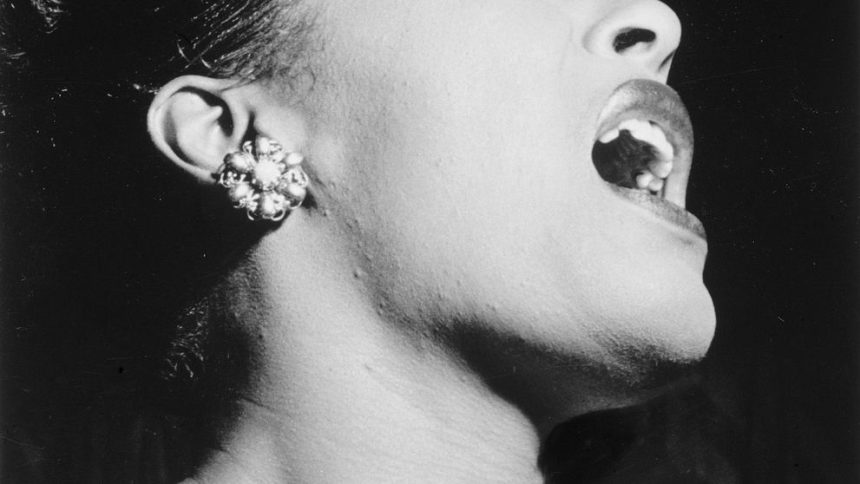
Some voices just hit different. You’re in the middle of a grocery store, half-distracted, and suddenly a song comes on – and before a single lyric drops, before the chorus, before anything – you already know exactly who it is. One note. That’s all it takes.
It’s not magic. It’s biology, acoustics, and decades of emotional memory fused together. A large body of evidence from phonetics, cognitive psychology, and neuropsychology suggests that listeners build an internal “prototype” for each familiar voice – and remarkably, even a single syllable can carry enough information to distinguish one voice from another. The question is: whose voices are so uniquely constructed that they defy the laws of anonymity?
Here are eleven of them. Let’s dive in.
1. Freddie Mercury – The Voice Science Had to Study


Let’s be real – Freddie Mercury doesn’t just belong on this list. He practically defines it. Science has confirmed what listeners already knew: he had an unequivocally great singing voice, and Swedish, Austrian, and Czech researchers took a scholarly look at the acoustic properties behind it. The published study, which appeared in the journal Logopedics Phoniatrics Vocology, went deep into what specifically separated Mercury from everyone else.
Analysis of 240 sustained notes from 21 a-cappella recordings revealed a surprisingly high mean vibrato rate of 7.0 Hz, reaching the range of vocal tremor – and quantitative analysis showed his vibrato had a distinctively irregular quality that became a hallmark of his singing. Think of it like a fingerprint on every note he sang.
Researchers also discovered that Mercury utilized subharmonics – a technique where the ventricular folds vibrate along the vocal folds – which is typically associated with Tuvan throat singers, not rock vocalists. That rough, growling warmth underneath his notes? That was something even most highly trained singers cannot physically replicate. Extraordinary doesn’t cover it.
2. Whitney Houston – Warmth You Could Feel Before the Lyric Landed

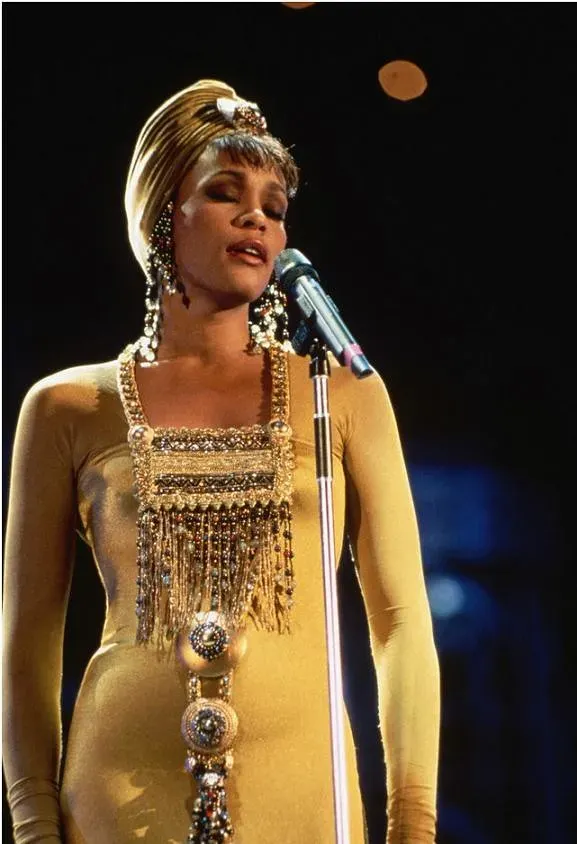
There’s a reason the opening note of “I Will Always Love You” makes people stop whatever they’re doing. Whitney Houston’s vocal range spanned roughly three octaves, and the timbre of her voice was her crowning glory – thick, luscious, and velvety – with her midrange being where the voice found its true strength. That midrange was like a warm hand on your shoulder. Unmistakable.
Whitney’s brilliance lay in her consistency, strength, and tone within her usable range, rather than chasing extreme notes for their own sake. She was a legendary vocalist whose impact on pop singers was beyond that of any of her contemporaries, and her synthesis of gospel and pop deliveries literally altered the landscape of popular music.
3. Freddie Mercury’s Spiritual Opposite – Bob Dylan and the Voice Nobody Asked For (But Everyone Remembers)

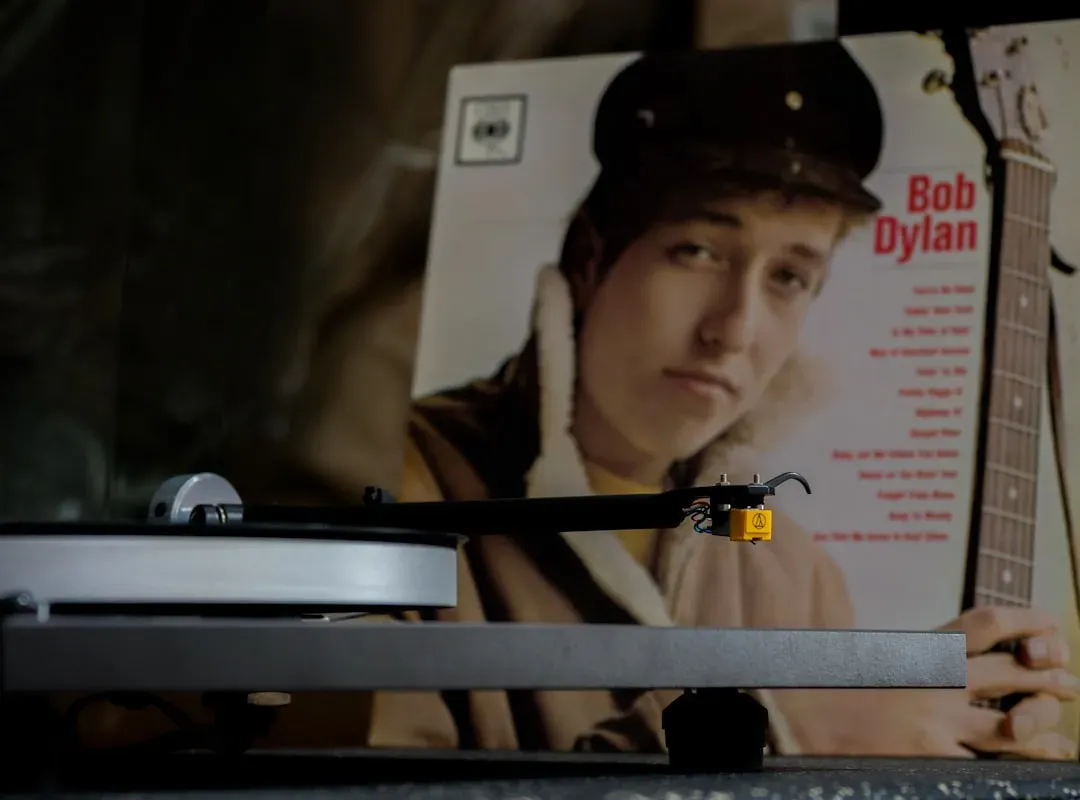
Honestly, Bob Dylan is a fascinating case. Nobody hands a kid a guitar and says “aim for that.” Plenty of folks may not appreciate the nasally, folksy vocals of Bob Dylan, which were heavily influenced by a bout of vocal-cord swelling in the 1960s – but there’s no denying that his voice helped shape a generation. It’s the kind of voice that sounds like it was never designed to be beautiful, yet it carved itself permanently into the brain’s memory centers.
That nasal phrasing, the conversational delivery, the way he bends a line like it’s optional – “Like a Rolling Stone,” “Blowin’ in the Wind,” and “Tangled Up in Blue” simply don’t work without that voice. Remove Dylan’s voice, replace it with a technically perfect singer, and the whole thing collapses. The imperfection is the art.
4. Stevie Nicks – The Smoke-and-Moonlight Voice

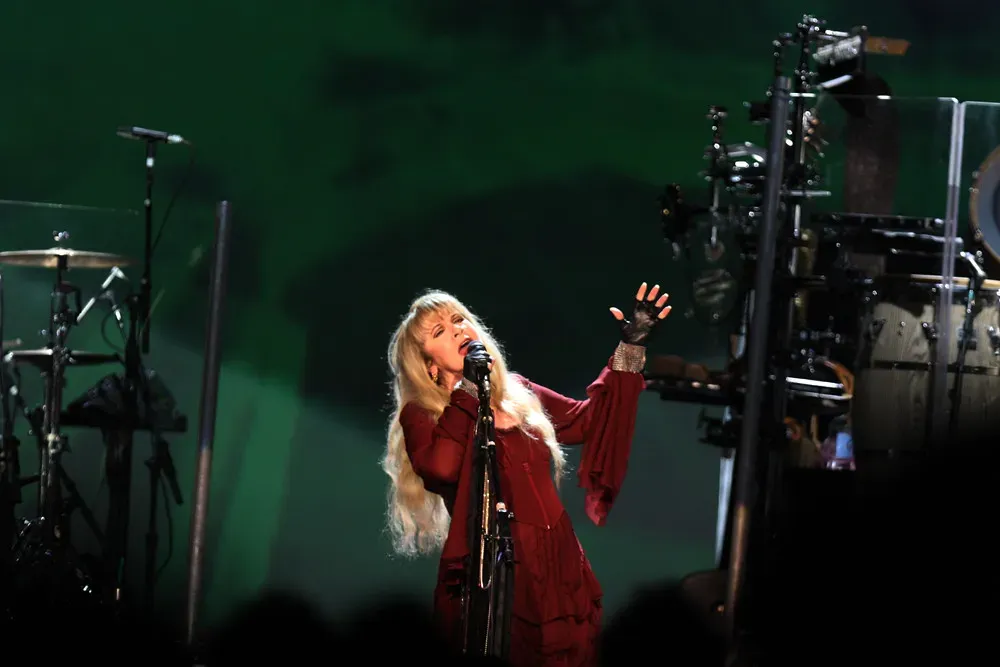
Stevie Nicks doesn’t sing straight lines – she floats them. That smoky, slightly husky tone wrapped in vibrato is unmistakable. Close your eyes and hear three seconds of her singing, and your brain lights up like a jukebox. There’s simply no one else who sounds like that.
During both her time in Fleetwood Mac and as a solo artist, Stevie Nicks cultivated a vocal sound entirely her own – her vibrato is legendary, and her emotional intensity in songs like “Rhiannon” and “Silver Springs” is unmatched. I think what makes her voice so recognizable is this specific combination of fragility and power. She sounds breakable and ancient at the same time. That’s rare.
5. Tom Waits – The Voice That Shouldn’t Work But Does


Tom Waits sounds like gravel arguing with a whiskey bottle. It shouldn’t work. But it does – and “Downtown Train,” “Tom Traubert’s Blues,” and “Chocolate Jesus” are proof that character can matter more than clarity. His voice is the auditory equivalent of a worn leather jacket thrown over a barstool at 2am. You know it instantly.
What makes Waits extraordinary is that his voice is almost definitionally not a “beautiful” voice. Yet it communicates something raw and human that smoother instruments often fail to reach. Some, like Morgan Freeman’s deep, resonant delivery or Fran Drescher’s nasal, high-pitched chatter, are outliers – they’re just so different from the average that they stick in memory. Tom Waits falls into that same elite category of voices that are unforgettable precisely because they break the mold.
6. Robert Plant – The Wailing Standard for Rock Fronting

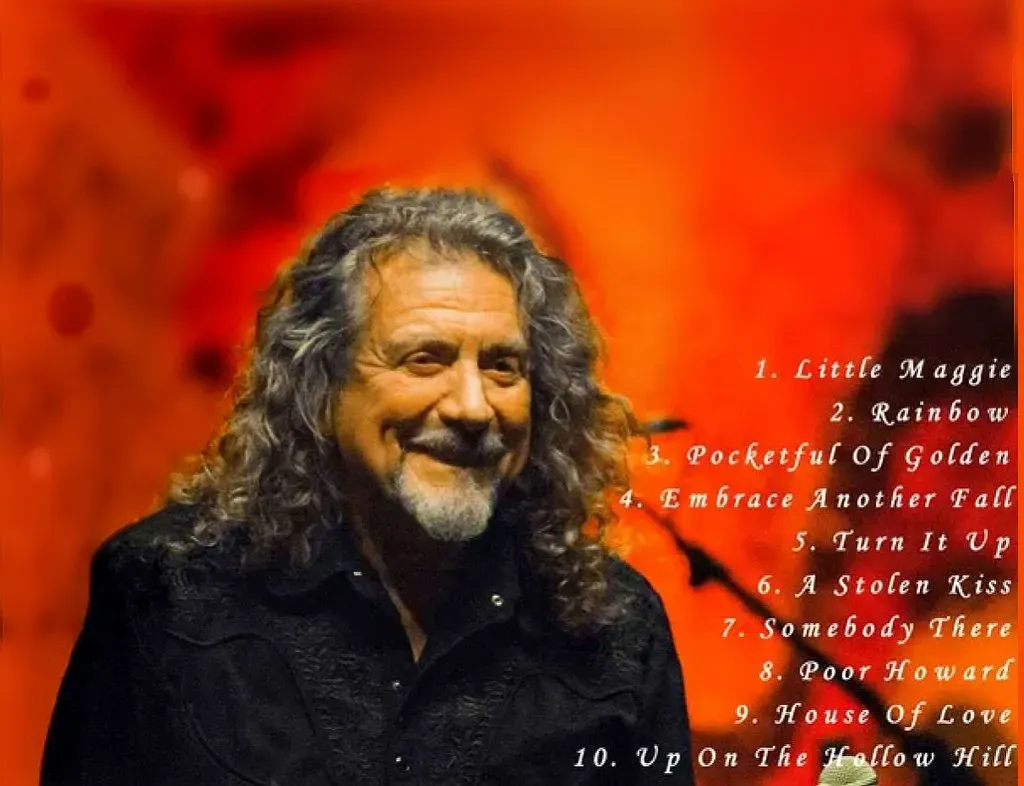
Since the 1960s, Robert Plant has been one of rock music’s most recognizable vocalists, with a range that carried him from his time as the frontman of Led Zeppelin to acclaimed duets with country singer Alison Krauss. That’s a staggering range of contexts to remain identifiable in. His voice is the kind that doesn’t need a band behind it. A single held note tells you everything.
Plant’s voice helped define what a rock frontman should sound like – high, wailing, a little mystical, a little dangerous – and songs like “Whole Lotta Love,” “Stairway to Heaven,” and “Kashmir” only work because he sounds like he’s summoning something ancient and loud. Still, no one has really managed to replicate it in fifty years of trying. That says something profound.
7. Cher – The Contralto That Launched a Thousand Impressions


Boasting the most recognizable contralto voice in popular music, Cher has been blazing her own trail as a vocalist, performer, and actress since the 1960s – and her unique sound has inspired countless comedic impressions. Here’s the thing: when people impersonate you constantly, it actually proves just how distinct your vocal identity is. Cher passes that test effortlessly.
Cher is described as embodying female autonomy in a male-dominated industry, known for her distinctive contralto singing voice, with a career spanning more than six decades across numerous areas of entertainment. Six decades. One voice. Completely unchanged in its core identity. That’s not a career. That’s a monument.
8. Amy Winehouse – Jazz Ghosts in a Modern Studio

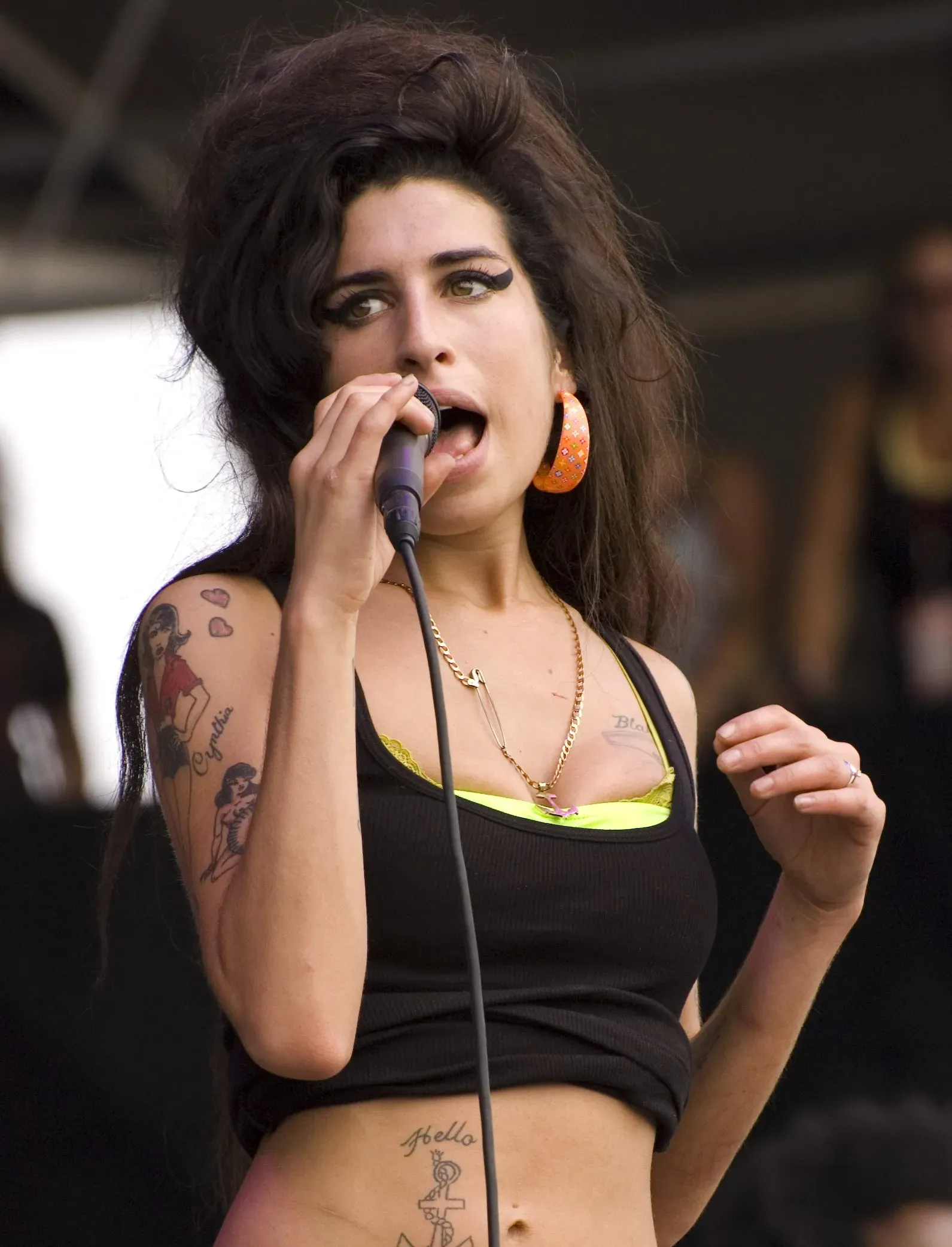
The first time most people heard Amy Winehouse, they probably assumed they were listening to an old vinyl record found in someone’s grandmother’s attic. Amy Winehouse possessed a contralto voice, with a range spanning from G3 to D5 – deep, smoky, and ancient-feeling even when she was barely in her twenties. Singers like Amy Winehouse are iconic not just for technical skill, but for pouring genuine feeling into every note.
The contralto is the lowest female voice, often suited to jazz – with a deep, warm quality – and Winehouse belongs in the company of artists like Cher, Judy Garland, Annie Lennox, and Joni Mitchell in this rare vocal category. A single note from her voice carried the weight of Billie Holiday and the chaos of Camden all at once. That’s not something you learn. That’s something you are.
9. Morgan Freeman – The Voice That Narrates God’s Own Documentary

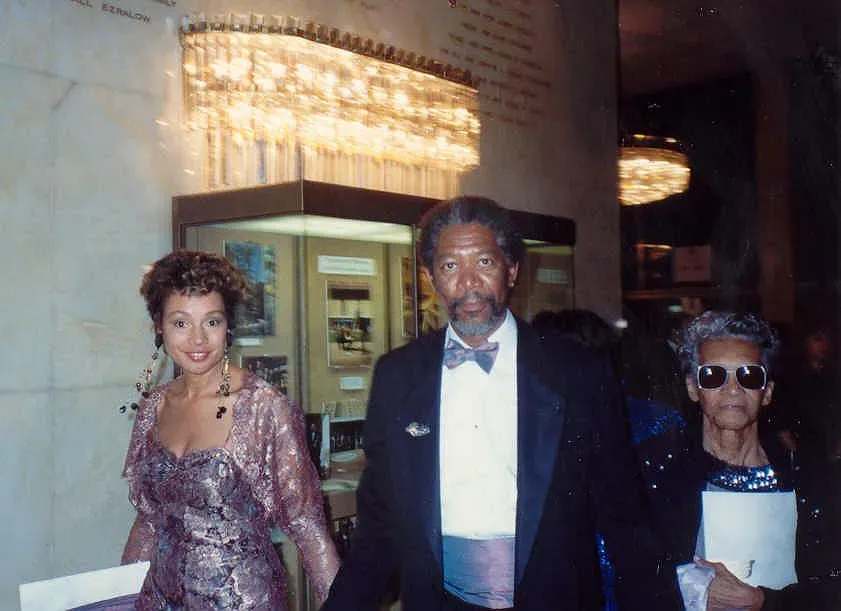
When it comes to distinctive voices, Morgan Freeman sits atop the Hollywood pantheon – his deep, authoritative tone has become synonymous with gravitas and wisdom, gracing countless films, documentaries, and even GPS navigation systems, while the warmth and reassuring quality truly sets him apart. People have literally paid money to have Morgan Freeman’s voice guide them through traffic. Think about that.
The superior temporal gyrus, a brain region dedicated to processing complex sounds, is especially sensitive to familiar voices – and recent imaging studies from 2024 demonstrated that this brain area lights up more intensely and quickly when a subject hears a well-known voice, compared to an unfamiliar one. When that voice belongs to Morgan Freeman, the effect is probably off the charts. His is one of those rare voices the brain never has to work to place.
10. Billie Holiday – The Voice That Changed Jazz’s Emotional Architecture

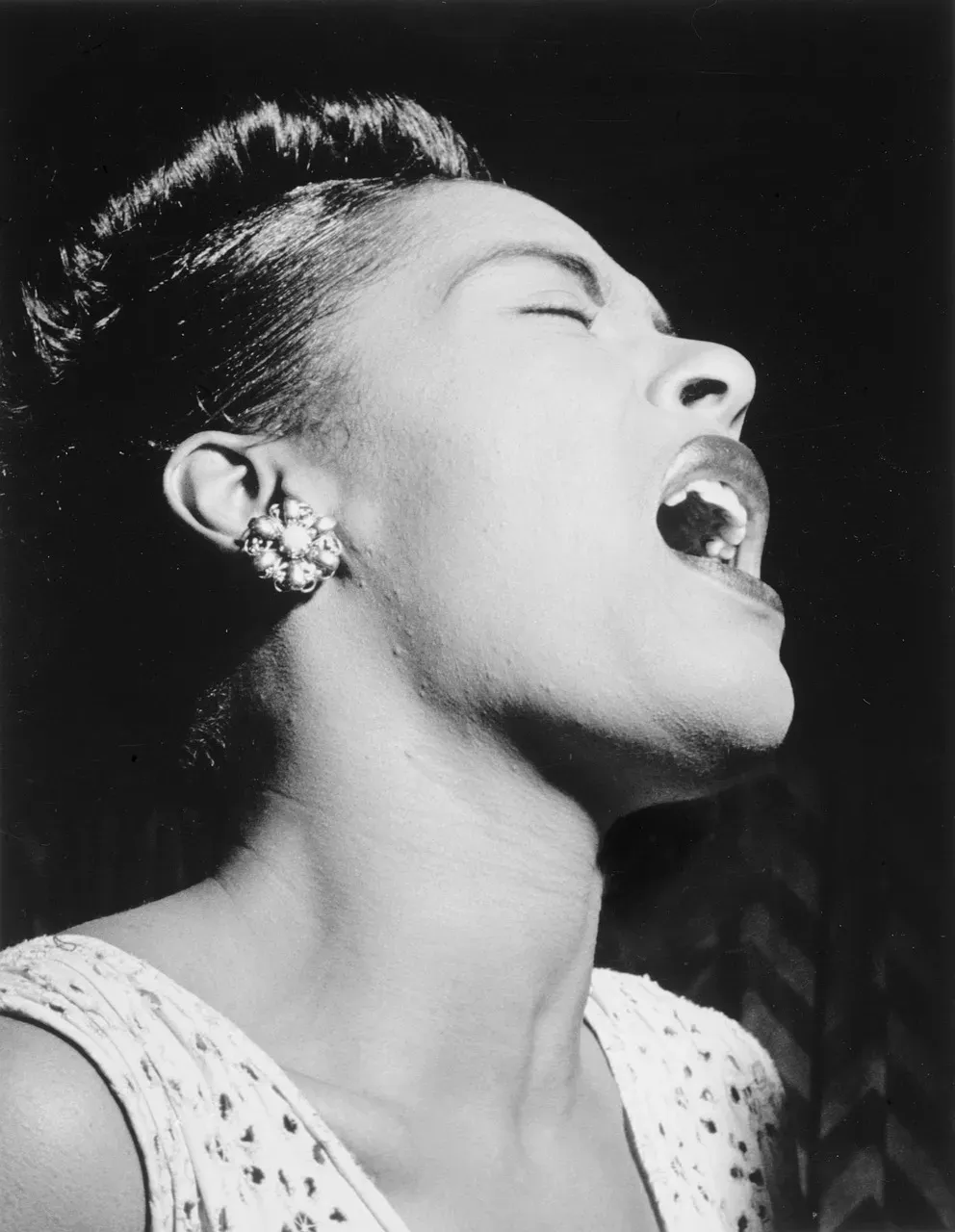
Known by her contemporaries as the legendary Lady Day, Billie Holiday’s voice is arguably the most recognizable and influential in jazz music – perhaps best remembered through “Lady Sings The Blues,” a devastatingly sad track that exemplifies her vocal intensity. There’s a bruised quality to her voice that no amount of studio processing could manufacture. It has to be lived.
It’s hard to say for sure how the brain processes voices tied to such deep emotion, but research does suggest it helps. Once your brain has a “file” on a familiar person, it needs only a handful of cues – rhythm, resonance, or a certain lilt – to make the match. Emotional context makes this even stronger: the voice of a parent, partner, or favorite celebrity is stored with extra detail if connected to strong feelings. Billie Holiday made music that was almost entirely built from strong feeling. No wonder the brain holds onto her.
11. Björk – The Voice From Another Planet (Scientifically Speaking)


From intense growl to euphoric high notes, Björk is a true one-off – a veritable chameleon in terms of eclecticism and innovation, with a body of work delivered consistently over a nearly thirty-year career. Call it what you want. Experimental. Strange. Alien. The truth is, there is no comparison point. Björk’s voice doesn’t remind you of anyone else because there is no one else.
Though some may find her style too avant-garde, there’s no denying the purity and power of Icelandic singer Björk’s truly unique voice. That uniqueness has a scientific explanation too. Timbre – the color or quality of a voice – is shaped by how resonators amplify certain frequencies called formants, and scientists like Johan Sundberg have shown how the shape of your vocal tract and how you use it changes your personal sound. Björk’s vocal tract, and what she does with it, produces something the world has never encountered before or since. One note, and you know.
The Science Behind the Recognition


It’s worth pausing to understand why all of this even works. Why can a single note trigger instant recognition? Every voice is as unique as a fingerprint – shaped by the size and shape of your vocal cords, the contours of your mouth, your nasal cavity, and even the width of your larynx. These physical differences are largely genetic, set before a person ever opens their mouth to sing.
To recognize a famous voice, human brains use the same center that lights up when the speaker’s face is presented – and the new research suggests that voice and face recognition are linked more intimately than previously thought, with visual and auditory information feeding into a common brain center for more robust recognition. In other words, when you hear Freddie Mercury’s vibrato, your brain does something remarkably close to what it does when it sees his face. That’s how deeply wired we are to know certain voices.
In an experimental study, researchers reported consistency in the vocal identities that are remembered or forgotten by listeners, which suggests universal principles that determine what makes a voice memorable. The voices on this list didn’t win the recognition lottery by accident. They earned it through anatomy, craft, and an unmistakable personality baked into every note. Some voices don’t need a second chance to be known. They make their case in a single breath. Which of these eleven surprised you the most?