


Rock music doesn’t just exist. It erupts. It tears through cultural walls, rewires generations, and somehow manages to sound both ancient and urgent at the same time. Some bands write great songs. Others write history. This list is about the second kind.
From four lads in Liverpool who redefined what a band could even be, to a trio from Seattle who burned the entire glam-rock playbook to the ground, these thirteen acts didn’t just make noise. They made movements. Let’s dive in.
1. The Beatles: The Band That Invented Modern Music

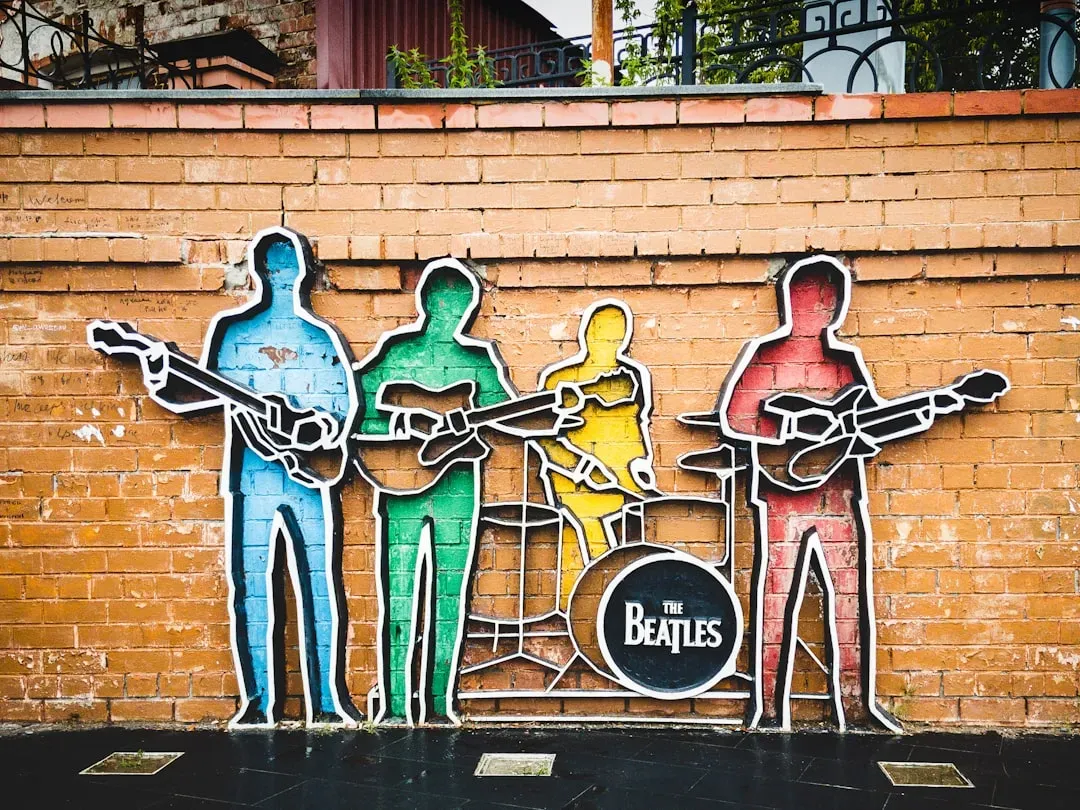
Here’s a number that should stop you cold: the Beatles have sold over one billion records worldwide. Not albums. Records. Everything. And they did it in roughly a decade of active recording. Comprising John Lennon, Paul McCartney, George Harrison, and Ringo Starr, they are commonly regarded as the foremost and most influential band in popular music history.
The scale of their arrival in America is almost impossible to grasp today. On February 9, 1964, the Beatles gave their first live US television performance on The Ed Sullivan Show, watched by approximately 73 million viewers in over 23 million households, or roughly a third of the entire US population. The Nielsen rating service reported it was the largest audience number ever recorded for an American television program. That single broadcast changed everything. Billy Joel, Nancy Wilson, Tom Petty, and many more have cited that specific broadcast as the reason they wanted to get into music in the first place.
Cultural changes initiated by the group include the elevation of the album to become the dominant form of record consumption over singles, a wider interest in psychedelic drugs and Eastern spirituality, and several fashion trends. The band also pioneered with their record sleeves and music videos, and informed music styles such as jangle, folk rock, power pop, psychedelia, art pop, progressive rock, heavy metal, and electronic music. Honestly, it’s easier to list what the Beatles didn’t influence.
2. Led Zeppelin: The Heaviest Band on Earth


Rolling Stone described Led Zeppelin as “the heaviest band of all time,” “the biggest band of the seventies,” and “unquestionably one of the most enduring bands in rock history.” That’s high praise from a publication that has seen everything. Led Zeppelin sold an estimated 200 to 300 million records worldwide. They achieved eight consecutive UK number-one albums and six number-one albums on the US Billboard 200, with five of their albums certified Diamond in the US by the RIAA.
They were inducted into the Rock and Roll Hall of Fame in 1995; the museum’s biography states that they were “as influential” in the 1970s as the Beatles were in the 1960s. That is not a small claim. Led Zeppelin influenced the music business, particularly in the development of album-oriented rock and stadium rock. Think about every massive arena concert you’ve ever seen or dreamed of attending. Zeppelin helped build that template.
In 2025, Forbes magazine ranked Led Zeppelin as the best rock band of all time. Their influence stretches from hard rock to heavy metal to grunge, touching virtually every guitar-driven genre that followed them. That’s not legacy. That’s architecture.
3. The Rolling Stones: The World’s Greatest Rock and Roll Band


Formed in London in 1962, The Rolling Stones became known for their raw energy, rebellious attitude, and blues-infused rock ‘n’ roll. They were the dark counterweight to the Beatles’ melodic sunshine, and honestly, rock music needed both. The Rolling Stones were one of the first to bring British rock and roll to North America, and they helped pioneer the sound that would develop into hard rock. They led the British Invasion of America along with The Beatles in 1964, introducing American youth to blues-inspired rock.
They are cited as influences for artists like David Bowie and Jimi Hendrix, and a great number of hard rock bands, including Aerosmith and Guns N’ Roses. That’s a lineage worth tracing. The Stones charted their 37th top 10 album on the Billboard 200 chart with Blue & Lonesome in 2016. More than five decades of charting. Let that one settle in.
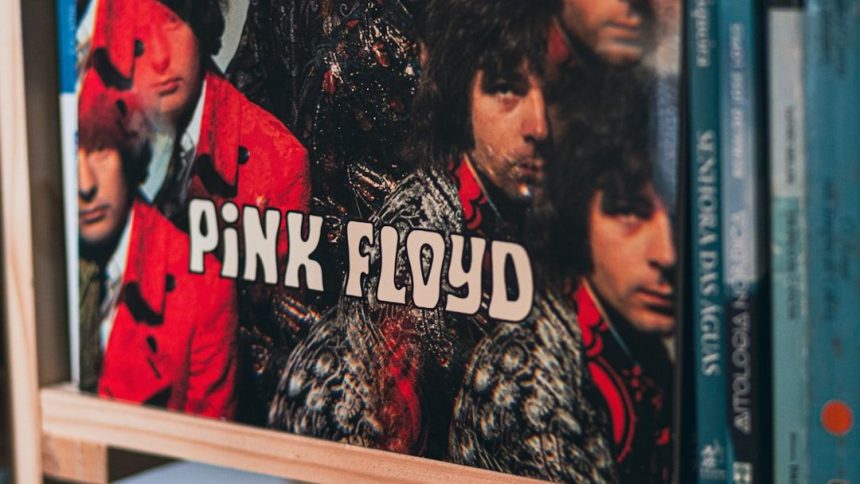
4. Pink Floyd: The Architects of the Album Experience

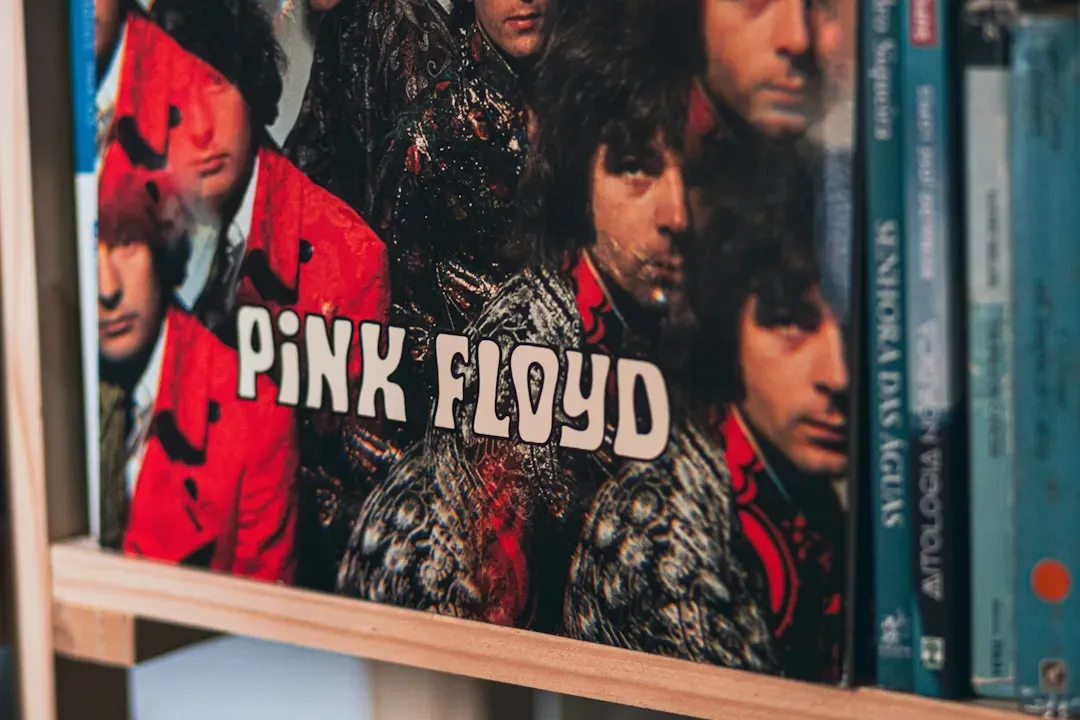
Pink Floyd revolutionized music with their approach to sound and storytelling. Formed in 1965, the band initially featured Syd Barrett’s visionary leadership, which defined their early psychedelic rock phase. After Barrett’s departure in 1968, Pink Floyd evolved into a progressive rock force under Roger Waters, Nick Mason, Richard Wright, and David Gilmour. The transformation was remarkable. They went from quirky psychedelia to something that felt genuinely cinematic.
The Dark Side of the Moon, released in 1973, remained on the Billboard chart for a record-setting 741 weeks from 1973 to 1988. Although it is Pink Floyd’s biggest selling album internationally, it takes the second position in the U.S. behind the double album The Wall, which sold 23 million copies in America. With over 24 million units certified and another 21 million sales estimated worldwide on top of that, Floyd’s biggest hit has posted roughly 45 million sales overall, according to multiple sources.
Honestly, there’s no other band that turned an album into an immersive psychological experience quite like Floyd. Pink Floyd surpassed 251 million equivalent album sales, cementing their place as one of the best-selling artists in history. Their music doesn’t just play. It envelops you.
5. Black Sabbath: The Inventors of Heavy Metal

Let’s be real. Without Black Sabbath, there is no heavy metal. It’s that simple. You can trace every metal riff back to them. Sabbath dragged rock out of the peace-and-love haze and dropped it into the fire. Tony Iommi’s riffs, with Geezer Butler’s words, and Ozzy’s wail created something entirely new. The sound was dark, down-tuned, and deliberate. It was like nothing rock had ever produced.
Formed in Birmingham in 1968, they took the blues, slowed it down, detuned the guitars, and wrapped it in apocalyptic imagery. Led Zeppelin put their own spin on hard rock, bringing in blues and folk, as well as non-western influences, which inspired bands such as Black Sabbath, though Sabbath then took those ideas somewhere far darker. Every subgenre of metal, from thrash to doom to death metal, owes a structural debt to what Iommi started in a dingy rehearsal room in the English Midlands.
6. Nirvana: The Band That Blew Up the Rulebook


Fronted by Kurt Cobain, Nirvana’s raw, grunge sound and unapologetic attitude redefined alternative rock. Their 1991 album “Nevermind” catalyzed grunge’s mainstream breakthrough, steering music away from the polished glam metal of the ’80s. The contrast was almost violent. One week the charts were full of hairspray and stadium anthems. The next, everything smelled like Teen Spirit.
Nirvana’s Nevermind has been climbing steadily year after year. Now at number seven on the all-time best-selling albums list, it stands as the most successful album of the 1990s. Their influence is evident through the many bands that emerged immediately after: Alice in Chains, Pearl Jam, and even Weezer. Furthermore, the honesty of Kurt Cobain’s lyrics shines through 21st century solo artists, such as Kid Cudi and Lana Del Rey.
Cobain’s introspective songwriting and the band’s dynamic sound created a cultural shift in rock music. Nirvana’s impact can still be felt today, inspiring countless musicians and defining a generation. Three studio albums. An entire genre redefined. The math is almost unfair.
Partner offer

7. Queen: The Band That Made Rock Theatrical


Few bands have ever operated on the scale Queen did during their peak. Freddie Mercury, one of the most charismatic lead singers in rock history, wrote “Bohemian Rhapsody,” “We Are the Champions,” and “Crazy Little Thing Called Love.” Brian May contributed “We Will Rock You.” John Deacon gave us “Another One Bites the Dust.” Roger Taylor wrote “Radio Ga-Ga,” which inspired the name of a certain superstar who wasn’t even born yet when that Queen song was released in 1984.
The peerless Mercury was diagnosed with AIDS in 1987 and died four years later. The 2018 film Bohemian Rhapsody, which focused on his story, is the highest-grossing music biopic in history, showing how the impact of the group and its music persists to the present day like few other 20th century bands. Queen has sold roughly 300 million albums worldwide. That’s an almost unthinkable number for a band that never quite fit a single genre.
8. The Rolling Stones… Wait, Meet Metallica: The Kings of Metal
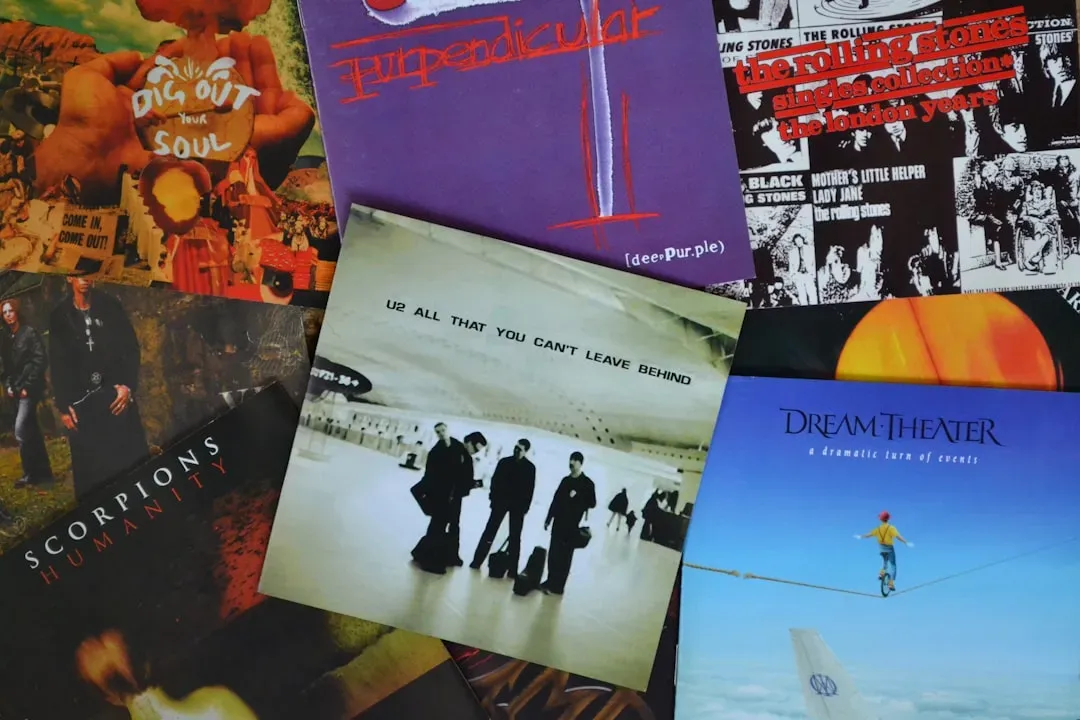
No one brought metal to the main stage like Metallica. They took thrash and gave it architecture. They created songs that hit like a train but unfolded like symphonies. That ’80s stretch from Kill ‘Em All through And Justice for All is near-perfect, and The Black Album made them global. The Black Album alone is one of the best-selling records in history. Metallica’s Black Album topped the best-selling studio albums of the ’90s by a group, outselling even Nirvana’s Nevermind.
What makes Metallica truly extraordinary isn’t just the sales. It’s the range. They managed to take a genre that critics dismissed as noise for teenagers and turn it into something with real compositional depth. Heavy metal, which first came to popularity in the 1970s, continued its aggressive momentum with “thrasher” bands like Metallica. Today, Metallica continues to sell out stadiums worldwide, and their 72 Seasons album in 2023 proved they still have fire in the engine.
9. U2: The Band That Made Conscience Cool


Formed in Dublin in 1976, U2 has become one of the most successful and influential rock bands in history. Bono, The Edge, Adam Clayton, and Larry Mullen Jr. crafted a distinctive sound that blends anthemic rock with socially conscious lyrics. U2’s ability to tackle political and social issues while delivering stadium-filling rock concerts has made them a global phenomenon.
Released in 1987, The Joshua Tree is U2’s highest selling album. It sold 10 million copies in the U.S. and 25 million worldwide. The band celebrated the album’s 30th anniversary with a worldwide sold-out tour. That anniversary tour grossed hundreds of millions of dollars, proving that great albums age into monuments. U2 didn’t just make music. They constructed a moral framework around it, and somehow that didn’t alienate fans. It pulled them in deeper.
10. The Velvet Underground: Tiny Audience, Infinite Ripples


A short-lived band that was overlooked during their late ’60s to early ’70s run, The Velvet Underground is credited with inventing punk rock, a subgenre that would gain popularity in the late 1970s. Brian Eno famously said that the band’s first album sold only 30,000 copies, but everyone who bought one went on to form a band. It’s hard to say exactly how accurate that is, but the spirit of it rings absolutely true.
Led by Lou Reed and co-founded with John Cale under the supervision of Andy Warhol, the Velvet Underground explored topics like heroin addiction, gender fluidity, and urban alienation at a time when pop music was still singing about holding hands. Their refusal to romanticize darkness, combined with their raw, minimalist sound, became the DNA of punk, new wave, alternative rock, and indie music. The shadow they cast is impossibly long relative to their commercial output.
11. Joy Division: The Sound of Modern Despair


Joy Division, led by Ian Curtis, transformed music with their short but impactful career. Their debut album “Unknown Pleasures,” released in 1979, introduced a dark, introspective sound that became a cornerstone of the post-punk movement. The band’s unconventional production techniques, courtesy of producer Martin Hannett, created a haunting sonic landscape.
Their work inspired musicians like The Cure, Radiohead, and Interpol. In fact, it’s hard to imagine much of modern alternative and art rock without the blueprint Joy Division laid down. Ian Curtis’s death in 1980 ended the band’s story just as it was building momentum, but the remaining members reformed as New Order and went on to shape electronic dance music. Joy Division’s fingerprints are everywhere in contemporary music, even when most listeners don’t know whose fingerprints those are.
12. The Who: The Architects of Rock Opera


The Who brought something to rock that had barely been attempted before: genuine narrative ambition. The Who built off the idea of the concept album, inspired in part by Sgt. Pepper’s Lonely Hearts Club Band, and went on to release the first rock opera, Tommy, where the tracks of the album correlate to a single story, like a musical or opera production would. That was a seismic leap forward for what a rock album could even attempt to do.
The Who’s music continues to resonate with audiences, showcasing their enduring impact on rock music. Pete Townshend’s guitar smashing and Keith Moon’s explosive drumming redefined what a live performance could look like. They were loud, violent, theatrical, and deeply intelligent all at once. Think about that combination. It takes a very specific kind of genius to pull that off, and The Who had it in abundance during their peak years in the late ’60s and ’70s.
13. Radiohead: The Band That Refused to Stay Still


It’s hard to say for sure which band best represents the spirit of artistic restlessness in the post-Nirvana era, but Radiohead makes the strongest argument. With its moody sounds, abstract lyrics, and unexpected instrumentals, Radiohead’s third album OK Computer is widely considered a masterpiece by critics, listeners, and other musicians. The band drew inspiration from Miles Davis’s jazz-fusion album and recorded most of it in a historic stone mansion in Bath, England.
OK Computer arrived in 1997 and essentially created a new template for thoughtful rock music in the digital age. From there, Radiohead kept reinventing themselves with Kid A, In Rainbows, and beyond, never making the same album twice. Radiohead topped the UK album charts with their second studio album, and with The Bends, which went triple platinum in the UK and Canada, the band influenced and paved the way for a new wave of musicians, including James Blunt and Coldplay. That’s a ripple effect still playing out right now in 2026.
A Final Thought


What’s remarkable about every band on this list is how different they are from each other. There’s no single formula for changing music forever. Sometimes it’s a melody, sometimes it’s a riff, sometimes it’s a concept album nobody expected to work. The Beatles did it with charm and genius. Nirvana did it with fury and honesty. Radiohead did it by refusing to be comfortable.
The real lesson here isn’t about which band was “the best.” It’s about how genuine creative conviction, the kind that doesn’t ask for permission, has a way of reshaping everything around it. These thirteen bands didn’t follow a map. They drew one.
Which of these bands do you think made the single biggest dent in music history? Tell us in the comments.
Partner offer
Planning a trip to Vegas?
Compare hotel rates and show tickets on VEGAS.com.


