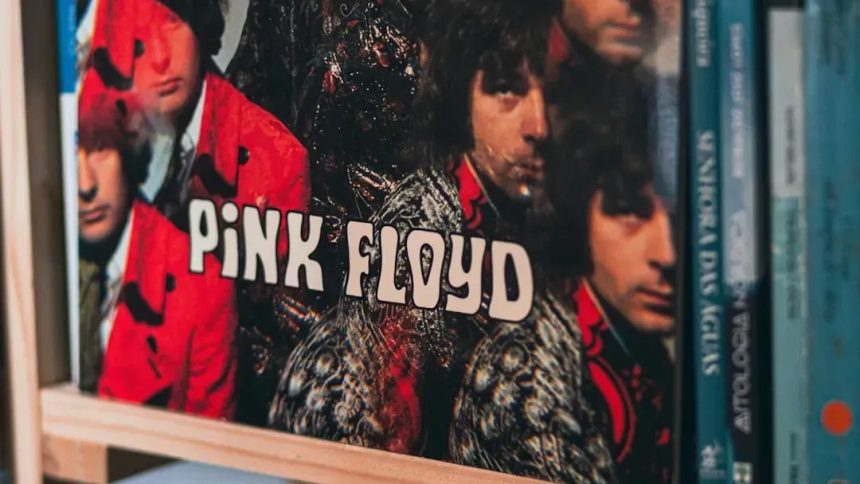
There is something almost magical about the last track on a great album. It is the moment the artist lays down their final card, the one they have been holding back all along. Singles get the radio play, the streaming streams, the playlist spots. But the closing track? That belongs to the listener who actually stayed.
Honestly, some of the most powerful music ever recorded was buried at the very end of a record, quietly waiting for someone patient enough to get there. A truly great album closer is more than just the last song. It is the period at the end of a novel, the final, lingering chord that either resolves the journey or throws the entire listening experience into dizzying new context, serving as a synthesis of everything that came before and providing catharsis, resolution, or a breathtaking final twist. These are twelve tracks that did exactly that, and then some.
1. “A Day in the Life” – The Beatles (Sgt. Pepper’s Lonely Hearts Club Band, 1967)

That final, earth-shattering piano chord lingers in the air like a ghost, making “A Day in the Life” one of the most unforgettable endings in rock history. A masterpiece of structure, storytelling, and orchestration, it is the sound of pop music realizing it could be art. Nothing before or after it on the album quite prepares you for what it delivers.
The draping suite that closes the Beatles’ most celebrated album is the musical equivalent of a British psychological thriller. John Lennon, understated and possibly a little medicated, recounts horrific daily news items with weary apathy while Ringo Starr’s drums stumble drunkenly into the kitchen. Without much warning, a pert Paul McCartney enters to describe his morning wake-up routine, which goes as scheduled until he is whisked “into a dream.” It is a song in two halves that somehow makes perfect sense as one, and it remains utterly untouchable.
2. “Won’t Get Fooled Again” – The Who (Who’s Next, 1971)
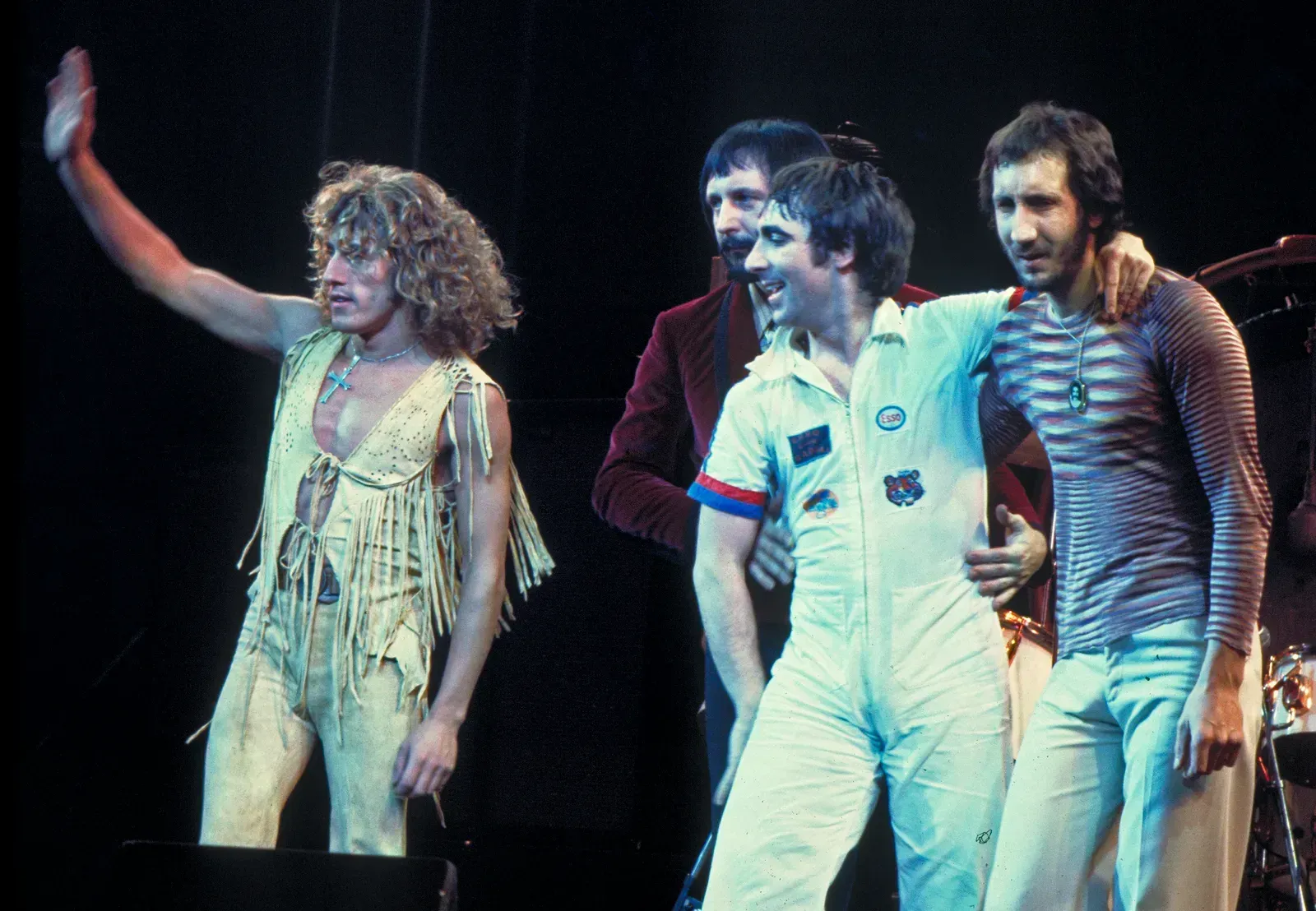
Although often remembered as a standalone anthem, “Won’t Get Fooled Again” has another life as a devastating album closer. Its cyclical message, revolution replacing one ruling class with another, perfectly concludes Who’s Next’s themes of disillusionment and power. Let’s be real, most bands would have opened an album with a track this big. The Who saved it for last.
Pete Townshend’s synthesiser loop creates a sense of inevitability, while Roger Daltrey’s primal scream near the end feels like pure existential release. It doesn’t resolve the album’s tensions; it confirms them. As a closing statement, it is brutal, cynical, and thrillingly loud. That scream, in particular, is one of the most viscerally satisfying moments in all of rock music.
3. “Purple Rain” – Prince and the Revolution (Purple Rain, 1984)
Prince’s Purple Rain is expertly sequenced from the pulpit-preaching opener “Let’s Go Crazy” to the hymn-like solemnity of the nearly nine-minute title track closer. The whole album builds to this. Every track before it is a runway, and “Purple Rain” is the takeoff.
After an album of tension, sexuality, ego, and conflict, Prince offers transcendence. The song’s slow build, gospel-inflected harmonies, and iconic guitar solo turn personal pain into communal release. As a closer, it doesn’t just end the album – it elevates it, transforming drama into redemption. The final moments feel earned, monumental, and unforgettable. It is one of the rare songs where people wept in the cinema on its first release, which tells you everything.
4. “Desolation Row” – Bob Dylan (Highway 61 Revisited, 1965)
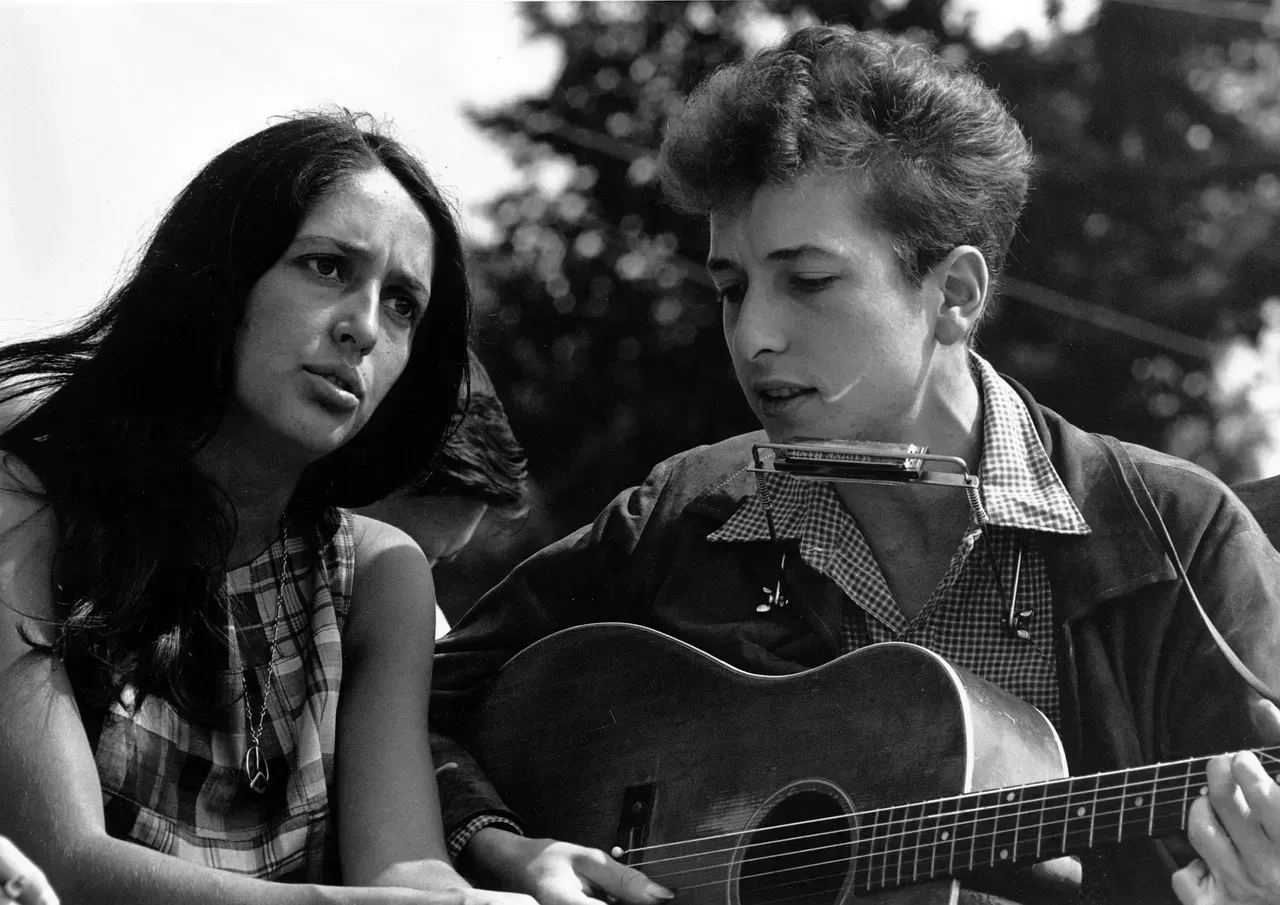
Bob Dylan has often ended his classic albums with some of his longest songs. His best LP closer is found on Highway 61 Revisited: the 11-minute surreal masterpiece “Desolation Row.” Eleven minutes of poetry, and not a single second feels wasted. That is genuinely hard to pull off.
“Desolation Row” is less a song than an odyssey. Dylan leaves you wandering the streets with Einstein, Cinderella, and the Phantom of the Opera, and you will never want to leave. The acoustic guitar feels deceptively simple beneath lyrics that are anything but. It is the kind of closer that makes you want to turn the record back over and listen to the whole thing again, just to understand how you got here.
5. “Free Bird” – Lynyrd Skynyrd ([Pronounced ‘Leh-‘nerd ‘Skin-‘nerd], 1973)
![5. "Free Bird" - Lynyrd Skynyrd ([Pronounced 'Leh-'nerd 'Skin-'nerd], 1973) (Image Credits: Pexels)](https://nvmwebsites-budwg5g9avh3epea.z03.azurefd.net/lasvegasnews/520e8c51eecf694202f9e9a7ef2f2fbb.webp)
A tribute to the late Duane Allman of the Allman Brothers, it is incredible to think this was on their debut album. Clocking in at just over nine minutes, the masterpiece is about what it means to be free. Birds are free to fly wherever they want, and the character in the song wants to leave his partner because, although he does not want to hurt her, there are so many things he still wants to do before he settles.
What starts as quite a sombre and low-key song develops into a faster-paced track with an incredible solo that is as full of emotion as the rest of the song. The shift from gentle ballad to scorching guitar freakout is one of the most satisfying dynamic turns in rock history. People at concerts still shout for it decades later, which is not something that happens to most songs.
6. “Eclipse” – Pink Floyd (The Dark Side of the Moon, 1973)
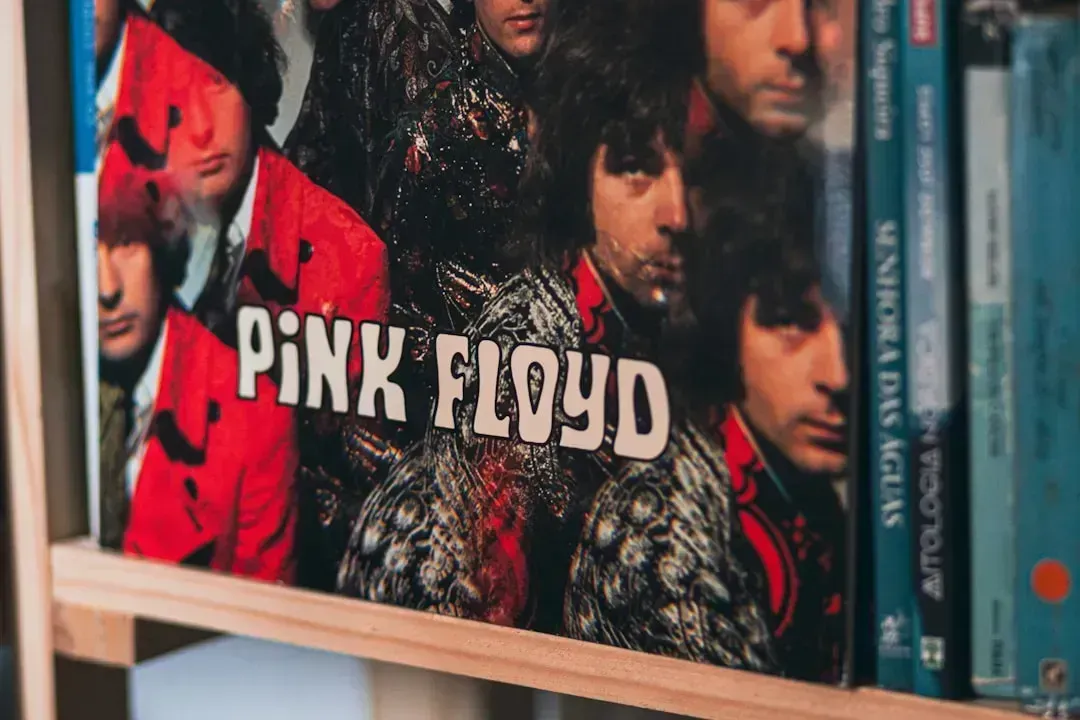
After the last quiet notes of “Brain Damage” fade, in comes the crashing, majestic sound of that gloriously over-the-top organ work by Richard Wright and Roger Waters, describing the human experience with stunning succinctness. It builds to a lovely climax, with David Gilmour, Richard Wright, and female singers providing the backup. It is brief, almost shockingly so, given how long the album has been building to it.
“Eclipse” brings The Dark Side of the Moon to a celestial conclusion. The heartbeat that bookends the album leaves you questioning whether it ever really ended at all. That is the genius of it. The album does not finish, it just completes a loop. It is more like a philosophical statement than a pop song, and that is exactly why it lands so hard.
Partner offer
7. “Jungleland” – Bruce Springsteen (Born to Run, 1975)
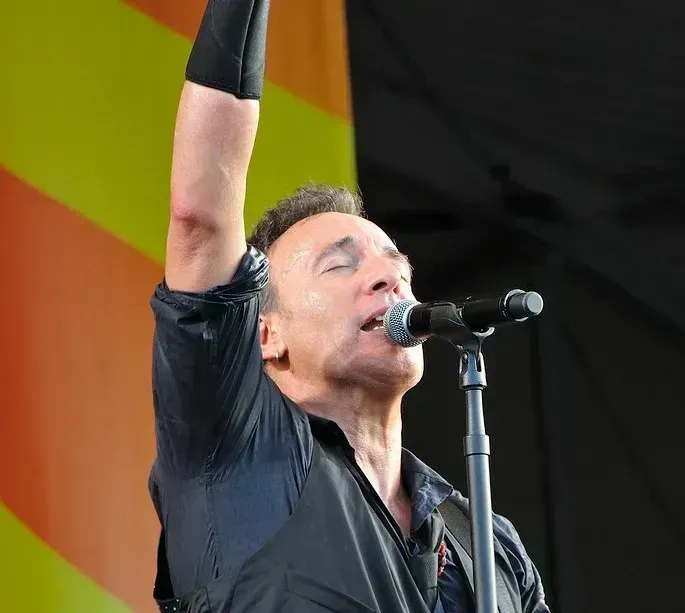
The conclusion of Springsteen’s breakthrough album can be described as “epic.” At 9 minutes, 33 seconds, “Jungleland” tells the tale of a “spiritual battleground,” with characters like the “Magic Rat” and the “Barefoot Girl.” It is a fitting end to a record that details hope and despair with the same brilliance. Very few songs make you feel like you are watching a film while listening to them, but this one does.
Musically, it showcases the special talents of not only Springsteen coming into his own as a songwriter but Roy Bittan’s superb piano playing and that memorable sax solo from Clarence Clemons. That saxophone moment is one of those musical events where everything just stops and you have to breathe. “Born to Run” gets the glory, but “Jungleland” carries the soul of the entire record.
8. “Train in Vain” – The Clash (London Calling, 1979)

This track was not meant to be the closer. It was literally squeezed onto the album at the last minute, hence its omission from the sleeve’s tracklist. After the genre-hopping, politically charged energy of the previous 18 tracks, Joe Strummer’s plaintive, soulful breakup ballad offers a crucial moment of personal reflection. There is something almost accidental about its greatness, which makes it even more endearing.
Its blend of funk, soul, and new wave rhythm gives London Calling its final, unexpected stylistic twist, closing the epic sprawl with a moment of universal, relatable heartache rather than a grand political statement. It was also the first song from The Clash to make it into the top 30 on the charts in the United States. An accident that became a masterpiece. Music history is full of those, but rarely this perfectly placed.
9. “Gold Dust Woman” – Fleetwood Mac (Rumours, 1977)
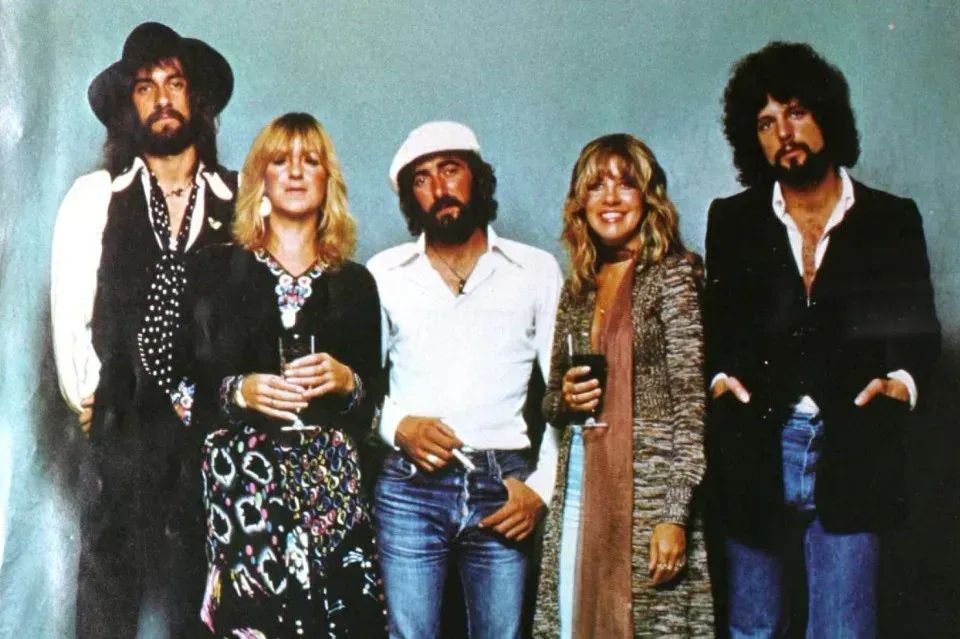
A slow-burn descent into darkness, “Gold Dust Woman” is Fleetwood Mac at their most spellbinding. Stevie Nicks wails like she is conjuring something out of the ether, and the song fades into oblivion, leaving you hypnotized. Rumours is packed with radio-ready heartbreak anthems, from “Go Your Own Way” to “The Chain,” yet it is this strange, witchy slowburner that gets the last word.
Here is the thing about this song: it works almost like a ritual cleansing after the emotional carnage of the album before it. The production is raw in places, almost uncomfortably so, and Nicks sounds like she is singing from somewhere beyond the room. Think of it as the moment the fever finally breaks. It earned its place at the end not through polish, but through sheer emotional weight, and that is exactly what the best closers do.
10. “Hurt” – Nine Inch Nails (The Downward Spiral, 1994)
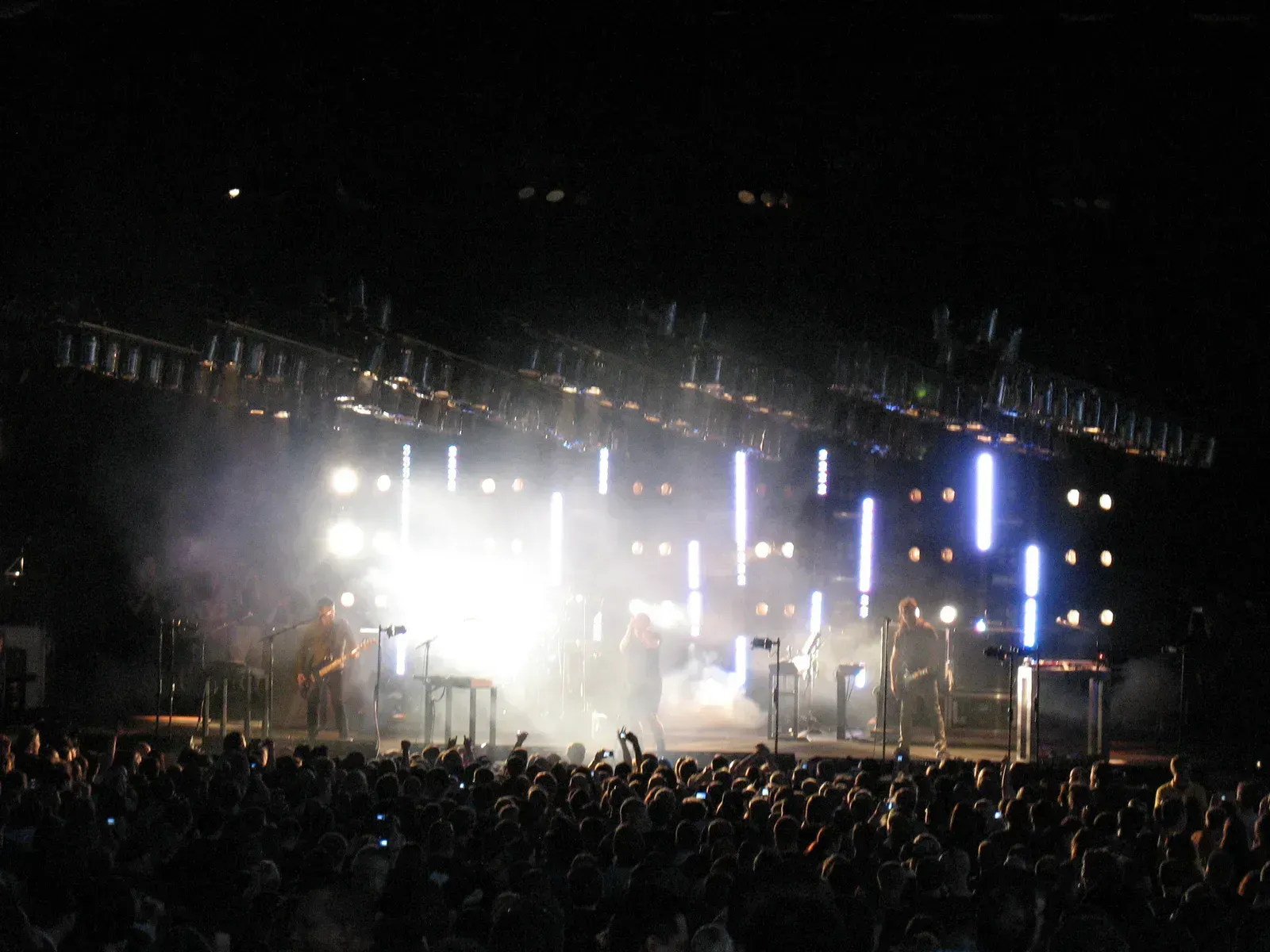
Arguably the most emotionally powerful track on The Downward Spiral, Trent Reznor’s dark musical journey about self-mutilation and addiction is far from pleasant but has an element of lyrical beauty that makes it one of the best songs in the NIN catalog. The entire album is a brutal, punishing experience, and then this song arrives like something quiet in a hurricane.
It is almost painfully stripped back compared to everything that came before it on the record. The contrast is the point. Nine Inch Nails perfected the art of the album closer with The Downward Spiral finale “Hurt.” It has been described as “one of the saddest songs in the world, ending with a suffocation of static.” Johnny Cash later covered it and made the world cry all over again, which speaks to how far beyond its genre this song actually reaches.
11. “Moonlight Mile” – The Rolling Stones (Sticky Fingers, 1971)

Sticky Fingers’ closer is the beautiful sound of utter exhaustion. After an album steeped in swagger, sex, and menace, the Stones close with vulnerability and weariness. Mick Jagger’s lyrics, about loneliness on the road, feel genuinely exposed, while the sweeping strings elevate the song into something almost cinematic. It is the sound of dawn after debauchery. As a closer, it humanises the band, revealing the emotional cost beneath the bravado.
Most people know Sticky Fingers for “Brown Sugar” or “Wild Horses.” But “Moonlight Mile” is arguably the bravest thing on the whole record. It is unhurried, almost drowsy, a song that needs space to breathe. A weary traveler’s ballad, drenched in strings and solitude, “Moonlight Mile” drifts off into the night with one of the most haunting outros in the Stones’ catalog. It is the Stones without the armor, and that vulnerability is exactly what makes it hit so hard.
12. “Redemption Song” – Bob Marley and the Wailers (Uprising, 1980)
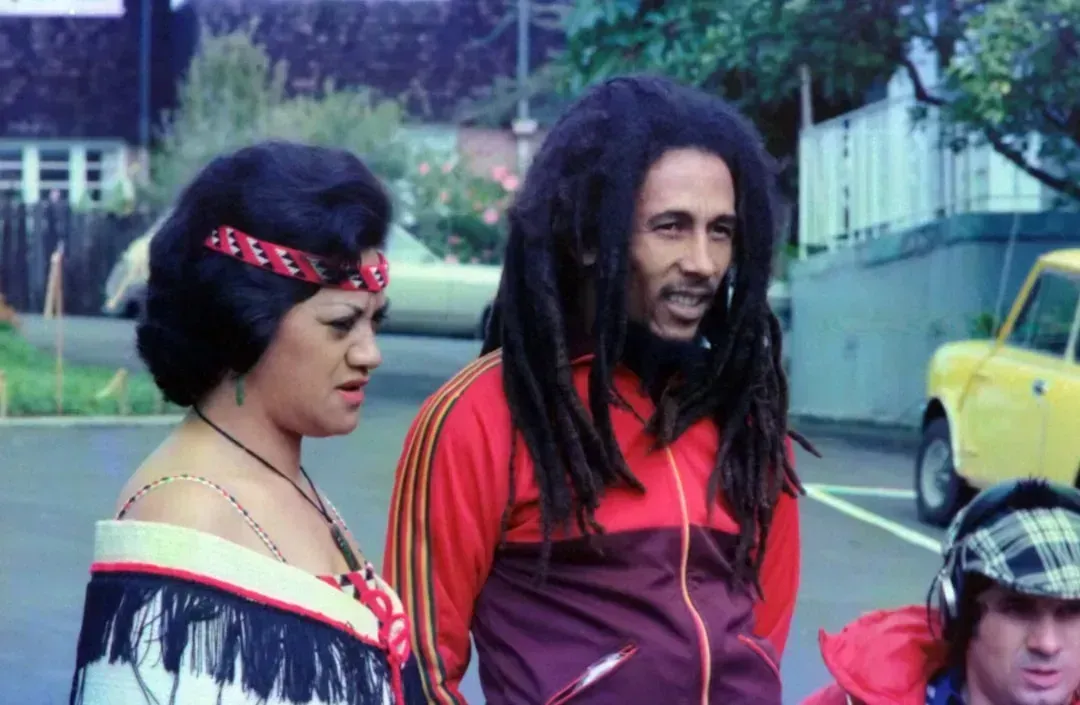
As legend has it, Marley wrote “Redemption Song” around the time in 1979 when he was diagnosed with cancer that would ultimately cause his death in May 1981. It is a reflection on his own life and mortality. Some of the lyrics were also inspired by Jamaican political activist Marcus Garvey. Knowing that context changes everything. This is not just a song. It is a man saying goodbye with extraordinary grace.
What makes this closer so staggering is how small it sounds. Just an acoustic guitar and a voice. No production gloss, no band, no rhythm section. After a career built largely on full-band reggae, Marley stripped it all away for the final track on his final studio album. From epic philosophical pronouncements to quiet, reflective goodbyes, the perfect closing track secures the album’s legacy, dictating the memory the listener walks away with and ensuring the experience concludes with an emphatic, unforgettable statement. “Redemption Song” is the ultimate proof of that idea.
The singles chart tells one story about an artist. The album closer tells another, often the truer one. These twelve tracks are proof that the most powerful music is sometimes the music that never fought for your attention at all. It just waited patiently at the end of the record, knowing you would come back to it. Did you have a favourite closing track that you think deserved a spot on this list? Let us know in the comments.
Partner offer
Planning a trip to Vegas?
Compare hotel rates and show tickets on VEGAS.com.