
History has a funny habit of hiding its most important moments in plain sight. The cures, the breakthroughs, the world-altering revelations – sometimes they arrived not through years of deliberate planning, but because someone spilled something, forgot to clean up, or simply left the lab for the weekend. That alone is remarkable enough.
What makes these stories genuinely unsettling is what came next. Many of these accidental discoveries didn’t light up the world immediately. They were set aside, ignored, ridiculed, or buried under layers of institutional skepticism for years, sometimes for entire decades. Be surprised by what you’re about to read.
1. Penicillin: The Messy Lab That Changed Medicine Forever
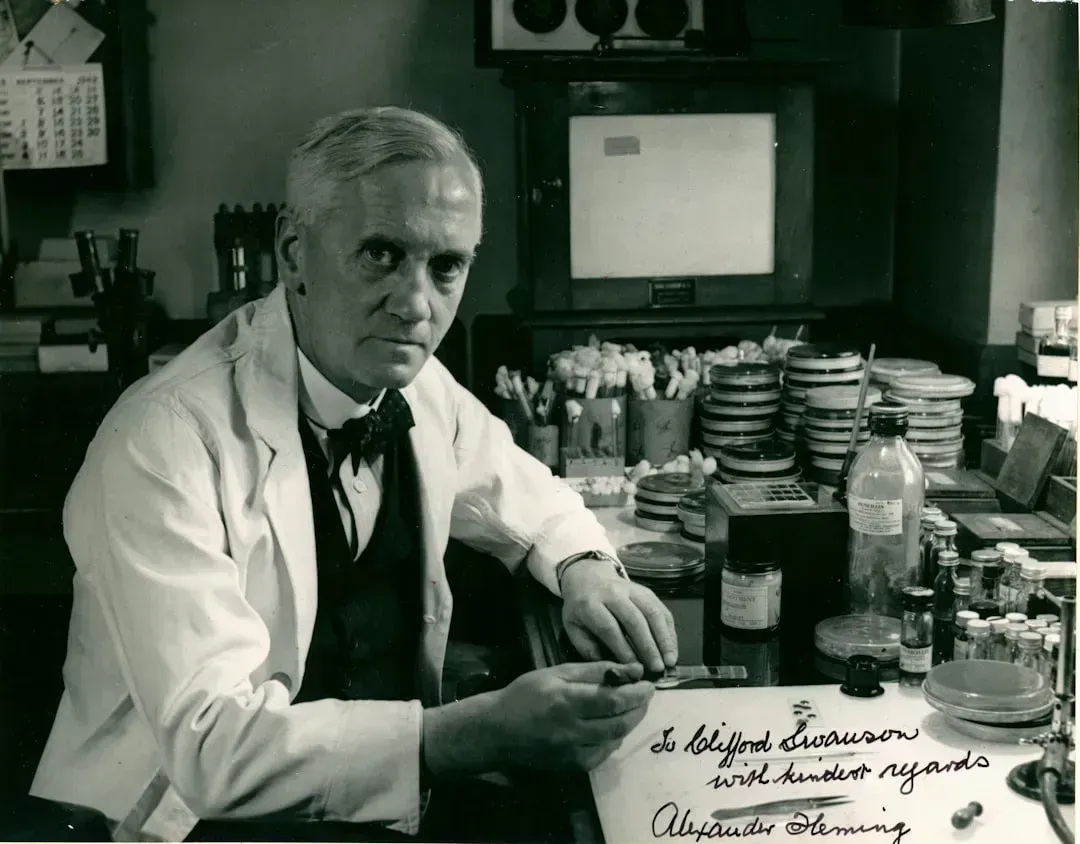
In 1928, a chance event in Alexander Fleming’s London laboratory changed the course of medicine. Fleming’s legendary discovery occurred while he was investigating staphylococcus bacteria. Before leaving for a two-week vacation, a petri dish containing a staphylococcus culture was left on a lab bench and never placed in the incubator as intended. Somehow, a Penicillium mold spore had been accidentally introduced into the medium. The mold killed the bacteria around it. It was, honestly, one of the greatest accidents in human history.
Although Fleming published the discovery of penicillin in the British Journal of Experimental Pathology in 1929, the scientific community greeted his work with little initial enthusiasm. No one read it. His discovery languished for a decade, and in that decade no treatments were developed. No lives were saved. It took 20 years to turn the accidental discovery of penicillin into the world’s first mass-produced drug that could clear a bacterial infection. Think about that – twenty years of people dying from infections that were already, in principle, curable.
2. X-Rays: A Glow in the Dark That Doctors Almost Missed
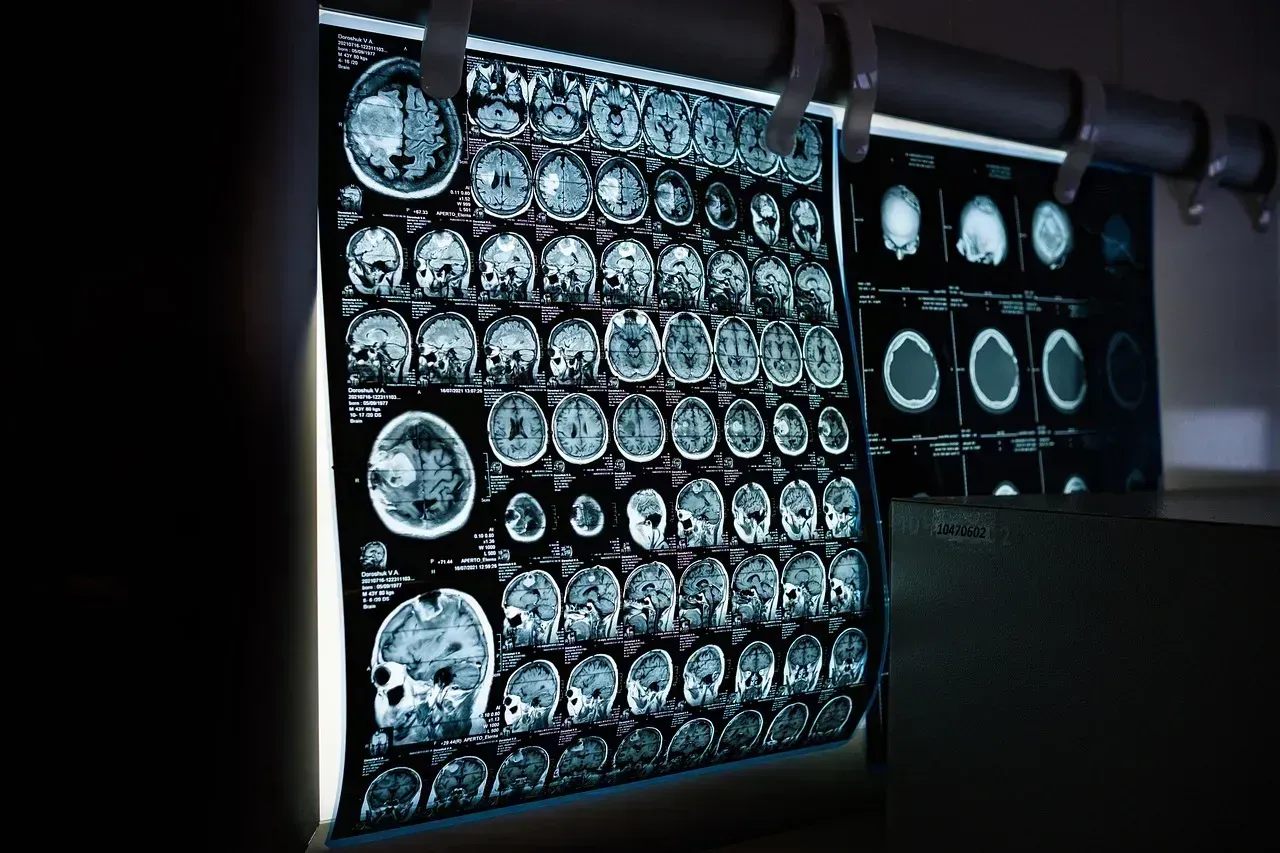
In 1895, a Bavarian physics professor named Wilhelm Roentgen was experimenting with cathode ray tubes in a vacuum and accidentally discovered X-rays. When Roentgen used a high voltage current in a vacuum tube, he observed that the electrodes emitted light. He covered the tube with black paper to test the brightness of the light, and to his surprise a screen coated with barium platinocyanide crystals that he had sitting near his work area started to glow. Further experimentation showed that the rays being emitted could pass through solid objects and leave a shadow of what was inside. He noted these rays could pass through skin and clearly show the structure of bones.
Within weeks, he produced the first X-ray image of his wife’s hand. Medicine would never be the same again. He wasn’t searching for a medical revolution. He was studying physics. Yet for all the immediate wonder the images caused, it took years before the medical establishment fully standardized and adopted X-ray technology into routine clinical practice. From this accidental discovery, use of X-ray technology has gone on to become a standard of care in medical diagnosis and treatment of diseases, such as cancer. A standard of care – that we came this close to never having at all.
3. Radioactivity: Discovered Because the Weather Was Bad
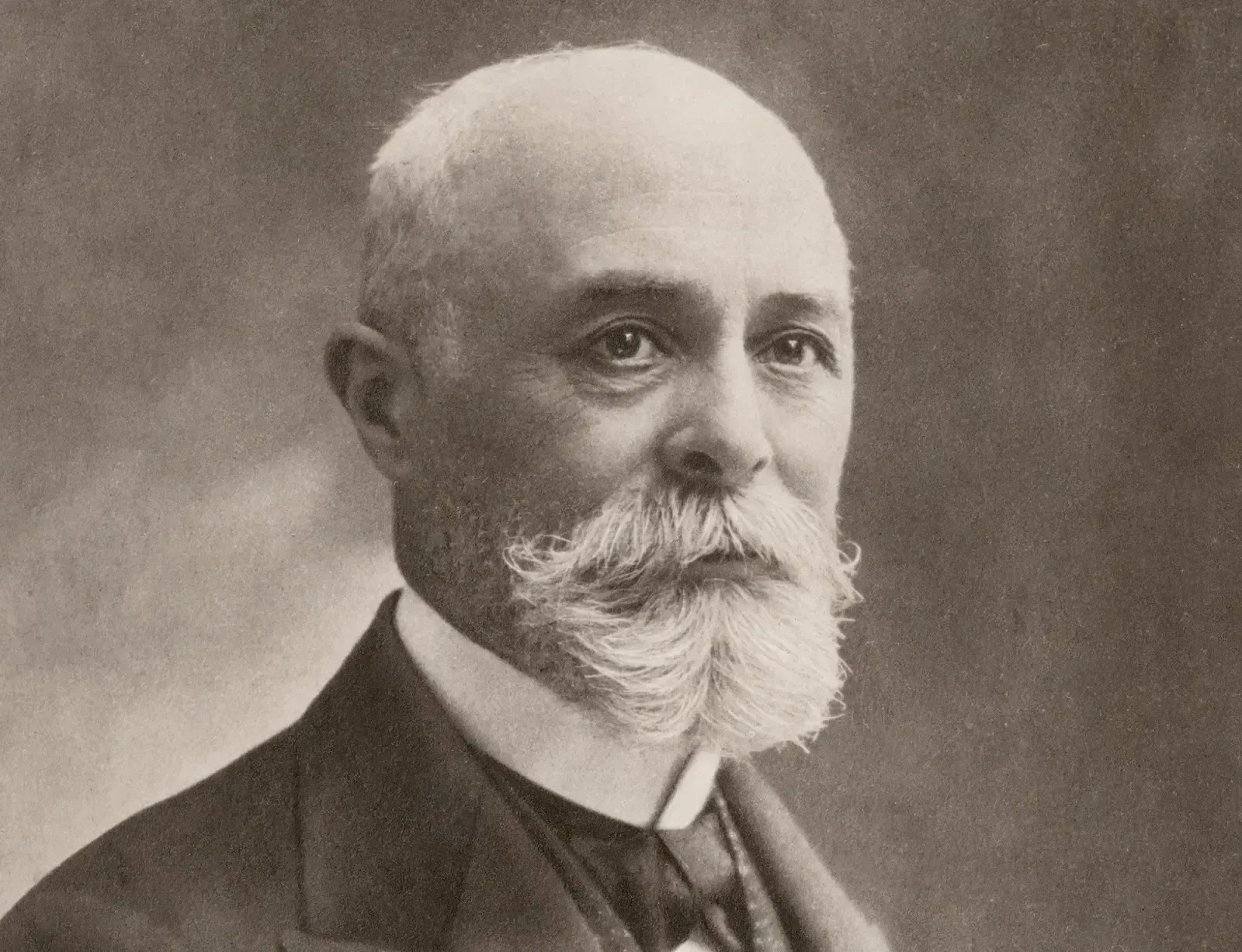
Let’s be real – this one is almost too strange to believe. Henri Becquerel left uranium salts on photographic plates in a dark drawer in 1896, planning to study phosphorescence when the sun came out. Days later, he developed the plates anyway and found they had been exposed despite never seeing sunlight. His impatience with cloudy weather led to the discovery of natural radioactivity and launched nuclear physics. A rainy day in Paris. That’s what cracked open one of the most powerful forces in the universe.
The implications of Becquerel’s discovery were enormous but slow to unfold. The scientific community spent decades wrestling with what natural radioactivity actually meant. It was Marie and Pierre Curie who took his observations and ran with them, yet even their work on radioactive elements faced institutional resistance and funding battles for years. Some research papers go under the radar long after being published, only being noticed by the scientific community decades or even a century after being published. Becquerel’s plates in a drawer are perhaps the most literal possible version of that phenomenon.
4. The Cosmic Microwave Background: Static That Proved the Big Bang
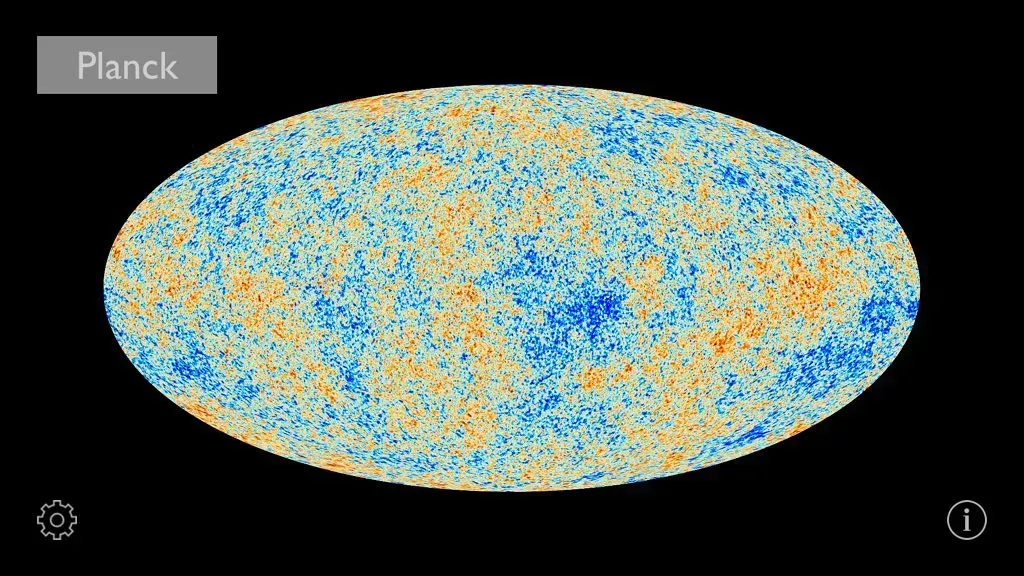
In 1964, scientists Arno Penzias and Robert Wilson were trying to remove strange static noise from a radio antenna in New Jersey. They cleaned pigeon droppings. They checked equipment. The noise remained. That “noise” turned out to be the Cosmic Microwave Background – the leftover radiation from the Big Bang itself. They had accidentally discovered evidence of the universe’s birth. I know it sounds crazy, but two engineers debugging a radio antenna stumbled upon the most significant cosmological evidence ever recorded.
Partner offer
The story of how long this kind of finding can sit unrecognized is remarkable. From a collection of 22 million studies, researchers identified the top 15 so-called “Sleeping Beauties” – now-mainstream studies that include a number of chemistry papers finding new applications in medicine and industry, as well as a theoretical physics paper about quantum entanglement written by Albert Einstein – that physicists were only able to start testing 40 years after its publication. Penzias and Wilson were luckier. Their finding was recognized relatively quickly. Yet the broader pattern is clear: accidental cosmic discoveries often take decades to be fully understood and accepted.
5. H. pylori: The Ulcer Cure That Medicine Refused to Believe

In the spring of 1982, two scientists in Perth, Australia, were on the brink of a medical revolution. Dr. Robin Warren, a pathologist, and Dr. Barry Marshall, a young clinician, were working to unravel the mystery behind chronic gastritis and peptic ulcer disease – conditions long believed to be the result of stress, spicy food, and lifestyle choices. Their journey culminated in one of the most groundbreaking discoveries in modern medicine: the identification of Helicobacter pylori, a bacterium that causes the majority of stomach ulcers and can lead to gastric cancer.
Warren and Marshall showed that H. pylori causes more than 90 percent of duodenal ulcers and up to 80 percent of gastric ulcers. The clinical community, however, met their findings with skepticism and a lot of criticism, and that’s why it took quite a remarkable length of time for their discovery to become widely accepted. To prove the causative role of H. pylori, Marshall famously took a bold step: he drank a petri dish culture containing the bacterium. Days later, he developed gastritis, complete with nausea and vomiting. A biopsy confirmed the presence of H. pylori in his stomach. This self-experiment, while risky, provided strong evidence linking the bacterium to disease. In 2005, Marshall and Warren’s work was finally recognized. The pair were awarded the Nobel Prize in Physiology for their pioneering work. Two decades after the discovery.
6. Cortisone: A Hormone Mistake That Fought Inflammation
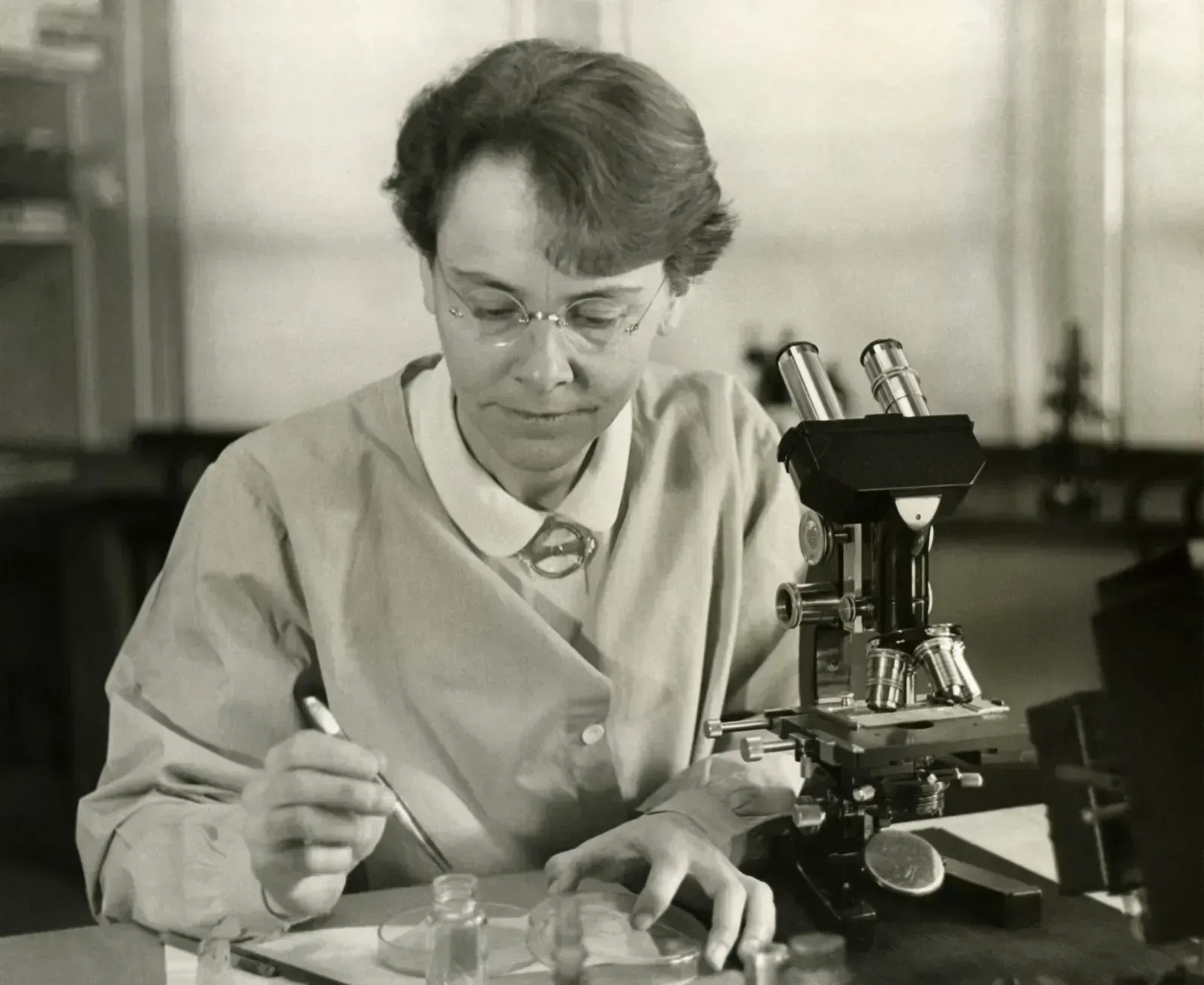
Edward Kendall was trying to isolate hormones from animal adrenal glands in the 1930s when he accidentally created a compound that dramatically reduced inflammation. His “mistake” became cortisone, a powerful anti-inflammatory drug that treats conditions from arthritis to severe allergies. Here’s the thing – Kendall wasn’t looking for an anti-inflammatory at all. He was hunting for something else entirely, and what fell out of his experiment was arguably more useful than what he’d set out to find.
Yet even after Kendall’s initial work, cortisone’s potential as a medical treatment remained largely unexplored for years. It wasn’t until the late 1940s that physician Philip Hench began using it clinically on patients with rheumatoid arthritis, producing results so dramatic they seemed almost unbelievable to the medical establishment at the time. The compound had been sitting in scientific literature for over a decade before anyone truly understood or acted on what it could do. Around 70 percent of biomedical papers include outcomes that would not be expected from what the scientists proposed in their funding applications. Cortisone’s story is perhaps the perfect example of exactly that.
7. The Dead Sea Scrolls: Ancient Texts Hidden for Two Millennia, Then Ignored Again
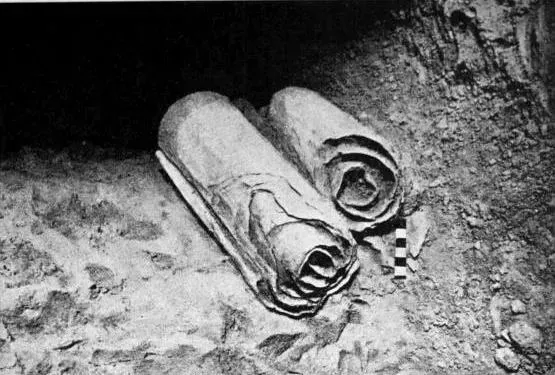
In 1947, a young Bedouin shepherd near the caves of Qumran threw a stone into a dark opening. Instead of hearing it hit the ground, he heard the sound of breaking pottery. Curious, he entered the cave and discovered jars filled with ancient scrolls. These scrolls became known as the Dead Sea Scrolls – some of the oldest biblical texts ever found. A thrown stone. That’s the entire origin story of one of the most consequential archaeological finds in human history.
The Dead Sea Scrolls are among the most historically and religiously significant discoveries of all time and were discovered by complete accident. It is both their content and age that solidify their importance, as they are the oldest known manuscripts relating to a stabilized Hebrew Bible. They were written approximately 2,000 years ago in a variety of languages and scripts, predominantly Hebrew. This was twice the age of what was previously the oldest surviving texts. Despite their staggering importance, the full scholarly analysis and publication of the scrolls was delayed for decades by academic disputes, restricted access, and institutional gatekeeping. It wasn’t until the 1990s that the complete collection became available to all researchers – nearly fifty years after that shepherd threw his stone.
What all seven of these stories share is not just the accident itself, but the astonishing gap between discovery and recognition. Science has a bias toward the expected, toward what fits the current model, toward what the funding bodies and established voices are already prepared to believe. Sometimes the truth has to wait for the world to catch up with it. The next breakthrough sitting in someone’s neglected lab notebook might already exist right now, in 2026, completely overlooked. That thought is both unsettling and – somehow – a little thrilling. What other world-changing discovery do you think might still be buried somewhere today?
Partner offer
Planning a trip to Vegas?
Compare hotel rates and show tickets on VEGAS.com.