Some songs don’t just play – they project. Close your eyes during the right track and you’re not just hearing music anymore: you’re watching something. A slow chase through a rainy city. A relationship ending in an empty apartment. A spaceship drifting through silence. The best cinematic album tracks do this without a single frame of film to back them up.
What follows is a collection of twelve album cuts – not film scores, not soundtracks, not songs written to accompany anything but themselves – that somehow manage to construct full, vivid narratives in the listener’s imagination. They’re from different eras, different genres, and different emotional worlds. The only thing they share is that uncanny ability to make you see something when you close your eyes and press play.
1. Radiohead – “Exit Music (For a Film)” (OK Computer, 1997)
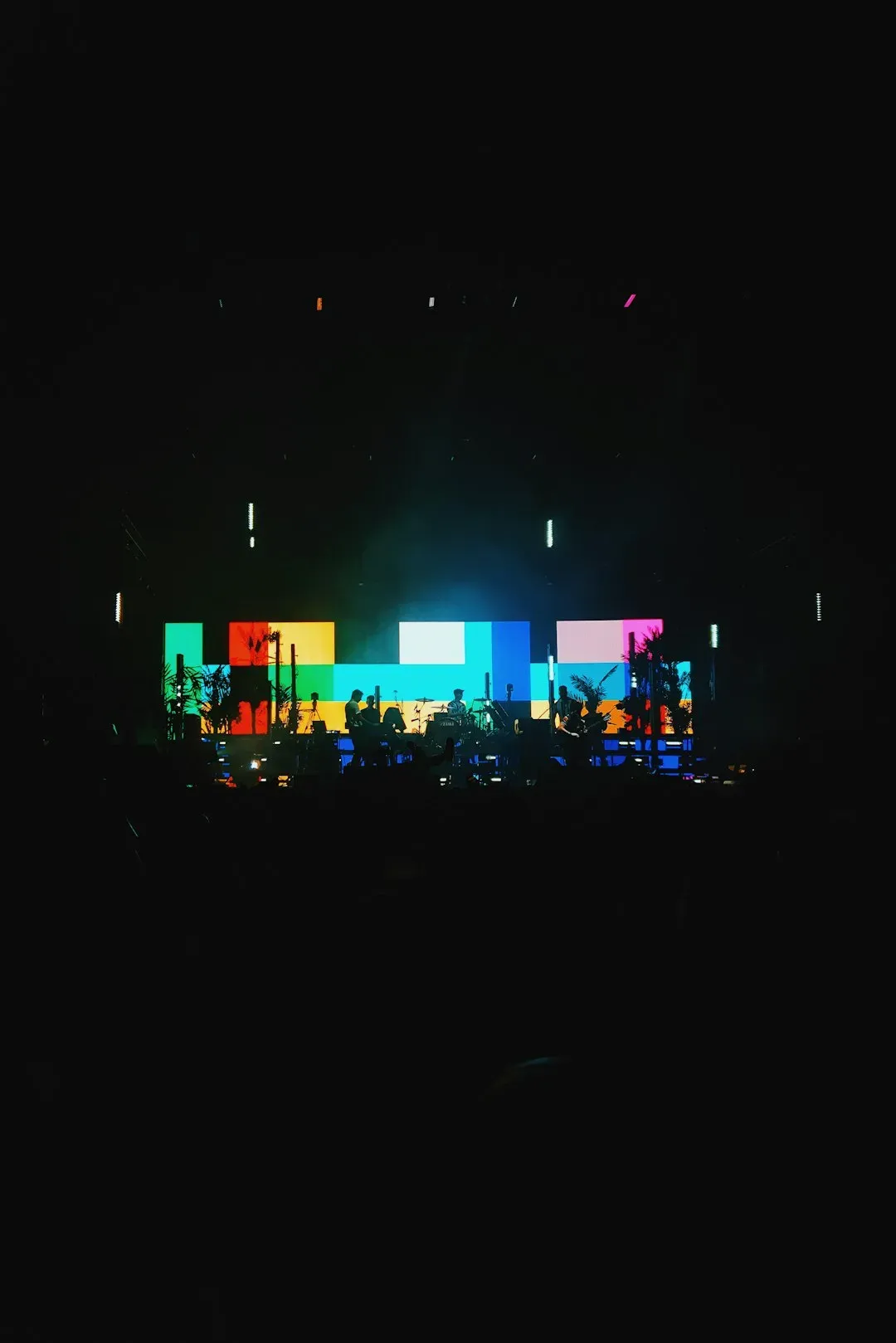
This is a song by the English rock band Radiohead from their third album, OK Computer, written for the 1996 film Romeo + Juliet, and features acoustic guitar, Mellotron choir, drums, and fuzz bass. The arrangement is sparse at first, with Thom Yorke’s vulnerable vocals floating above gentle guitar, creating a sense of isolation and dread – as layers build, soft piano, swelling bass, and eventually a thunderous crescendo that feels like a storm rolling in.
The band recorded the track in St Catherine’s Court, a manor in Bath, Somerset, and the vocals feature natural reverberation achieved by recording on a stone staircase. In Vulture, Mark Hogan named “Exit Music” the 20th-best Radiohead song, writing that “of several Radiohead songs with cinematic titles, this soaring escape fantasy reigns as the surest bet to leave theatregoers with goosebumps.” It earns that reputation every single time.
2. Portishead – “Roads” (Dummy, 1994)
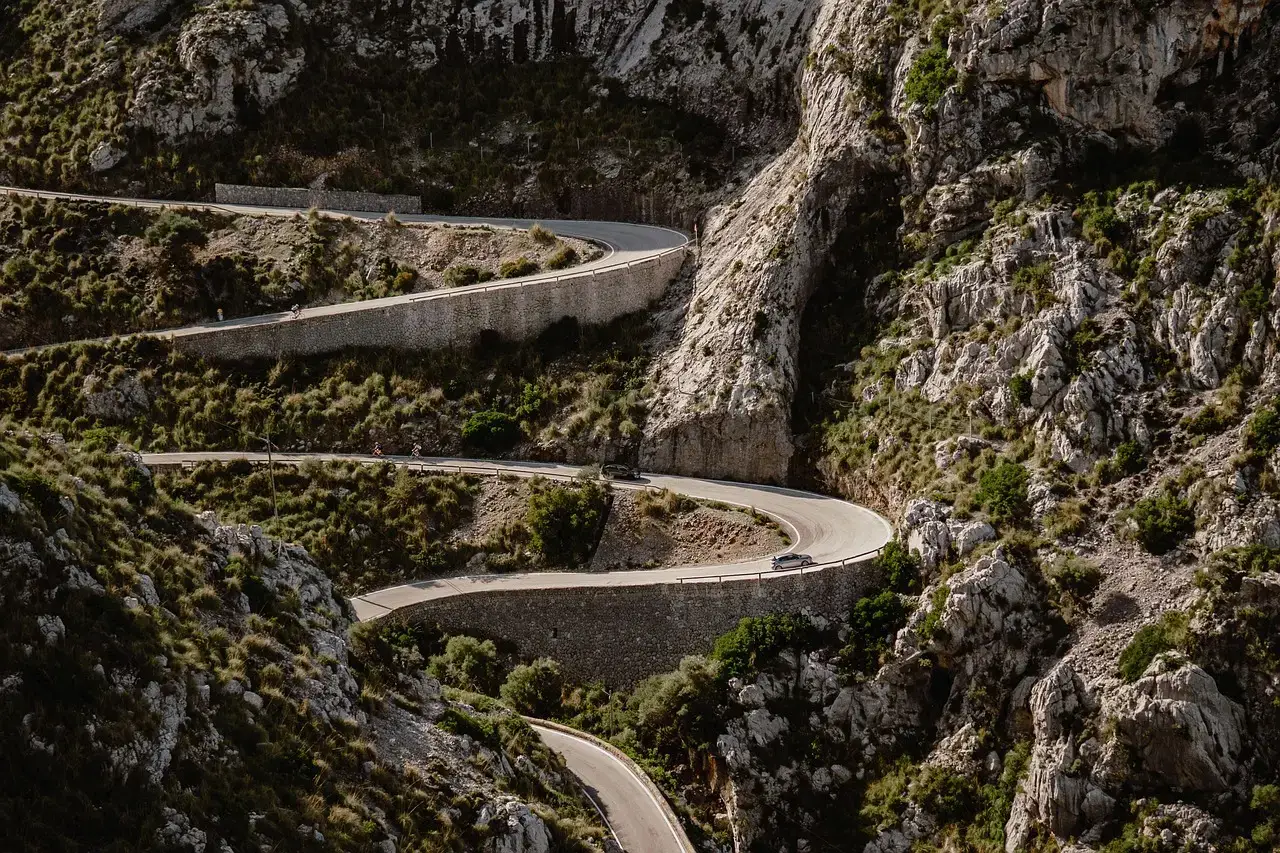
Portishead’s “Roads” is pure emotional noir – a soundtrack for heartbreak and longing. Beth Gibbons’ voice is fragile and haunting, floating above minimal electronic beats and melancholy piano. The song’s cinematic quality comes from its ability to create space and tension, letting every note linger like a pause in a conversation – it’s music for late nights, empty streets, and the kind of sadness that feels almost beautiful.
The song’s slow pace and aching melodies make it perfect for scenes of loss or the quiet unraveling of a love story. Pitchfork has noted its frequent use in film and TV to underscore moments of vulnerability and emotional intensity. There’s a specific quality to trip-hop that dissolves the line between music and image, and “Roads” is the clearest example of that.
3. Radiohead – “Motion Picture Soundtrack” (Kid A, 2000)
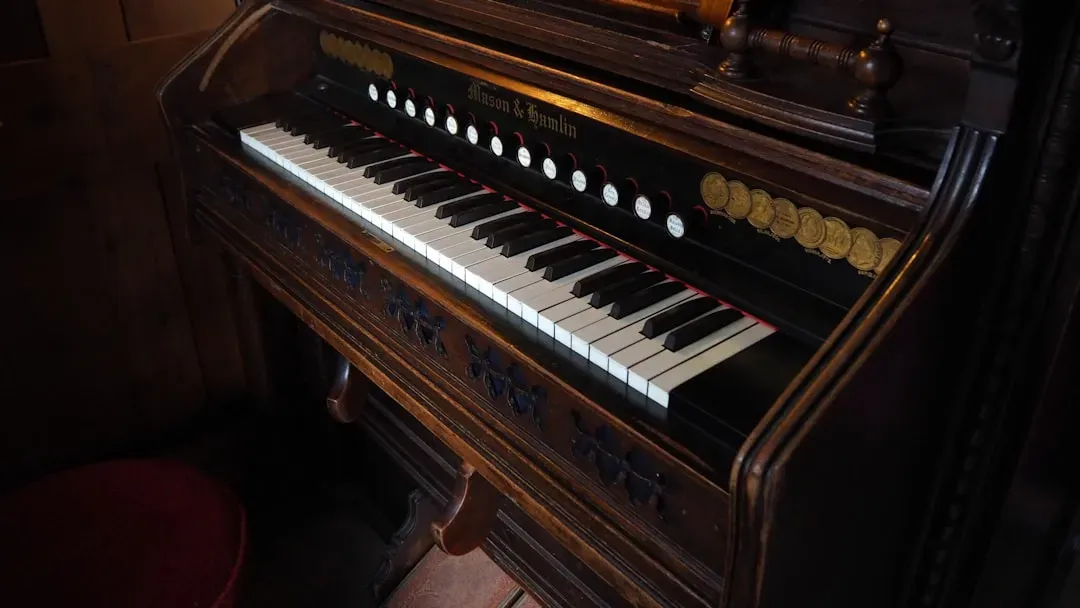
Despite the title, “Motion Picture Soundtrack” was not composed for any specific movie. The track makes considerable use of a pedal organ and layered harps, and seems to be mimicking the type of elegiac music you’d hear during the climactic scene of a sad film – an idea further supported by the lyrics. The band employed non-standard rock instrumentation on Kid A, and this song features a harp glissandi that makes a serene and attention-grabbing entrance in the second verse.
Kid A is a barren wasteland of an album whose spare lyricism and alien sounds still feel like visions of a horrifying near-future nearly three decades later. “Motion Picture Soundtrack” closes that album not with a bang but with something closer to dissolve – the visual equivalent of watching a final scene fade slowly to white while strings swell out of the darkness.
4. M83 – “Wait” (Hurry Up, We’re Dreaming, 2011)
Dreamlike and melancholic, “Wait” by M83 feels like drifting through the cosmos in a coming-of-age film. The song unfolds slowly, layering gentle synths, ethereal vocals, and shimmering guitar to build a soundscape full of longing and hope. It’s the kind of song you might hear during a slow-motion montage or the quiet climax of a movie about growing up and letting go – it has even been used in films like The Fault in Our Stars for its emotional resonance.
Music reviewers have praised M83 for their ability to create vivid sonic worlds, and “Wait” is a prime example, often topping lists of the most cinematic tracks of the last decade. The emotional build in the final minute feels like a heart bursting open – the kind of moment you’d expect to see on the big screen as stars streak by overhead. Anthony Gonzalez has always made music that sounds like it belongs on a screen, and this one sits at the very top of that particular instinct.
5. Pink Floyd – “Echoes” (Meddle, 1971)
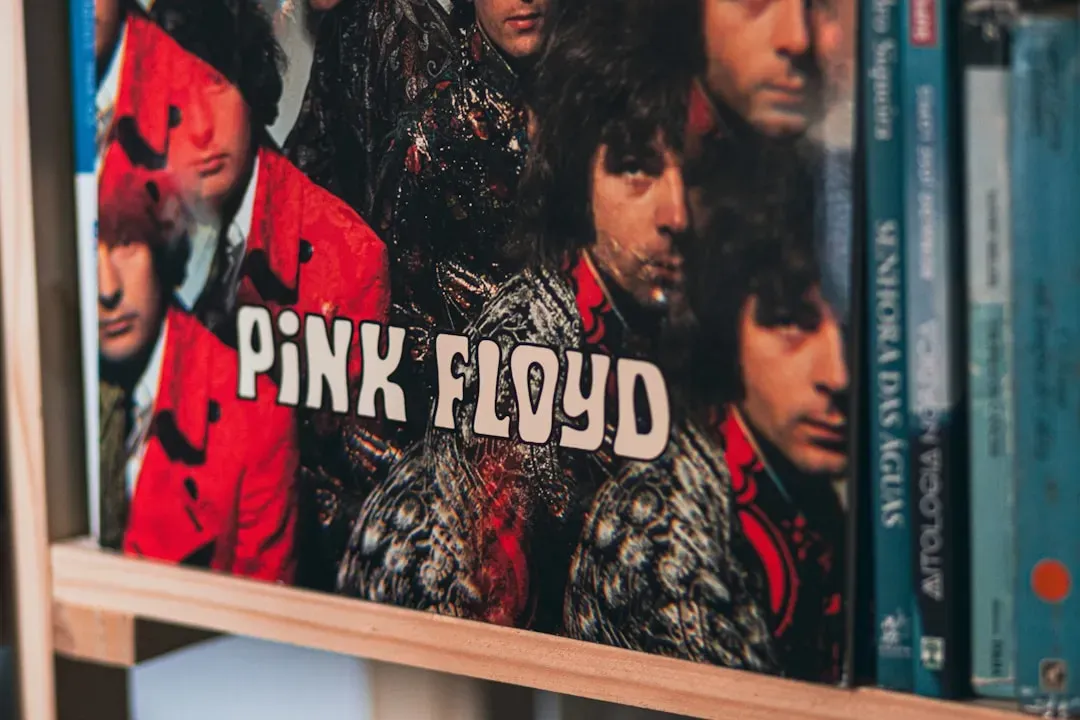
Few tracks in rock history carry the visual weight of “Echoes,” the twenty-three-minute closer to Pink Floyd’s Meddle. It opens with a single underwater ping, and from that one note the band conjures tidal drifts, seabird cries, and long stretches of oceanic drift before finding its way back to something resembling a melody. There’s an argument to be made that Pink Floyd’s most immersive album work is thick with paranoia, madness, and a certain despair about the world and how it functions.
The track was famously synced, apparently by accident, with the “Jupiter and Beyond the Infinite” sequence from Kubrick’s 2001: A Space Odyssey – a coincidence that tells you everything about how naturally the song maps onto visual storytelling. It unfolds in chapters, not verses, and every one of those chapters belongs to a different genre of imagined film.
6. Sufjan Stevens – “Casimir Pulaski Day” (Illinois, 2005)
Illinois is a sprawling album, pretty much feature-length, that goes over various landmarks, notable figures, and events from the state’s history. Listening to it feels like experiencing various short films about Illinois retold as songs, and the resulting album is extremely immersive. “Casimir Pulaski Day” is perhaps the most devastating of these short films, built around a young man watching a friend die of cancer over the course of a single season.
Banjo and guitar carry the whole weight of the narrative – there are no orchestral swells or dramatic climaxes, just Stevens’ voice and the terrible specificity of his detail. The image of sunlight coming through a hospital window at a particular time of day stays with you long after the song ends. It’s the kind of filmmaking that costs nothing to make and leaves marks that last for years.
Partner offer
7. Arcade Fire – “Reflektor” (Reflektor, 2013)
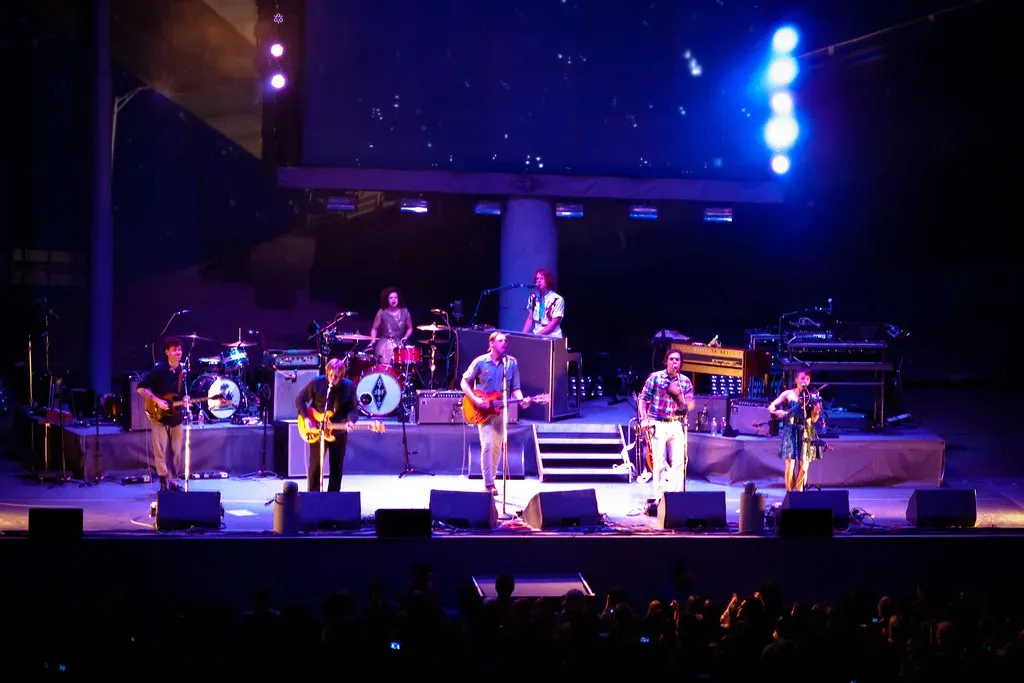
Arcade Fire’s “Reflektor” is a vibrant, eerie dance track that plays like the final act of a surreal, end-of-the-world movie. The song’s eclectic blend of percussion, synth, and distorted vocals creates a sense of urgency and introspection, as if you’re dancing through a dream that’s about to end. It runs for nearly eight minutes, cycling through moods and tempos the way a film cycles through scenes.
The song drew heavily from the Haitian Vodou ceremony known as Rara, with producer James Murphy contributing the propulsive rhythm section. David Bowie lends backing vocals, a detail that adds another layer of theatrical weight. The whole thing feels like a masquerade unraveling in slow motion – glamorous, paranoid, and impossible to look away from.
8. Scott Walker – “Jackie” (Scott, 1967)
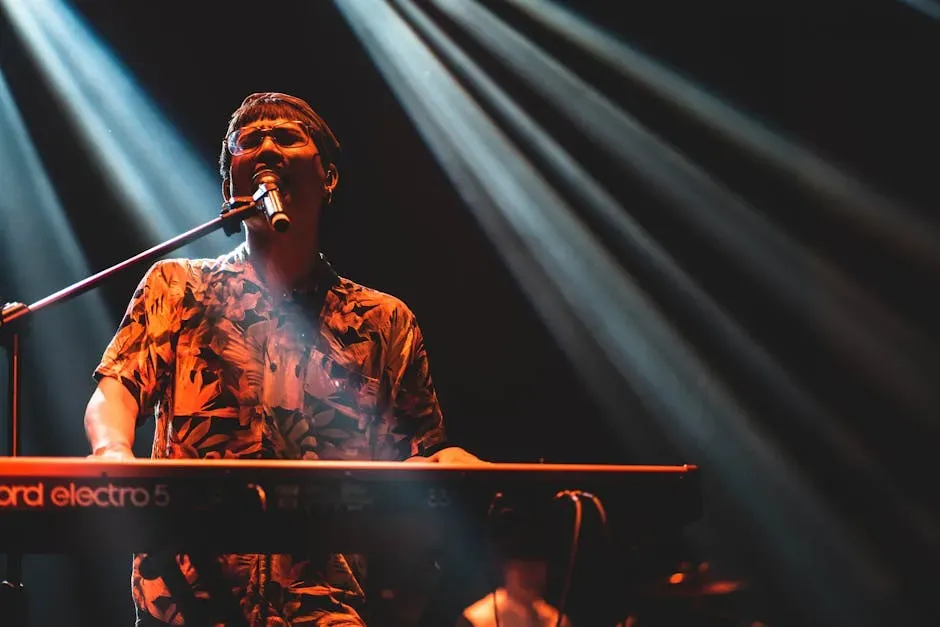
Scott Walker had a career that most artists spend entire lifetimes chasing, and then he quietly walked away from it to make something harder and stranger. “Jackie,” an early translation of a Jacques Brel chanson, carries all the drama of a golden-age European art film in just over two minutes. Walker’s baritone moves through the melody like a camera slowly tracking across a foreign city.
The strings, the clipped rhythm section, the slight theatrical excess – it all evokes the feeling of watching a Nouvelle Vague film without any actual images. Walker understood that the voice itself can be a lens, and “Jackie” is proof of that. There’s an entire movie implied in every vowel he extends past the point where another singer would have stopped.
9. Massive Attack – “Teardrop” (Mezzanine, 1998)
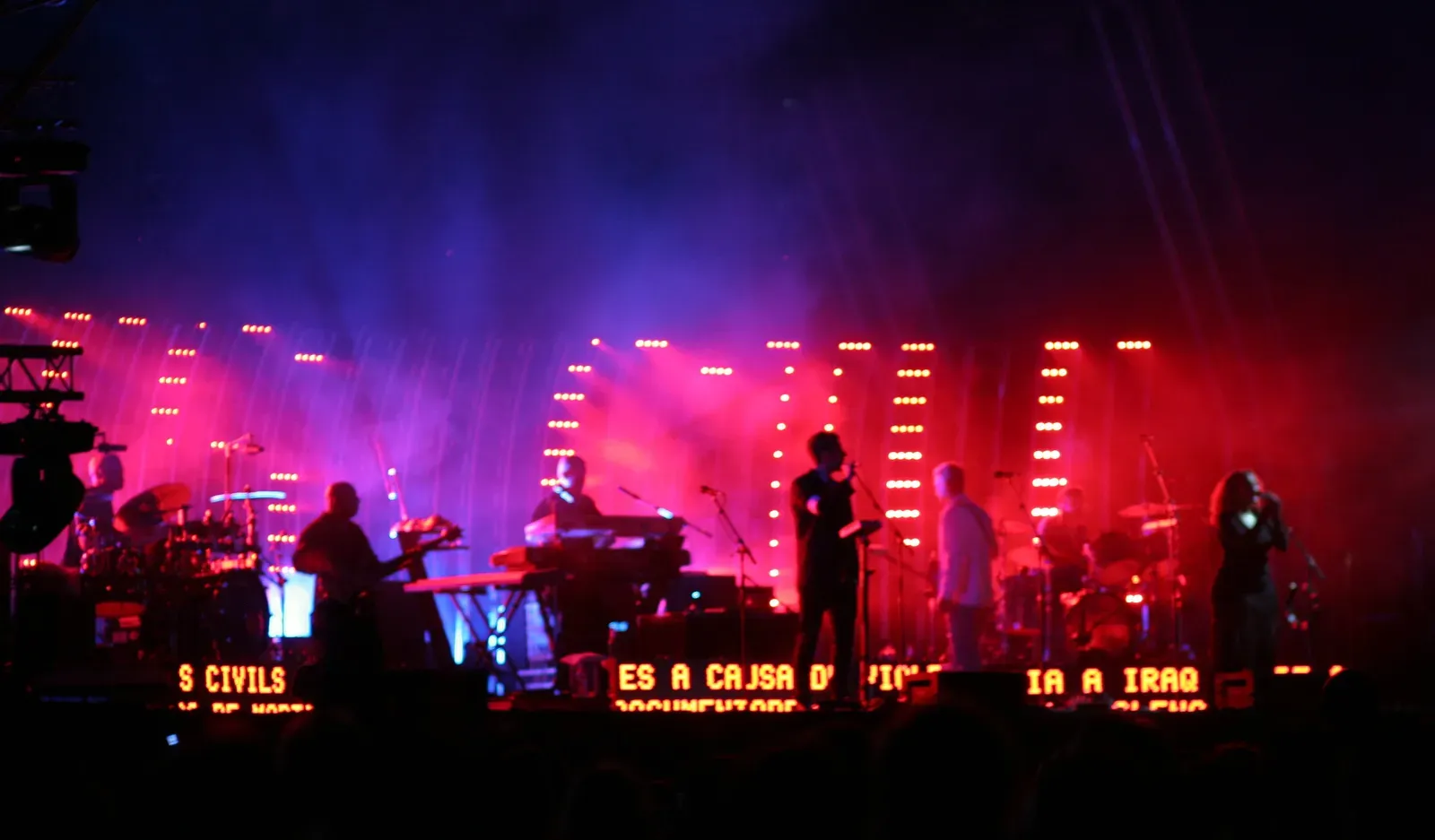
The opening piano figure of “Teardrop” is one of the most recognizable instrumental phrases of the past three decades – clinical, tender, and somehow both at once. Elizabeth Fraser’s vocal performance is in a category of its own: layered, abstract, and closer to texture than lyric for long stretches of the song. Together they create a piece of music that feels like the score to a film that doesn’t exist yet but should.
Massive Attack were building dense sonic architectures across all of Mezzanine, but “Teardrop” is where the cinematic quality reaches its clearest point. Outside of film, there exist many musical acts whose music can best be described as cinematic, and whose work has gone a great way in enlarging the impact of cinema. Massive Attack sit near the top of that list, and “Teardrop” is the reason producers and directors kept reaching back to them for decades.
10. Ennio Morricone’s Influence Heard Through Nick Cave – “The Carny” (Your Funeral… My Trial, 1986)
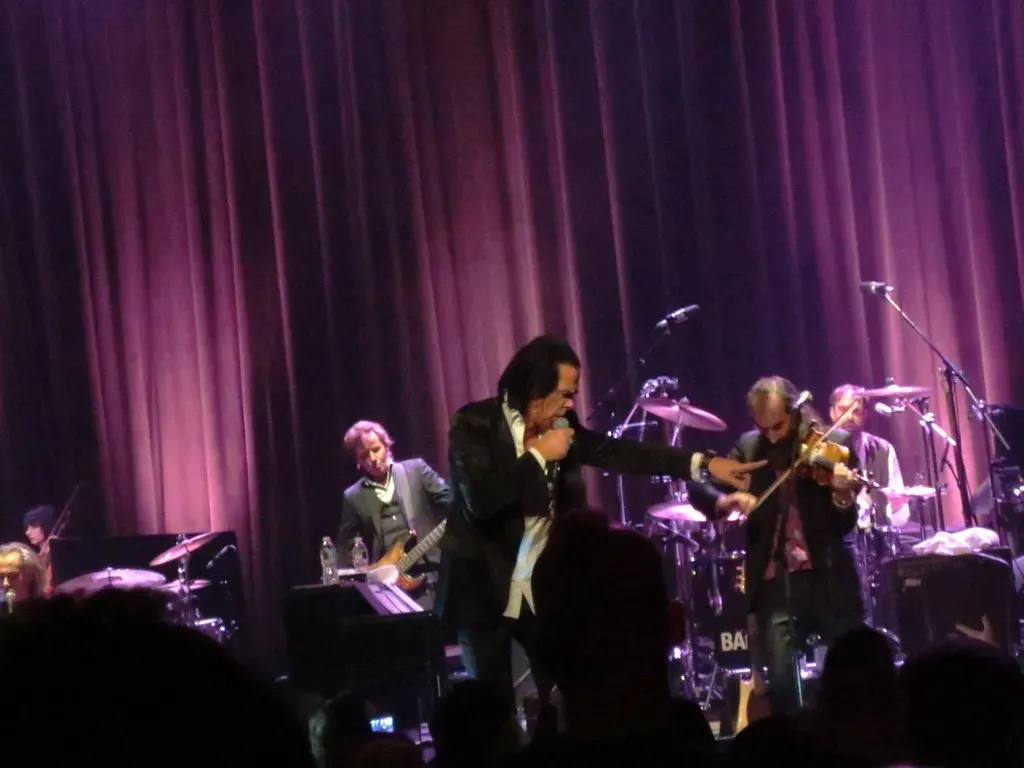
Nick Cave and the Bad Seeds have always written songs that feel ripped from somewhere between a novel and a film, and “The Carny” is their most cinematic achievement from the 1980s. It tells the story of a dead carnival man whose horse refuses to leave his grave, and it does so with the languor and moral weight of a Southern Gothic short story. The greatest music in gangster and crime epics carries swelling, nostalgic melodies, the kind of songs that carry decades of hurt and the yearning of the better life once promised. Cave achieves the same effect without any film attached.
The instrumentation is sparse and funereal: bowed bass, organ, piano. Cave’s delivery is unhurried, more narrator than singer. By the time the song ends you’ve watched something – a procession, a burial, a moral about what happens when you wander too far from what you know. It’s a short film with no camera.
11. Sigur Rós – “Svefn-g-englar” (Ágætis byrjun, 1999)
Sigur Rós built their entire career on the idea that music can be visual without being programmatic, and “Svefn-g-englar” – from their breakthrough record Ágætis byrjun – is where that philosophy first became undeniable. The track opens with bowed guitar that sounds almost vocal, then builds with aching patience through more than ten minutes of pure atmosphere. Vocalist Jónsi sings in Hopelandic, an entirely invented, wordless language, which paradoxically makes the song feel more emotionally direct than any lyric could.
The result is music that requires you to supply the images yourself, and you will – the brain simply can’t hear something this deliberate and slow without reaching for something visual to attach to it. Its sound world feels cinematic and in transit, like watching landscapes shift from a train window, using texture, rhythm, and timbre to encode lived experience rather than relying on melody alone. That description was written about another record entirely, but it fits “Svefn-g-englar” perfectly.
12. Godspeed You! Black Emperor – “Storm” (Lift Your Skinny Fists Like Antennas to Heaven, 2000)
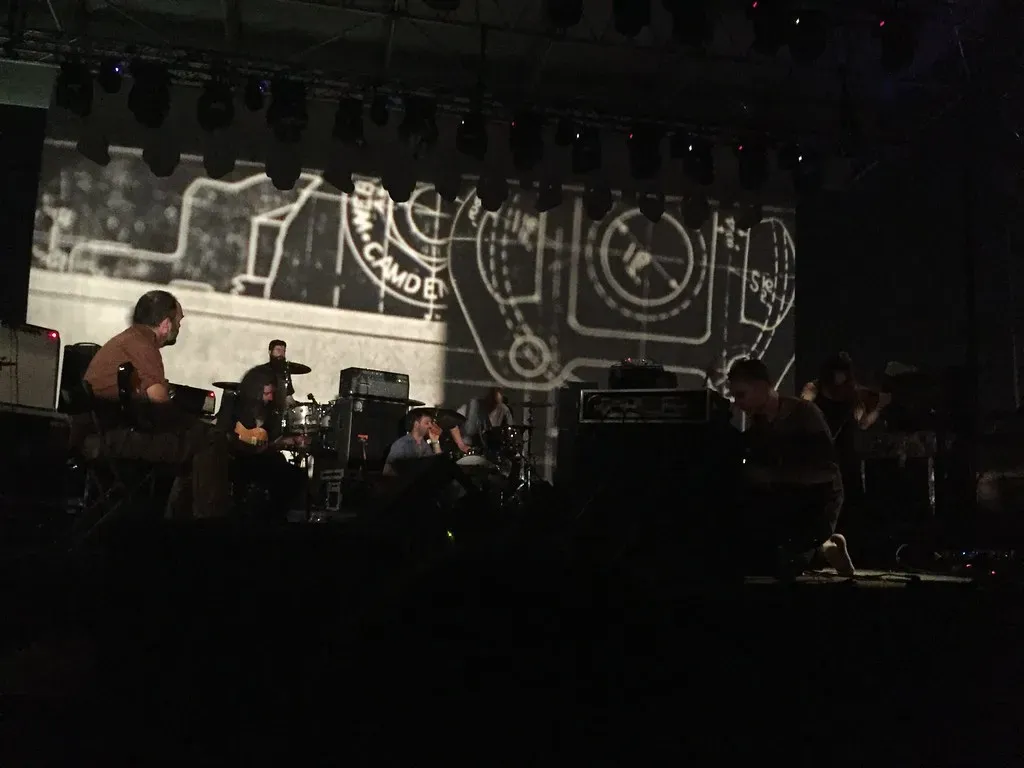
Godspeed You! Black Emperor don’t write songs so much as they write films for the ears. “Storm,” the sprawling centrepiece of their double album Lift Your Skinny Fists Like Antennas to Heaven, runs to over twenty-two minutes and passes through so many distinct emotional territories that it functions less like a track and more like a feature-length experience. It opens with field recordings, drifts into delicate piano, then slowly builds through layers of strings and guitar until the whole thing becomes something close to overwhelming.
Rejecting conventional ambient tropes, this kind of music is immersive, reflective, and deeply human – an album that asks to be felt and remembered rather than merely heard. “Storm” asks the same of its listener. There’s no dialogue, no lyrics, no narrative provided – just the architecture of one and the certainty, by the final note, that you’ve watched something unfold that you couldn’t quite describe but will never entirely forget.
What all twelve of these tracks share is an understanding that music doesn’t need a screen to create images – it just needs the right combination of space, patience, and intentionality. The movie plays in the listener’s head because the composer trusted that it would. That trust, quietly, is its own kind of artistry.
Partner offer
Planning a trip to Vegas?
Compare hotel rates and show tickets on VEGAS.com.