


Fame usually comes with a one-way ticket out of town. Once the paychecks get big enough, the standard move is a mansion in Los Angeles, a loft in New York, or a gated compound somewhere warm and anonymous. Yet a surprising number of A-listers have quietly done the opposite, buying property just minutes from where they grew up and building a life there instead of running from it. The reasons vary. Some stars stayed close to aging parents or childhood friends. Others simply never found a place that felt as much like home as the block or the ranch or the neighborhood that raised them. Here are twelve well-known names who chose roots over relocation.
1. Dolly Parton keeps her life centered in Sevierville, Tennessee

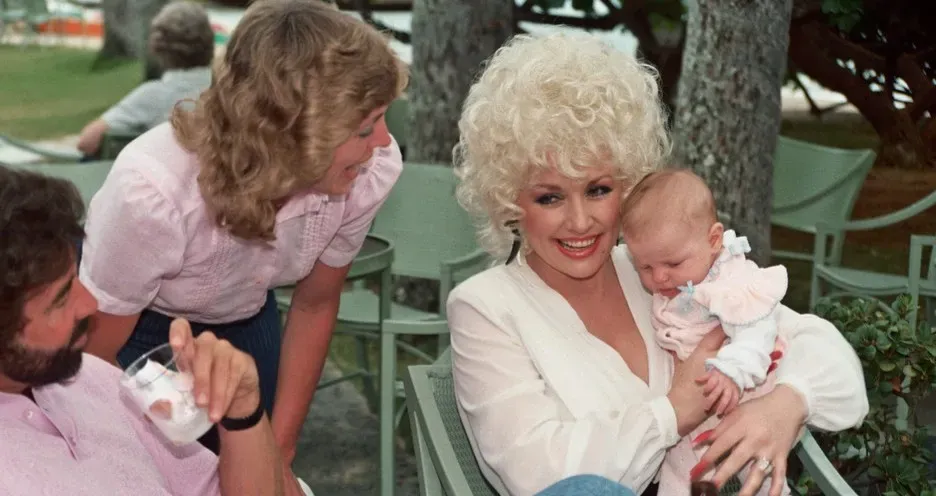
Dolly Parton grew up poor in a one-room cabin in Sevierville, Tennessee, the fourth of twelve children, and she has never really left. Sevierville is the hometown of internationally known singer, songwriter and entertainer Dolly Parton, who grew up there as the fourth of 12 siblings. Even after decades of stardom, she launched her career from that same corner of East Tennessee rather than Nashville. While many assume Dolly found her voice in Nashville, her professional career actually launched right here in East Tennessee.
Her connection to the area shows up in bricks and mortar, not just sentiment. In the 1980s, Dolly became a silver screen icon with the hit movie 9 to 5, but her most significant move was reinvesting in her community, opening Dollywood not just as a theme park, but as a way to provide stable jobs and a bright future for the people of Sevier County. The town has returned the affection, unveiling a bronze statue of her outside the county courthouse decades ago that still draws fans today.
2. LeBron James never gave up his house near Akron, Ohio

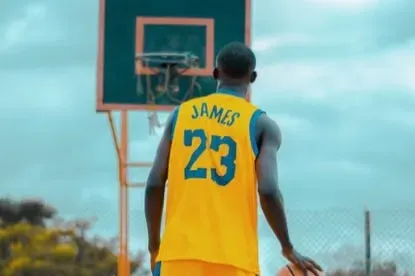
LeBron James has played professional basketball in Cleveland, Miami, and Los Angeles, but the house he bought as an eighteen-year-old rookie still stands. Shortly after the Cleveland Cavaliers selected him as the first overall pick in the 2003 NBA Draft, he reportedly paid $2.1 million for a Bath Township property just northwest of Akron. He later tore it down and rebuilt it into something far larger, but he never sold it.
That property, now valued in the tens of millions, sits just outside the city that shaped him. He has never sold his Ohio home, and that one decision speaks louder than any award ever could. According to James, no matter how much his career has grown, he’s still “just a kid from Akron, Ohio.”
3. Eminem stayed just a few miles from where he grew up in Detroit

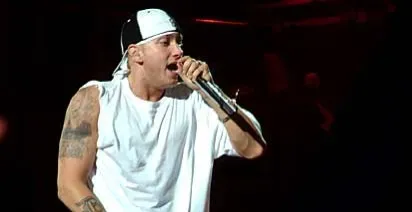
Marshall Mathers built one of the biggest catalogs in hip-hop history without ever really leaving Metro Detroit. The rapper grew up in a small house on Dresden Street, south of 8 Mile Road, in Detroit, and to stay true to his roots, he moved just a few miles down the block from where he grew up after becoming successful. That relocation landed him in Clinton Township, a quiet suburb north of the city.
The current home, purchased two decades ago, remains his primary residence. Eminem reportedly bought his next property in September 2000, when he spent a little under $1.5 million for a 1996-built home in Clinton Township, a suburb northeast of Detroit. Fans still gather outside the gated neighborhood hoping for a glimpse of the rapper who has spent years turning his hometown into a recurring character in his lyrics.
4. Matthew McConaughey rebuilt his life around Austin, Texas

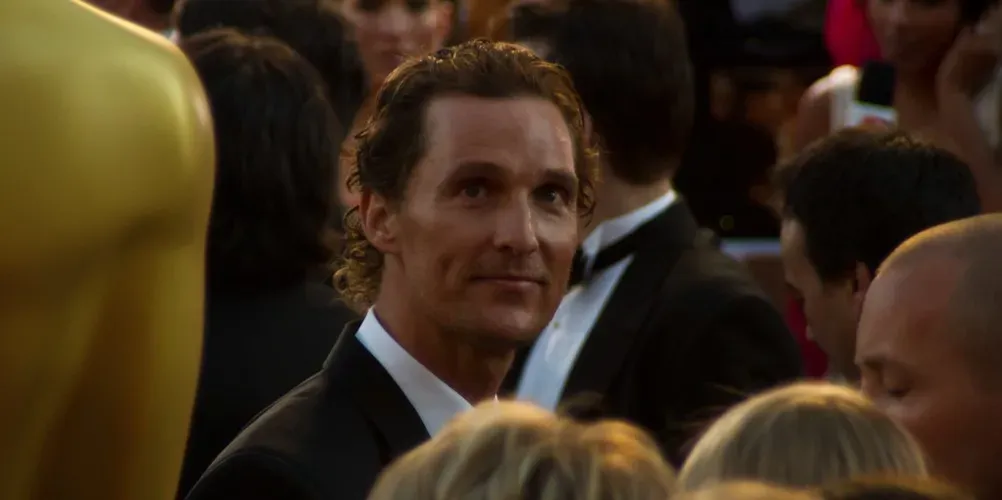
Matthew McConaughey spent years bouncing between Malibu mansions and Hollywood Hills rentals before deciding none of it felt right. In 2014, McConaughey left Malibu, California, for Austin, Texas, with his family, saying on Today that Texas had always been home for multiple reasons. The pull back to his home state had been building for years.
Family played a major role in that decision. McConaughey was born in Uvalde, Texas, and grew up in Longview, but was inspired to raise his family in Austin since his mother and two older brothers still reside in the Lone Star State. He now lives on a lakefront estate that he expanded in 2012, and by his own account, the slower pace of Texas life suits him far better than California ever did.
5. Jeff Daniels runs a theater company in his Michigan hometown

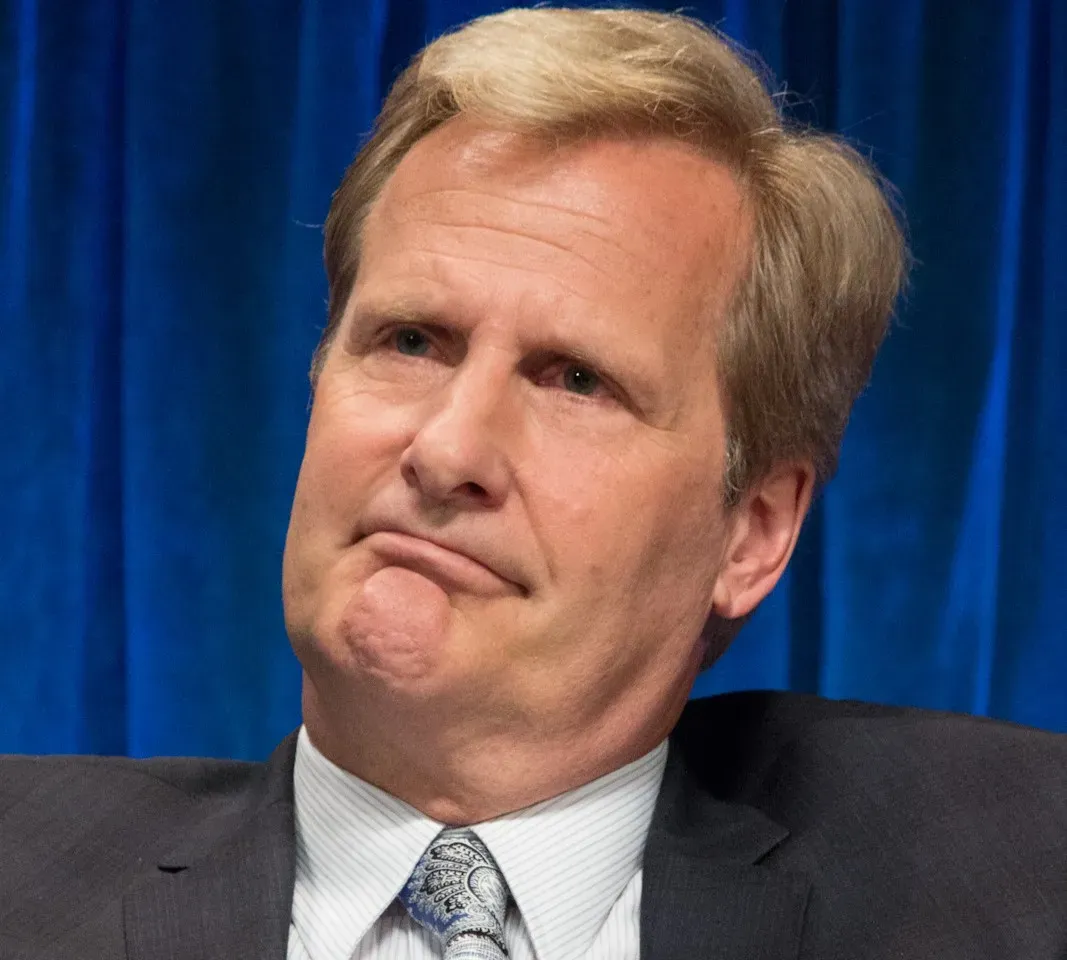
Jeff Daniels has built a decades-long acting career without ever trading his small-town Michigan roots for a bigger zip code. Jeff Daniels resides with his wife and three children in his hometown of Chelsea, Michigan. Chelsea is a modest town west of Ann Arbor, nothing like the industry hubs where most actors of his stature end up settling.
What sets Daniels apart is that he did not just move back, he invested in the community. In addition to running errands, he can be seen running the company he founded in the small town, the Purple Rose Theatre. The nonprofit theater has become a genuine cultural fixture in the region, staging original work and giving local actors a stage that would not otherwise exist there.
6. Zach Galifianakis retreated to a farm in rural North Carolina

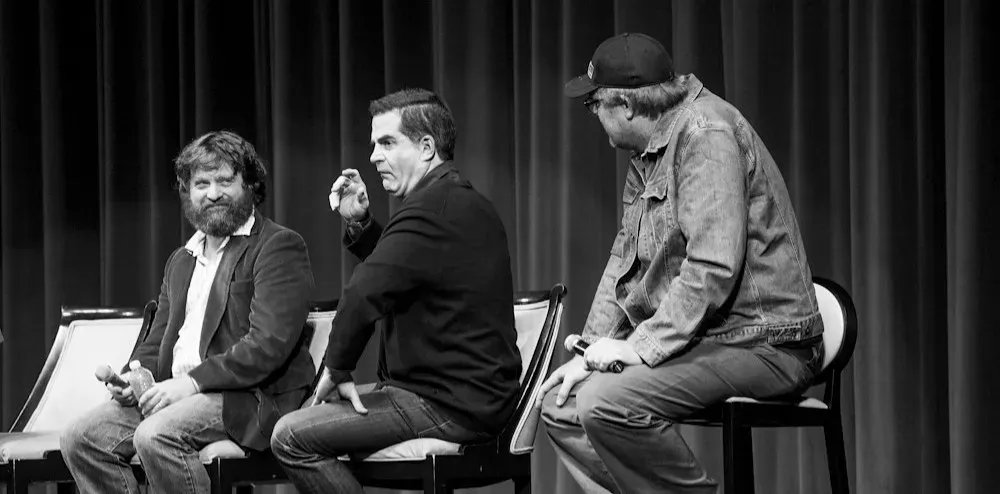
Zach Galifianakis is one of the more unusual entries on this list simply because his hometown is not a city at all. The comedian grew up in Alleghany County, North Carolina, and has since bought a large farm there, where he spends most of his time. It is about as far from a Hollywood soundstage as an actor of his fame can get.
Galifianakis has been famously private about his life away from work, but the general shape of it is well known. He splits his time between film sets and the mountain farmland where he was raised, choosing rural quiet over the industry circuit whenever his schedule allows. It is a lifestyle that fits his low-key, deadpan public persona more than any red carpet ever could.
7. Kendrick Lamar built his entire identity around Compton

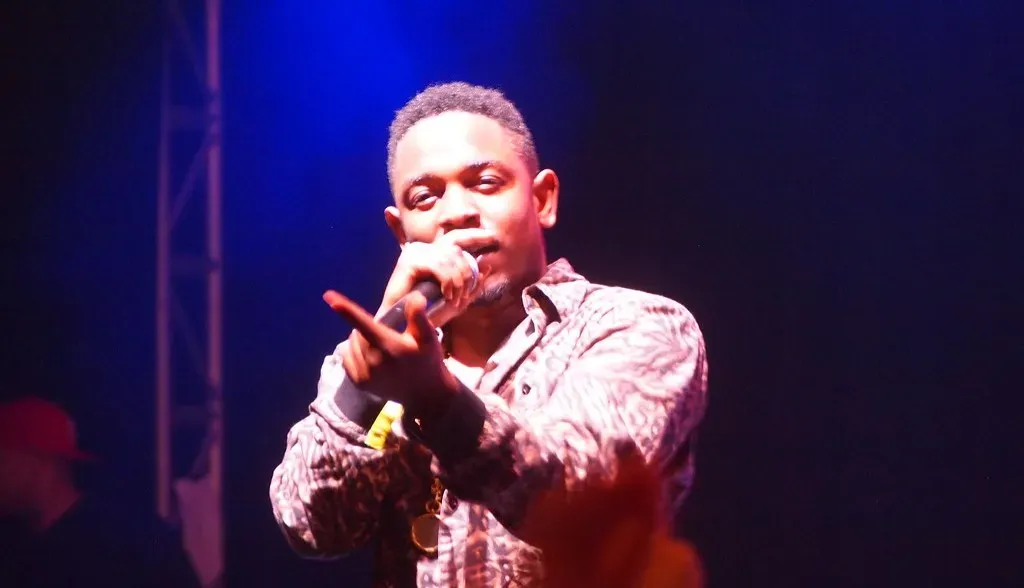
Few artists have tied their public image to a single neighborhood as tightly as Kendrick Lamar has tied his to Compton, California. Kendrick grew up in Compton and has consistently centered the Los Angeles neighborhood in his music and interviews, even saying he does it “for Compton,” reinforcing how deeply tied his identity is to his hometown. That loyalty runs through nearly every album he has released.
Partner offer

Rather than distancing himself from Compton as his career grew, Lamar has done the opposite, using his platform to keep the city in the national conversation. His music constantly returns to the streets, people, and pressures of the neighborhood that raised him, and by most accounts he has maintained real, ongoing ties there rather than treating it as a talking point.
8. Megan Thee Stallion never stopped calling Houston home
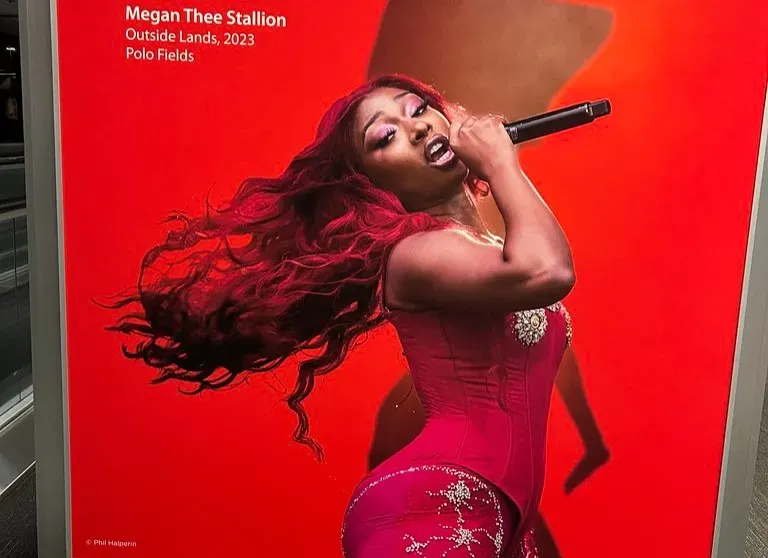
Megan Thee Stallion has become one of the biggest names in hip-hop without abandoning the city that shaped her sound. Megan constantly credits her hometown, Houston, for her confidence and persona and owns a mansion in the Texas city. The Houston influence runs through her slang, her flow, and the way she talks about her own rise.
Owning a home in Houston rather than relocating entirely to Los Angeles or New York keeps her connected to the community that supported her early on. It also lines up with a broader trend among Southern rappers who choose to reinvest in their home cities rather than treat them as a launching pad to be left behind.
9. Bad Bunny keeps his primary base in San Juan, Puerto Rico

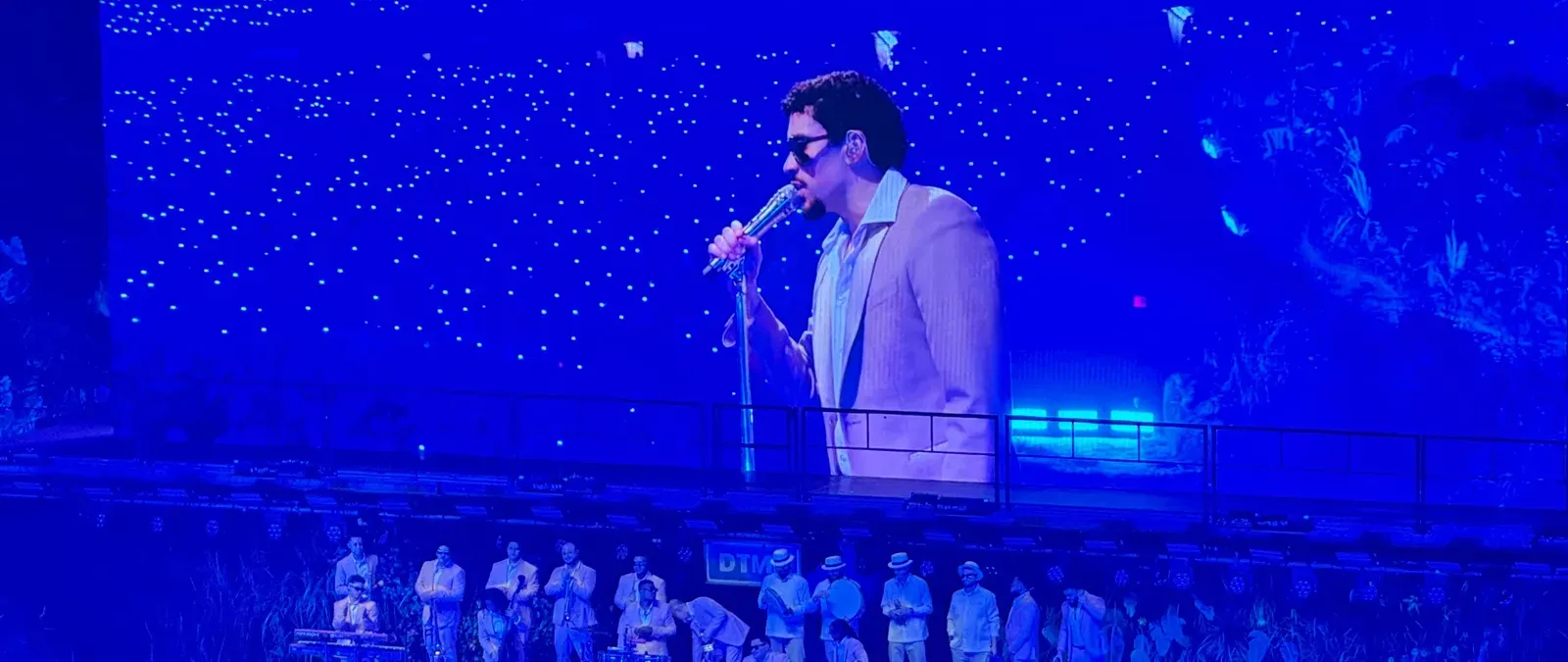
Bad Bunny has become one of the most streamed artists in the world, yet he has resisted the pull toward Miami or Los Angeles that pulls in so many global stars. Benito is a global superstar at this point, though he continues to maintain his property in his hometown of San Juan and reps Puerto Rico as his primary residence and inspiration, especially in his latest album. That choice has become part of his public identity as much as his music.
His albums regularly reference the island’s culture, struggles, and pride, and staying rooted there gives those references a credibility that would be harder to maintain from a mainland mansion. For an artist whose entire brand is built on representing Puerto Rico on the world stage, living there year-round is less a lifestyle choice than a statement.
10. Chance the Rapper moved back to Chicago after trying Los Angeles

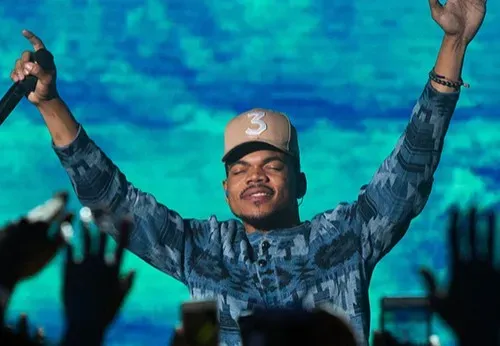
Chance the Rapper tried life on the West Coast early in his career and decided it was not for him. Chance the Rapper moved back to his hometown after a brief stint in Los Angeles that he described in the foreword to a poetry collection as “ungodly.” Chicago pulled him back almost immediately.
Since returning, he has leaned hard into civic life rather than treating the city as background scenery. In addition to giving back extensively to local causes, the rapper has mused about running for mayor, tweeting “thinkin maybe I should” after then-mayor Rahm Emanuel announced he would not seek re-election. Whether or not he ever runs for office, the gesture says a lot about how seriously he takes his hometown ties.
11. Drake is building his dream house in Toronto

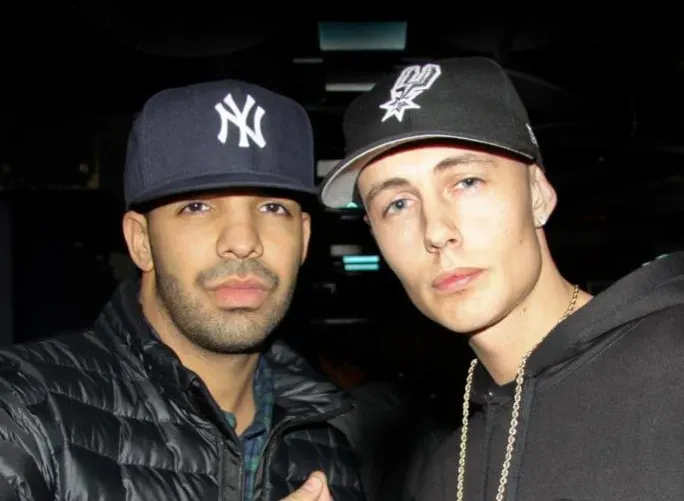
Drake has spent years rapping about Toronto, and he has backed that loyalty up with real estate. According to reports, the rapper and actor is currently constructing his dream house in his hometown Toronto, Ontario. For an artist with the resources to live anywhere on the planet, staying in his home city is a deliberate choice rather than a default.
Toronto has practically become a brand extension of Drake’s career, showing up constantly in his lyrics, his OVO clothing line, and his public appearances at Raptors games. Building a permanent, large-scale residence there rather than in Los Angeles or Miami suggests the connection runs deeper than marketing.
12. Bruce Springsteen has stayed close to the Jersey Shore he sings about

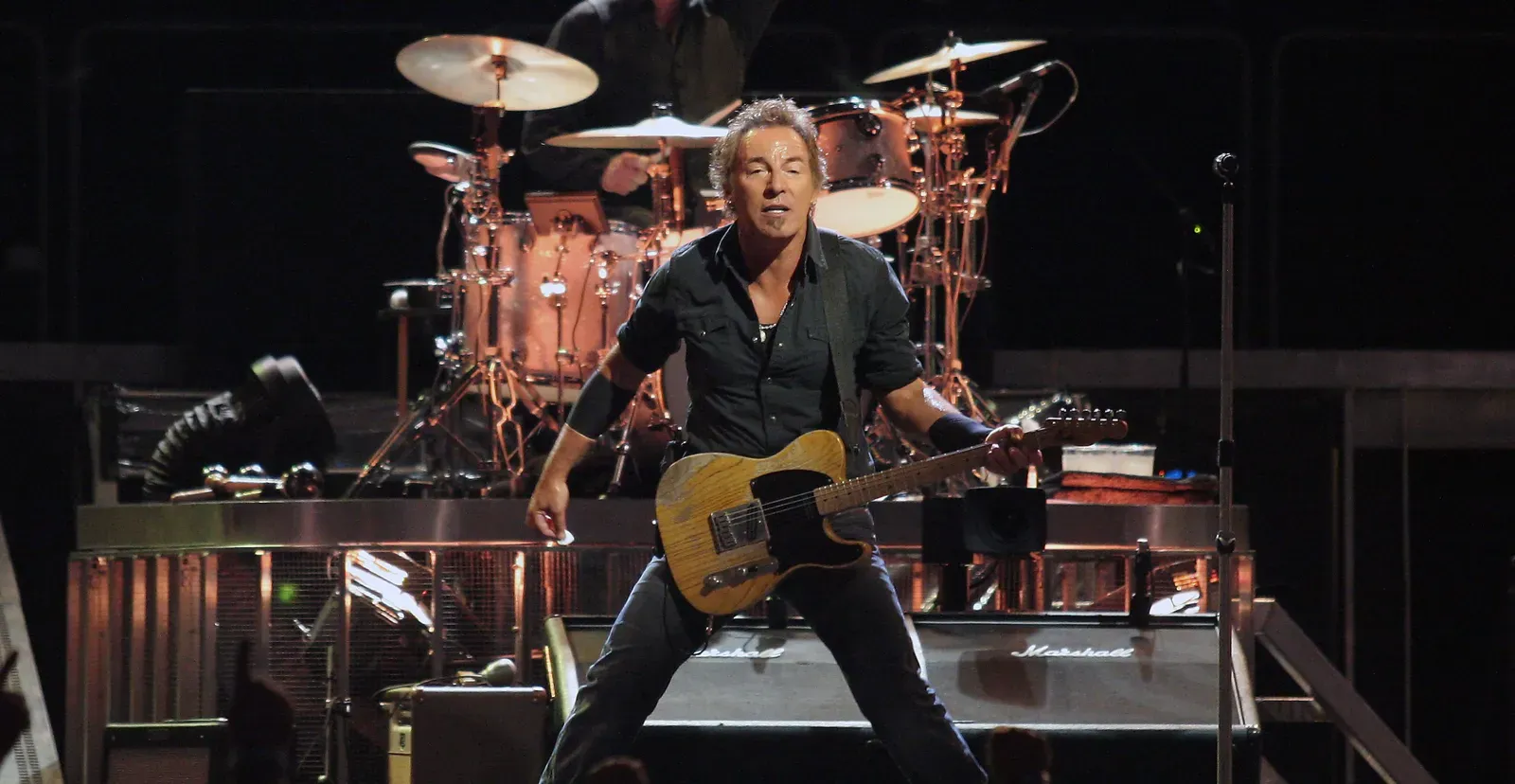
Bruce Springsteen’s entire catalog is built on the working-class towns of the New Jersey Shore, starting with the place he grew up. Springsteen grew up in Freehold, New Jersey. Unlike many musicians who leave regional identity behind once they hit stadiums, Springsteen has spent his whole career writing about the same stretch of coastline.
He has remained based in New Jersey through five decades of touring and recording, a choice that has become inseparable from his public image as a chronicler of ordinary American towns. For an artist whose songs are named after highways, boardwalks, and diners in his home state, living somewhere else would undercut the very persona that made him famous in the first place.
What ties all twelve of these stories together is not nostalgia so much as a genuine sense of place. Money and fame gave every one of these celebrities the option to disappear into anonymous luxury somewhere far from where they started, and each of them chose not to take it. Staying close to home turned out to be less about sentiment and more about identity, the kind that no amount of success seemed worth trading away.
Partner offer
Planning a trip to Vegas?
Compare hotel rates and show tickets on VEGAS.com.


