Some films have a strange relationship with time. Decades pass, tastes shift, and entire genres fall in and out of fashion, yet a select group of movies keeps pulling people back with the same grip they had on first release. These are not merely old films that have survived. They are films that continue to genuinely delight, surprise, and move their audiences, however many times those audiences have already sat through them.
The twelve films below span different eras, genres, and sensibilities. What they share is a kind of craftwork that refuses to go stale, where the writing, the performances, and the atmosphere come together in ways that feel alive rather than preserved. Each one is worth another evening of your time.
Casablanca (1942)
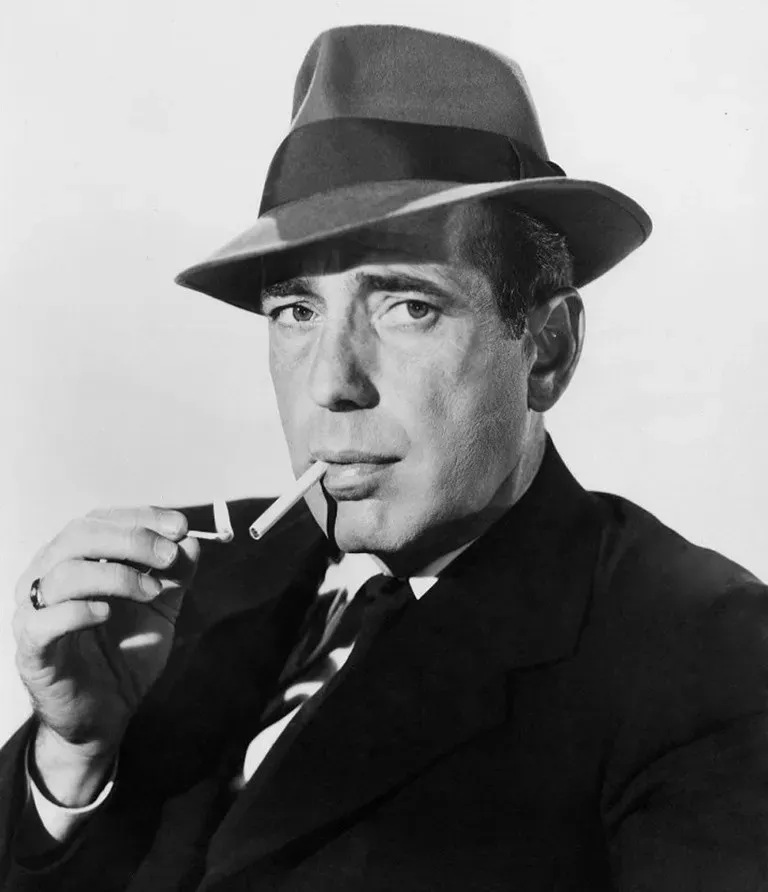
Casablanca is one of those rare films that manages to walk the line between artistic merit and popular appeal with almost no visible effort. Set against the backdrop of World War II, it follows Rick, a world-weary nightclub owner who finds himself in a complicated position when his former lover Ilsa arrives and begs him to help her husband escape the Nazis. The moral weight of Rick’s choice gives the film a gravity that most romance pictures never reach.
It is one of those 1940s films that will never get old, a historic cinematic achievement that fans still watch religiously at least once a year. The story and characters are nuanced and compelling from start to finish, the exquisitely written dialogue is endlessly quotable, and the performances are fantastic. Casablanca remains one of the most iconic films in Hollywood history, largely because of its unforgettable dialogue and deep emotional connection.
Singin’ in the Rain (1952)
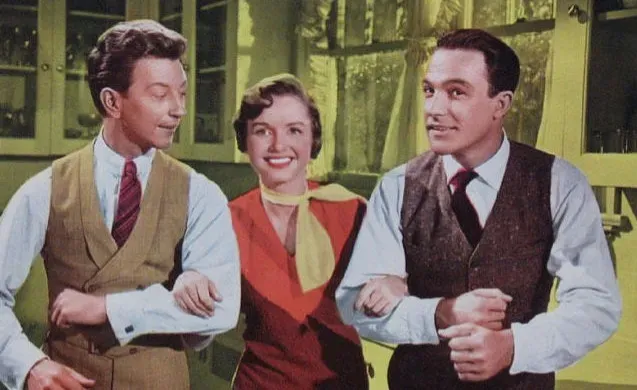
Singin’ in the Rain is a 1952 American musical romantic comedy directed and choreographed by Gene Kelly and Stanley Donen, starring Kelly, Donald O’Connor, and Debbie Reynolds. It offers a lighthearted depiction of Hollywood in the late 1920s, with the three stars portraying performers caught up in the transition from silent films to talkies. The comic friction between the glamorous old world and the terrifying new one gives every musical number an extra charge.
Film historians note that Singin’ in the Rain was not initially expected to become a classic, as MGM treated it as a routine musical project during production, and it was only a modest hit when first released. Today it is frequently cited as the greatest musical film and one of the greatest films ever made. Its most unforgettable sequence remains Kelly’s performance of the title song, with the image of him swinging from a lamppost in the rain, delighted at falling in love, standing as one of the great images in film history.
Rear Window (1954)
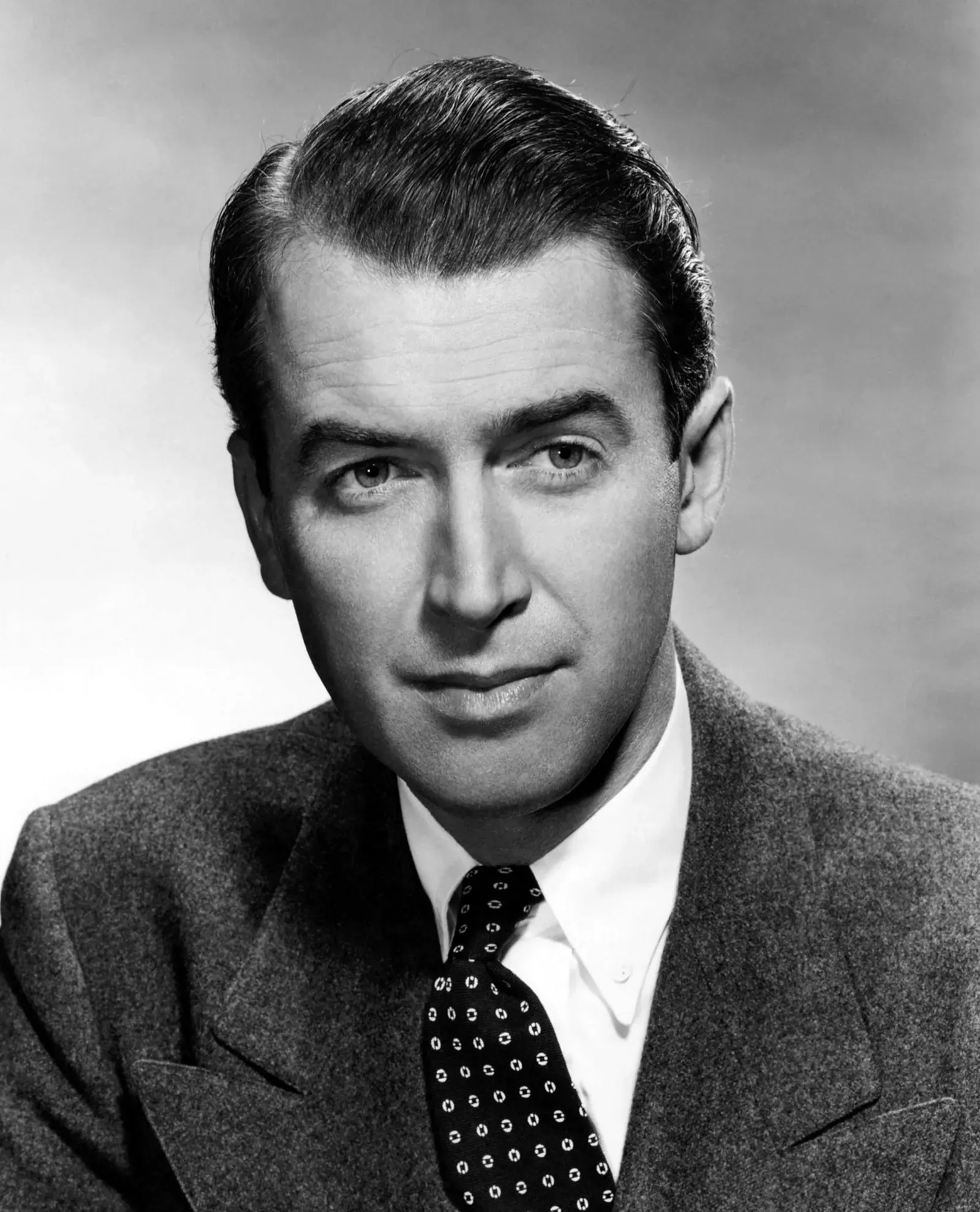
Alfred Hitchcock’s 1954 thriller has a premise so economical it almost sounds like a constraint: a photographer confined to a wheelchair spends his recovery watching his neighbours through the window, and slowly becomes convinced he has witnessed a murder. That single location becomes a masterclass in how tension can be built entirely through suggestion, framing, and inference. A former detective with a fear of heights is hired to follow a woman apparently possessed by the past, in Alfred Hitchcock’s timeless thriller about obsession.
James Stewart and Grace Kelly anchor the film with chemistry that never overshadows the creeping dread at its centre. With his legacy as the “Master of Suspense” continuing to endure decades after his work was released, Alfred Hitchcock can only be viewed as the unequaled master of psychological thrillers. Rear Window is perhaps the purest expression of that mastery, a film that holds its audience captive in exactly the same way its protagonist is captive.
It’s a Wonderful Life (1946)

It’s a Wonderful Life is a fantasy drama and one of the most entertaining movies of the 1940s, starring James Stewart as George Bailey, a loving family man who sacrificed his own ambitions to help his community. On the night of Christmas Eve, George is overwhelmed by the problems in his life and contemplates ending it, but is saved by an angel who shows him what life would look like if he had never existed. It is a darker premise than the film’s festive reputation suggests.
Frank Capra’s Christmas fantasy was the film that coaxed a war-battered James Stewart back to acting. Rightly, it has gone down as a festive favourite, sending audiences out on a warm, fuzzy high, though Stewart and Capra temper any potential sentimentality with a sense of underlying world-weariness, with real darkness to the existential quandary that plays out before the finale. That balance is precisely why it rewards revisiting year after year.
The Shawshank Redemption (1994)

The Shawshank Redemption has ended up on more “greatest movies ever” lists than almost any other modern film. Directed by Frank Darabont and adapted from a Stephen King novella, the story follows banker Andy Dufresne, unjustly imprisoned, and his friendship with Red over decades inside Shawshank State Penitentiary. The friendship between the two men is one of cinema’s most quietly affecting relationships.
What makes it so endlessly rewatchable isn’t just the plot twists; it’s the emotional depth, the way its themes of hope, resilience, and forgiveness land again and again, even when you know the ending. Tim Robbins and Morgan Freeman deliver unforgettable performances that make the movie feel timeless, and the cinematography and intricate details, such as the famous escape scene, stay fresh no matter how many times you watch.
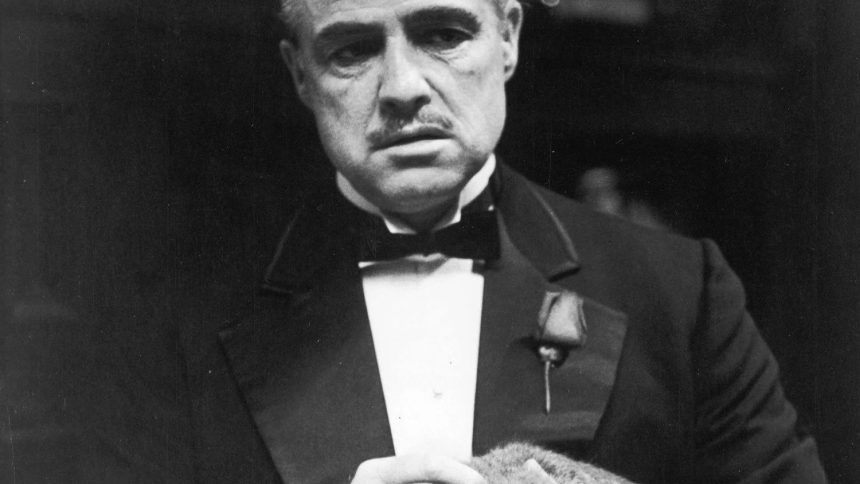
The Godfather (1972)
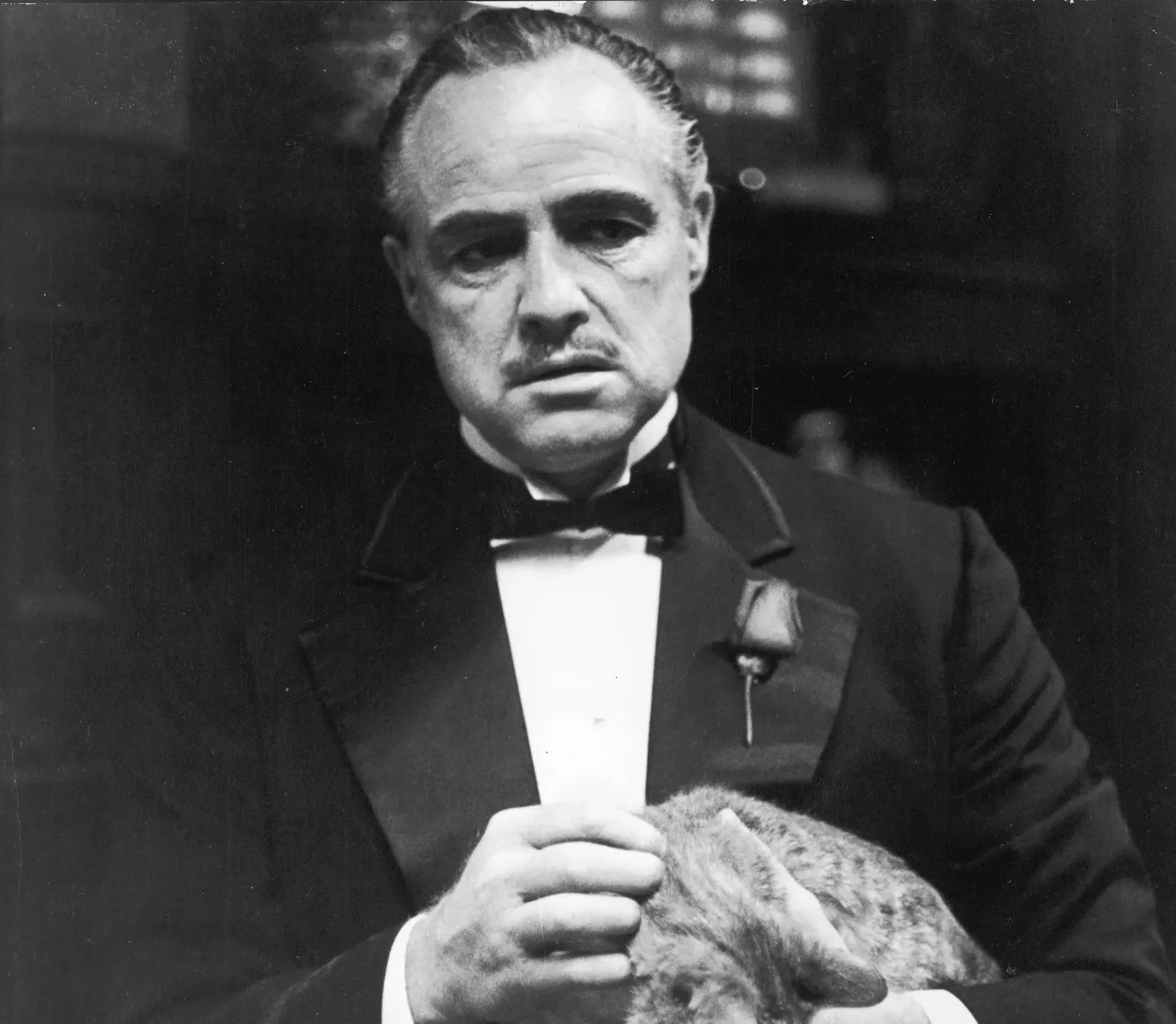
Based on Mario Puzo’s best-selling novel, The Godfather is an epic crime drama that follows aging and well-respected mob boss Vito Corleone, the head of one of the most powerful families in the country. When Vito declines a risky business offer, he finds himself and his family in the middle of a bloody civil war. What makes it endure is not the violence but the family drama running beneath it, intimate and operatic at the same time.
Marlon Brando’s performance as Vito remains a benchmark for screen acting, quiet and authoritative in equal measure. The film won three Academy Awards, including Best Picture, and its influence on virtually every crime drama made since is impossible to overstate. Cinema has evolved exponentially across the decades, and it is the ultimate testament to films like The Godfather that, in a modern age where advancements in cinema have come such a long way, these pictures remain quintessential classics that, in the eyes of many, far surpass many movies released today.
Partner offer
Jaws (1975)

Steven Spielberg’s Jaws is the ultimate summer thriller that never loses its edge. The suspense and tension build as the residents of Amity Island struggle with a killer shark terrorising their waters. The shark itself is famously absent for much of the running time, which turns out to be a stroke of genius, since what the audience imagines is always more frightening than anything on screen.
It is a perfect blend of horror and adventure, making it a movie you can rewatch countless times. The film’s pacing and cinematography still hold up, and the tension remains just as palpable on each viewing. John Williams’ haunting score adds to the suspense, making the shark’s presence all the more terrifying. Jaws essentially invented the modern summer blockbuster, a fact worth sitting with every time that two-note theme begins.
Back to the Future (1985)
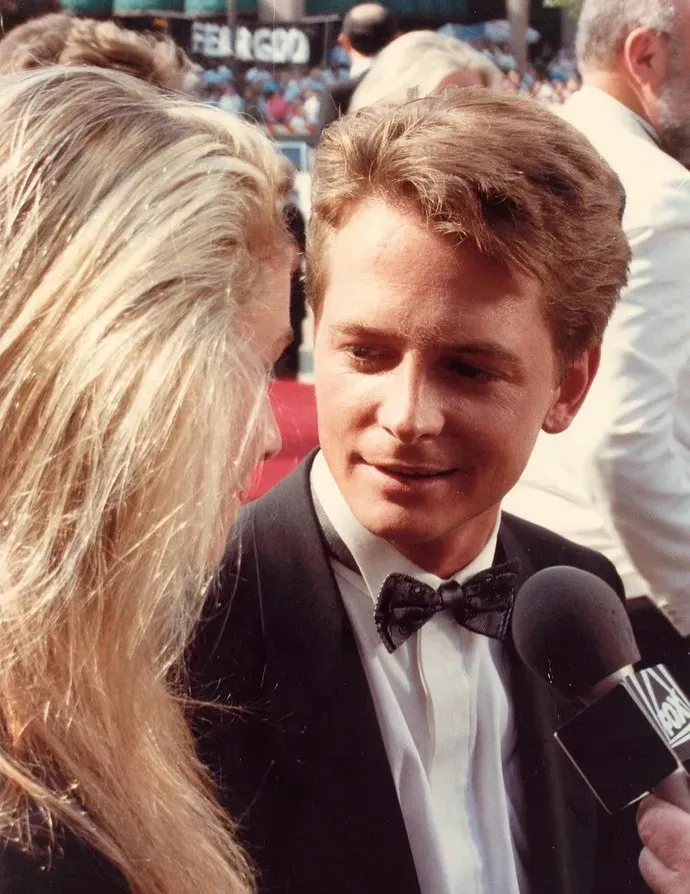
When the conversation of timeless movies comes up, Robert Zemeckis’ Back to the Future trilogy, especially the original, never fails to feature. This 1985 pillar of modern pop culture is the defining masterpiece of the time travel genre, proving that you don’t always need an artsy tone and high ambitions to make a perfect movie. Few films manage to be this tight in construction while also feeling this loose and fun.
Audiences and critics alike have cemented its legacy, with the film preserved in the U.S. National Film Registry and regularly appearing in lists of the greatest films ever made. Scenes like the clock tower lightning strike or George McFly’s showdown with Biff have become cultural touchstones that still deliver a thrill. It’s equal parts time-travel puzzle and heartfelt coming-of-age story, which is why it never feels stale, even after countless rewatches.
Jurassic Park (1993)

Jurassic Park was a visual effects revolution, quite literally bringing dinosaurs back to life with breathtaking realism. Beyond the sheer movie magic of it all, it endures as another Spielberg firing-on-all-cylinders thrill ride. Even in 2026, when audiences have seen creatures far more polished rendered by computers, the dinosaurs in this film carry a weight and presence that many newer productions still cannot match.
Jurassic Park revolutionized visual effects and storytelling, delivering thrilling sequences and a perfect balance of adventure, fear, and wonder that still captivates audiences today. It delivers spectacle after spectacle following a masterful build-up, all anchored by smart heroes, dynamic direction, and those terrifying, toothy lizards. The sense of awe at the first dinosaur reveal has a way of returning, regardless of how many times you have already seen it.
Pulp Fiction (1994)
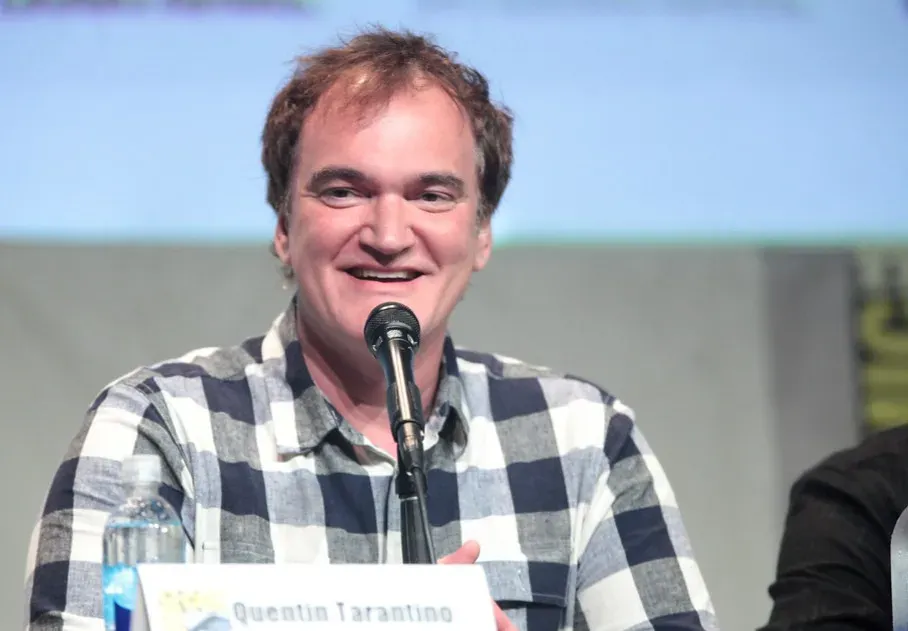
Quentin Tarantino’s Pulp Fiction is a quintessential film of the 1990s, featuring intertwining storylines that span various genres. Its non-linear narrative, sharp dialogue, and eclectic characters make it a prime candidate for repeated viewings. The film’s unique structure means that every rewatch offers a fresh perspective on how the different storylines interconnect and foreshadow one another.
The characters, from John Travolta’s hitman Vincent Vega to Uma Thurman’s enigmatic Mia Wallace, are unforgettable, and the film’s soundtrack has become iconic. There is also something to be said for how Tarantino’s dialogue, which can feel almost theatrical on the page, comes to life entirely differently each time with fresh context. What reads like style turns out to be substance, and that discovery keeps the film vital.
Forrest Gump (1994)
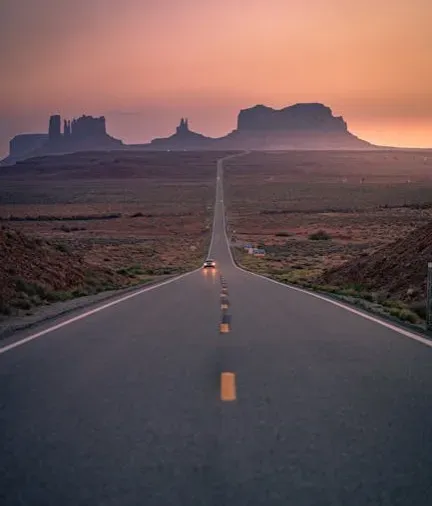
As Forrest reflects on his extraordinary life, from playing college football to inadvertently influencing key moments in history, the audience is reminded of the power of perseverance and kindness. The film’s iconic quotes have become part of the cultural lexicon. Its sweep through decades of American history gives it a scope that few films of its era attempted.
What makes Forrest Gump so rewatchable is its emotional depth and rich, layered narrative. Each viewing reveals new aspects of Forrest’s personality, his love for Jenny, and the profound impact he had on the world around him. The balance between humour and heartbreak ensures it remains a timeless classic that resonates with audiences long after the credits roll.
The Princess Bride (1987)
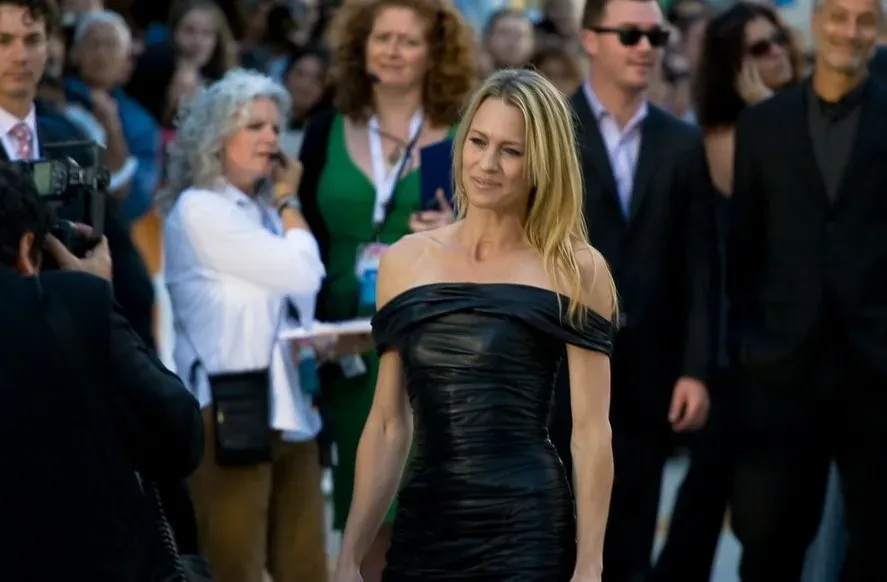
A delightful mix of fantasy, romance, and humour, The Princess Bride continues to be a fan favourite because of its charm and wit. The film follows the adventure of Buttercup and her true love Westley, who must rescue her from an unwanted marriage. The movie’s perfect blend of fantasy elements and sharp humour keeps it engaging with every viewing. Its knowing, slightly winking tone was ahead of its time, yet it never tips over into cynicism.
The Princess Bride isn’t just a fairy tale; it’s a treasure trove of quotable dialogue, unforgettable characters, and layers of story that reward repeat watches. Directed by Rob Reiner and packed with wit and heart, it tracks Westley’s quest to rescue Buttercup through sword fights, giants, and the ever-confident Inigo Montoya. The performances by Robin Wright and Cary Elwes are endearing, and the witty dialogue brings the characters to life in a unique way, with universal themes of love, friendship, and heroism making it just as fun to watch now as ever.
What connects all twelve of these films is not nostalgia, though that plays a role for many viewers. It is craft. Good writing, careful direction, and performances that feel lived-in rather than performed tend to outlast almost everything else. These movies were made by people who cared enormously about what they were doing, and audiences, across generations, keep noticing.
Partner offer
Planning a trip to Vegas?
Compare hotel rates and show tickets on VEGAS.com.