There’s a certain guilt that comes with turning off an Oscar-winning movie. You start watching, aware of the golden statue it earned, and somewhere around the halfway point, the couch gets more interesting. It happens more often than anyone admits out loud.
A “slow-paced and boring” reaction to many Oscar winners is actually common, and it reflects differences in purpose, selection criteria, and audience expectations rather than a simple accident. The Academy and mainstream film audiences evaluate films with different priorities, and understanding those priorities explains why award-winning films often feel deliberate, restrained, or slow. Still, knowing the reason doesn’t make it any easier to stay awake. Here are 12 Oscar-winning movies that even well-intentioned viewers freely admit they couldn’t get through.
1. The Irishman (2019) – Best Picture Nominee, Multiple Oscar Winner
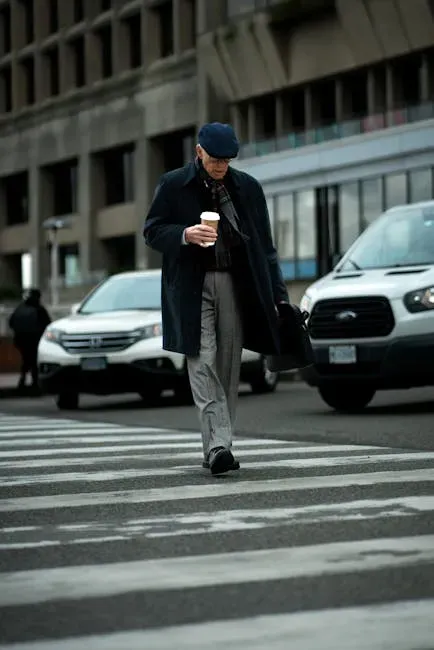
The Irishman clocks in at three and a half hours, and while Scorsese’s editor Thelma Schoonmaker’s talent helps it move with a deceptive sense of momentum, the runtime is undeniable. For many home viewers, that length is simply a wall they can’t climb. The film arrived on Netflix, which meant it was watched on couches, phones in hand, in environments where epic, meditative crime filmmaking rarely survives contact with real life.
“The length of The Irishman is hellish and self-defeating, and the digital de-aging is a distraction”, was one critical take, and casual viewers tended to agree even more bluntly. The much-discussed CGI de-aging technology used to make De Niro, Pesci, and Pacino look like their younger selves simultaneously distracts from their ages while drawing attention to it. For some, that visual oddness was enough to break immersion early and never quite recover it.
2. Nomadland (2021) – Best Picture Winner

In Nomadland, Frances McDormand plays a woman who leaves Nevada due to economic hardship and drives around the country in a van. McDormand won Best Actress for this performance, and Chloé Zhao made history by becoming the second woman and first woman of color to win Best Director. The craft is real and the performances are genuinely affecting. The trouble is the story itself, or rather, the near-absence of one.
There just isn’t much in terms of story, and the movie therefore feels longer than it needs to be. Nomadland often seems like it’s trying as hard as possible to be a documentary about people living in their vehicles. Watching the main character cook, eat, use the bathroom, and drive around doesn’t make for the most eye-popping road movie. Without much of a character arc for the protagonist, Nomadland has somewhat unsurprisingly become one of those forgotten Best Picture winners.
3. No Country for Old Men (2007) – Best Picture Winner
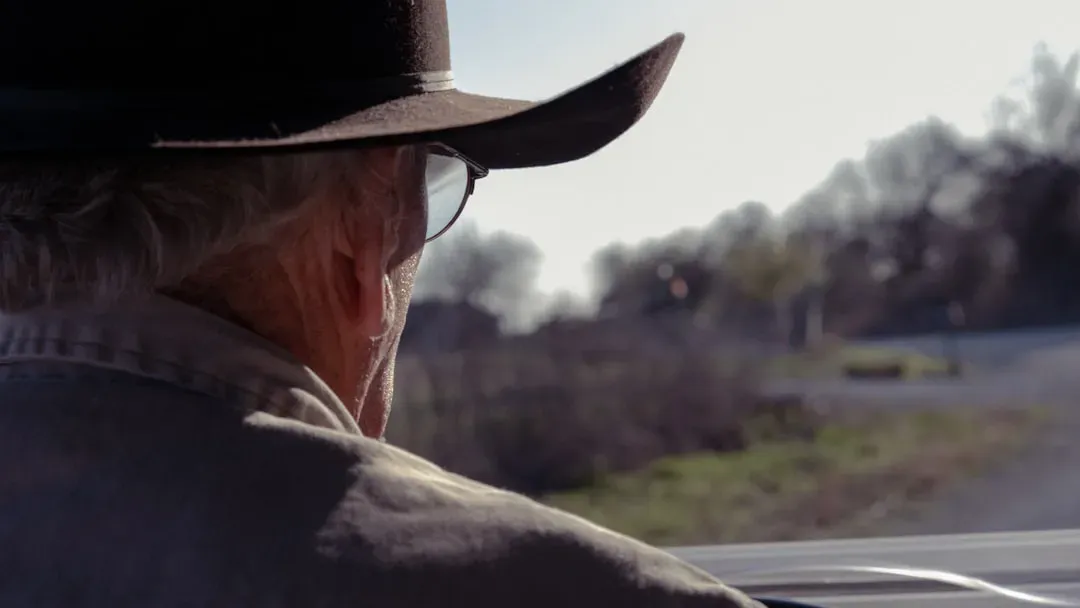
While out hunting, Llewelyn Moss finds the grisly aftermath of a drug deal and, knowing better, cannot resist the cash left behind. The hunter becomes the hunted when a merciless killer named Chigurh picks up his trail, while Sheriff Bell, an aging lawman, tries to find and protect Moss. On paper, it sounds like a propulsive thriller. In practice, many viewers found its deliberate pacing and bleak philosophical underpinning far harder to sit with than expected.
During screenings, there was often audience grumbling over the ending. Many casual cinemagoers were reportedly angry that there wasn’t a conventional shoot-out finale to neatly wrap up the plot. Many casual cinemagoers did not view the ending as satisfying; rather, it unsettled their conventional expectations and forced them to think deeper, or to simply dismiss the picture. Plenty chose the latter and stopped watching long before the credits rolled.
4. Shakespeare in Love (1998) – Best Picture Winner

Shakespeare in Love remains one of the most divisive Best Picture winners of all time. Its unexpected triumph over Saving Private Ryan raised countless eyebrows, especially considering the aggressive Oscar campaign orchestrated by disgraced producer Harvey Weinstein. The win felt to many like a strategy victory rather than a merit-based one, and audiences who came in skeptical rarely warmed up to the film’s breezy romantic comedy tone.
As a somewhat novel romantic comedy given its setting and characters, Shakespeare in Love is pretty lightweight stuff overall, with its Best Picture win proving particularly contentious. Viewers expecting the weight of a Best Picture winner often found themselves disengaged quickly, put off by a film that prioritized charm over substance. Gwyneth Paltrow’s Best Actress win over Fernanda Montenegro and Cate Blanchett also felt undeserved to many critics, who agreed her performance didn’t hold up to the role’s demands.
5. Cavalcade (1933) – Best Picture Winner
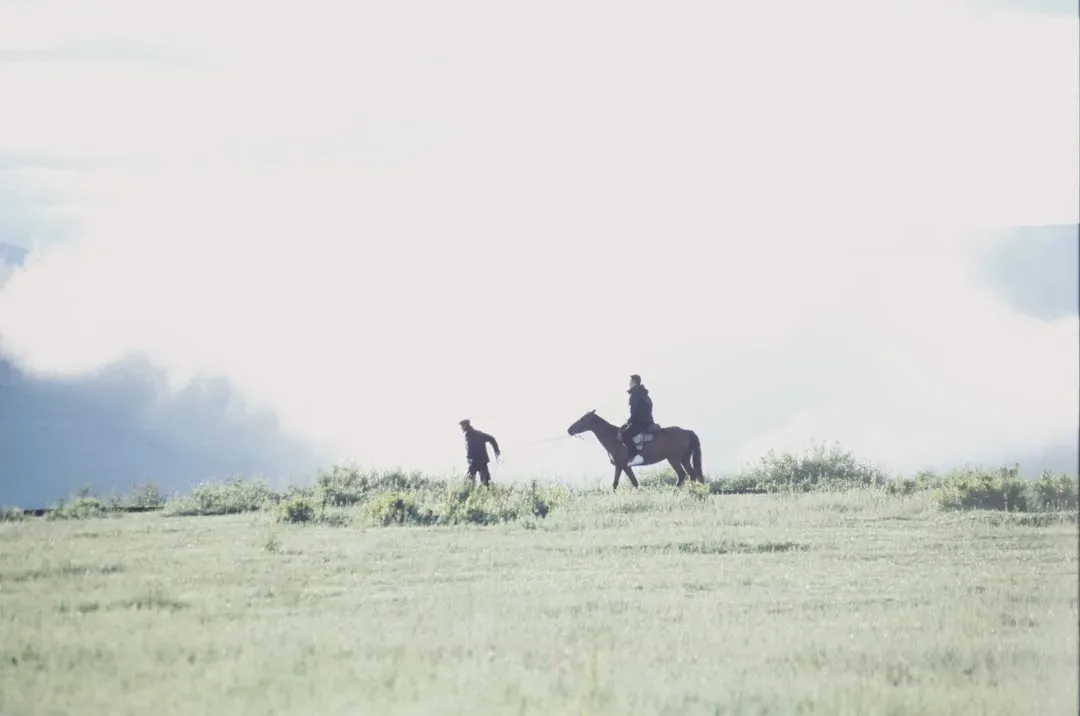
The film follows a London couple, their children, friends, and servants through many years of the 20th century, with key historical events shaping their lives, including the Second Boer War, Queen Victoria’s death, the sinking of the Titanic, and the First World War. In theory, it’s sweeping and ambitious. In practice, it’s one of those Oscar winners that almost nobody defends today.
While critics of its time considered Cavalcade a phenomenal movie with an ambitious story, today it is another boring old film with little intrigue. The movie is a tedious slog that hasn’t aged well at all, with many moments feeling unintentionally humorous by modern standards. Cavalcade is often puzzling and contradictory, making it an epic that doesn’t earn its status as an Oscar-winning film. Most contemporary viewers who attempt it simply give up.
6. The English Patient (1996) – Best Picture Winner

The English Patient won nine Academy Awards in 1997 and was celebrated as a grand romantic epic. Its story of a burned, unidentified man recounting a doomed love affair in the North African desert during World War II was praised for its lush cinematography and emotional depth. Critics were enchanted; a significant portion of audiences were not.
Running nearly three hours, the film’s slow unspooling of memory and grief tested the patience of viewers who had come in expecting something closer to a traditional war romance. The deliberate pacing and non-linear structure left many reaching for the remote. The perception of Oscar winners as slow or demanding reflects a genuine difference in what critics reward versus what holds general audiences in their seats. The English Patient sits squarely in that gap.
Partner offer
7. Crash (2005) – Best Picture Winner

Crash won Best Picture over Brokeback Mountain at the 2006 Oscars in one of the most contested upsets in modern Academy history. Ang Lee’s Brokeback Mountain was widely favored to win Best Picture in 2006, but as the Oscars approached, rumors about homophobia in the Academy began to emerge. The loss felt sharp to many, and it colored how Crash has been remembered ever since.
The film’s ensemble drama about racial tensions in Los Angeles was praised for its ambition but criticized for its blunt, sometimes manipulative approach to a complex subject. Many viewers found its interlocking storylines either too on-the-nose or emotionally exhausting to complete. Over time, its reputation has only dimmed, making it one of the most common answers when people are asked which Best Picture winner they couldn’t get through. Not every Oscar winner is universally beloved, and some make audiences scratch their heads entirely.
8. Dances with Wolves (1990) – Best Picture Winner

In 1990, the winner of Best Picture was Kevin Costner’s Western Dances with Wolves, not Goodfellas, which might well stand to this day as the single greatest film Martin Scorsese has ever made. The upset is still talked about in film circles, and it set a lasting expectation on Dances with Wolves that the film could never quite live up to for many viewers who came in aware of what it had beaten.
At nearly four hours in its extended cut and over three hours in the theatrical version, the film demands a serious time commitment. Its quiet, meditative pacing across vast open landscapes was visually stunning to some and simply very long to others. It was notably the only Western to win Best Picture between Cimarron in 1931 and itself in 1991, and it’s hard to imagine a less accessible representative for a genre known for its directness. Many casual viewers quietly abandon it sometime around the second hour.
9. The Hurt Locker (2009) – Best Picture Winner
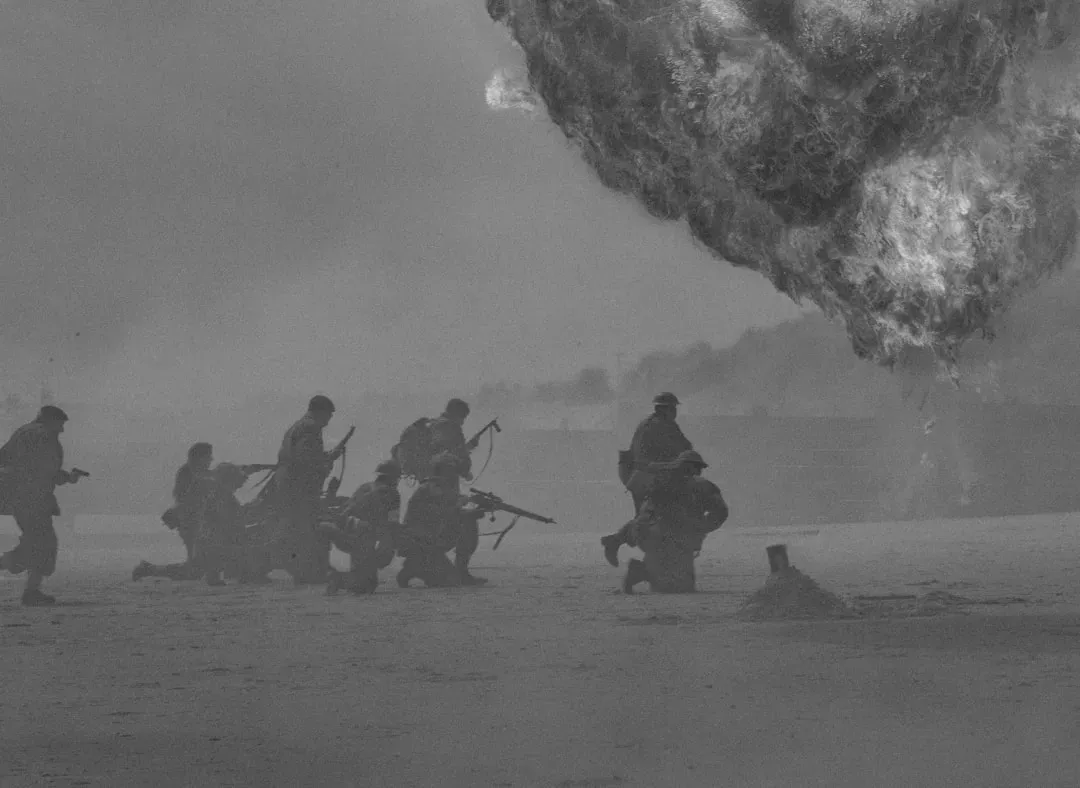
While The Hurt Locker made Oscars history with Kathryn Bigelow becoming the first woman to win Best Director, the film has also gone down as one of the more controversial war movies for its depiction of an Explosive Ordnance Disposal unit in the Iraq War. Jeremy Renner’s performance as Staff Sergeant William James is excellent, but the film has been criticized by veterans for numerous inaccuracies.
It’s difficult to build sustained suspense when the main character is trying to defuse a bomb that audiences know won’t kill him because the movie isn’t anywhere near over. The film works best as a study of addiction, specifically of a veteran who is unfulfilled by civilian life compared to the high stakes of his craft. That character study framing, while compelling on paper, left many viewers expecting action-film momentum feeling stranded. A number simply stopped watching and reached for something with a clearer resolution.
10. Ordinary People (1980) – Best Picture Winner
Ordinary People won Best Picture over Raging Bull at the 1981 Oscars, a result that still surprises film historians. That same year, Robert De Niro earned a deserved Oscar for his terrifying lead performance in Raging Bull, and Ordinary People’s win can be seen as something of an upset, representing Martin Scorsese’s best direction up to that point. The loss remains one of the most-cited examples of the Academy rewarding the safer film.
Ordinary People is a quiet, deeply interior drama about a suburban family unraveling after a tragic loss. Its emotional restraint is precisely the point, but that same quality makes it a difficult watch for viewers expecting narrative momentum. The film essentially asks you to sit with grief, discomfort, and family silence for nearly two hours with little release. Many viewers, respecting the craft but wanting more forward motion, simply let the credits run before they were ready to.
11. The Greatest Show on Earth (1952) – Best Picture Winner
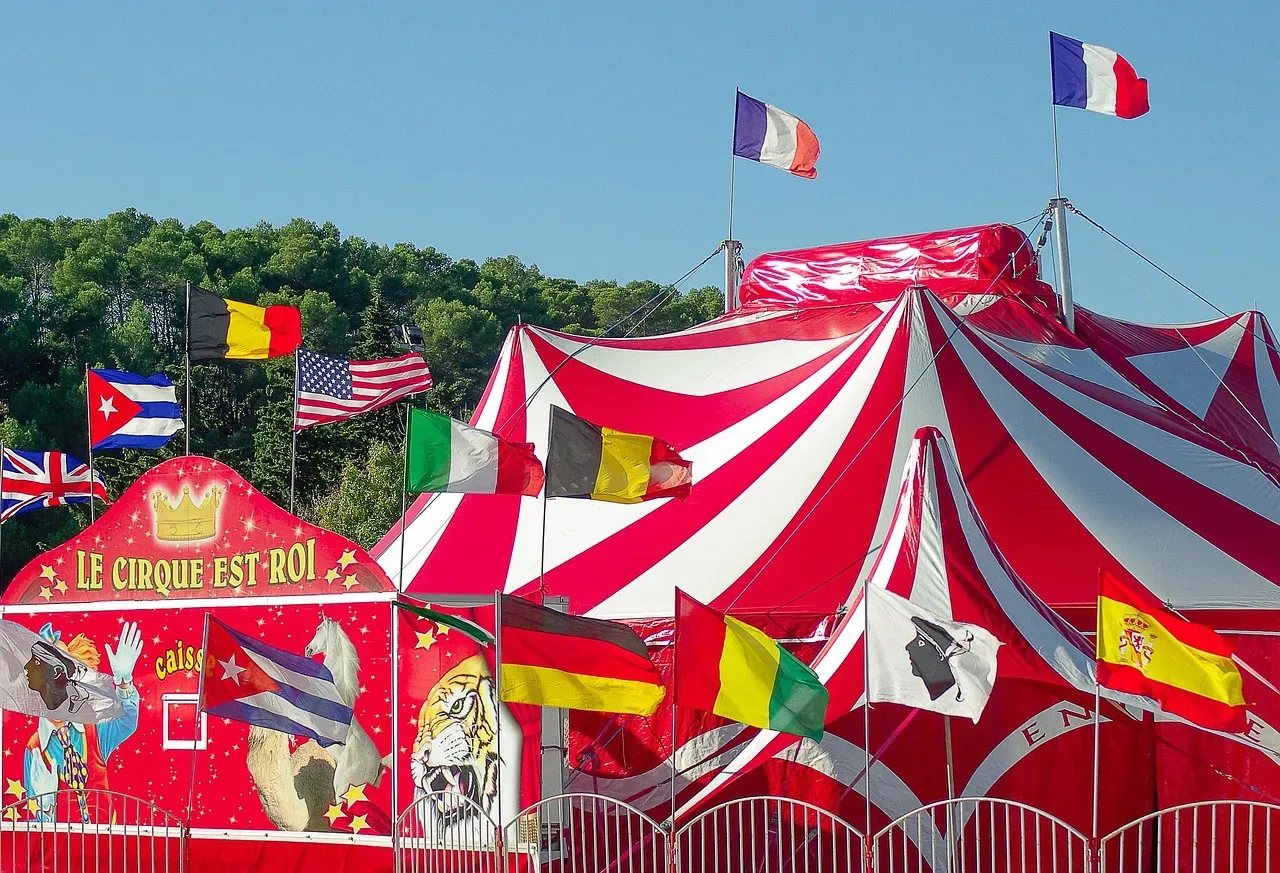
The film featured the real Ringling Bros. and Barnum and Bailey’s Circus troupe, including John Ringling North as himself, with upwards of 1,400 people, hundreds of animals, and 60 railroad cars of equipment. With roughly 85 acts, The Greatest Show on Earth was like watching the circus with a meager plotline. That description tells you nearly everything about why modern audiences struggle with it.
The film has not done well on the small screen in rereleases. Part of why it hasn’t resonated as it once did is the declining interest in circus spectacle, and the other part is that the modern lens sees it as a Cecil B. DeMille spectacle more than a work of art. It won over High Noon, a tightly constructed Western still considered a masterpiece, and that context has followed it ever since. Most people who try to watch it today lose interest well before the halfway point.
12. Cimarron (1931) – Best Picture Winner

Adapted from Edna Ferber’s novel and directed by Wesley Ruggles, Cimarron chronicles several decades in the life of a family of settlers who move to an Oklahoma boomtown in 1889. It was the only Golden Age Hollywood Western to win Best Picture until Dances with Wolves in 1991. That historical distinction might make it sound important. Sitting through it is another matter entirely.
The film is dreadfully, mind-numbingly boring, simply assuming that audiences will have an inherent, reverential fascination with the history-mirroring saga of the Cravat family instead of working to actually make it interesting. Cimarron is proof of how dramatically audiences’ tastes change and vary over time. Today, viewers who attempt it out of curiosity rarely make it past the first hour, finding a film that feels less like a classic and more like a curious artifact of a very different era in filmmaking.
What’s worth noting across all twelve of these films is that difficulty and boredom aren’t the same thing as failure. Several of them are genuinely accomplished pieces of work. The gap between what the Academy rewards and what holds a general audience’s full attention has always existed, and it likely always will. A survey of 2,000 U.S. adults found that nearly half haven’t watched any of the ten Best Picture nominees in a given year, which suggests that for most people, the Oscar stamp of approval is noted and then quietly set aside.
The honest truth is that some films are built for study, not for sitting. They reward patience, repeat viewings, and a particular kind of attention that doesn’t always survive a Tuesday night on the couch. That’s not a flaw in the viewer. It’s just a real and persistent mismatch between what gets celebrated and what gets finished.
Partner offer
Planning a trip to Vegas?
Compare hotel rates and show tickets on VEGAS.com.