
Movie franchises can take years, sometimes decades, to build a loyal fanbase. Directors craft characters audiences genuinely care about, studios invest hundreds of millions of dollars, and a shared mythology slowly grows into something that feels irreplaceable. Then one bad sequel can undo most of it almost overnight.
It sounds dramatic, but the history of Hollywood is full of these moments. A sequel arrives with enormous expectations, stumbles badly, and leaves the franchise either dormant for years or permanently redirected. These seven cases are among the clearest examples of that dynamic playing out in real time.
1. Batman & Robin (1997) – The Film That Sent Gotham Dark for Years
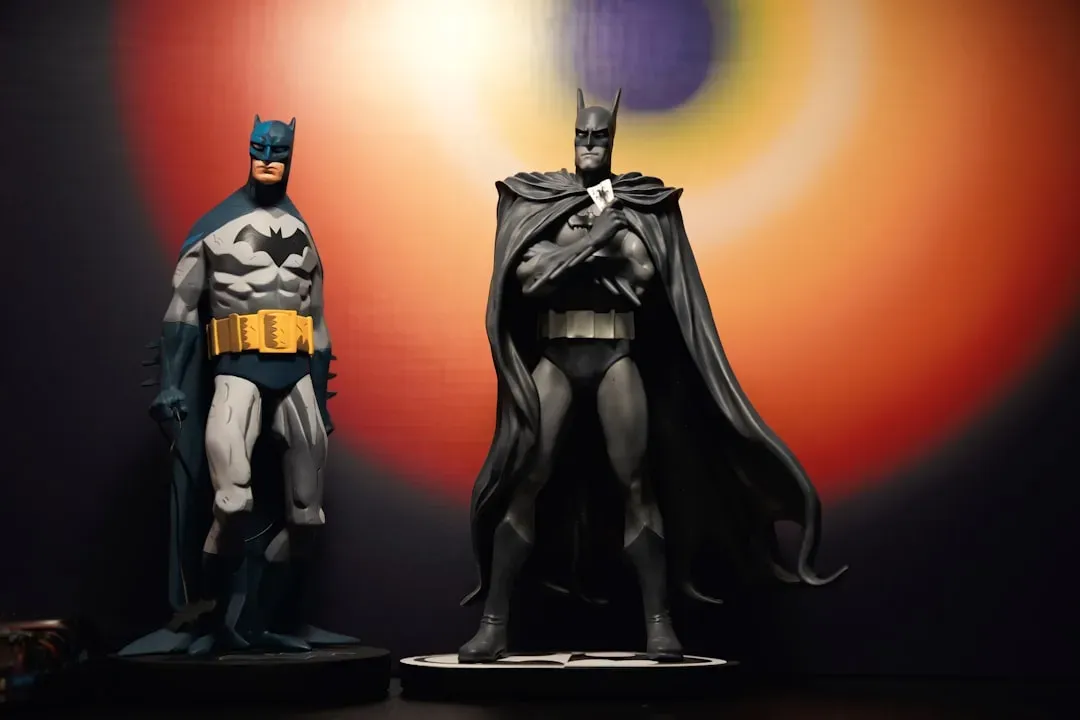
With the box office success of Batman Forever in 1995, Warner Bros. immediately commissioned a sequel, hiring director Joel Schumacher and writer Akiva Goldsman to reprise their duties and fast-tracking production for a June 1997 release date – a break from the usual three-year gap between films. Batman & Robin was intentionally made toyetic and light-hearted to appeal to children and sell merchandise. The result was a film that alienated almost everyone.
On Rotten Tomatoes, only 11% of critics’ reviews were positive, with an average rating of 3.8 out of 10. The film grossed $238 million worldwide against a production budget of $125 to $160 million, was a box office disappointment, received generally negative reviews, and its poor reception caused Warner Bros. to cancel future Batman films, including Schumacher’s planned Batman Unchained. Warner Bros. then hired Christopher Nolan to completely reboot the franchise, resulting in Batman Begins.
2. Terminator: Dark Fate (2019) – A Franchise That Couldn’t Save Itself
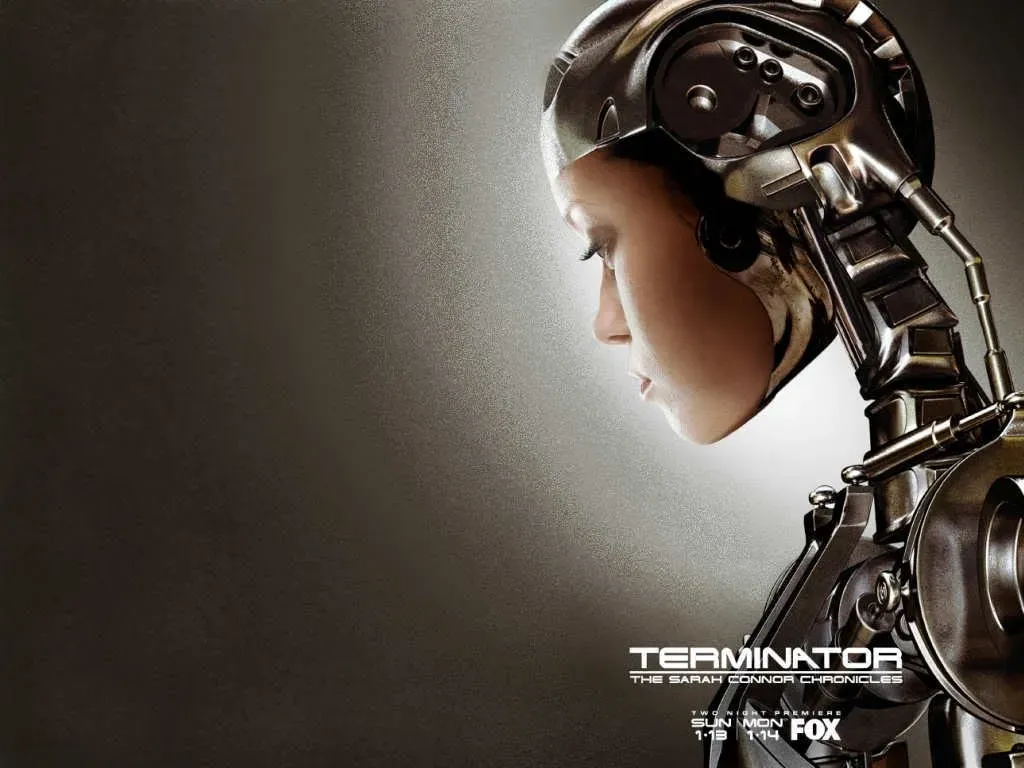
While Terminator 2: Judgment Day was one of the biggest films of all time when it grossed over $203 million domestically in 1991, the slew of underwhelming sequels that followed would inevitably dilute the franchise’s legacy and box office earnings, with 2015’s Terminator: Genisys becoming the first entry to miss the $100 million mark in North America. Dark Fate was supposed to be the reset button that finally worked.
Dark Fate was intended as a comeback for the franchise, cutting the tangled knot of Genisys’s convoluted time-jumping and essentially ignoring the previous three movies. It didn’t matter. Dark Fate cratered at the box office with a domestic haul of just $62.25 million and only $250.36 million worldwide – especially head-turning given its $185 million budget. Terminator fans had been burned one too many times and failed to show up, with Dark Fate writing off losses north of $120 million.
3. The Amazing Spider-Man 2 (2014) – Ambition That Backfired Spectacularly
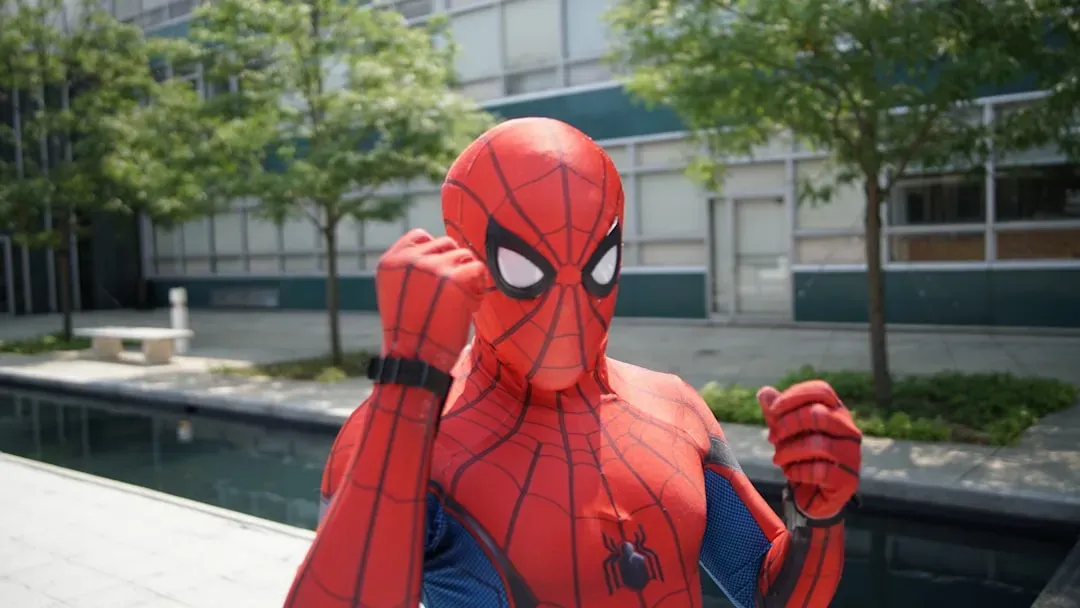
With the benefit of hindsight, Sony’s 2014 entry may be looking like the most outright financially successful franchise-killer in cinema history. The studio had planned to use The Amazing Spider-Man 2 to launch several spin-off films focused on Spider-Man villains from the comics, including a Venom film. The entire structure of the sequel was bent toward building that universe rather than telling a focused story.
The film tapped out with just $202.8 million domestically – over $50 million below the first reboot film – and during a time where superhero stories were only increasing in popularity, this reversal was deeply concerning for Sony. In February 2015, Sony Pictures and Marvel Studios initiated a deal to share the Spider-Man film rights and reboot the character within the Marvel Cinematic Universe, cancelling future projects in the Amazing Spider-Man series.
4. Indiana Jones and the Dial of Destiny (2023) – Too Late, Too Much
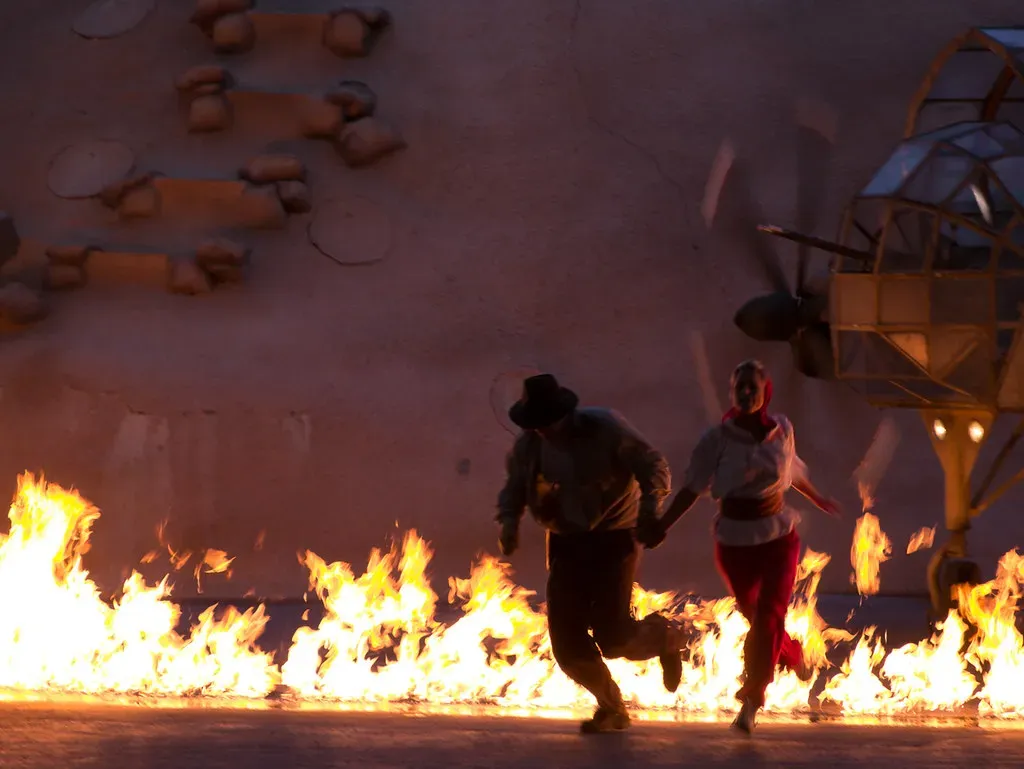
The Indiana Jones franchise is one of the greatest in film history, with Raiders of the Lost Ark widely viewed as the pinnacle of action-adventure cinema. When director James Mangold made Dial of Destiny in 2023, he picked up the series fifteen years after the most recent sequel, the much-maligned Kingdom of the Crystal Skull. Audiences were already skeptical going in, and the film did nothing to change that.
Partner offer
With the novelty of an Indiana Jones legacy sequel having already been exploited once before, Dial of Destiny was a bomb with just $174.48 million domestically and a $383.96 million worldwide gross. While the series had been effectively laid to rest, Kingdom of the Crystal Skull had put the final nails in the coffin for most fans, which is reflected in the vastly lower box office takings for Dial of Destiny. The franchise, at least in its theatrical form, appears finished.
5. Jaws: The Revenge (1987) – The Shark That Drowned a Legacy
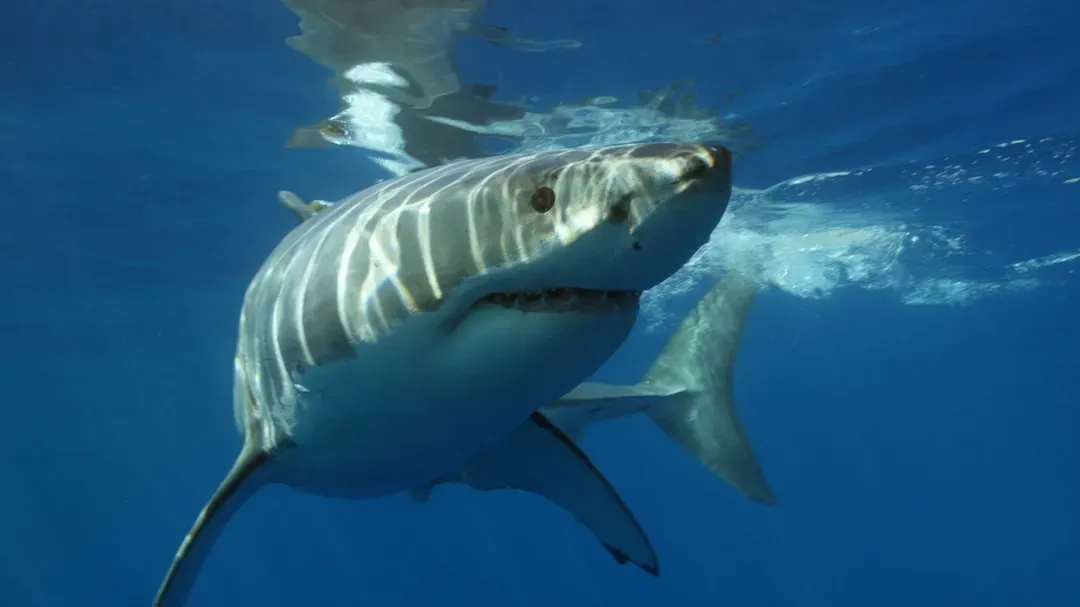
There are few more widely accepted cases of diminishing returns than the sequels to Jaws. The first movie is heralded as classic cinema and the birth of the modern blockbuster, but the other films in the series are not, to put it mildly. The franchise had been grinding downward with each entry, though it kept finding just enough of an audience to justify another film. That changed with the fourth installment.
Hampered by low-budget effects and a script that at one point attributed the shark’s murder spree to the work of a vengeful witch doctor, the fourth Jaws was a critical and financial disaster. Jaws: The Revenge, with its shark seeking vengeance on Ellen Brody, its low budget, and rapid production time, was the least successful entry – and the film infamously received a zero percent score on Rotten Tomatoes. Even in an era of constant reboots, this is one franchise that has remained blissfully underwater ever since.
6. Solo: A Star Wars Story (2018) – When Franchise Fatigue Became Real

After acquiring Lucasfilm, Disney set about planning its own sequel trilogy of Star Wars films. Rogue One proved to be a success with fans and critics alike, but Solo wouldn’t fare half as well, bombing at the box office. The timing was difficult – audiences were still processing the divisive reception of The Last Jedi, and enthusiasm for Star Wars as a whole was noticeably cooling.
Plagued by behind-the-scenes drama and growing indifference to all things Star Wars in the wake of The Last Jedi, Solo disappointed greatly compared to Disney’s financial expectations. This led Disney to cancel future planned Star Wars Story films and focus instead on TV, including adapting a planned Kenobi film for Disney+. The theatrical Star Wars spinoff experiment was effectively dead, and the franchise has yet to fully recover that momentum on the big screen.
7. Terminator Genisys (2015) – Where Even the Timeline Gave Up
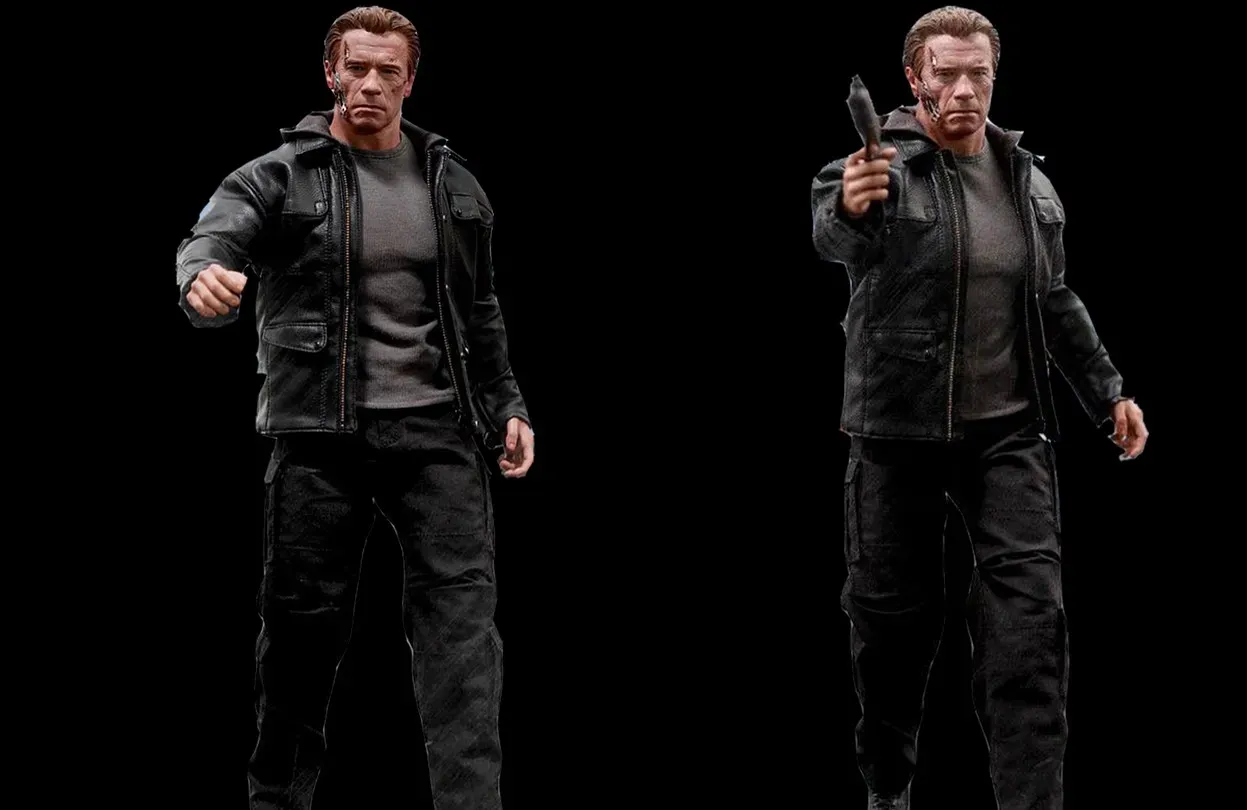
By invalidating its own mythos, Terminator Genisys blew the lid off the franchise, making it so that any event could be changed or erased for convenience. This cheapened the overall experience, and the rest of the film didn’t do much to help either – the action was mediocre, and the new cast felt woefully miscast. Terminator Genisys is the lowest-rated film in the series with a 26% on Rotten Tomatoes.
Genisys went completely off the rails, reducing the timeline to an inexplicable hash, and endured a raking through the coals from critics and fans alike. Since the first two entries directed by James Cameron, the movie series stumbled through a series of disappointments and failures. The damage done by Genisys was so severe that even Dark Fate’s attempt to wipe it from the timeline couldn’t convince audiences to return. The franchise remains in an uncertain holding pattern as of 2026, a casualty of one too many wrong turns.
What makes these cases so instructive isn’t just the scale of the failure – it’s how preventable most of them look in hindsight. Rushed production schedules, franchise-building prioritized over storytelling, creative decisions made by committee rather than conviction. The pattern repeats itself across decades and genres. A beloved franchise is rarely destroyed by one catastrophic event; more often, it’s worn down gradually, then finished off by a single film that asks audiences for trust they no longer have.
Partner offer
Planning a trip to Vegas?
Compare hotel rates and show tickets on VEGAS.com.