


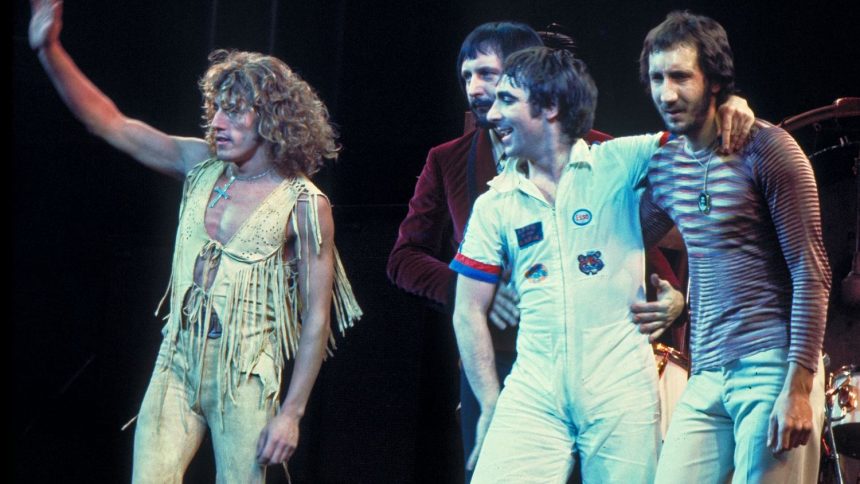
Music has always been a little dangerous. That is precisely what makes it so good. But throughout radio history, countless songs have been yanked from the airwaves for reasons that range from genuinely jaw-dropping to flat-out absurd. We are not talking about explicit rap tracks or controversial punk anthems here. We are talking about songs banned because of a soft drink name, a baseball team, or a nursery-rhyme-level children’s story about a magic dragon.
Honestly, some of these bans are so strange that you almost have to wonder whether the people making these decisions were even listening to the same songs as the rest of us. The history of radio censorship is packed with overreactions, misunderstandings, and decisions that look increasingly ridiculous with the passing of time. Get ready to be surprised. Let’s dive in.
1. “A Day in the Life” by The Beatles – Banned for Possibly Smoking a Cigarette

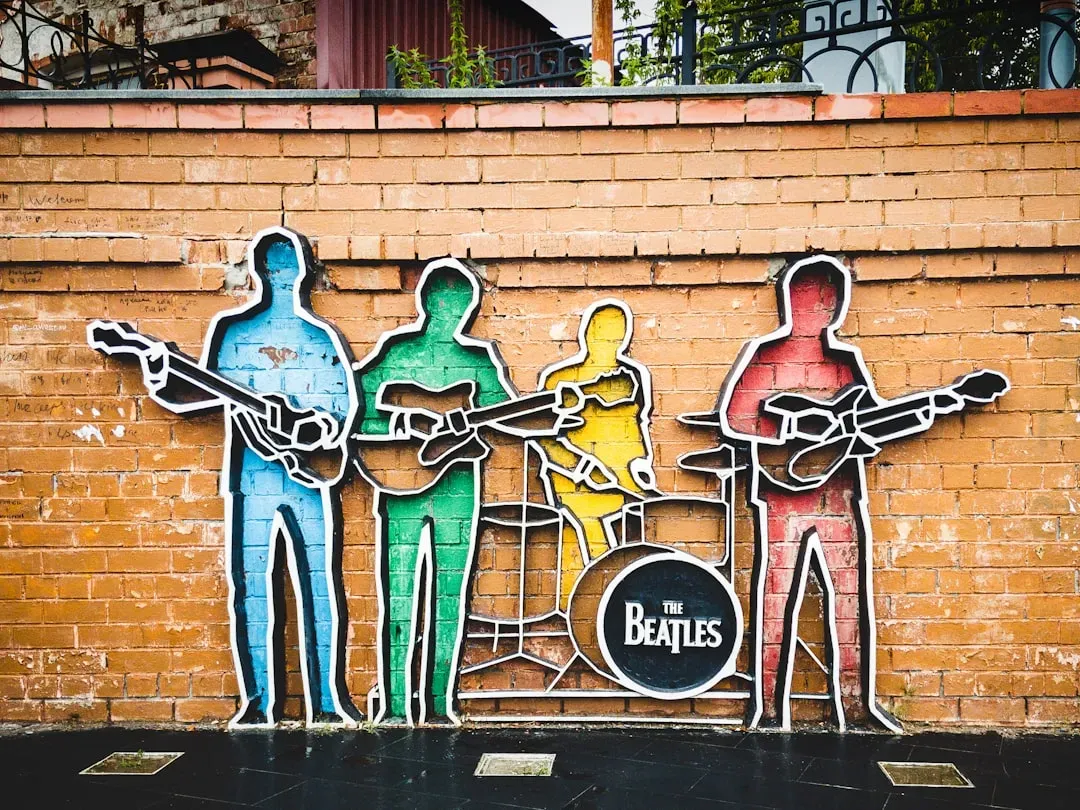
Often voted by musicians and critics as the best Beatles song ever, the final track from Sergeant Pepper’s Lonely Hearts Club Band was banned by BBC Radio. Despite the song having some truly bizarre, dream-like imagery throughout, it was actually the more straightforward lyrics of Paul McCartney’s section that triggered the ban. Specifically, the BBC objected to the line “found my way upstairs and had a smoke,” which they considered an unambiguous drug reference.
Honestly, while McCartney was certainly known to enjoy the occasional joint back then, you could also argue he was possibly just talking about tobacco. That’s right. One of the most celebrated songs in all of popular music was pulled from airplay over a lyric that could have simply referred to a cigarette after a long day. The BBC doubled down anyway, and the ban stuck.
2. “Lola” by The Kinks – Banned Because of a Soft Drink

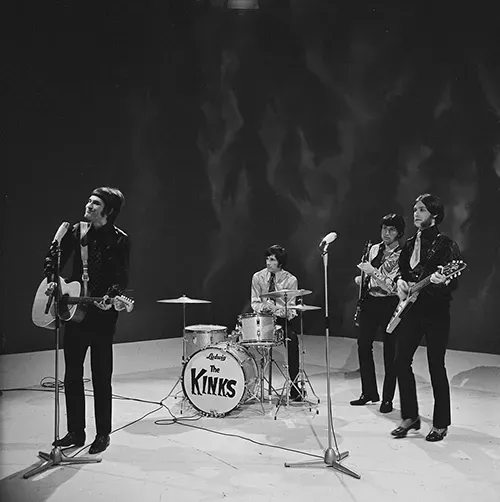
The Kinks’ hit “Lola” became a lightning rod for controversy not because of its subject matter, but due to a simple brand name drop. The BBC pulled the song from airwaves in 1970 after catching the mention of “Coca-Cola” in the lyrics. At the time, the BBC had a rigid policy against product placement or advertising in songs.
In the case of “Lola,” the BBC’s strict ban on advertising led to singer and songwriter Ray Davies replacing the brand name “Coca-Cola” with “cherry cola” in the lyrics. Instead of dropping the song entirely, The Kinks re-recorded the lyric, allowing “Lola” to return to the air. The band literally had to fly Davies back from a U.S. tour to re-record a single word. That is the kind of bureaucratic absurdity that really makes you laugh out loud.
3. “Space Oddity” by David Bowie – Banned for Being a Buzzkill During the Moon Landing

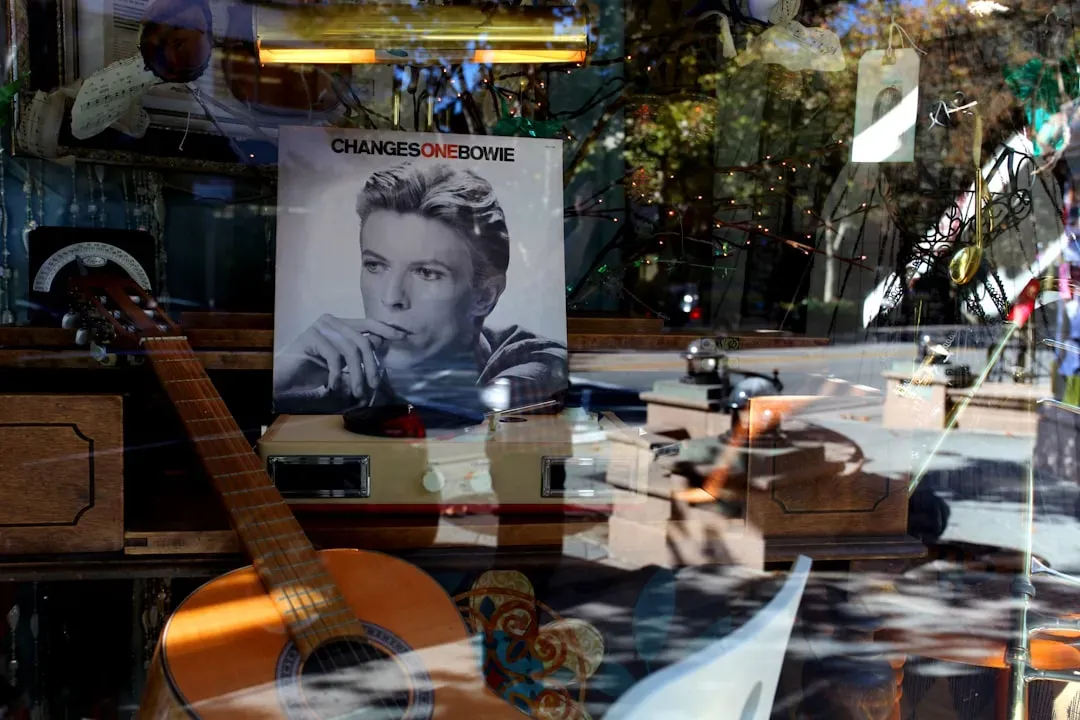
First released on 11 July 1969 by Philips Records, the song was rush-released as a single to capitalise on the Apollo 11 Moon landing. The timing was strategic and incredibly clever. Unfortunately, there was some reluctance on the part of the BBC to play a song about a space mission that appears to go wrong: with three astronauts on Apollo 11 taking huge personal risk, the single could have been considered in terrible taste should the moon landing meet disaster.
Upon realising the dark lyrics, the BBC ceased playing it until the Apollo 11 crew safely returned home. Thankfully, the banning order was short-lived and the track made it to the airwaves almost instantly following the successful return of the Apollo 11 mission. The brief ban didn’t stop “Space Oddity” from becoming one of the essential tracks in Bowie’s entire career. In a delicious twist of fate, the BBC’s own TV division also ended up playing the song as background music during their moon landing coverage, apparently without anyone checking what Major Tom’s fate actually was in the song.
4. “My Generation” by The Who – Banned for Being Offensive to People Who Stutter

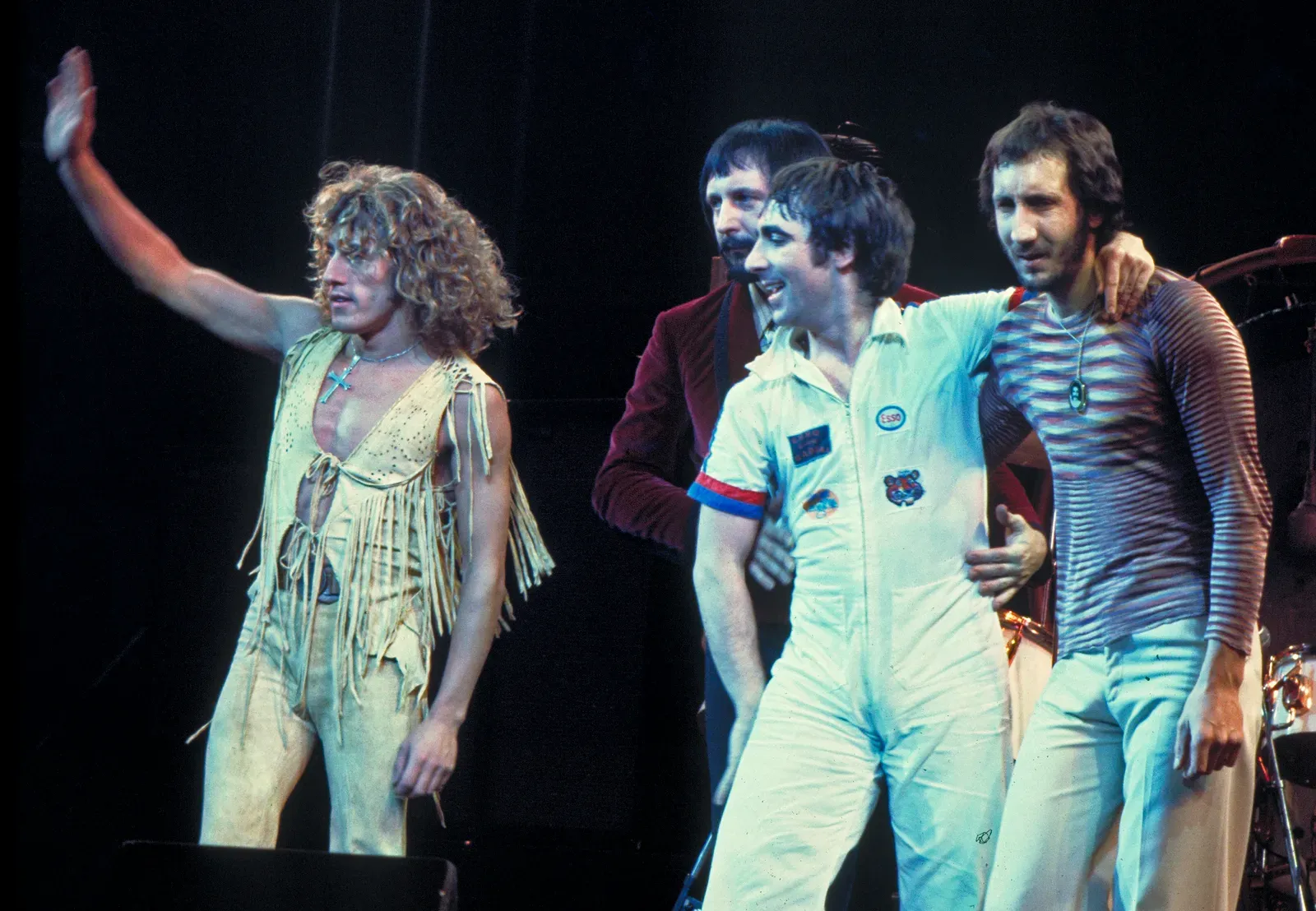
In a bizarre ban instituted by the BBC, The Who’s song “My Generation” was removed from radio airplay because the BBC felt the line “Why don’t you all f-f-f-fade away” might be offensive to those with a stutter. This was many years before absolutely everyone was offended by absolutely everything.
As a result, no one really believed this line of reasoning, and most people thought the suggestion of a much more offensive f-word was the real reason for the ban. Apparently, even the suggestion of an obscenity was enough for them. However, the song was wildly popular, which prompted the BBC to eventually reverse their decision. Let’s be real: a stuttering concern from a broadcaster policing a rock anthem is perhaps the most creative excuse for censorship ever invented.
5. “Rumble” by Link Wray – Banned for Having Zero Lyrics


Link Wray’s 1958 classic “Rumble” was originally banned from many U.S. radio stations, notably in Boston and New York, for fear of the song inciting gang violence. Although it did not take much for a song to be banned back in the 1950s, even by the sensibilities of the time, banning “Rumble” is a stretch for the imagination because the song contains no vocals. That is zero words.
It was not the raucous rock ‘n’ roll sound of the song that caused the widespread boycott from radio stations but rather the song’s title that proved too much for several radio DJs, and therefore the song was banned. Surprisingly, the banning of Link Wray’s song didn’t have much negative impact on the tune’s commercial success. Think about that for a moment. An instrumental. No words. No lyrics. Banned because of what the song was called. It’s almost performance art in censorship.
6. “The Monster Mash” by Bobby “Boris” Pickett – Banned for Being Too Morbid

Bobby “Boris” Pickett’s “The Monster Mash” is now a Halloween staple, but in 1962 it was banned from airwaves in the UK for being “too morbid.” British broadcasters worried that the song’s references to graveyards and monsters would be unsettling for listeners. This surprising decision highlights the sometimes arbitrary nature of censorship and the cultural differences in what’s considered acceptable.
Despite the ban, the song became a perennial favorite, proving that what’s controversial in one era can become beloved in another. Today, “The Monster Mash” is practically a children’s song. It plays at school Halloween parties. It is one of the most harmless, goofy things ever committed to vinyl. The idea of British radio executives clutching their pearls over it in 1962 is almost impossible to picture. Almost.
7. “God Save the Queen” by Sex Pistols – Banned for Offending the Monarchy During the Jubilee


No song ruffled feathers in the UK quite like the Sex Pistols’ “God Save the Queen.” Released during Queen Elizabeth II’s Silver Jubilee in 1977, the song’s anti-monarchy lyrics and confrontational tone led to an immediate ban by the BBC and other broadcasters. The lyrics, calling the monarchy a “fascist regime,” were seen as deeply disrespectful and inflammatory. The ban didn’t stop the song from reaching number two on the UK Singles Chart. Some even claim it was deliberately kept from the top spot.
The incident stands as a defining moment in punk history and a bold challenge to authority. Here’s the thing: the ban essentially turned the Sex Pistols into living, breathing symbols of everything the establishment feared. Sometimes there is no better publicity than telling an angry audience they cannot hear something. The forbidden always sounds louder.
8. “Wake Up Little Susie” by The Everly Brothers – Banned Because Two Teenagers Fell Asleep

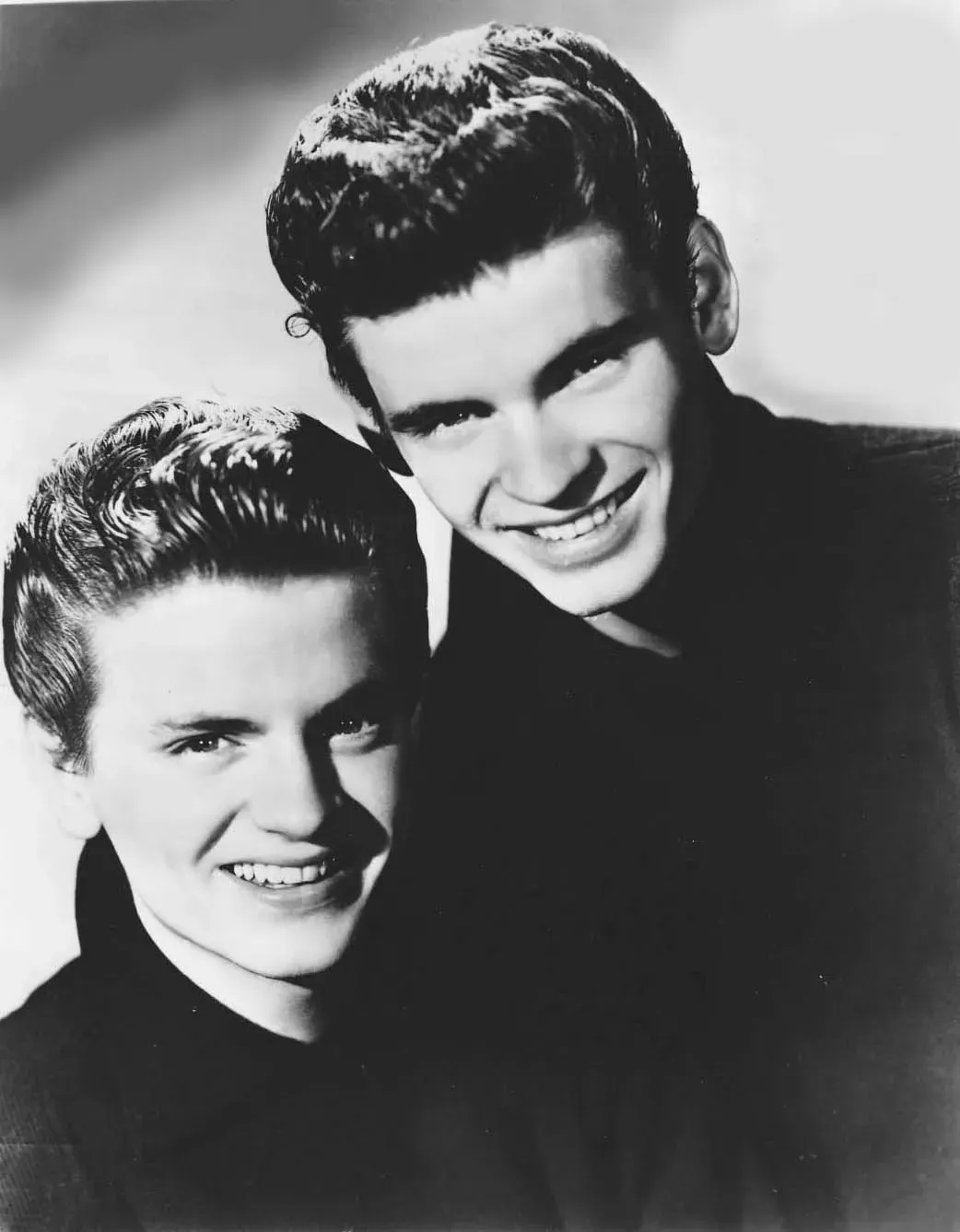
The Everly Brothers’ 1957 number one hit “Wake Up Little Susie” was banned in Boston because it had parents wondering just what their children were doing after they assumed they were asleep. This is yet another case of 1950s puritanical thinking, which often stifled the creativity of the musicians of that era.
Despite their wholesome image, the Everly Brothers made the news when this hit song was banned by radio stations because it was all about a pair of teenagers sleeping together. In this case, the emphasis really was on sleeping. Two teenagers fell asleep at the movies. That was the scandal. They missed curfew. The sheer panic that this caused among radio programmers in 1957 tells you everything you need to know about the era’s grip on wholesome paranoia.
9. “Puff the Magic Dragon” by Peter, Paul and Mary – Banned for Being a Dragon Story


In 1970, Vice President Spiro Agnew described rock music as “blatant drug culture propaganda” and warned that it threatened “to sap our national strength unless we move hard and fast to bring it under control.” He immediately went on a crusade to ban songs that referred to drugs. This included Peter, Paul, and Mary’s child-friendly ditty “Puff the Magic Dragon,” which allegedly referred to drug use. Songwriter Peter Yarrow always said it was merely an innocent fantasy with no hidden meaning.
It is hard to say for sure what the Vice President was reading into that song, but the idea of a government official launching a national crusade against a song about a dragon and a little boy named Jackie Paper is genuinely something. The ban on this cheerful tune sparked a widespread debate about the relationship between political power and music censorship that echoes in discussions even today.
10. “Royals” by Lorde – Banned Because of a Baseball Team’s Name

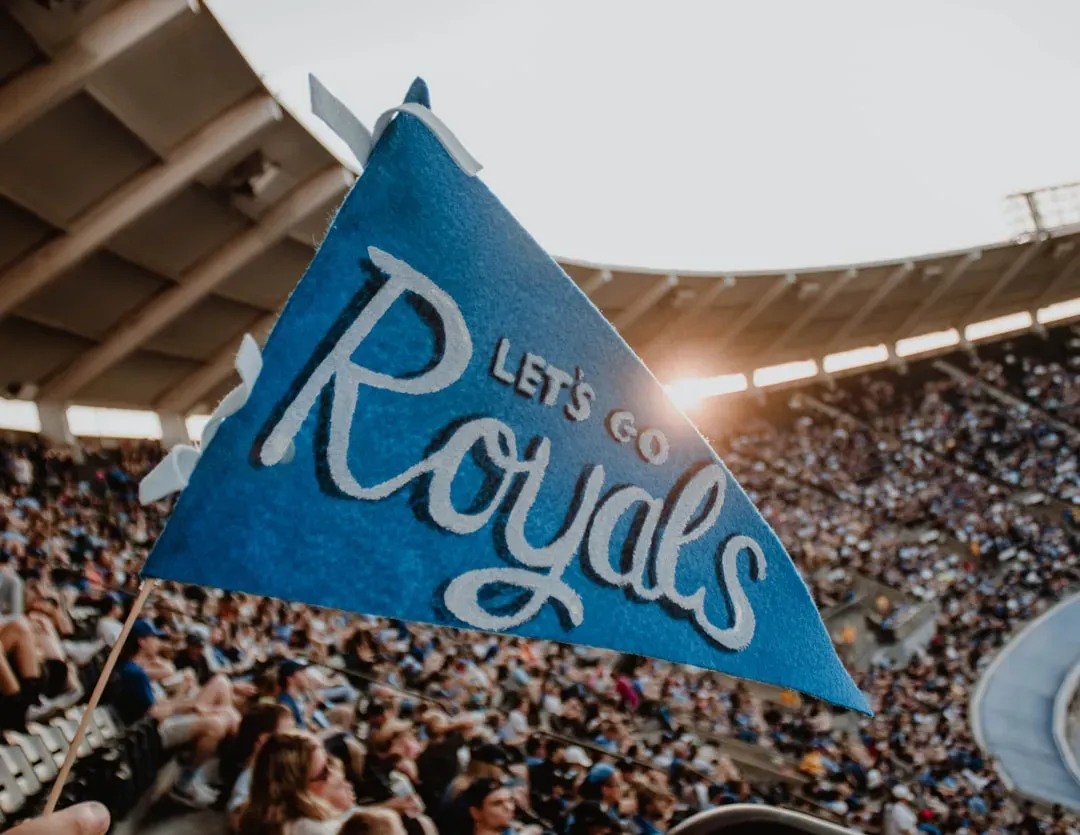
Two San Francisco-based radio stations banned Lorde’s 2013 hit song “Royals” from their rotation because of the song’s casual connection to the American League champion Kansas City Royals. The San Francisco Giants faced the Royals in that year’s World Series. The song was banned by 96.5 KOIT, with program director Brian Figula announcing the removal of Lorde’s “Royals” from their playlist until the end of the World Series.
The actual lyrics of “Royals” have almost nothing to do with baseball aside from the name. According to Lorde’s mother Sonja Yelich, the singer was leafing through old National Geographics when she saw a 1976 picture of third-baseman George Brett, and was inspired by the word “Royals” emblazoned on his uniform. Meanwhile, Kansas City’s KZPT announced they would pump “Royals” into the highest possible rotation, playing the song every hour on the hour on Tuesday. A pop song banned by sports loyalty. You genuinely cannot make this stuff up.
11. “Relax” by Frankie Goes to Hollywood – Banned by One Man’s Personal Disgust
In January 1984, Radio 1’s Mike Read refused to play Frankie Goes to Hollywood’s “Relax” on his mid-morning show, declaring it “overtly obscene,” a decision which the BBC then followed. Frankie Goes to Hollywood’s first release, “Relax,” caused the stuffed shirts at the BBC to have near-seizures. The ban was initially prompted by DJ Mike Read, who publicly refused to play the song on his radio show, having interpreted and cited the lyrics as “sexually explicit.” Almost simultaneously, the BBC slapped its “no play” edict on the track, and it went unheard on BBC radio and television throughout most of 1984.
Commercial radio stations had continued to play the track throughout the controversy, and by Christmas 1984 the BBC had been embarrassed into relaxing their “Relax” policy. The irony of one individual DJ single-handedly triggering a full broadcasting ban is remarkable. It is basically proof that one person with enough authority and a very low tolerance can shape what an entire nation gets to hear. That is a genuinely unsettling thought.
12. “Enola Gay” by Orchestral Manoeuvres in the Dark – Banned on Children’s TV Because of the Word “Gay”


In the case of Orchestral Manoeuvres in the Dark’s 1980 anti-war song “Enola Gay,” a ban was applied only to its airing on the BBC’s children’s programming, as some within the organisation perceived the word “gay” as a corrupting sexual influence. The song itself is a haunting anti-war piece about the plane that dropped the atomic bomb on Hiroshima. There is nothing remotely to do with sexuality in the entire track.
The reasoning essentially ignores the song’s deeply serious historical subject matter entirely in favor of fixating on a single word taken completely out of context. Censors managed to overlook a song about nuclear devastation and mass death, yet flagged the word “gay” as the dangerous element. There is a long and colorful background of music censorship, but this act of suppression has often resulted in a creative resurgence. That certainly proved true for OMD, whose reputation for serious, thoughtful songwriting only grew stronger in the face of such a baffling call.
A Final Thought on the Absurdity of Music Bans

Looking back at these twelve cases, one pattern keeps emerging: the bans almost never worked. Radio stations have censored or banned records for almost as long as they have been playing them. Yet the songs that get banned have a funny way of becoming more beloved, more iconic, and more culturally important than they ever would have been otherwise.
From a dragon story targeted by a sitting Vice President to a pop hit banned because of a baseball rivalry, the history of radio censorship is less a story about moral protection and more a story about misunderstanding, overreaction, and the strange power of authority to make completely ordinary things feel dangerous. As the broadcasters of the people, the BBC and others have always strived to uphold consistent, and sometimes antiquated, ideas of “public decency.” Scandalous songs packed full of lyrics about sex, politics, drugs, violence, and even religion have all been removed from the airwaves over the years.
Here’s a thought to leave you with: if banning a song about a sleeping teenager or a soft drink brand sounds ridiculous today, what decisions being made right now will future generations look back on with the same disbelief? What do you think about it? Tell us in the comments.


