Few things ignite an argument faster than a strong opinion about a beloved TV show. Whether it’s a casual comment at the dinner table or a hot take dropped into a group chat, the wrong words about the right series can turn perfectly reasonable people into surprisingly fierce defenders of fictional characters they’ll never meet. It’s one of the more entertaining contradictions of modern entertainment culture.
Watching patterns have also changed dramatically. Streaming, binge culture, and social media have compressed the timeline between a show airing and a show being dissected, spoiled, dismissed, or elevated to cult status. All of that means that some things people say about popular shows are not just annoying – they’re factually off-base, socially clumsy, or just genuinely unfair to the people who made them. Here are twelve of the worst offenders.
1. “The Finale Ruined the Whole Show”

This one is almost reflexive at this point. A beloved series ends, social media explodes, and within hours the verdict is in: the finale ruined everything. Series finales are virtually guaranteed to polarize at best and outrage at worst, but knee-jerk hate is frequently a short-sighted take, and there’s more to those endings than may meet the eye initially. The problem with “the finale ruined it” is that it retroactively erases years of storytelling that genuinely mattered to millions of people.
Shows like “Lost,” which were famously divisive in their endings, actually hold up significantly better as a binge – watching it all at once is a much more fulfilling experience in seeing the pieces come together, leading to a final season and finale that makes a lot more sense when you take the show in its entirety. A weak final episode doesn’t undo five seasons of great television. It just means the ending didn’t stick the landing – and that’s a very different thing.
2. “It’s Just a Show, Don’t Take It So Seriously”
This is the comment that tends to show up when someone else is passionate about something you don’t happen to care about. Fandoms have been around for a long time and are not going to disappear anytime soon, and it is important to note that not everyone in fandoms engages in toxic behavior – a good majority of fans are nice people who are very passionate about something. Telling them to care less isn’t a neutral observation. It’s a dismissal dressed up as perspective.
Television, at its best, does real emotional and cultural work. Shows have helped viewers process grief, understand mental illness, feel seen by mainstream culture for the first time, and build lasting communities. Passion for a series isn’t a personality flaw. It’s often a sign the storytelling did exactly what it was supposed to do.
3. “I Can’t Believe You Haven’t Seen It Yet”

There’s a specific brand of social pressure that comes with a massively popular show in the streaming era. In today’s digital age of streaming, social media, and around-the-clock entertainment coverage, avoiding spoilers for your favorite movies and TV shows can feel like a full-time job – and whether you love them or hate them, spoilers are nearly impossible to escape. Piling onto someone for not being current doesn’t make them want to watch faster. It often makes them resent the show before they even start.
People have jobs, kids, limited time, and wildly different entertainment priorities. A survey found that a whopping majority of respondents said they’ve had a movie or show spoiled for them in the past year. The social expectation to be current is real and exhausting, and shaming someone for falling behind does nothing useful for anyone.
4. “It Got Good Reviews So It Must Be Overrated”
Contrarianism is its own kind of conformity. There’s a reflexive instinct in fan culture to assume that anything widely praised must be inflated by hype, and to stake out skepticism as a form of independence. Some fans have pointed out that when shows became so popular, people focused on the hype and didn’t pay attention to what was actually happening. That’s a real phenomenon – but the response to hype-blindness shouldn’t be reflexive dismissal of quality either.
Critical acclaim exists for a reason. Writers, directors, and actors spend enormous amounts of time and craft producing work that earns genuine recognition. Deciding something is overrated before you’ve watched it, or purely because it has a strong Rotten Tomatoes score, isn’t skepticism. It’s just a different kind of bias.
5. “The Old Seasons Were So Much Better”
Nostalgia has a way of rewriting the past. Fans of long-running shows often develop a protective reverence for the early seasons, sometimes at the expense of fair-minded viewing. Debates about later seasons being inferior to earlier ones often cite scattered pacing and a rushed final run – but those judgments don’t always account for the genuinely difficult structural challenges that come with long-form storytelling. Comparing the freshness of a pilot season to the weight of a fifth or sixth run is rarely a fair contest.
Shows change because their writers take creative risks, because cast members leave, and because audiences themselves evolve. Not every change is a decline. Some of the richest storytelling in television history has happened in later seasons, when writers finally had enough space and trust from networks to go somewhere unexpected.
6. “The Book Was Way Better”
Adaptations and source material exist in genuinely different creative ecosystems. A novel and a television series make completely different demands on their audiences and their creators. The common refrain that the book is always better than the adaptation isn’t always accurate – some adaptations arguably improve on or perfectly capture the source material. Saying it as an automatic response to any book-to-screen project mostly just signals a preference, not a fact.
Television adaptations have to make practical decisions about pacing, budget, cast, and episode count that novelists never face. Even in high-profile cases like “Game of Thrones,” the relationship between the source material and the show became complicated when the author was creatively out of the loop by the later seasons. Judging a show for not being a book is a bit like judging a painting for not being a photograph. They’re simply not the same thing.
Partner offer
7. “Anyone Who Likes This Show Has Bad Taste”
This one manages to be both condescending and factually empty at the same time. Taste in entertainment is genuinely subjective, shaped by personal history, cultural context, and emotional state in ways that resist any kind of universal ranking. “X sucks” or “X is the best” are and will always be just opinions, no matter how universally accepted or justified – going against such opinions is a fandom disagreement, not an objective misconception. Weaponizing taste as a metric of intelligence or character says more about the person making the claim than the people they’re aiming it at.
Popular shows are popular because they connect with real human beings across a huge range of backgrounds and experiences. Dismissing that connection as a character flaw in the audience is lazy thinking. Reality television, procedural dramas, and glossy soap operas all have genuine merit for the people they serve – and condescension doesn’t improve anyone’s taste, it just creates resentment.
8. “They Only Cancelled It Because of the Toxic Fanbase”
Cancellations are almost always about money. The countless impacts of Hollywood’s faltering business model can be felt throughout episodic and feature productions, with the streaming era experiencing an ongoing decrease in new series getting greenlit and an uptick in single-season cancellations. Attributing a cancellation to fan behavior, rather than viewership numbers and financial performance, is almost always an oversimplification – even when the fan discourse was genuinely unpleasant.
If a show isn’t immediately at the top of the daily views, it’s in trouble – as happened with shows like “Kaos” and “My Lady Jane” in 2024, despite some great reviews and vocal fan bases. The streaming economy is blunt and data-driven. Fan toxicity is real, but it rarely determines whether a show survives. Subscriber numbers and engagement metrics do that work instead.
9. “Criticizing a Show Is the Same as Hating the People Who Made It”
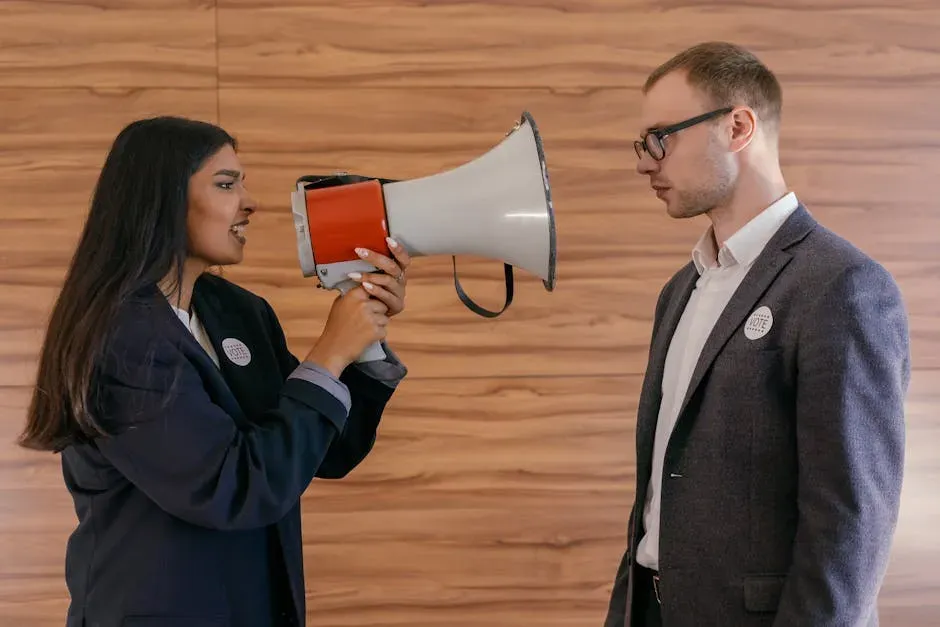
This conflation causes real confusion in fan spaces. Thoughtful criticism of a show’s writing, pacing, or structural choices is not a personal attack on the cast or crew. The concept of “toxic fandom” has become a buzzword in the past couple of decades, particularly as more and more people go online to express opinions about their favorite shows – and there’s nothing wrong with chatting about art, though the toxicity comes in when fans are gleefully and unfailingly negative for pernicious reasons. The distinction matters enormously.
A common misconception is that arguing equals toxicity – arguing is actually healthy if handled well. Disagreement about the quality of a season’s writing is not harassment. Fans who find a beloved show’s later run disappointing have every right to say so. The line that matters is between critiquing the work and targeting the people.
10. “It’s Only Popular Because of the Algorithm”
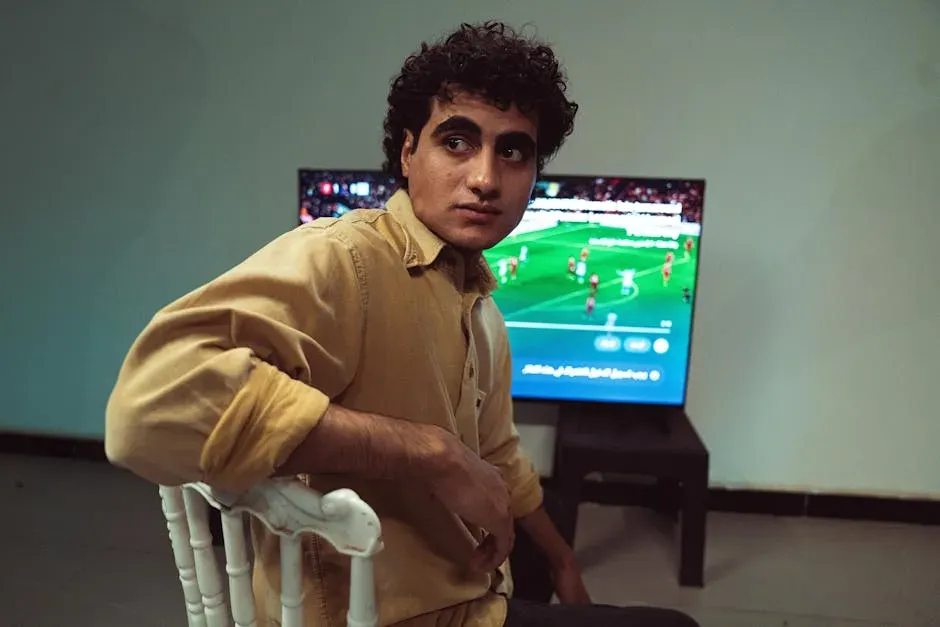
Streaming recommendation systems do influence what people watch – that’s not really in dispute. But the implication that algorithmic visibility is the sole reason a show connects with millions of viewers underestimates audiences considerably. People are perfectly capable of watching something a platform recommends and then turning it off after ten minutes. Completion, rewatching, and word-of-mouth spread require genuine engagement that no algorithm can manufacture.
Fans themselves have pointed out that when shows become hugely popular, people can get so caught up in the hype that they lose sight of what’s actually happening on screen – but the shows that sustain that popularity do so because something in the storytelling resonated authentically. Credit the algorithm for the introduction if you like, but the emotional connection that keeps viewers watching belongs to the writers and performers who earned it.
11. “Spoilers Don’t Matter After a Week”
The “it’s been out long enough” defense has never been as straightforward as people who use it tend to assume. Since there are no universally established rules for TV and movie spoiler etiquette, any insight is little more than subjective perspective and personal opinion. Viewing schedules vary wildly. Some people wait for a season to finish before starting. Others have life circumstances that keep them away from screens for weeks at a time. A one-week countdown is a social convenience, not an actual consensus.
In terms of real-world consequences, research has found that spoiler violations in the past year have led to verbal arguments, damaged friendships, and even broken romantic partnerships. Those consequences might seem extreme, but they reflect how much people genuinely value the experience of discovering a story on their own terms. It isn’t fair or right to ask people not to share their excitement, but it also isn’t right to force someone into knowing details of something they might want to enjoy with fresh eyes.
12. “If You Don’t Like It, You Just Don’t Get It”
This is the dismissal that fandom uses to insulate a show from legitimate criticism. It turns every negative response into evidence of the critic’s intellectual failure rather than a potential gap in the show’s execution. Not every fan will feel the same way about particular aspects of popular TV shows, and sometimes writers don’t understand what their viewers want – while other times, huge discussions amongst fans spark genuine debate. Both things can be true simultaneously, and neither cancels the other out.
Some finales and creative choices are deemed inconsistent with stronger episodes that came before, others feel like misdirection, and some just leave viewers cold – all of which are valid responses that deserve honest conversation rather than condescension. Complex, layered storytelling should be able to withstand genuine questions about its choices. A show confident enough in its own vision doesn’t need its fans to gatekeep the conversation for it.
The way people talk about television is, in a strange way, a mirror for how they talk about most things they care about. Strong opinions, shared enthusiasms, and sharp disagreements are all part of what makes popular culture feel alive and worth arguing over. The twelve things listed here don’t make someone a bad fan – they just tend to make the conversation smaller, less honest, and considerably less fun for everyone involved.
Partner offer
Planning a trip to Vegas?
Compare hotel rates and show tickets on VEGAS.com.