Most people, if asked what they want from a television show, will give a respectable answer. Good writing. Strong performances. A story that goes somewhere. All of that is true. None of it is the whole truth.
The real reasons viewers stay up until 2 a.m. finishing a season, or rewatch a show they’ve already seen three times, tend to live in a quieter, less flattering place. Psychology research and audience behavior studies have pulled back the curtain on what actually keeps people watching, and the list is more revealing than most viewers would comfortably admit.
1. A Villain They Can Secretly Root For

Unlike traditional heroes who typically embody virtues such as courage, selflessness, and unwavering morality, antiheroes are morally ambiguous and complicated. They possess traits and engage in actions that deviate from what viewers would do themselves. That gap is exactly what makes them magnetic. The distance between who we are and who a villain is feels safe enough to enjoy.
Carrying out socially unacceptable things in real life would bring negative consequences and damage our self-concepts, but watching safely from the sidelines as fictional villains do that can be satisfying. Dark characters can do what they want, unconstrained by social norms, much like Freud’s idea of what the id part of our psyche would like to do. There’s no threat to maintaining a positive sense of self, so identifying with fictional villains is a safe way to acknowledge those darker impulses.
2. The Comfort of a Show They’ve Already Seen
Rewatching a beloved series is one of those habits people rarely announce out loud. It sounds almost embarrassing to admit you’re spending a weekend with a show you’ve seen twice already. Yet the psychology behind it is straightforward. Rewatching an old movie or a show can give you the feeling that the world is predictable somewhere. In an unpredictable daily life, that predictability is genuinely soothing.
When you watch old movies and shows, it is like meeting your friends because you feel connected with the characters presented in front of you. That sense of reconnection, rather than novelty, is the real draw. Audiences want the warmth of a familiar world more than they’d ever openly say.
3. Parasocial Relationships With Characters
Viewers build emotional bonds with characters that feel surprisingly real. Parasocial interaction, or the one-sided relationships individuals form with characters from television and other media, can have negative and positive outcomes. By noting the positive aspects of parasocial interaction and implementing them, individuals can improve their well-being. While parasocial interaction should not replace real relationships, the behavior can supplement them in filling social needs and decreasing loneliness.
Research results suggest that binge watching increases the strength of parasocial relationships and the intensity of narrative transportation. Media engagement has been shown to increase media effects, suggesting that binge watching could change not only how audiences engage with narrative media but also the effect it has on them. Nobody’s proud to grieve a fictional character, but it happens more often than most admit.
4. Pure, Uncomplicated Escapism
When someone says they watch a show to “switch off,” they’re being more honest than they realize. Research published in Frontiers in Psychiatry reveals that binge watching often serves as a powerful emotional regulation mechanism. Viewers use continuous content consumption as a strategy to escape negative emotions, create temporary psychological distance from personal stressors, and immerse themselves in alternative narrative worlds.
Binge watching is frequently motivated by things like entertainment, social interaction, escapism, and stress alleviation. Its impacts, however, differ greatly, ranging from favourable emotional involvement to unfavourable behavioural and psychiatric outcomes. Binge watching lets viewers unwind and have fun while losing themselves in captivating stories and characters. Most people don’t frame it as escapism. They say they just wanted to “relax.”
5. Moral Ambiguity Without a Clean Resolution

While heroes are portrayed as paragons of virtue, villains reflect our flaws, fears, and struggles. According to research published in the Journal of Media Psychology, audiences are drawn to characters who experience moral dilemmas because they mirror the complexity of real-life decisions. Clean moral endings, where the good guys win and the bad guys lose neatly, actually leave many viewers cold. They just don’t say so.
These narratives often ask the audience to set aside the typical role of judge and jury, and instead to join in, to feel alongside evildoers and criminals. Engaging with these characters is, ultimately, a social exercise; it shapes one’s understanding of moral boundaries in the real world, including what the boundaries are and how people navigate them. Audiences crave moral complexity, even when they claim to want simple satisfaction.
6. Cliffhangers That Force the Next Episode

Viewers will complain about a cliffhanger ending out loud, then immediately press play on the next episode. The frustration and the compulsion are inseparable. Researchers examining popular streaming content note a specific focus on narrative techniques, cliffhangers, and emotional triggers that keep viewers engaged. The irritation of the unresolved is precisely the mechanism that works.
Autoplay, tailored suggestions, and cliffhanger-heavy plots are among the tools that streaming platforms use to greatly impact binge-watching behaviour. These design features promote extended viewing sessions and make disengagement challenging. In other words, the thing viewers claim to hate about streaming is the thing that keeps them watching for hours.
7. Drama and Conflict They’d Never Tolerate in Real Life

The appeal of reality television and dramatic shows stems from several different psychological pulls, including a natural fascination with drama and conflict. Humans have a natural curiosity in regards to disaster and discord. It’s a contradiction that most viewers navigate without thinking about it: they’d walk away from that level of chaos in their actual lives, but on screen, it’s exactly what they want.
Humans are naturally attracted to dramatic scenes, especially when on television and there are no direct consequences. In addition, reality television fosters an illusion of connection with its characters. Viewers believe they are witnessing authentic daily lives, leading to a sense of personal relationship with the individuals on screen. The safety of the screen is what makes the chaos pleasurable rather than threatening.
8. Characters Who Feel Like Real Friends

The most successful TV series rely heavily on strong characters. The series with longevity seem to have characters with some depth and complexity. That depth is what triggers genuine attachment. People don’t describe their feelings toward a character as “parasocial.” They simply say the character feels real to them.
Psychologically, it satisfies a need for connection. Even if we don’t know the contestants or characters personally, we feel like we do. Their vulnerability makes them relatable, and that relatability keeps us emotionally invested. Some of the strongest emotional responses audiences have are to people who don’t exist at all.
9. The Illusion of Authenticity
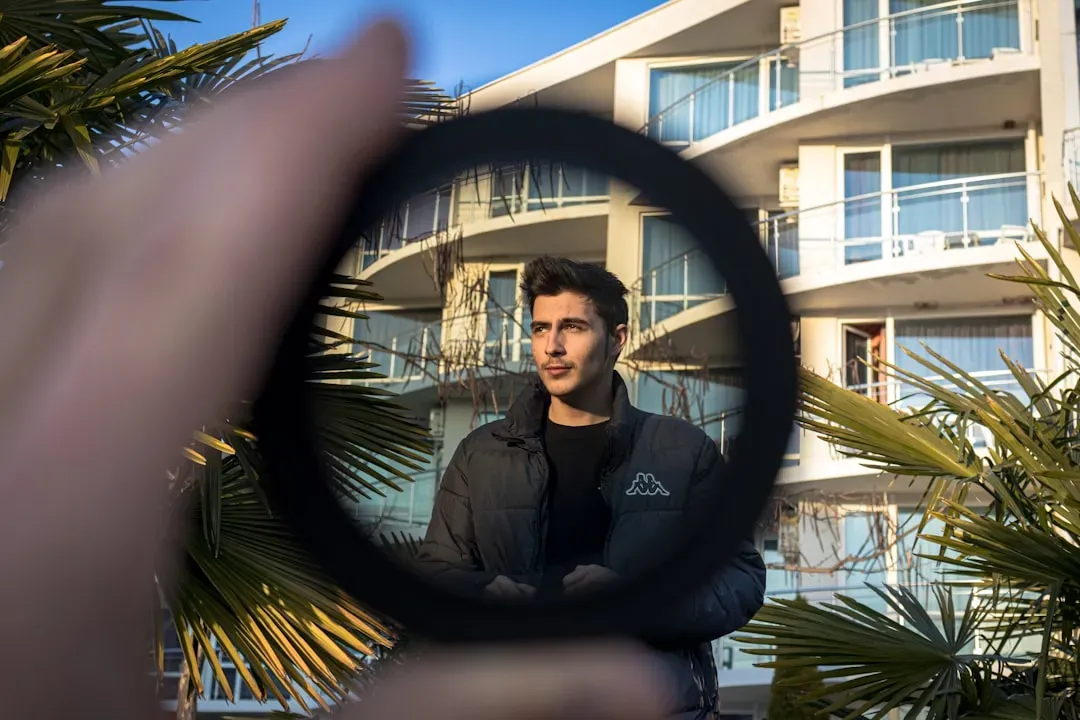
Viewers want things to feel real, even when they know full well they’re watching something constructed. Many viewers crave something that feels authentic, something that features real people who aren’t acting, or at least that’s how they perceive it. That perception matters more than actual authenticity. The feeling of realness is the product.
Partner offer
We all want stories that feel real. Even when we know there’s editing or planning behind the scenes, the emotions still resonate. There’s also something timeless about watching real people chase dreams, face challenges, or find love. Audiences aren’t naive. They know the machinery is there. They just prefer not to look at it directly.
10. Watching Characters Fail Spectacularly
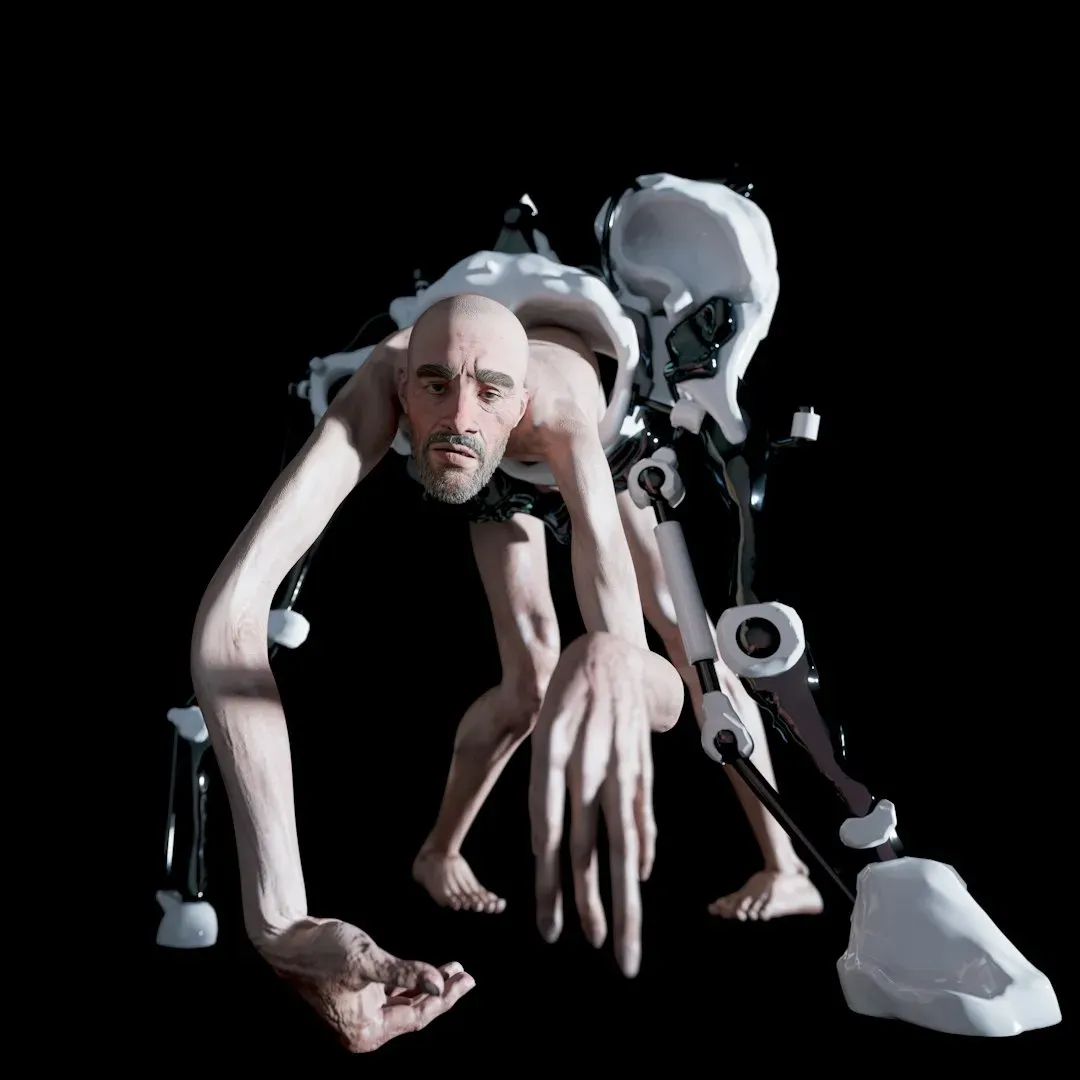
There’s a quiet guilty pleasure in watching a character’s carefully built life unravel. Researchers have noted that approving of a character’s behaviors can produce what the literature calls “positive dispositions,” while disapproving of a character’s behaviors can produce “negative dispositions,” which are associated with disliking and schadenfreude. Schadenfreude, that slight satisfaction in someone else’s downfall, is not something viewers readily confess to. Yet it drives enormous engagement.
The more viewers have invested in a character, the more potent the reaction when things go wrong. We are so captivated by characters’ actions that when they shift into a villainous role, we are left wondering how we were able to sympathize with them in the first place. That confusion, that mix of guilt and satisfaction, is part of the appeal, not a side effect.
11. A Social Currency to Talk About
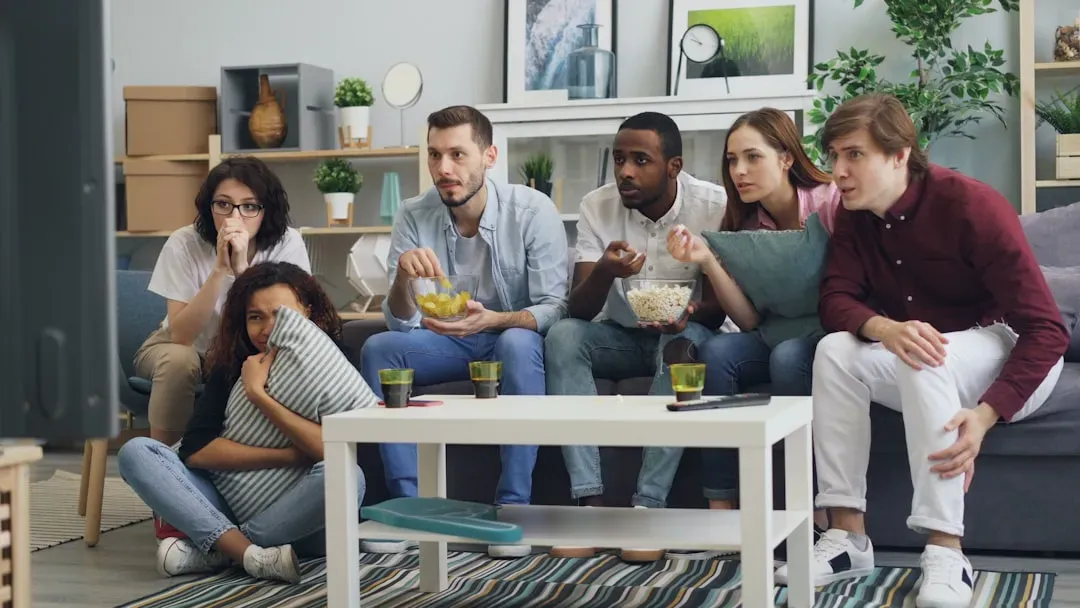
Television series have become contemporary social currencies, with viewers forming communities around shared narrative experiences. Discussions about plot twists, character developments, and storyline predictions have transformed from casual conversations into sophisticated social rituals. People often watch shows not because they’re passionate about the content but because not watching would leave them out of the conversation entirely.
Television viewers’ online program engagement, meaning their engagement in social media conversations about television programs, has become a measurable force in how shows build and retain audiences. Watching a show is one thing. Being part of the discourse around it is another, and for many viewers, the second part is quietly the more important one.
12. Emotional Release Without Personal Risk

Crying at a show feels different from crying about your own life. It’s the same release but without the vulnerability. Some media psychologists argue that part of the pleasure of so-called “transportation” into movies and TV is being able to experience danger or moral transgression from a safe distance. This applies just as much to grief, fear, and heartbreak as it does to moral darkness.
These shows encourage viewers to think critically about mental health, morality, and the complexities of human behavior. In many ways, they’ve served as a form of mass therapy, allowing us to explore difficult topics through the safe medium of fictional narratives. Most viewers wouldn’t describe a show as therapeutic. Still, that’s often precisely what’s happening.
13. Slow Burn Tension Over Fast Payoff
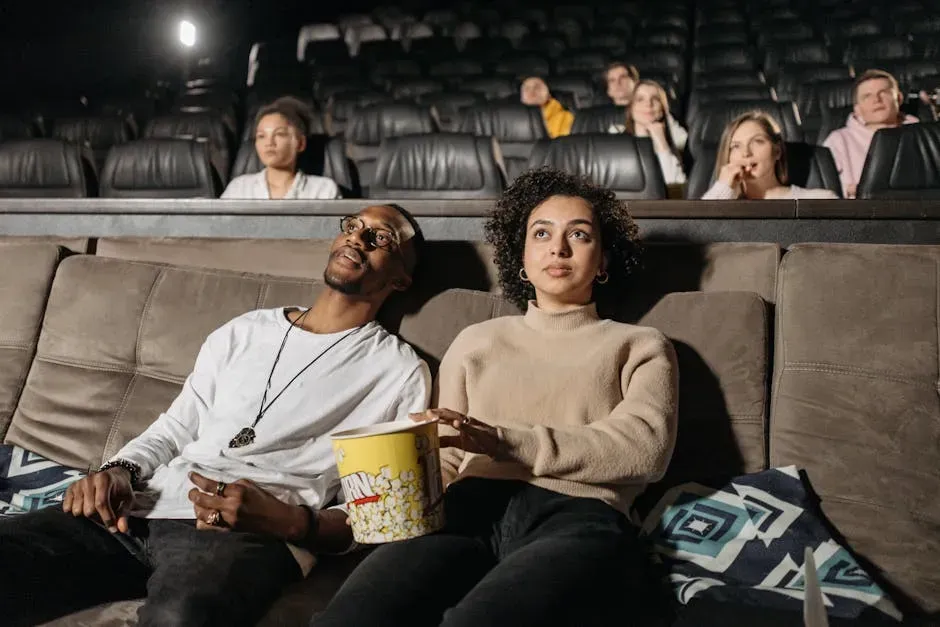
Audiences frequently say they want answers and resolution, but they tend to abandon shows that deliver too quickly. What keeps people watching isn’t the conclusion but the sustained uncertainty before it. The structure of reality and dramatic shows is designed to build anticipation. The slow burn, the episode that ends just before the reveal, is not a failure of pacing. It’s the mechanism itself.
Audience testing shows that narrative pacing matters enormously, and long exposition scenes were shortened after feedback showed attention drop-offs. Yet the tension before a payoff is different from exposition. Viewers sit with unresolved tension far longer than they’d admit they’re comfortable with, and they keep coming back precisely because of it.
14. Seeing Themselves Validated on Screen
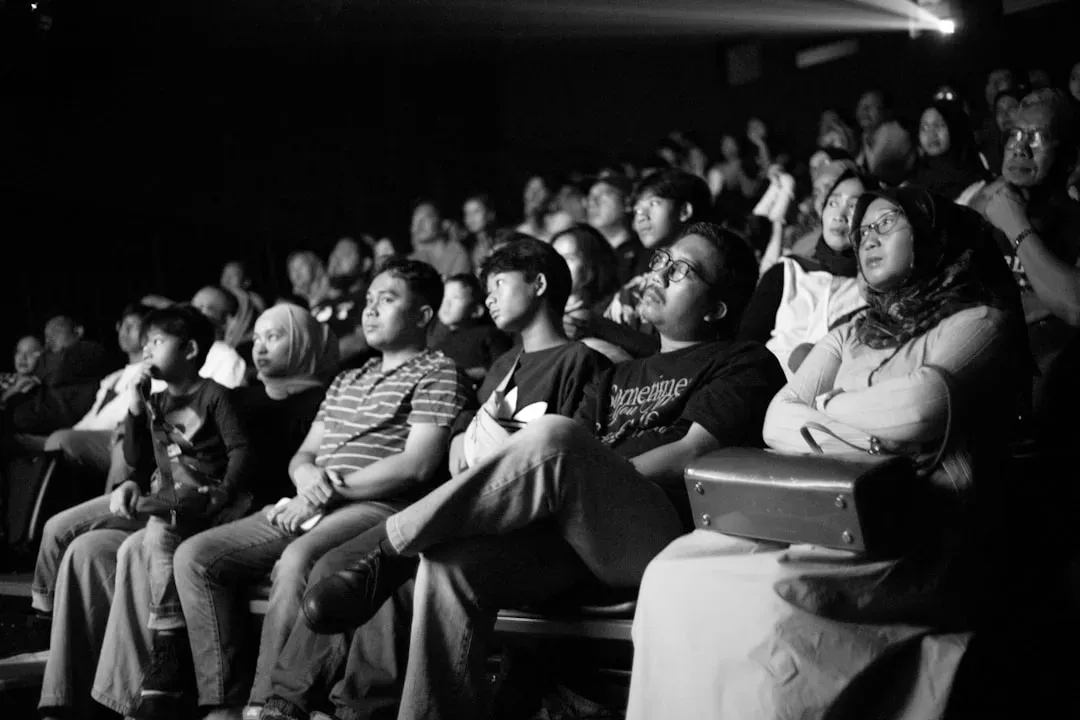
Representation is often discussed in terms of fairness and visibility, which is accurate. Less discussed is the personal, almost selfish dimension: viewers want to see someone who looks, sounds, or feels like them, not as an abstract principle but as a form of emotional confirmation. Reality TV and dramatic storytelling resonates because it mirrors human nature. People want to be seen, heard, and validated.
Viewers today are seeking more than just passive entertainment; they crave content that speaks to their values, emotions, and beliefs. Creating content that resonates on a deeper level requires a keen understanding of audience psychology and the ability to craft narratives that engage on both intellectual and emotional levels. The desire for on-screen validation runs deeper than most viewers consciously acknowledge.
15. Weird, Unsettling, or Psychologically Strange Content

The appetite for genuinely strange television has grown measurably. While 2023 was all about comedy series and 2024 came with a growing interest in medical dramas, streaming charts in 2025 were dominated by fantastically bizarre psychological thrillers and sci-fi TV shows. It’s the age of truly weird television. Audiences aren’t just tolerating strangeness. They’re seeking it out.
Psychology shows on Netflix and other streaming platforms are particularly well-positioned to push these boundaries. With their ability to take creative risks and cater to niche audiences, streaming services could be the breeding ground for the next generation of innovative psychological content. Viewers may not ask for “psychologically disorienting” content by name, but the viewing data tells a clear story.
16. A Sense of Belonging to a Fan Community
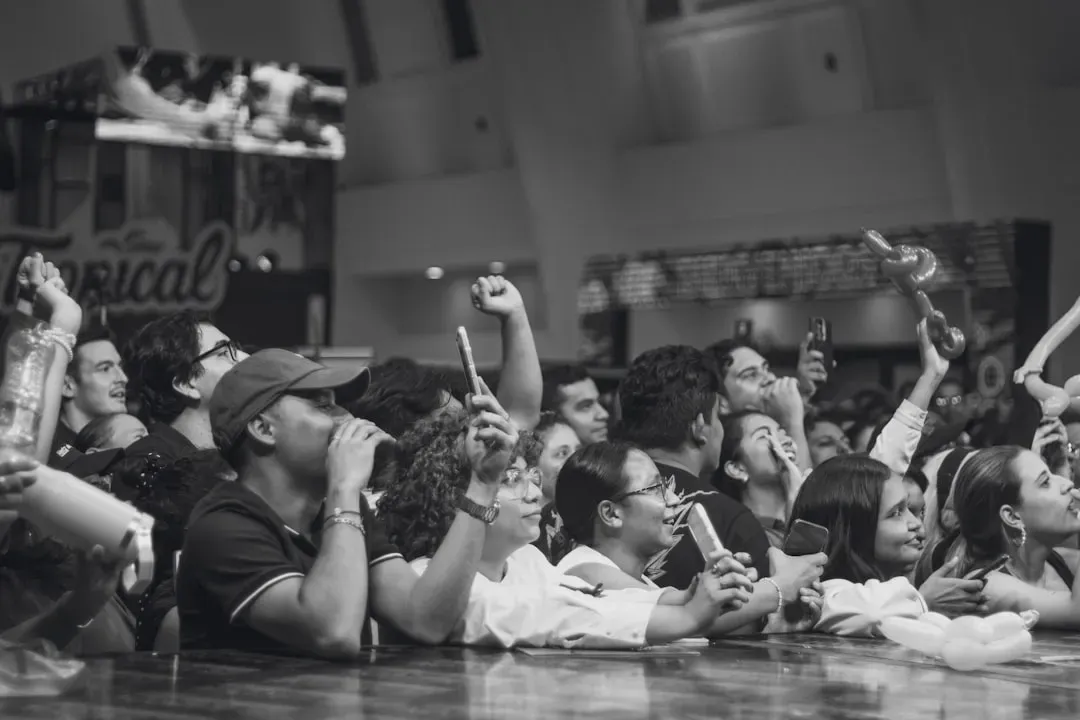
The show itself is sometimes secondary to the community built around it. Binge watching creates links between friends, family, and online communities by acting as a shared experience. Those links aren’t incidental. For many people, particularly younger viewers, the community IS the entertainment, and the show is just the shared text that makes conversation possible.
Despite the increased hype in digital content and social media trends, research suggests television is still a compelling medium for creating emotional identification and building trust and dialogue between producers and audiences. That emotional identification extends beyond the screen and into online spaces where viewers process, debate, and celebrate what they’ve watched together. Few people admit the forum matters as much as the show. Behavior suggests otherwise.
17. The Freedom to Watch Something “Beneath” Them
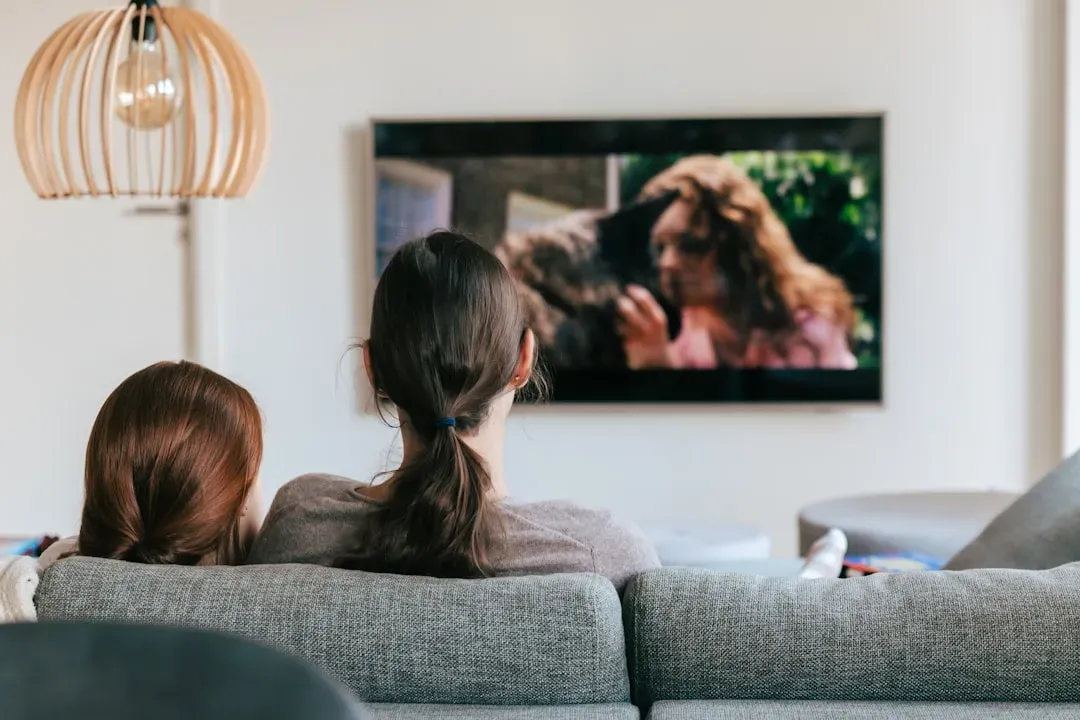
Plenty of dedicated viewers of prestige drama also quietly watch reality competitions, trashy dating shows, or episodes of things they’d never recommend to anyone. With the rise of TikTok, videos began claiming that “the smartest person you know watches reality TV.” Many found this validating, as someone was acknowledging that there might be more depth to this guilty pleasure than people assumed. The framing as a “guilty pleasure” is itself revealing. The guilt implies judgment. The pleasure is real and persistent.
In today’s fast-paced world, where content bombards consumers from all angles, the battle to capture and maintain attention has never been fiercer. With information overload and shortened attention spans, grabbing the audience’s focus is a high-stakes game. Sometimes the easiest win is the show that demands nothing of you. Audiences want that freedom more than they let on, and the viewing numbers confirm it every single week.
What people say they want from television and what they actually keep watching are rarely the same list. The research is consistent on this point: emotional safety, moral complexity, social belonging, and controlled chaos drive far more viewing behavior than quality alone. The shows that last tend to understand this, even if their audiences never quite say it out loud.
Partner offer
Planning a trip to Vegas?
Compare hotel rates and show tickets on VEGAS.com.