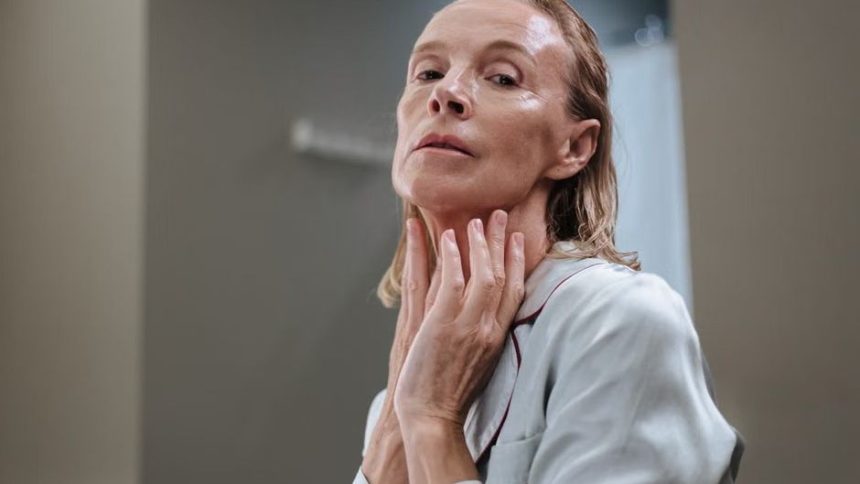
There’s a peculiar tension that happens when a beloved celebrity crosses into their fifties. The same fans who once celebrated them unconditionally start to notice things they never did before. Sometimes it’s a procedural change that looks off. Other times it’s the attitude, the wardrobe, or just the feeling that something has quietly shifted. None of it is entirely fair, but it’s undeniably real. What’s interesting is that these reactions rarely come from cruelty. More often, they come from a sense of loss. Fans have a long memory, and they hold onto the version of a celebrity they fell in love with. When that image changes in unexpected ways, the response can be surprisingly strong. Here are thirteen things fans consistently find unattractive about stars once they hit their fifties.
Overdone Fillers That Change the Face’s Shape
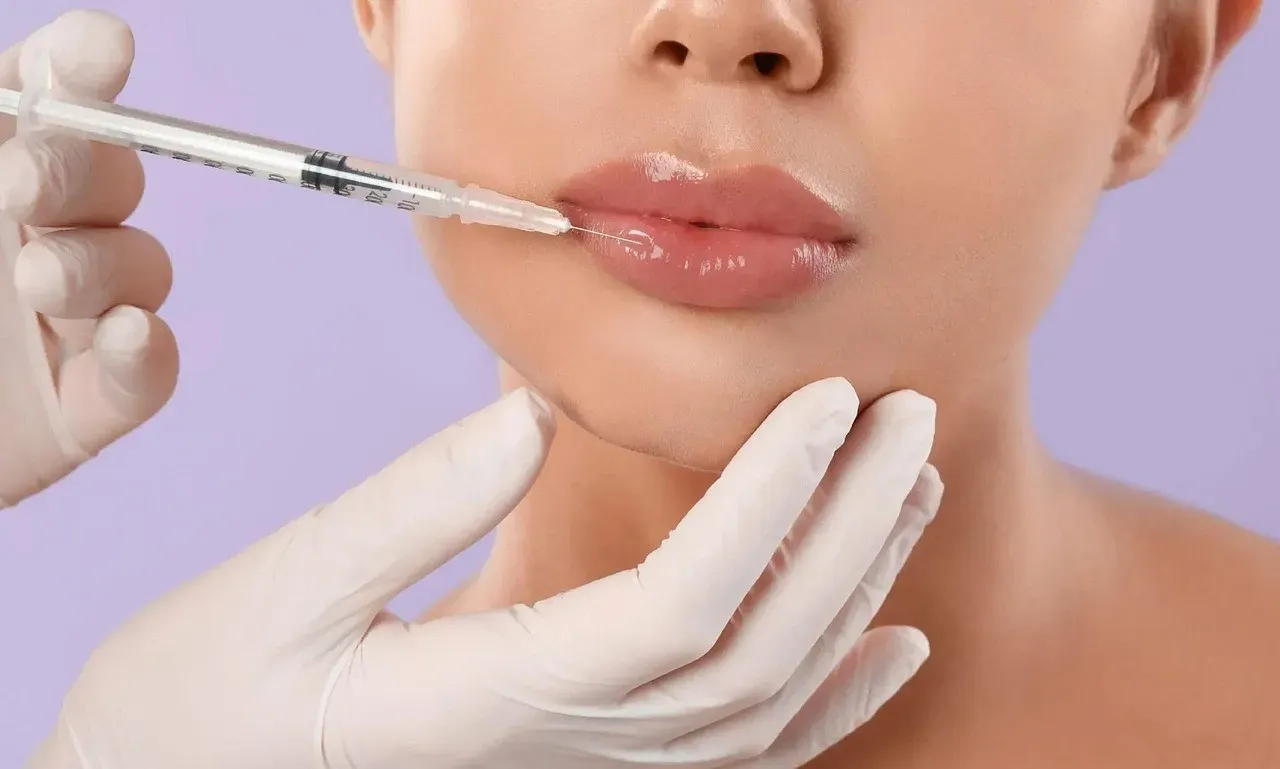
Of all the things that make fans uncomfortable, excessive filler use tends to land hardest. When someone relies too much on fillers, it can result in a blown-up appearance that reads as neither young nor natural. The original facial structure gets obscured, and fans feel like they’re looking at a stranger.
Madonna’s ever-changing look is part of her appeal, but her ageless appearance has sparked concern among fans. Many find her unnaturally fuller cheeks and lips unrecognizable, while plastic surgeons say it’s a sure sign she’s been visiting their offices. That loss of recognizability is a deeply uncomfortable thing for a fanbase to sit with.
The “Frozen Face” Effect from Too Much Botox
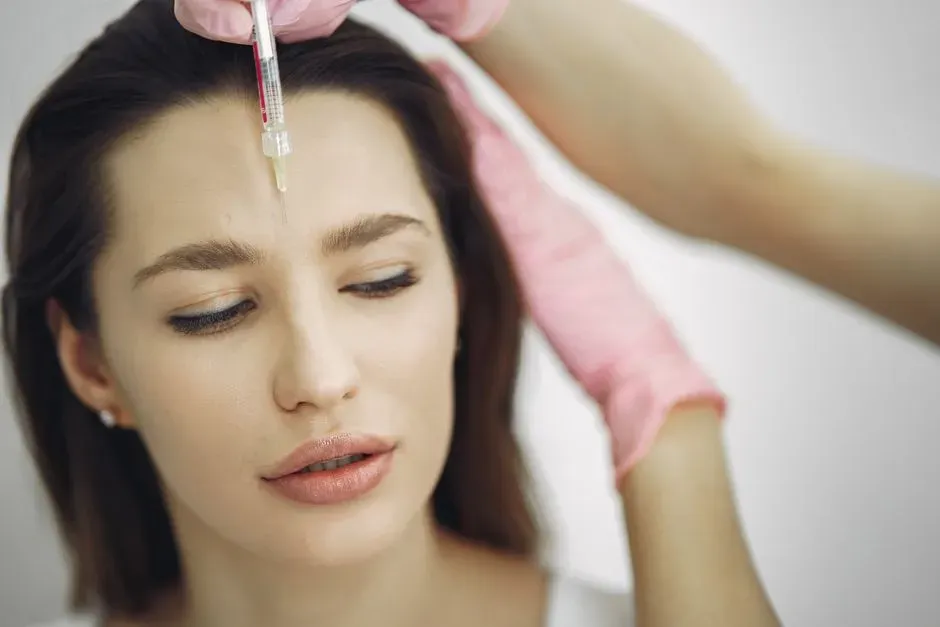
There’s a reason the phrase “frozen face” has become shorthand in pop culture. Jennifer Coolidge arrived at the 2025 Golden Globes with an age-defying smooth complexion that left fans feeling certain she’d had work done. The disappearance of natural wrinkles on the beloved actress’s face left some feeling worried she might become another Hollywood victim of overdone cosmetic surgery.
Fans actually find immobile facial expressions harder to connect with emotionally. Hosts and TV personalities who have gotten Botox often receive comments that their foreheads don’t move, a detail audiences notice more than most people might expect. When expression disappears, so does warmth, and warmth is a big part of why people admire someone in the first place.
Dramatic Weight Loss That Looks Unhealthy
Weight loss in older celebrities can generate admiration, but there’s a line fans recognize when it’s crossed. Sharon Osbourne lamented her extreme weight loss after being unable to regain weight after dropping 42 pounds over a four-month stretch in 2023 through 2024. The result struck many observers as alarming rather than aspirational.
Visible gauntness, especially in the face, tends to make fans uneasy in a way that carries no judgment toward the person’s choices. It simply triggers concern rather than admiration. When a face that once looked robust begins to look hollowed out, the emotional association shifts from attraction to worry, which is a very different thing entirely.
A Wax-Like or Artificial Skin Texture

Repeated cosmetic procedures over decades can leave the skin looking unnaturally smooth in a way that reads as artificial rather than youthful. Priscilla Presley has admitted to getting botched silicone injections by a phony doctor. She also received repeated laser and Botox treatments, resulting in what many observers described as a waxy appearance.
According to data from the American Society of Plastic Surgeons, more than 4.7 million cosmetic operations were performed in 2024 alone, with the average age of patients ranging from 35 to 50 years old. With that volume of procedures happening, it’s no surprise that outcomes can vary wildly, and fans notice when something looks more artificial than fresh.
A Face That Becomes Unrecognizable Over Time
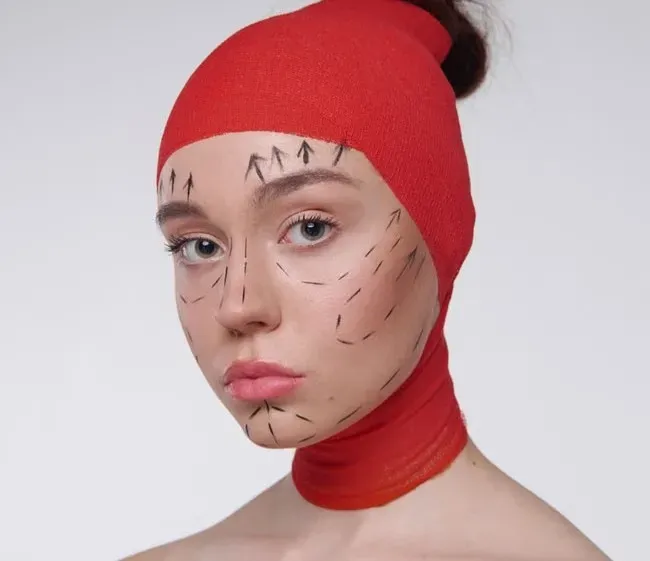
There’s a specific discomfort fans describe when a celebrity no longer looks like themselves. In 2023, after a controversial appearance at the Grammys where she looked “almost unrecognizable,” according to some fans, Madonna was forced to admit she was suffering from swelling due to cosmetic surgery. That moment crystallized a broader conversation about identity and alteration.
In the decades following the romcom boom of the 1990s and early 2000s, Meg Ryan aged differently than her popular films suggested she might. She became nearly unrecognizable, sparking widespread rumors of plastic surgery. Her appearance at the 96th Academy Awards brought a new wave of criticism and speculation. Fans grieve these transformations in their own quiet way.
Pulling and Tightening That Distorts Natural Features
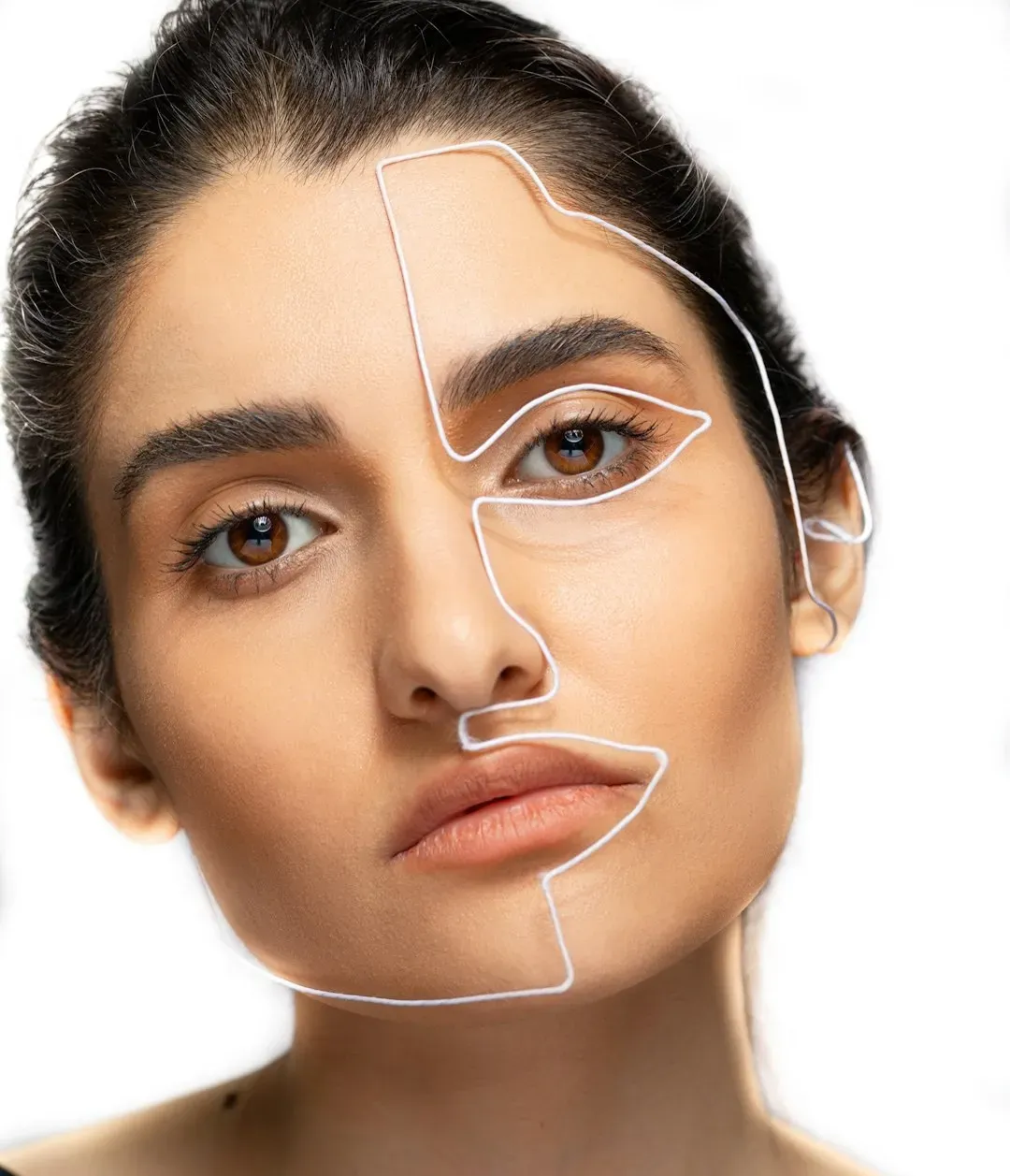
Facelifts, when overdone, create a visual tension in the face that many fans find disconcerting. Plastic surgeon Dr. Gary Linkov speculated that as Sylvester Stallone began his fifties, he underwent a facelift in addition to fat transfer. Other possible procedures over the years may include a brow lift and hair transplant. Some commenters made it clear they were taken aback by his shifting appearance.
Stallone’s appearance while visiting Mar-a-Lago in 2024 was likened by some observers to a Madame Tussaud’s wax sculpture. That comparison, however unkind it reads, reflects a very real reaction fans have when the physical transformation becomes too conspicuous to ignore. The face they’ve watched onscreen for decades no longer quite matches the one in front of them.
Visibly Regretted or Botched Procedures
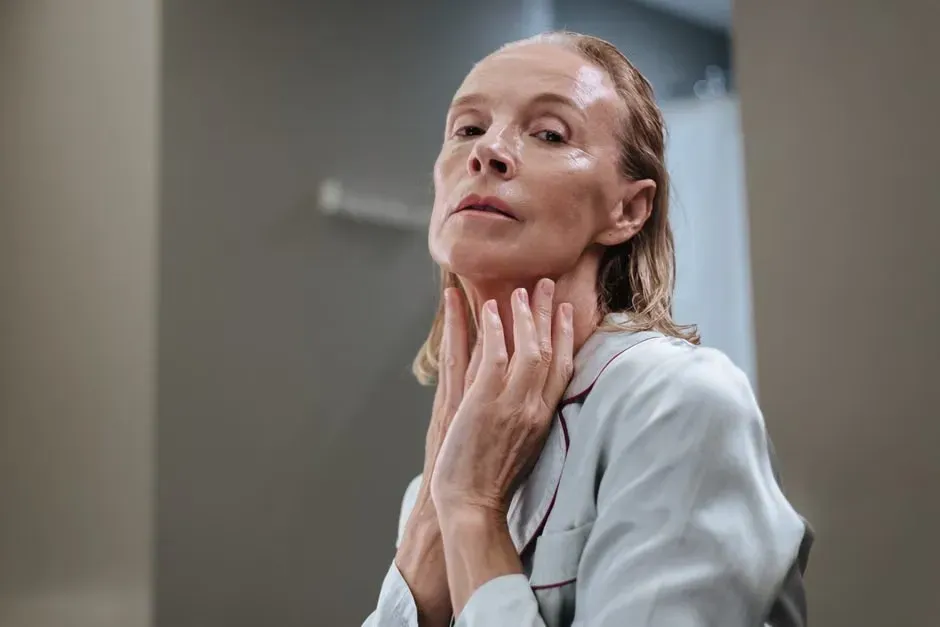
Perhaps nothing makes fans more uncomfortable than watching a celebrity visibly struggle with the results of something they chose to do. Sharon Osbourne has faced scrutiny over her appearance since the early 2000s. More recently, the focus has been on her forays into GLP-1 medications and surgery to alter her facial appearance, which even Osbourne herself has expressed regret about. Discussing a 2021 facelift, reportedly her third such procedure, she called it “the worst thing that I ever did.”
Osbourne told the Daily Mail in 2025 that she’d given up on all interventions, noting there wasn’t much skin left to stretch, pull or cut. Fans who watch these stories unfold in real time tend to find the results deeply unsettling, not because of cruelty, but because the visible regret is impossible to separate from the appearance itself.
Partner offer
Dressing in a Way That Feels Performatively Young
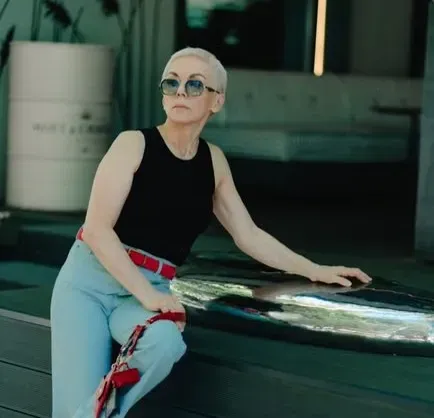
There’s a difference between dressing boldly at any age and dressing in a way that reads as an anxious refusal to acknowledge time passing. Fans are surprisingly good at detecting the difference. When an older celebrity adopts the exact aesthetic of a much younger performer, something feels off rather than empowering.
The widespread popularity of plastic surgery and cosmetic alteration reflects, for many observers, an unhealthy obsession with physical appearance and a cultural fear of aging. Wardrobe choices follow the same psychology. When clothes seem chosen to hide or deny rather than celebrate, fans pick up on that energy, and it tends to diminish rather than enhance the person’s presence.
An Attitude of Entitlement That Reads on the Face

Attractiveness at any age is shaped by more than features, and fans know it. Arrogance or dismissiveness makes people physically less appealing, full stop. Stories of celebrities being dismissive to fans circulate widely and tend to color how people perceive them entirely, including how they look.
With every aspect of their appearance constantly being scrutinized by both audiences and the industry as a whole, the incentive for celebrities to look perfect is as high as it could be. That pressure can curdle into an entitled self-obsession that fans detect even in photographs. A person visibly consumed by their own image projects something that most people, consciously or not, find unappealing.
Extreme Tanning or Sun Damage That Ages the Skin

Decades of tanning, whether from actual sun exposure or cosmetic bronzing, accumulate visibly on the skin by the time someone reaches their fifties. The leathery, deeply lined appearance that results from years of UV exposure is something fans increasingly associate with premature aging rather than a healthy glow.
Dermatologists have consistently documented how sun exposure accelerates the visible aging process, causing uneven pigmentation, loss of skin elasticity, and deep wrinkling well ahead of schedule. For celebrities whose tanned look was once considered part of their appeal, the cumulative toll by their fifties can become one of the more striking features of their appearance, and not in a flattering direction.
Heavy, Dated, or Overly Theatrical Makeup
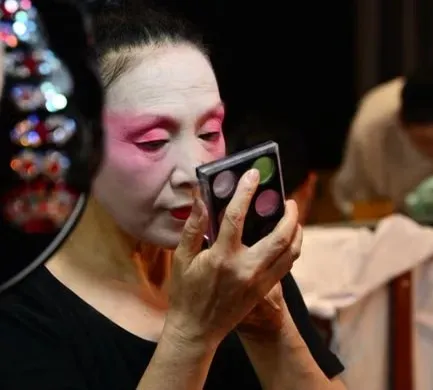
Makeup that once worked brilliantly in someone’s thirties can become something entirely different against older skin. Heavy foundation can settle into fine lines, dark contouring can look harsh under event lighting, and overly theatrical looks can read as an attempt to mask rather than enhance. Fans notice when makeup amplifies age rather than working with it.
For decades, Pamela Anderson wore a full face of makeup that often included over-lined lips and heavy eyeliner and eyeshadow. By the time she reached her late fifties, a period when some women might try to conceal their wrinkles under layers of product, Anderson went in the opposite direction entirely. Her pivot was widely praised, which says something about how fans actually feel about heavy cosmetic concealment at this stage of life.
Trying to Replicate a Decades-Old Signature Look
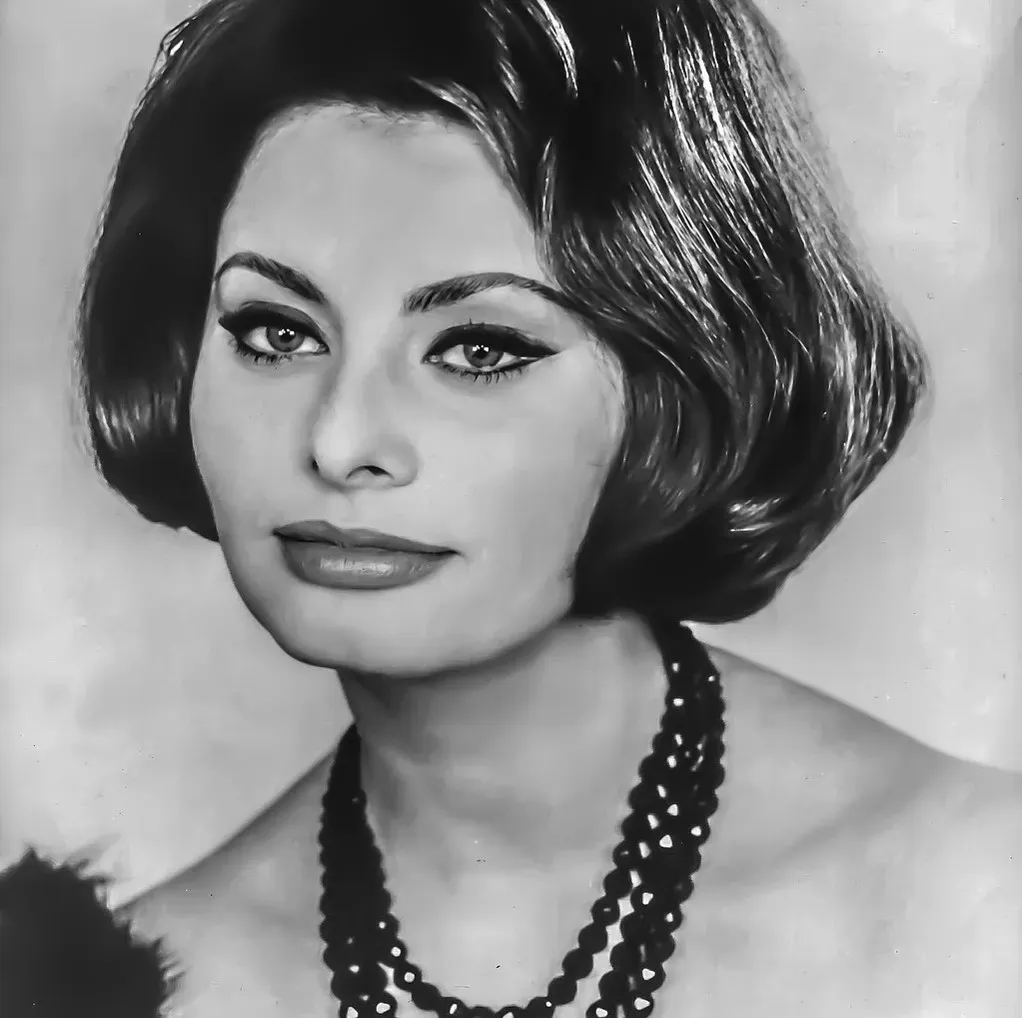
Every iconic celebrity has a look that defined them in their prime. The problem comes when that look gets frozen in time and replicated long past the point where it naturally fits. Platinum hair paired with the exact same silhouette from 1995, the same dramatic eye makeup from a 2002 music video. Fans recognize when a look has become a costume.
Brands and audiences are increasingly drawn to choices that are not based on traditional beauty ideals or older people imitating youth, but are instead chosen for their authentic value. That shift in what resonates reflects how fans genuinely feel. Authenticity ages beautifully. Imitation of a younger self, even one’s own younger self, tends not to.
Visible Disconnection Between Public Image and Reality

There’s a specific disappointment fans experience when a celebrity’s carefully managed image collides with reality. Heavily filtered social media photos that bear little resemblance to candid shots. Interviews that feel scripted to maintain a myth of eternal vitality. Fans in 2026 are sharp, and they tend to find the gap between performance and reality genuinely off-putting.
The widespread obsession with physical appearance reflects a cultural fear of aging. The 2024 film The Substance, starring Demi Moore, highlights the intense pressure on women, particularly those over 50, to maintain a youthful look, depicting this fixation through the lens of grotesque body horror. That film struck a nerve precisely because fans recognized the anxiety it depicted. The relentless performance of youth, when it becomes obvious, is perhaps the most quietly unattractive thing of all.
What ties most of these thirteen things together is the same thread: authenticity, or the absence of it. Fans over decades develop a genuine emotional bond with the celebrities they admire, and what tends to erode attraction most isn’t age itself. It’s the visible anxiety about age, and all the choices that anxiety drives.
Partner offer
Planning a trip to Vegas?
Compare hotel rates and show tickets on VEGAS.com.