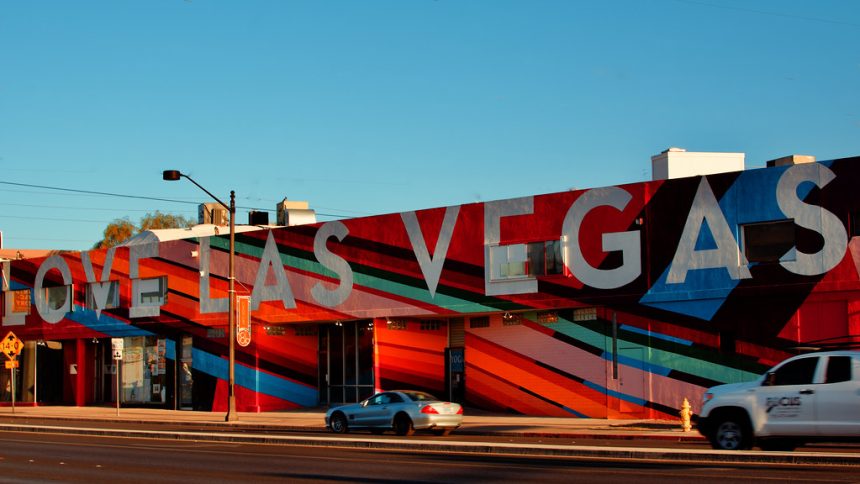
Las Vegas. The name alone conjures neon signs, roaring engines, and bumper-to-bumper traffic crawling down the Strip at midnight. Most people assume you can’t survive in this city without a set of wheels. Honestly, that’s been true for most of it – but not all of it.
Las Vegas as a whole carries a Walk Score of just 42, making it largely car-dependent. Yet specific pockets of the city tell a completely different story. A small but growing number of neighborhoods here are quietly proving that the “15-minute city” concept – where you can reach groceries, cafes, transit, work, and entertainment all on foot or bike – is not just a European idea. It’s happening in the desert, right now. Let’s dive in.
1. The Arts District (18b): Vegas’ Most Walkable Neighborhood

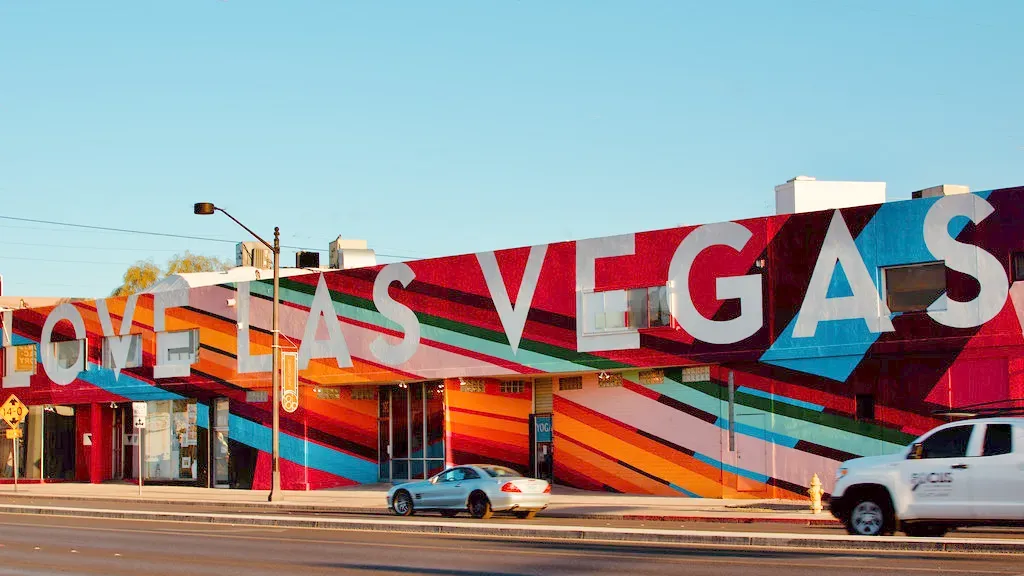
The Arts District is the most walkable neighborhood in Las Vegas, with a Walk Score of 86. That’s not just impressive by Vegas standards – that’s genuinely competitive with walkable urban pockets found in cities like Denver or Portland. Also known as 18b, it’s a vibrant neighborhood located just south of Downtown Las Vegas, home to numerous art galleries, studios, and performance spaces.
This neighborhood is a cultural playground filled with art galleries, vintage shops, funky cafes, and unique local boutiques – a pedestrian’s dream where you can sip a locally roasted latte, browse colorful murals, and find one-of-a-kind treasures, all within a few blocks. The monthly First Friday Art Walk is a popular event here, where visitors can explore galleries and enjoy live music and food trucks. Think of it like a self-contained creative village that happens to sit inside one of the most car-obsessed cities in America.
The Arts District has good public transportation and is somewhat bikeable, which adds real layers to the car-free lifestyle. Most errands can be accomplished on foot. For residents tired of being slaves to their gas tanks, that’s genuinely liberating.
2. Downtown Las Vegas (Fremont East): Old School Soul, New Urban Energy

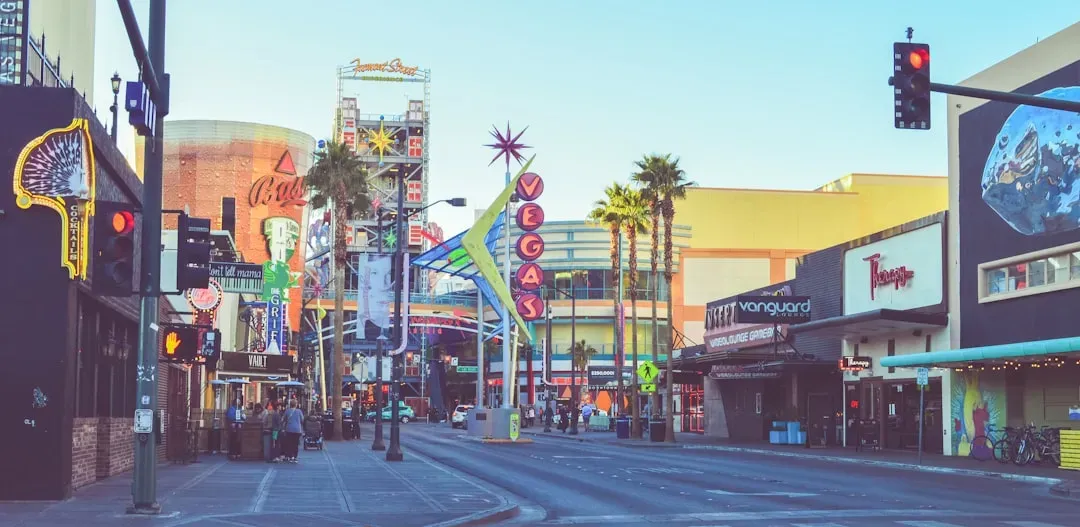
It’s hard to say for sure when Downtown Las Vegas started feeling like a real neighborhood rather than just a tourist trap – but something has clearly shifted. It is home to some of the oldest buildings in Las Vegas, including the iconic Fremont Street Experience, and with a Walk Score of 83, it is considered a very walkable neighborhood where residents and visitors can easily explore the area on foot.
You’ll find an abundance of local coffee shops, eclectic restaurants, street art murals, and unique boutiques to explore on foot – and whether you’re visiting the Fremont Street Experience or immersing yourself in the creative energy of this thriving community, Downtown Las Vegas offers plenty of opportunities for a walkable lifestyle. With tech companies and co-working spaces clustered in the area, professionals can conveniently live and work in DTLV.
Downtown has over 26,000 residents and good public transportation, and is also somewhat bikeable. The RTC Bike Share program has made car-free commuting even more practical here. Nearly 30 bike stations are now in operation, stretching from Stewart Avenue to the north, Sahara Avenue to the south, Rancho Drive to the west, and Eastern Avenue to the east.
3. Beverly Green: Quiet Streets, Sky-High Walkability

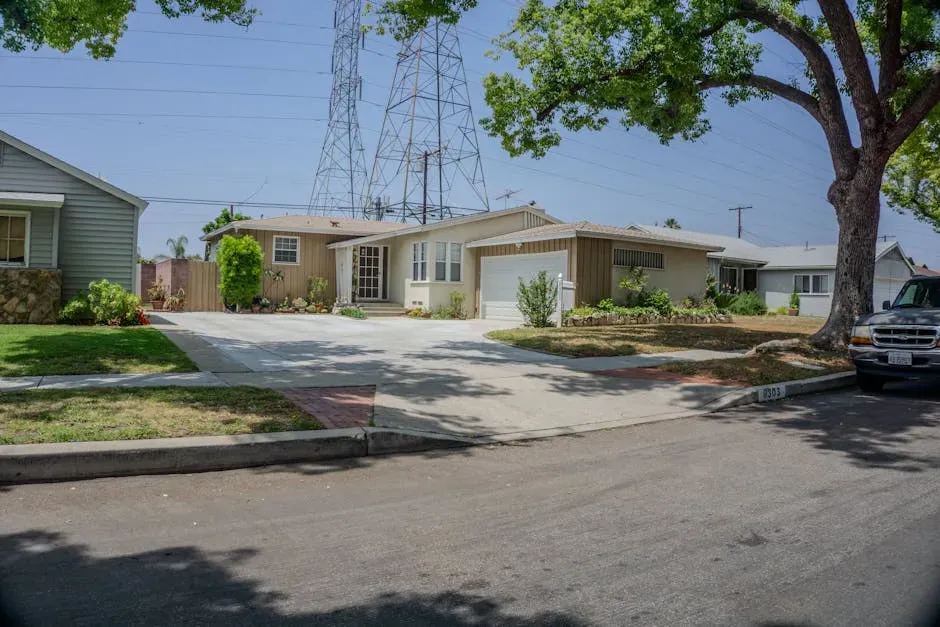
Beverly Green doesn’t get talked about enough, and I think that’s a real shame. Beverly Green has a Walk Score of 82, making it the second most walkable neighborhood in Las Vegas, and there’s a lot to love about the area – from its historic homes to its close proximity to the Las Vegas Strip. It sits in that sweet spot where you get urban convenience without the noise of a tourist corridor.
Partner offer

If your dream home looks like something straight out of Mad Men – vintage charm, big windows, retro vibes – then Beverly Green fits the bill. Established in the 1950s and ’60s, it has some of the most charming mid-century modern homes in Las Vegas. This neighborhood also has quite a few restaurants, coffee shops, and bars that are within walking distance. It’s the kind of place where a Sunday morning errand run doesn’t require you to touch your car keys.
Here’s the thing – Beverly Green also benefits from its proximity to transit connections feeding into the broader RTC network. The RTC is committed to developing a safe, connected, and convenient walking and bicycling system, and neighborhoods like Beverly Green are quietly reaping those benefits as new stations and routes continue to expand into central Las Vegas.
4. The Las Vegas Strip Corridor: Tourism-Driven Walkability With Real Transit Muscle

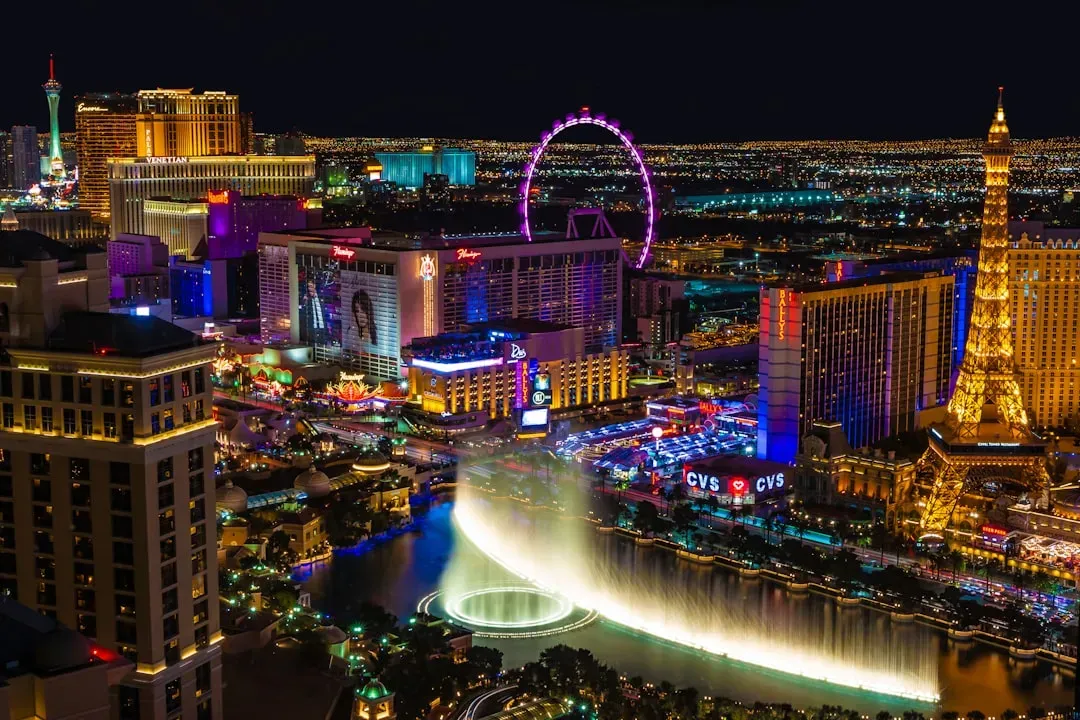
Okay, the Strip is a strange entry on this list – and I get that. Casinos on the Strip can feel deceptively close to one another, and what might look like a 15-minute walk can easily turn into a 45-minute urban hike once you factor in escalators, pedestrian overpasses, and casino lobby detours. Still, the transit infrastructure layered on top of this corridor is genuinely remarkable.
The Las Vegas Monorail is a 3.9-mile automated monorail mass transit system located adjacent to the Las Vegas Strip. In May 2025, it received $12 million in funding to keep the system operational until 2035. That’s a lifeline for the thousands of Strip workers and residents who rely on it daily – not just tourists. The central Strip is the most walkable and visually dense section, making it the most popular area for first-time visitors.
Beyond the monorail, the Strip benefits from free resort trams and the RTC’s Deuce bus, which runs around the clock. The 15-minute city model thrives here not because it was planned that way, but because dense land use and constant foot traffic created the conditions by default. Meanwhile, just west of the Strip, Las Vegas’ Chinatown is poised for significant transformation, with new renderings envisioning a walkable, revitalized corridor anchored by wider sidewalks, upgraded street lighting, and public art installations. That project, called Inspiring Spring Mountain, could soon extend the car-free zone deeper into the city’s west side.
The Bigger Picture: Is Las Vegas Actually Changing?
Let’s be real – the vast majority of Las Vegas households still own at least one car. The city was built around the automobile, and no amount of walkability scores will change that overnight. Walkable neighborhoods are becoming increasingly popular in cities across the United States, and for good reason – they promote a healthier lifestyle by encouraging physical activity, while also delivering numerous economic and environmental benefits.
The momentum is real though. In October 2024, the RTC Bike Share program expanded into East Las Vegas with 37 new electric bikes and 24 docks across six new stations, with the expansion made possible by $142,500 in federal funding. The Regional Transportation Commission also says a major transit project underway on Maryland Parkway could help its bike share program grow beyond downtown Las Vegas. That’s not nothing – that’s infrastructure investment signaling a genuine shift.
The RTC Bike Share system provides a fleet of 200 classic and electric bikes, available for rental 24/7, 365 days a year. For the neighborhoods covered in this article, that means car-free living isn’t just possible – it’s increasingly convenient. The 15-minute city in Las Vegas is small, fragmented, and still a work in progress. Yet within those four neighborhoods, it already exists.
What would you have guessed – that the city of neon and V8 engines would be quietly building one of the Southwest’s most interesting experiments in urban walkability? Tell us what you think in the comments.
Partner offer
Planning a trip to Vegas?
Compare hotel rates and show tickets on VEGAS.com.