Some sentences do more than open a book. They crack the entire world open. We’re talking about those rare, almost unfair combinations of words arrive so perfectly formed, so loaded with meaning, the moment you read them, something shifts inside you. Literature has produced thousands of brilliant sentences over the centuries, but only a few have truly changed how we tell stories altogether.
Research from the Harvard Business Review suggests stories activate key areas of the brain, making them more memorable and emotionally impactful than facts alone. So what happens when a single sentence does all of on its own? Let’s find out.
1. “Call Me Ishmael.” – Herman Melville, Moby-Dick (1851)
Honestly, it’s hard to argue against this one. Three words. Three. And yet they carry the weight of an entire ocean. This line establishes the relationship between the reader and narrator, suggesting that Ishmael will be an unreliable narrator. That single ambiguity – he doesn’t say “my name is,” he says “call me” – rewrites the contract between author and reader forever.
The line encodes major motifs of Moby-Dick – alienation, exile, identity, narrative framing, and the relationship between individual and myth – in extremely compact form. It’s like an entire philosophy of storytelling compressed into a greeting. Published in 1851 under the original title “The Whale,” it was Melville’s sixth and least-popular novel, a failure among his contemporary audiences. It wasn’t until the first part of the 20th century that Moby-Dick was rediscovered and subsequently popularized by literary critics and academics who perceived, for the first time, genius behind the apparently erratic text.
2. “It Was the Best of Times, It Was the Worst of Times…” – Charles Dickens, A Tale of Two Cities (1859)
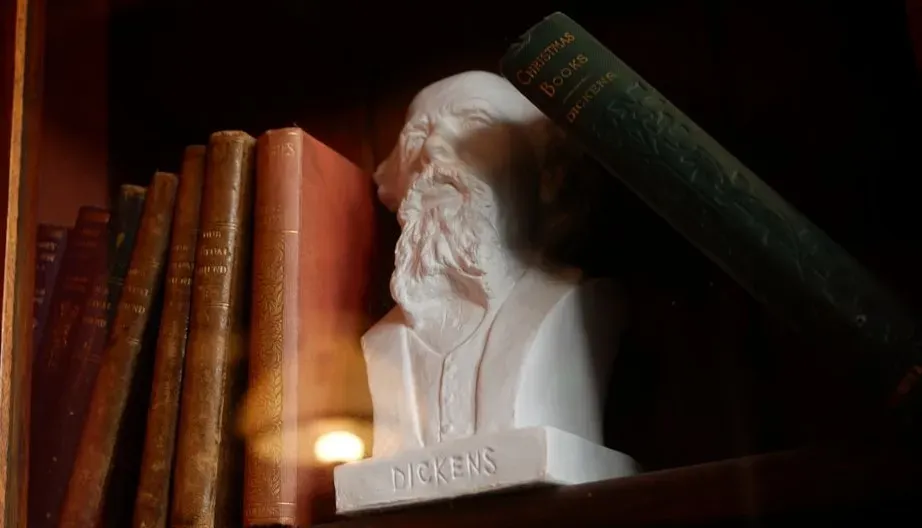
Few opening sentences have achieved the cultural saturation of this one. These words by Charles Dickens are some of the most famous in the history of literature. Well over 200 million copies of A Tale of Two Cities have been sold, and most English-speaking people will recognise these words, even if they haven’t read the book. That’s a staggering reach for a single sentence born in the Victorian era.
Dickens’ ability to weave together grand historical moments with intimate human emotions is apparent from the very first sentence. This opening doesn’t just set a scene – it creates an atmosphere of tension, hope, and despair that never truly resolves. The phrase resonates because it feels timeless, applying to new generations facing their own “best” and “worst” times. It invented the idea that a story’s opening could be both a world statement and a personal one simultaneously.
3. “All Happy Families Are Alike; Each Unhappy Family Is Unhappy in Its Own Way.” – Leo Tolstoy, Anna Karenina (1877)
Think about how bold it is to open a novel with a philosophical argument. Tolstoy didn’t ease you into his world. He handed you a lens through which to view every human relationship you’ve ever had. This observation about family life has become a psychological axiom, referenced in modern therapy sessions and relationship studies.
Published in 1877, “Anna Karenina” explores the hidden struggles of seemingly ordinary people. The genius of this sentence is that it seems to be a general truth, but it immediately points toward misery – toward the particular. Tolstoy is telling you, right from the start, that this is a story about the ways sorrow is always devastatingly personal. It changed how novelists thought about the moral purpose of an opening line.
4. “Many Years Later, as He Faced the Firing Squad, Colonel Aureliano Buendía Was to Remember That Distant Afternoon When His Father Took Him to Discover Ice.” – Gabriel García Márquez, One Hundred Years of Solitude (1967)
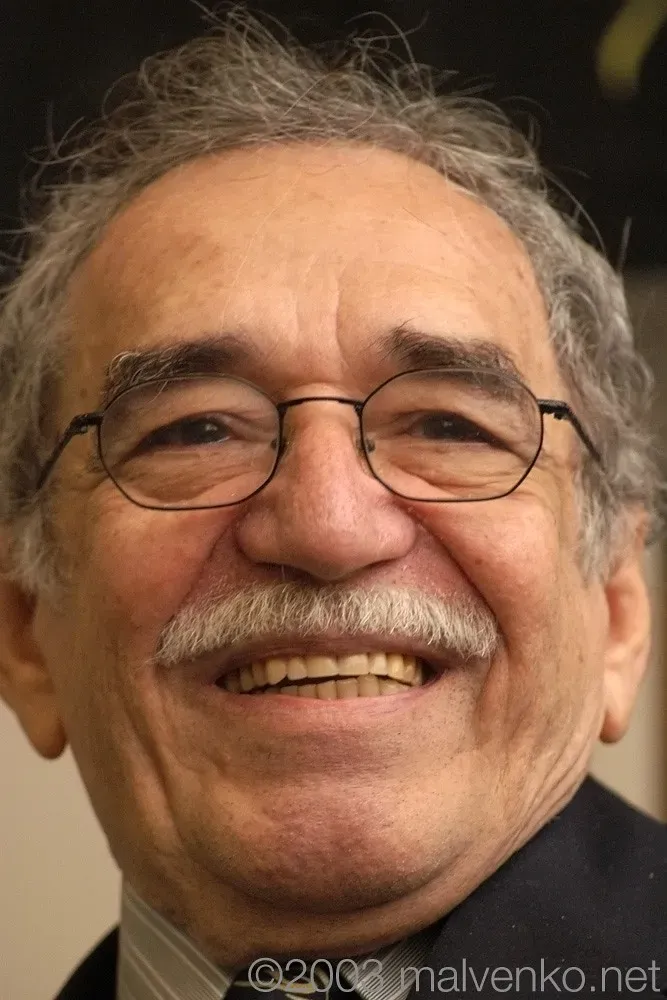
I know it sounds crazy, but this is one sentence that contains an entire lifetime. It collapses past, present, and future into a single breath. This extraordinary line opens Gabriel García Márquez’s “100 Years of Solitude,” a landmark work that García Márquez used to pioneer a style of writing where seemingly impossible and the historically specific coexist.
This landmark work of magical realism delves into the cyclical nature of history and memory in Latin America, merging myth with reality. The sentence redefined narrative time itself. By placing an execution and a childhood memory in the same grammatical breath, García Márquez taught writers that time in fiction doesn’t have to flow in one direction. That single move changed Latin American literature, and then changed world literature too.
5. “Ships at a Distance Have Every Man’s Wish on Board.” – Zora Neale Hurston, Their Eyes Were Watching God (1937)

Hurston didn’t start with a character. She started with an image so deeply loaded with longing that it becomes a character in itself. Zora Neale Hurston’s opening is rich with metaphor, immediately drawing readers into a world of longing and dreams. The image of distant ships suggests hope, possibility, and the quiet ache of desire.
In recent studies of African American literature, this line is frequently cited as an example of poetic realism and cultural heritage. In 2024, it was highlighted in a national reading campaign as a line that speaks to universal themes of aspiration and disappointment. It redefined what a sentence could do emotionally before a single character had even been introduced. Hurston proved you could start a story with pure feeling.
6. “Someone Must Have Slandered Josef K., for One Morning, Without Having Done Anything Truly Wrong, He Was Arrested.” – Franz Kafka, The Trial (1925)
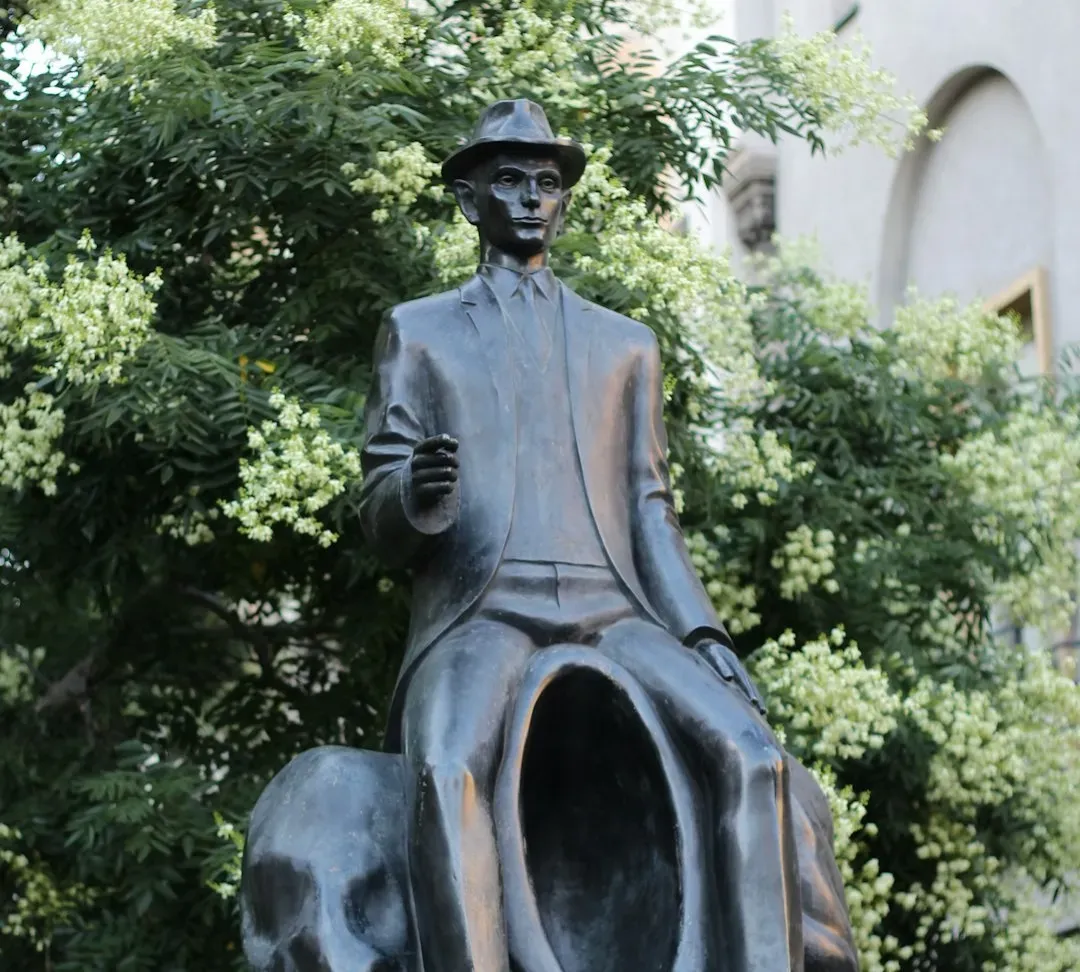
Here’s the thing about Kafka’s opening – it drops you into injustice with zero preparation, zero softening. You feel confused and wronged immediately, which is precisely the point. It introduces us to Josef K., a man who finds himself embroiled in a mysterious and seemingly arbitrary legal system. The sense of unease and uncertainty that pervades this opening line sets the tone for the rest of the novel, which explores themes of alienation, bureaucracy, and the search for meaning in a seemingly meaningless world.
This German-speaking Bohemian writer is best known for surrealist works where he used absurdist scenarios to expound upon themes of alienation, bureaucratic ineptitude, and existential anxiety. This sentence didn’t just open a novel. It created an entirely new emotional genre – the Kafkaesque – that has been borrowed by filmmakers, novelists, and playwrights for a century. When you feel trapped by a system that makes no sense, you’re living in Kafka’s first sentence.
7. “It Was a Pleasure to Burn.” – Ray Bradbury, Fahrenheit 451 (1953)
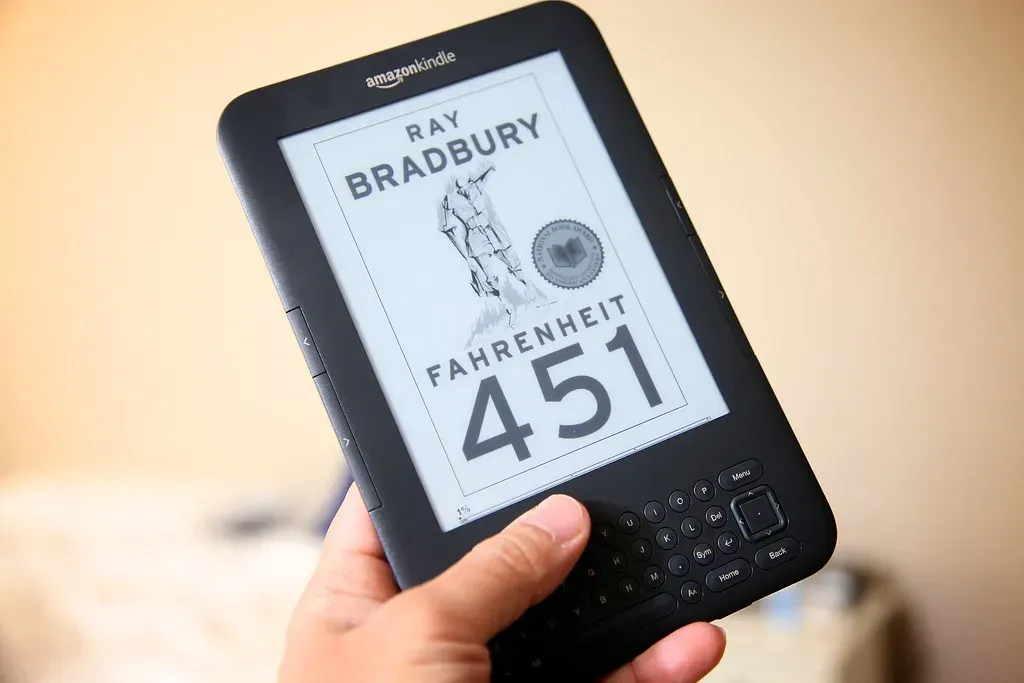
Five words. Five deeply disturbing words. Bradbury opens not with an introduction to the world of censorship, but with a feeling – the seductive, dangerous thrill of destruction. It forces the reader into complicity immediately, which is its entire point. The sentence doesn’t describe a villain from the outside; it pulls you inside a villain’s joy.
Stories have been at the heart of human connection for centuries, evolving from ancient myths and oral traditions to modern literature and digital storytelling. No matter the format, storytelling remains a powerful way to share knowledge, inspire emotions, and shape culture. Bradbury understood this instinctively. By making the act of burning feel pleasurable, he forced the reader to confront their own capacity for moral failure. That’s the signature move of great literature – and it happened in five words.
8. “In a Hole in the Ground, There Lived a Hobbit.” – J.R.R. Tolkien, The Hobbit (1937)

No fantasy sentence has been more consequential. The Hobbit’s opening line is a humble introduction to a world that will soon be turned upside down. This deceptively simple sentence belies the complexity of Tolkien’s world-building, which will transport the reader to a realm of mythical creatures, ancient wars, and heroic deeds. It redefined how fantasy fiction could begin.
Before Tolkien, fantasy worlds announced themselves with grandeur. After this sentence, writers understood that the extraordinary could emerge from the mundane. A hole in the ground. Not a palace, not a mountaintop. A hole. That deliberate understatement opened a door to an entirely new way of imagining secondary worlds. Joseph Campbell’s hero’s journey, an archetypal pattern of transformative storytelling, inspires humanity since the beginning of time and underpins most of our cultural mythologies – and Tolkien captured its very essence in that unpretentious opening sentence.
9. “It Is a Truth Universally Acknowledged, That a Single Man in Possession of a Good Fortune, Must Be in Want of a Wife.” – Jane Austen, Pride and Prejudice (1813)

Let’s be real – this sentence is a joke, and that’s what makes it revolutionary. Austen delivers it with a perfectly straight face, but every word is dripping with irony. She’s not stating a truth; she’s mocking the idea that this is a truth. Known for her sharp social commentary, timeless characters, and clever romantic dialogue, Austen was a master of irony and character-driven narratives, her influence extending to modern feminist literature.
This sentence effectively invented the unreliable narrative voice in literary fiction – the narrator who seems to speak society’s language but quietly undermines it with every word. Another classic first line from one of the classics of western literature, this opening gives a fair indication of what is to come in a novel cherished by millions across the decades. One of the best-loved novels of all time, Austen’s character development is both enjoyable and impressive. The novel and indeed the first line itself have been imitated, adapted, and parodied numerous times.
10. “The Past Is a Foreign Country; They Do Things Differently There.” – L.P. Hartley, The Go-Between (1953)
This sentence does something remarkable. It turns an abstraction – time – into a physical place you can feel homesick for. The sentence encourages readers to approach nostalgia and recollection with caution, knowing that what’s remembered is always colored by time. Hartley’s phrasing has become a favorite quotation for anyone reflecting on change and the unreliability of memory. The line’s poetic simplicity makes it both memorable and deeply moving.
Memory as geography. That’s the metaphor Hartley introduced with this sentence, and it has permanently changed how writers think about portraying the past. A new study in the Journal of Neuroscience suggests that how a story is told – through vivid sensory detail or thoughtful reflection – changes the way it’s encoded in the brain and remembered. Stories don’t just entertain; they sculpt memory pathways, engaging different neural networks depending on whether we focus on what we saw or what we felt. Hartley seemed to know this instinctively, decades before neuroscience confirmed it.
11. “Lolita, Light of My Life, Fire of My Loins.” – Vladimir Nabokov, Lolita (1955)
Few sentences in literature are more disturbing – and more technically brilliant – than this one. Nabokov performs something genuinely difficult here. He gives a monster a beautiful voice, trapping the reader in the aesthetic pleasure of language while the moral horror builds slowly underneath. It is deeply uncomfortable, which is its entire purpose.
In the world of literature, the opening line of a book is more than just a sentence – it’s an invitation, a promise, and a gateway to a new world. These lines have the power to captivate, intrigue, and even haunt you. Nabokov’s line redefined how fiction could use beauty as a weapon against the reader’s comfort. It forced the entire literary world to ask a question that still hasn’t been fully answered: can great prose exist in service of a monstrous point of view?
12. “To Be, or Not to Be, That Is the Question.” – William Shakespeare, Hamlet (c. 1600–1601)
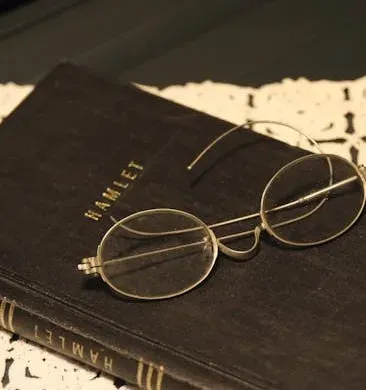
It’s perhaps the most quoted sentence in the English language. Shakespeare’s line isn’t just a dramatic device – it’s the birth certificate of modern psychological interiority in storytelling. Before Hamlet’s soliloquy, characters in plays acted. After it, they thought. They doubted. They spiraled. Known simply as The Bard, Shakespeare is arguably the most influential playwright in English literature. His masterpieces explore human nature, tragedy, and comedy through the dramatic dialogues of his complex written characters. His soliloquies and poetic choices have shaped modern language and storytelling for centuries.
Every conflicted, self-questioning character in modern fiction, film, and television owes something to this sentence. It proved that storytelling’s highest purpose wasn’t action or plot – it was the honest exploration of a mind at war with itself. Shakespeare’s Hamlet is a deep philosophical exploration of human nature, dealing with themes of revenge, morality, and the meaning of life. That question is still being asked, in one form or another, in nearly every story we tell.
13. “My Mother Died Today. Or Maybe Yesterday; I Can’t Be Sure.” – Albert Camus, The Stranger (1942)
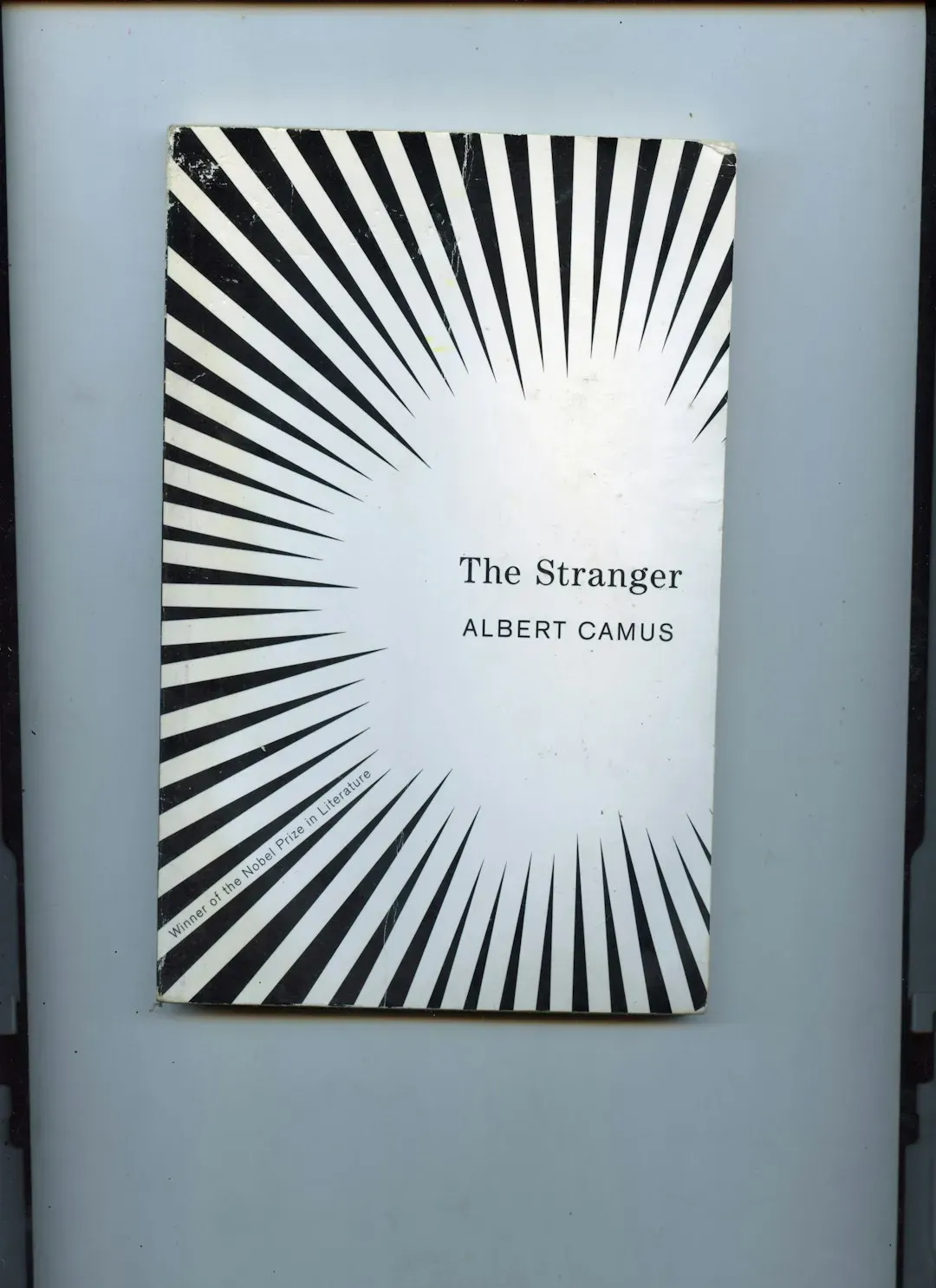
This sentence provokes a physical reaction in most readers. You stop. You re-read it. Then you feel the unsettling absence of the emotion you expected. Albert Camus uses this stark, ambiguous line to introduce his protagonist’s emotional distance. The uncertainty – “Or maybe yesterday; I can’t be sure” – immediately signals that this will not be a story of conventional grief. In psychological studies and discussions of existentialism, this line is often highlighted as a prime example of absurdist literature.
According to a 2024 report on philosophy in fiction, it’s the most cited opening for exploring themes of alienation. Camus’s detached tone draws readers in, forcing them to confront the unsettling idea of not feeling what society expects. This sentence single-handedly legitimized emotional absence as a storytelling tool. Not feeling was, after this, just as valid a narrative engine as feeling too much.
14. “The Sun Shone, Having No Alternative, on the Nothing New.” – Samuel Beckett, Murphy (1938)

It’s hard not to smile at this one, even as you feel existential dread creeping in from the edges. Beckett’s dry humor embedded in cosmic resignation is so precise, so complete, that the entire philosophy of absurdism is contained in it. The sun doesn’t shine because it’s hopeful – it shines because it has no choice. Beckett’s opening line captures the essence of his absurdist and existential style. The seemingly mundane observation about the sun contrasts sharply with the bleak outlook on life, hinting at the novel’s exploration of futility and the human condition.
This sentence redefined what humor could do in serious literature. It proved that wit and existential despair weren’t opposites – they were, in fact, the same instrument played at different frequencies. Oxytocin, often called the “trust hormone,” floods the system when we engage with emotionally resonant stories, particularly those involving struggle, vulnerability, or triumph. Beckett understood that even despair, when told with perfect timing, creates connection.
15. “It Was the Epoch of Belief, It Was the Epoch of Incredulity.” – Charles Dickens, A Tale of Two Cities (1859) / “Story, as It Turns Out, Was Crucial to Our Evolution.” – Lisa Cron
Let’s close with perhaps the most profound truth about storytelling itself – one that literature has been proving, sentence by sentence, for thousands of years. Story, as it turns out, was crucial to our evolution – more so than opposable thumbs. Opposable thumbs let us hang on; story told us what to hang on to. That idea reframes everything. Every sentence on this list wasn’t just literary achievement – it was survival technology.
This study suggests that how people hear about an event shapes the way their brain makes a memory of that experience. The way a story is described – through feelings or sensory detail – changes how the brain stores and recalls it. The didn’t just change literature. The science of storytelling reminds us that how we share shapes not only what we remember, but who we may become. Each of these fifteen sentences is proof that a single line, at the right moment, can permanently alter what it means to be human.
Conclusion

Fifteen sentences. Across centuries, continents, and genres – and yet each of them shares something: an absolute refusal to be ordinary. They didn’t just begin stories. They changed the rules of what stories could be. They altered how we think about time, identity, grief, morality, humor, and even the nature of truth itself.
It is a truism in the literary world that the purpose of a book’s opening words is to keep the reader reading. A great opening is a book’s soul in miniature. These fifteen sentences are more than miniatures. They are blueprints for how language can do the impossible – reach through centuries and still feel like it was written just for you, today.
Which of these sentences hit you hardest? And is there one we missed that you think deserves a place on this list? Tell us in the comments.