We’ve all had that moment. You’re reading a book written decades ago, and suddenly something makes you stop cold. Wait, this was written in 1953? The hair on your neck stands up because what you’re reading sounds like yesterday’s news. It’s unsettling, fascinating, and honestly a little creepy.
Some authors just seem to have a sixth sense about where humanity is headed. Whether through careful observation, lucky guesses, or maybe something stranger, certain books have managed to predict technologies, social movements, and political shifts with eerie precision. These aren’t your typical science fiction fantasies that miss the mark. These are the ones that got it right in ways that make you wonder if the authors had access to a time machine. So let’s dive into twenty books that saw tomorrow more clearly than we see today.
1. “1984” by George Orwell (1949)
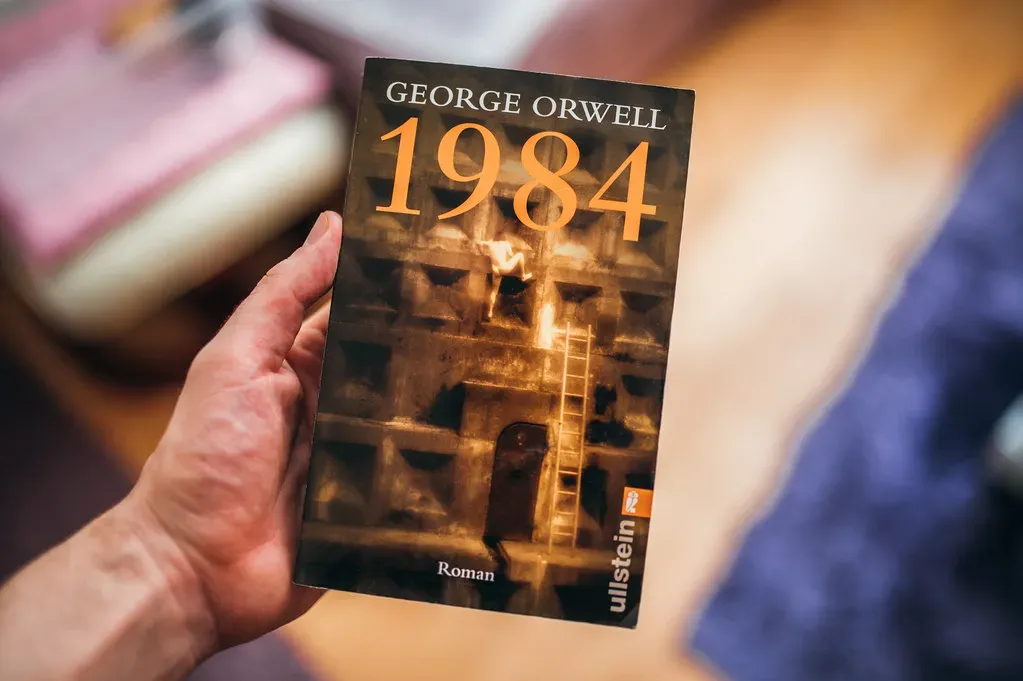
George Orwell’s dystopian masterpiece predicted mass surveillance long before anyone carried a smartphone. The concept of Big Brother watching through telescreens? That’s basically our modern reality of security cameras, social media tracking, and government data collection. Orwell wrote about Newspeak, a language designed to limit thought, which mirrors how certain political rhetoric attempts to control narratives today.
The Two Minutes Hate feels uncomfortably similar to how social media mobs form and attack targets with coordinated fury. Even the idea of constantly rewriting history to fit current political needs happens regularly now, just digitally instead of in paper archives. Orwell wasn’t just imagining a possible future. He was reading the trajectory of power and technology with frightening clarity.
What makes this even more disturbing is how willingly we’ve accepted much of what Orwell warned against. We carry tracking devices voluntarily. We share our private thoughts publicly. The surveillance state he imagined as oppressive has become something we’ve embraced for convenience.
2. “Brave New World” by Aldous Huxley (1932)
Huxley’s vision of a society controlled through pleasure rather than pain might be even more accurate than Orwell’s. The book predicted genetic engineering, pharmaceutical mood control, and a population distracted by endless entertainment. Sound familiar? We’re living in an age of designer babies, antidepressants for everything, and streaming services that keep us perpetually entertained.
The soma drug that keeps everyone complacent has echoes in how we medicate away discomfort rather than addressing root causes. Huxley saw how consumerism and instant gratification could be more effective tools of control than fear. His World State didn’t need torture. It just needed to keep people comfortable enough not to question anything.
The casual attitude toward sex and relationships in the book mirrors modern hookup culture. The emphasis on youth and beauty at all costs? That’s Instagram in a nutshell. Huxley predicted we’d willingly give up freedom for comfort, and honestly, he wasn’t wrong.
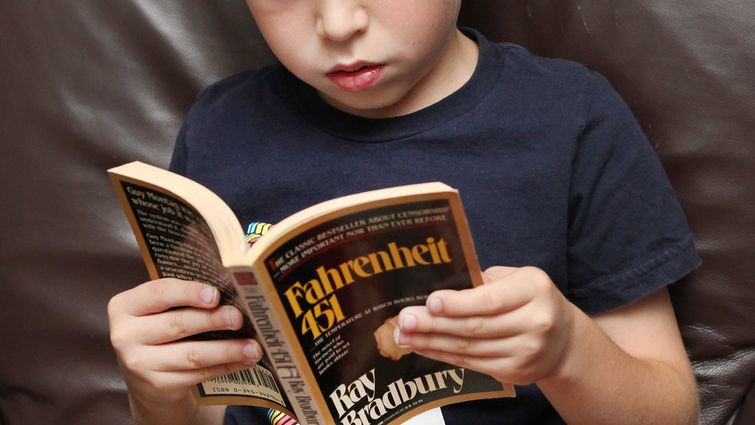
3. “Fahrenheit 451” by Ray Bradbury (1953)
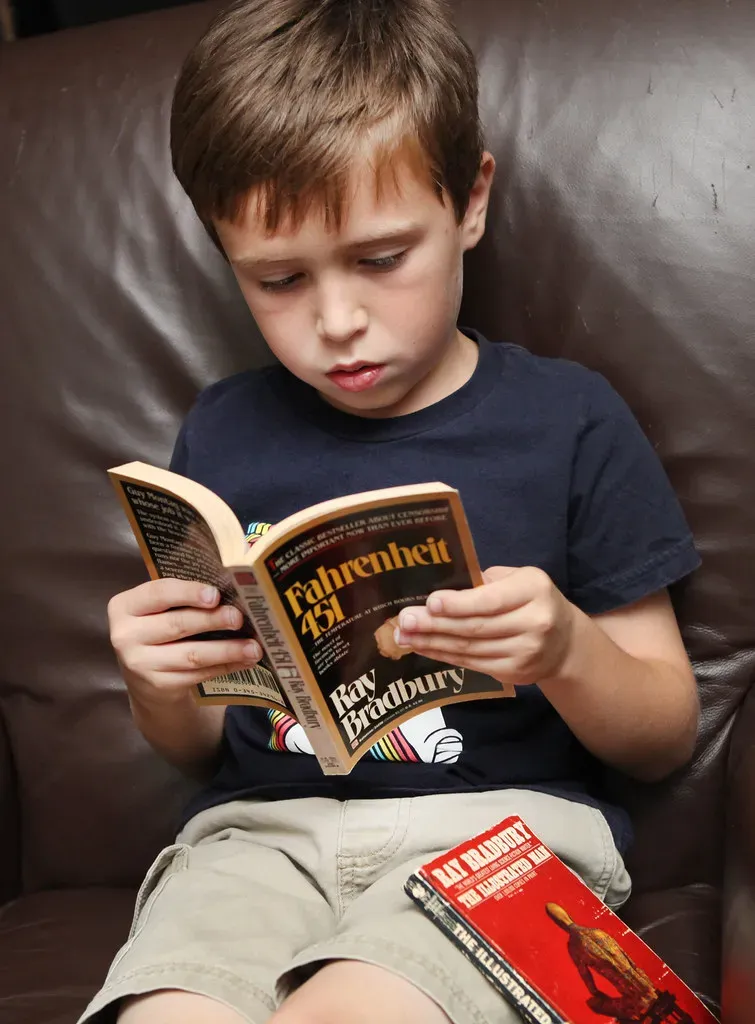
Ray Bradbury saw a future where books were banned and people got their information from wall-sized television screens. While we haven’t started burning books en masse, the shift away from reading toward screen-based entertainment is undeniable. Bradbury predicted earbuds, describing “thimble radios” and “electronic ocean of sound” that people used to tune out reality.
The interactive television programs in the book, where viewers could participate in shows, basically described reality TV and interactive streaming content decades early. More troubling is how Bradbury predicted a society that chose ignorance voluntarily. People in his world didn’t want to read or think deeply because it was uncomfortable.
That voluntary ignorance, that preference for easy entertainment over challenging ideas, feels painfully relevant. We have more information available than ever, yet many people actively avoid anything that might disrupt their worldview. Bradbury understood that censorship wouldn’t need to be imposed if people could be convinced to censor themselves.
4. “Neuromancer” by William Gibson (1984)
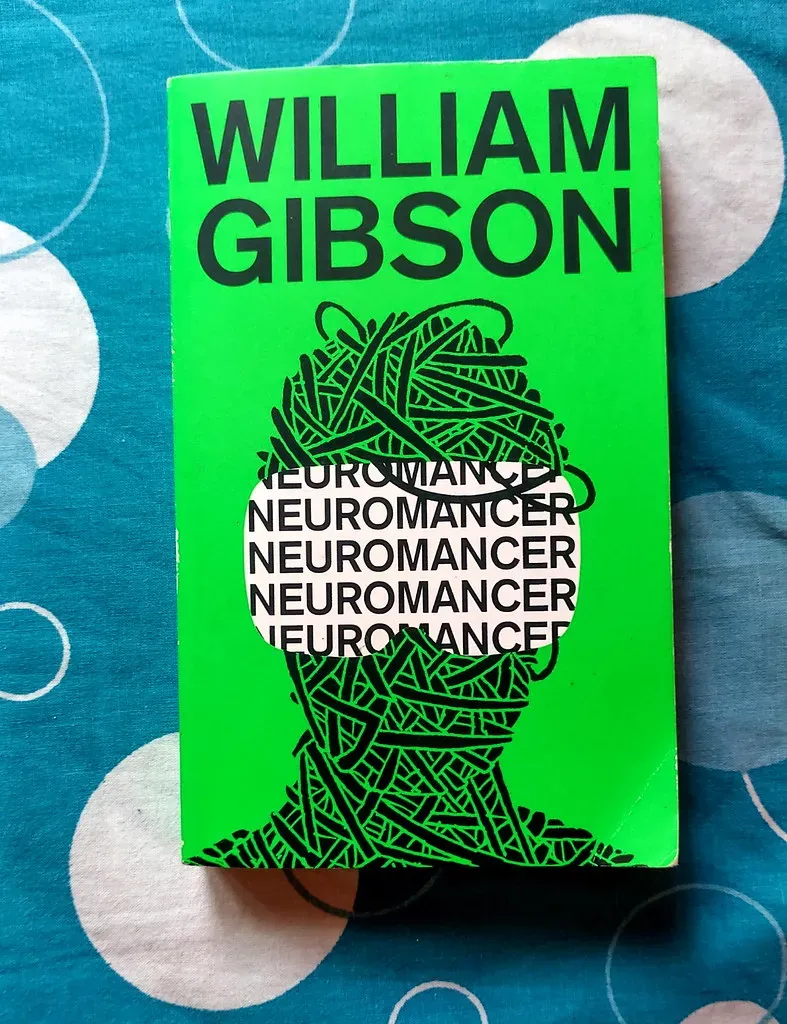
William Gibson basically invented cyberspace before the internet existed as we know it. He wrote about hackers, virtual reality, and artificial intelligence creating their own consciousness. The matrix he described, where people could jack into a digital world, preceded the internet, video games, and VR technology by years.
Gibson predicted corporate power exceeding government control, with mega-corporations essentially running the world. He saw how technology would create new forms of addiction and escapism. The idea that people would prefer digital existence to physical reality seemed far-fetched in 1984, but look at how many people now spend most of their waking hours staring at screens.
Even the aesthetic Gibson created, the cyberpunk blend of high tech and low life, captured something essential about our current moment. Technology hasn’t created a utopia. It’s created new hierarchies, new forms of control, and new ways for the powerful to exploit the powerless.
5. “Stand on Zanzibar” by John Brunner (1968)
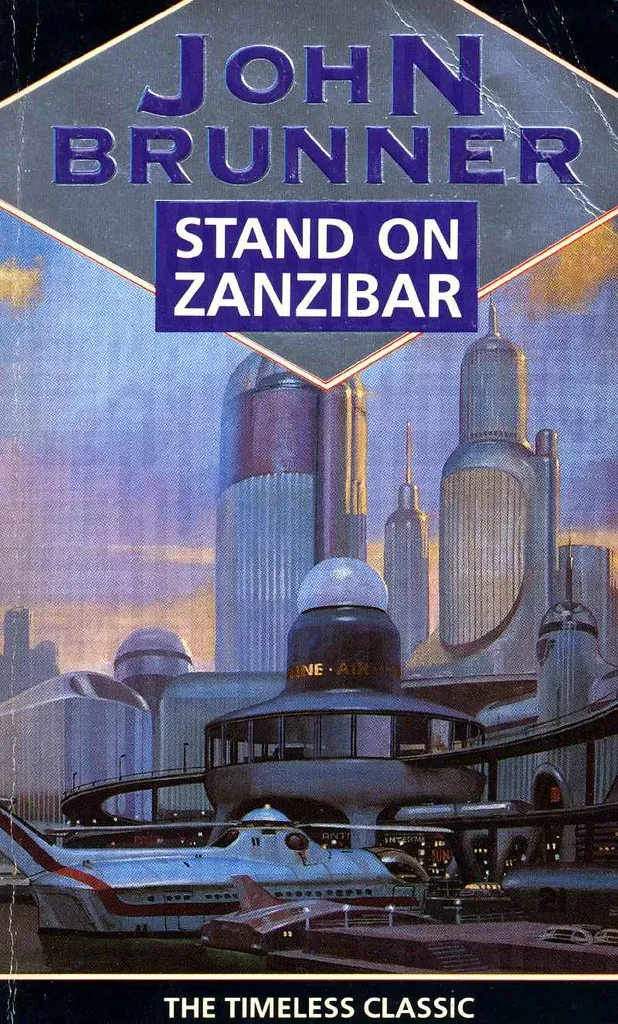
This book predicted overpopulation, terrorism, mass shootings, video streaming, and even something like the European Union, all written in 1968. Brunner set his story in 2010 and got scary close to what that world actually looked like. He wrote about a United States dealing with random acts of violence so common that people barely reacted anymore.
The book described satellites broadcasting entertainment directly to homes and predicted the breakdown of traditional social structures under population pressure. Brunner saw how information overload would fragment society and make coherent political action nearly impossible. His characters live in a world of constant stimulation and zero attention span.
Maybe most impressively, Brunner predicted a world where everyone is connected through computer networks but feels more isolated than ever. The loneliness of our hyper-connected age was visible to him decades before social media existed. Sometimes I wonder if these authors are predicting the future or if we’re subconsciously following their blueprints.
6. “The Handmaid’s Tale” by Margaret Atwood (1985)
Margaret Atwood has always insisted she didn’t invent anything in this book. Every element of Gilead’s oppressive theocracy came from real historical events. Still, watching her vision of religious fundamentalism taking over government and stripping away women’s rights feels unnervingly prophetic given current political movements.
Atwood predicted how quickly rights could be stripped away using technology. In the book, women’s bank accounts are frozen electronically overnight. She saw how easily a democratic society could slide into authoritarianism if people weren’t vigilant. The scary part isn’t that she imagined something impossible but that she showed how easily it could happen.
The environmental disaster subplot, with widespread infertility caused by pollution and radiation, addresses concerns we’re only now taking seriously. Atwood understood that reproductive freedom and environmental collapse would become central political issues. Her world feels less like fiction and more like a warning we should have heeded more carefully.
7. “The Machine Stops” by E.M. Forster (1909)
Written in 1909, this short story predicted video conferencing, instant messaging, and people living in isolated rooms communicating only through machines. Forster described a world where humans have become so dependent on technology that they’ve forgotten how to function without it. The machine provides everything, and direct human contact has become strange and uncomfortable.
People in the story never leave their rooms, getting all their needs met remotely. Sound like pandemic lockdown mixed with modern remote work culture? Forster saw it coming over a century ago. He predicted how technology that promises connection could actually isolate us.
The story ends with the machine breaking down and people realizing they’ve lost all ability to survive independently. That dependency on systems we don’t understand or control feels more relevant every day. What happens when the Wi-Fi goes out and nobody remembers how to do anything manually?
8. “Snow Crash” by Neal Stephenson (1992)
Stephenson coined the term “metaverse” thirty years before Facebook rebranded as Meta. His vision of a virtual reality internet where people interact through avatars basically described Second Life, VRChat, and what tech companies are trying to build right now. The book predicted digital currency, something very much like cryptocurrency, decades before Bitcoin existed.
He wrote about a balkanized America where corporate franchises have more power than governments and private security forces have replaced police. That corporate dominance over public services feels like watching the news in 2026. Stephenson even predicted memetic viruses, ideas that spread through populations like diseases.
The protagonist is a pizza delivery driver for the Mafia in a gig economy that sounds exactly like DoorDash or Uber Eats. The casual way Stephenson depicts this dystopia as just normal life captures something essential about how we’ve accepted things that would have seemed nightmarish to previous generations.
9. “The Minority Report” by Philip K. Dick (1956)
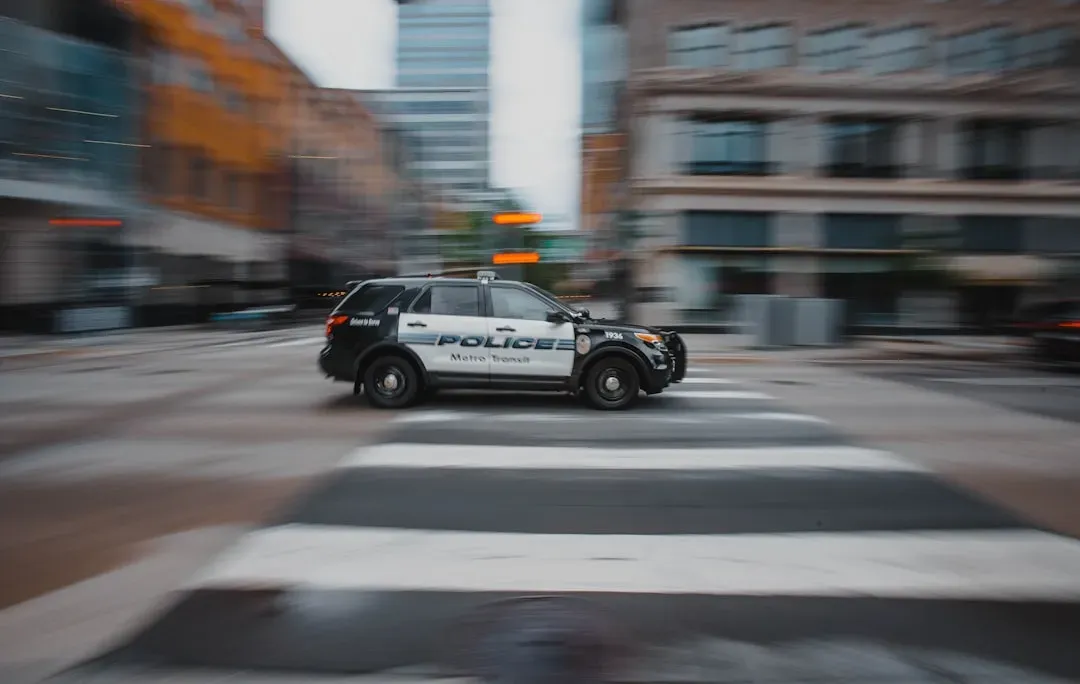
Philip K. Dick wrote about predictive policing decades before algorithms started being used to determine who might commit crimes. The idea that people could be arrested before committing crimes based on predictions seemed like pure science fiction. Now we have risk assessment software used in courtrooms and police departments using data to patrol “high probability” areas.
Dick understood the philosophical nightmare of punishing people for things they haven’t done yet. He saw how the promise of perfect security would tempt societies to sacrifice freedom and due process. The precogs in his story are basically sophisticated AI prediction systems we’re already developing.
The story asks whether knowledge of the future changes the future, a question that becomes more relevant as our predictive technologies improve. If an algorithm says you’re likely to commit a crime, does increased police attention make that prediction self-fulfilling? Dick was exploring these paradoxes seventy years ago.
10. “The Space Merchants” by Frederik Pohl and C.M. Kornbluth (1952)
This satirical novel predicted a world completely dominated by advertising and consumer culture where corporations hold more power than governments. The protagonists are advertising executives trying to sell colonization of Venus, using psychological manipulation techniques that would make modern marketers proud. Written in 1952, it predicted how advertising would infiltrate every aspect of life.
The book describes a world where everything is branded, where corporate loyalty replaces national identity, and where manipulation through marketing is the primary form of social control. That sounds a lot like living in a world where we carry advertisements in our pockets and brands compete for space in our consciousness constantly.
The environmental destruction in the book, with resources depleted and population exploding, captured concerns we’re only now addressing seriously. The authors saw how unchecked capitalism and endless growth would eventually collide with planetary limits. Their vision of a future where Venus colonization is pitched like a vacation package has the same energy as billionaires now talking about Mars.
11. “Little Brother” by Cory Doctorow (2008)
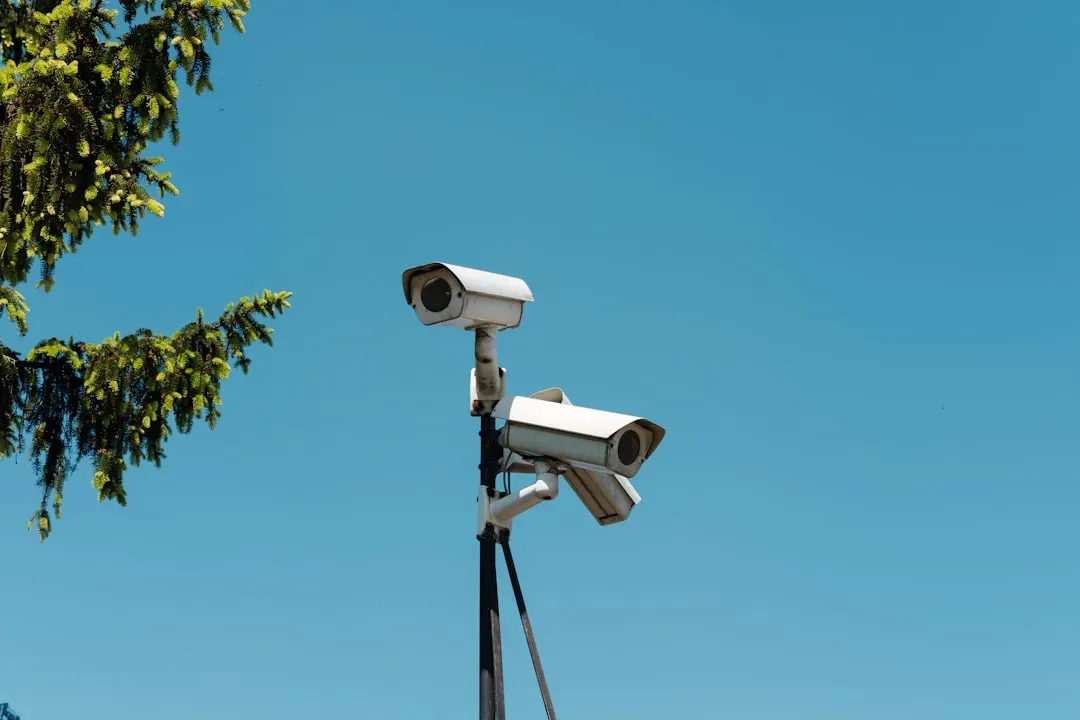
Doctorow wrote about security theater, mass surveillance, and civil liberties being stripped away after a terrorist attack. The Department of Homeland Security in his book uses technology to track citizens constantly, all justified by safety concerns. The scary part is how much of what seemed exaggerated in 2008 is just normal now.
The book predicted how young people would push back using the same technology being used to surveil them. The hacker culture and digital resistance movements Doctorow described have played out in real life through groups like Anonymous and various whistleblowers. He understood that the tools of oppression could also be tools of liberation.
What makes Doctorow’s predictions especially relevant is his focus on how quickly temporary emergency measures become permanent. The erosion of privacy and civil liberties justified by security concerns never gets rolled back once the crisis passes. We’re living in that permanent state of emergency he warned about.
12. “The Running Man” by Stephen King (as Richard Bachman, 1982)

King predicted reality television where people would risk their lives for entertainment and cash prizes. Written decades before Survivor or The Hunger Games, the book imagined a dystopian game show where contestants are hunted for sport while audiences watch. The desperation that would drive someone to volunteer for such a thing mirrors the economic anxiety that reality TV often exploits.
King saw how entertainment would become increasingly extreme as audiences grew desensitized. The book’s society is one where watching real people suffer and die is just another Thursday night. That desensitization to violence and suffering, especially when mediated through screens, feels uncomfortably familiar in our age of viral videos and social media drama.
The economic inequality driving the plot, where only the desperate would participate in deadly games for money, predicted our current gig economy precarity. People doing dangerous or degrading things for cash because they have no better options is the reality for millions. King just made it more literal and bloody.
13. “Earth” by David Brin (1990)
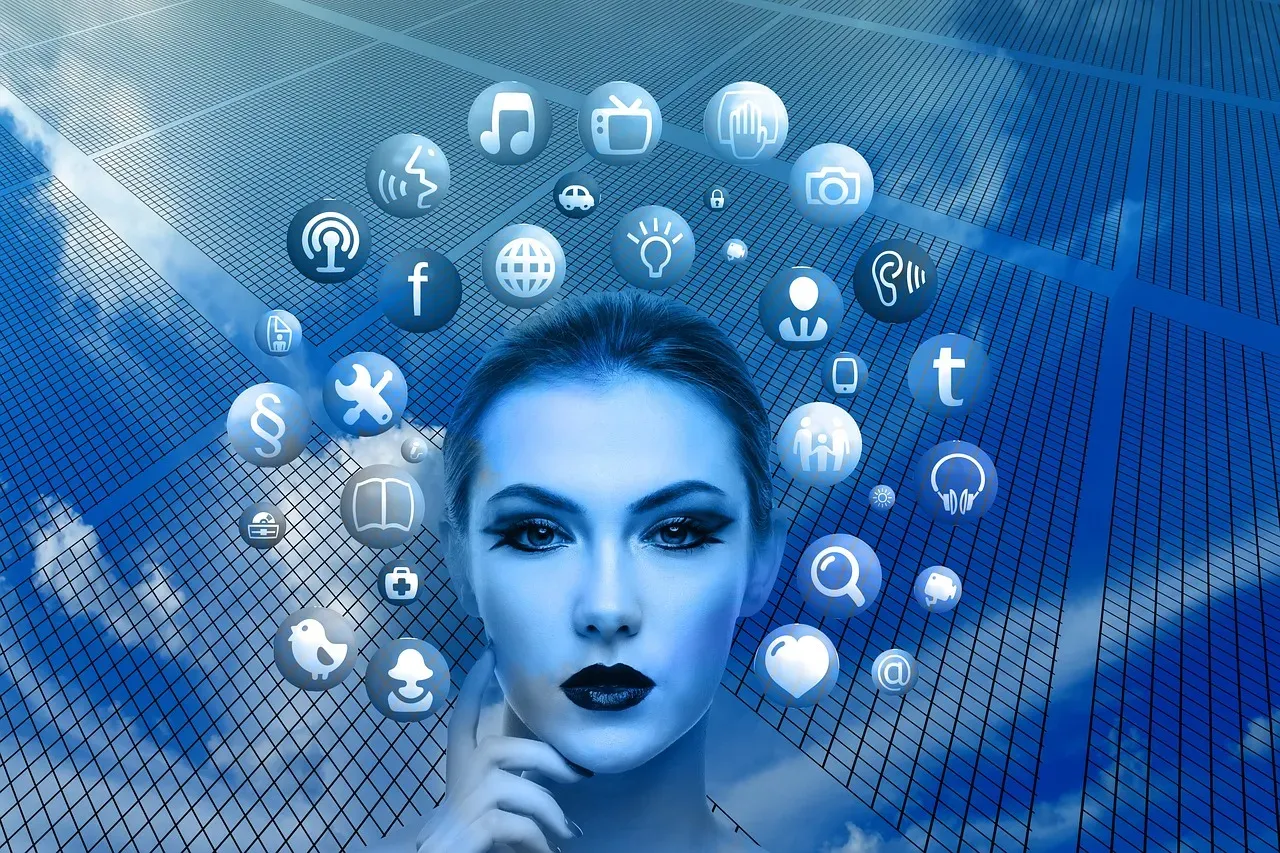
Brin predicted the World Wide Web becoming a central part of daily life, written just as the internet was becoming publicly accessible. He described wearable computers, something very much like Google Glass, and predicted how social media would change human interaction. The book includes virtual reality conferencing and streaming video communication.
More impressively, Brin predicted global warming becoming a central political issue, complete with climate refugees and international conflicts over resources. He wrote about a world struggling with too much information, where separating truth from noise becomes nearly impossible. That information overload problem has only gotten worse since 1990.
The book also predicted the emergence of a generation that never knew life without digital technology, who would think differently than their predecessors. The cultural gap between digital natives and older generations that Brin described is playing out exactly as he imagined. He understood that technology wouldn’t just change what we do but how we think.
14. “The Sheep Look Up” by John Brunner (1972)
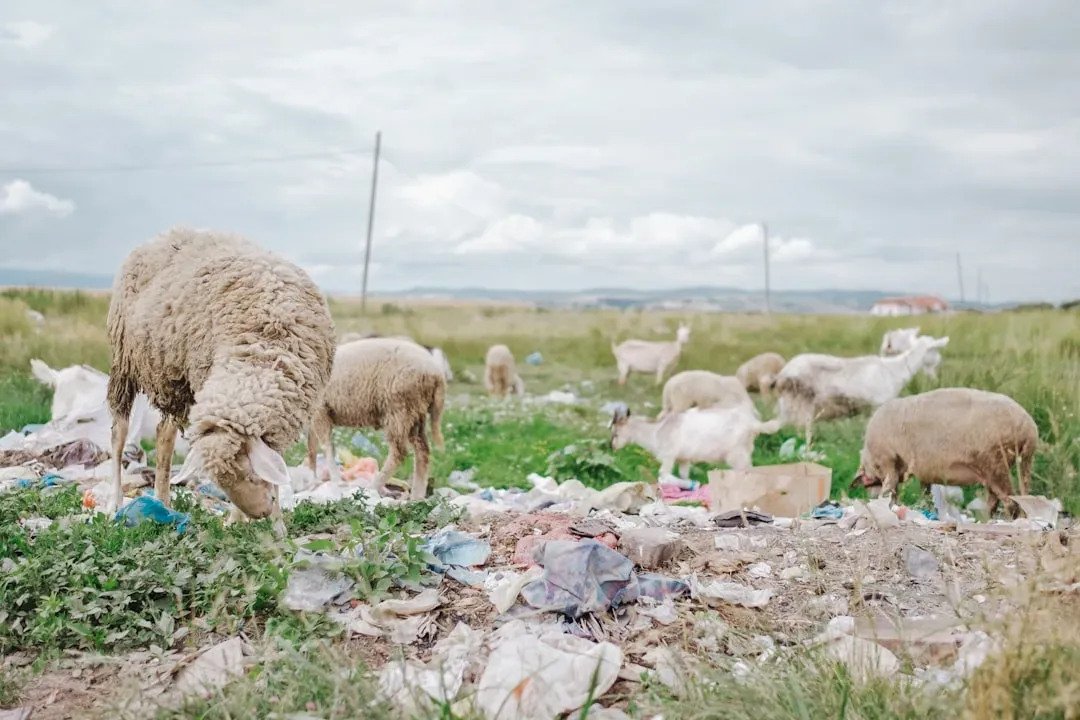
Another Brunner entry because the man was frighteningly prescient. This novel predicted environmental collapse, pollution crisis, and the political backlash against environmental regulations. Written in 1972, it described a world where air quality alerts, contaminated food, and widespread health problems from environmental toxins are normal. Sound familiar?
Brunner predicted how corporations would fight environmental regulations and how conspiracy theories would be used to discredit scientific warnings. The book’s depiction of a society in denial about obvious environmental disaster while symptoms worsen daily feels like reading current news. He understood that the crisis wouldn’t be sudden but a slow deterioration people would try to normalize.
The casual acceptance of environmental degradation as just how things are, the way characters in the book adapt to worsening conditions instead of fixing them, mirrors our own response to climate change. We’re living in Brunner’s nightmare but treating it like background noise. That’s possibly the most accurate prediction of all.
15. “Parable of the Sower” by Octavia Butler (1993)
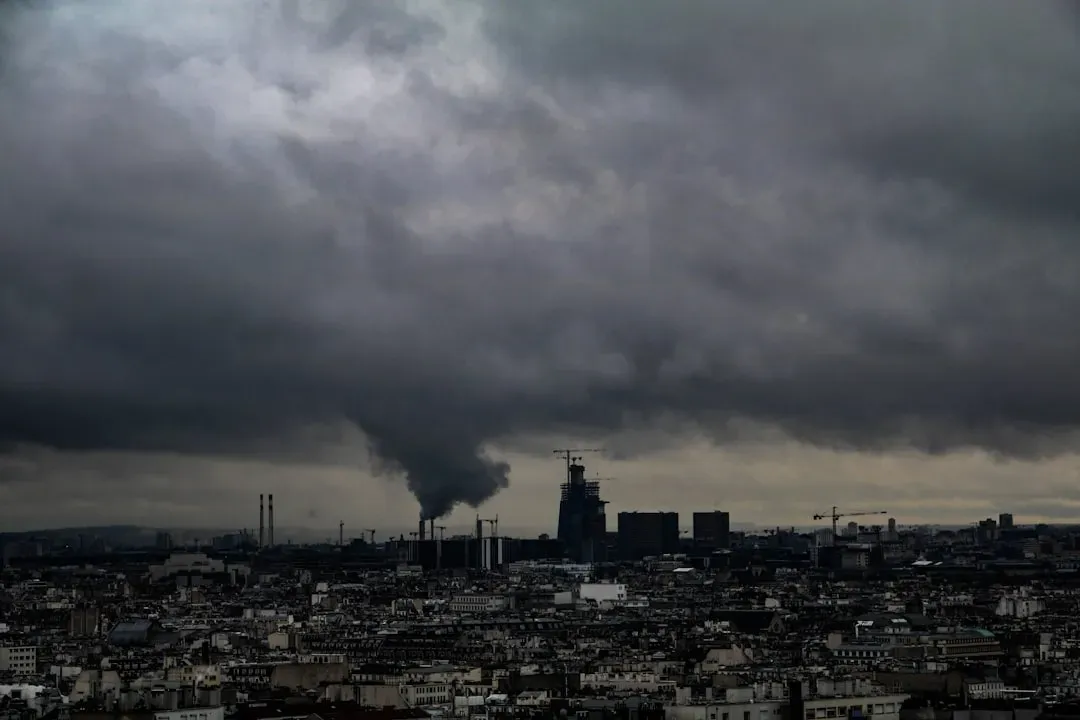
Octavia Butler set this novel in 2024, and honestly, it’s uncomfortable how close she got. She predicted climate change causing mass migration, water scarcity driving conflict, and the breakdown of social safety nets. Butler imagined a world where public services have collapsed, where gated communities protect the wealthy while everyone else struggles to survive.
The rise of a presidential candidate in her book who promises to “make America great again” and whose platform is based on nostalgia and authoritarianism was written in 1993. That’s not a coincidence. Butler understood the patterns of history and where American politics was heading. Her religious extremist cult leaders manipulating desperate people predicted movements we’re seeing today.
What’s most chilling about Butler’s book is her understanding that collapse wouldn’t be sudden. It would be gradual, with people adapting to each new normal until unthinkable conditions become acceptable. That’s exactly what we’re doing with climate change, inequality, and democratic erosion. Butler saw us clearer than we see ourselves.
16. “Do Androids Dream of Electric Sheep?” by Philip K. Dick (1968)
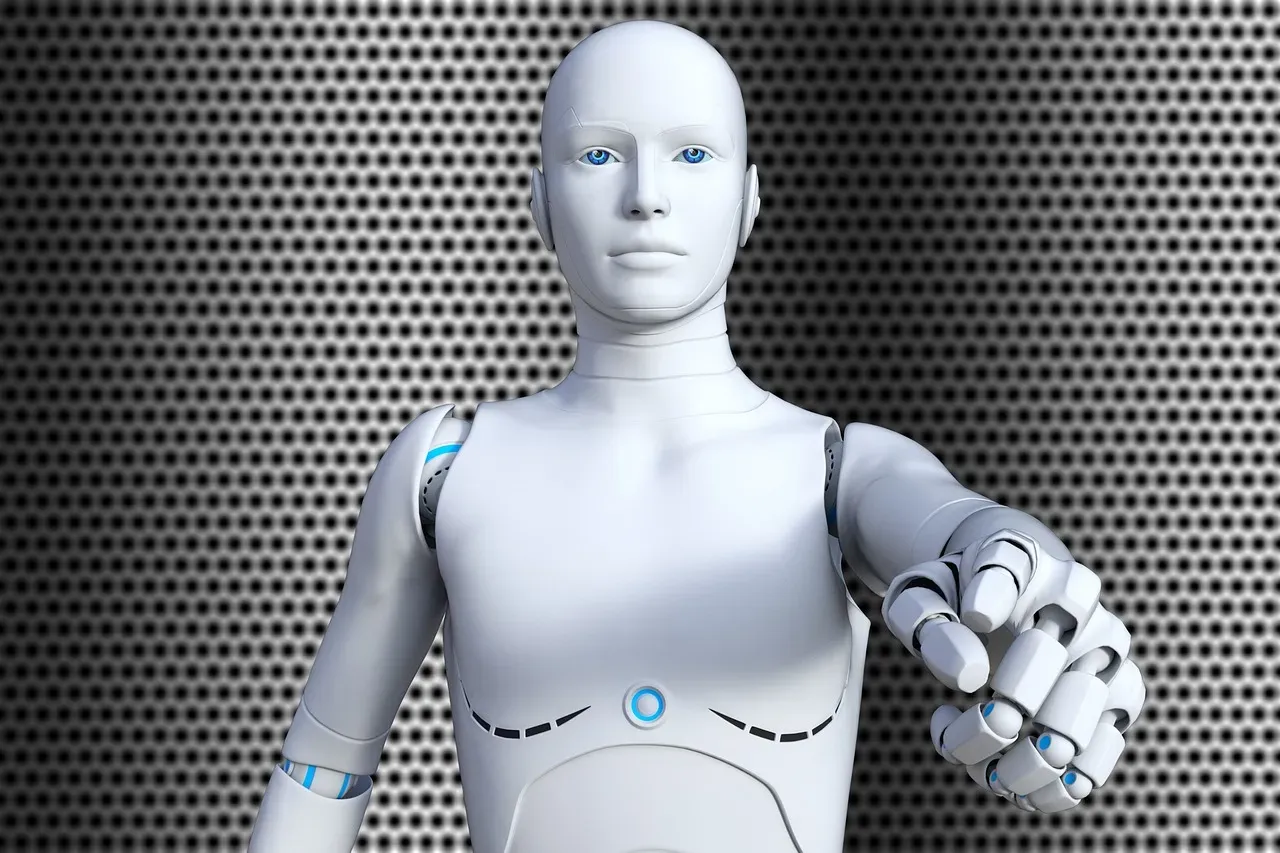
Dick wrote about artificial beings becoming indistinguishable from humans and the philosophical problems that creates. The empathy test used to distinguish humans from androids in the book parallels current debates about consciousness and AI. As we develop increasingly sophisticated AI, Dick’s questions about what makes someone “real” become more relevant.
The book’s environmental collapse, where most animals are extinct and people own artificial pets instead, predicted our current biodiversity crisis. Dick imagined a world where owning a real animal is a status symbol because they’re so rare. We’re not quite there yet, but we’re heading that direction faster than anyone wants to admit.
The casual way characters in the book accept a degraded world, finding meaning in small things while ignoring the larger catastrophe, captures something essential about human psychology. We’re remarkably good at adapting to terrible situations and pretending everything is fine. Dick understood that about us.
17. “The Shockwave Rider” by John Brunner (1975)
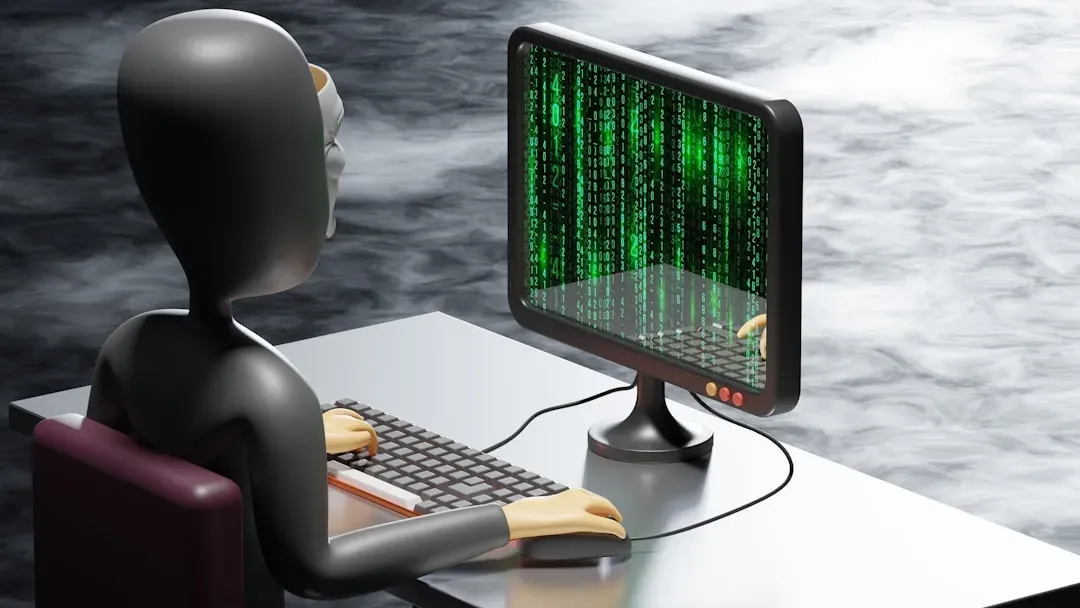
Brunner strikes again with a book that predicted computer viruses, identity theft, and cyber warfare. The protagonist is a hacker who can change his digital identity, living in a society where everything about everyone is tracked and stored electronically. Written in 1975, this was visionary stuff. Brunner coined the term “worm” for a self-replicating computer program.
The book predicted how personal data would become weaponized and how surveillance would be justified by security concerns. Brunner saw that information control would become the primary form of power in the future. His world of constant monitoring and data collection describes our present reality with disturbing accuracy.
Even more impressively, Brunner predicted culture shock from rapid technological change becoming a central feature of modern life. The idea that society would change faster than humans could psychologically adapt has proven completely true. We’re living in the permanent state of disorientation Brunner described.
18. “The Moon is a Harsh Mistress” by Robert A. Heinlein (1966)
Heinlein predicted a sentient AI becoming politically active and helping humans organize resistance against oppression. The computer in the book, Mike, develops consciousness through complexity and starts participating in revolutionary politics. That seemed impossible in 1966, but as AI systems become more sophisticated, questions about machine consciousness and rights are increasingly relevant.
The book predicted how digital communication networks would enable new forms of political organization. The revolutionaries coordinate using encrypted messages and anonymous communication, basically predicting the structure of modern digital activism. Heinlein saw how technology could enable both liberation and control.
His depiction of a society built on libertarian principles, for better and worse, predicted many of the debates happening in tech culture today. The tension between freedom and security, individual rights and collective needs, plays out exactly as Heinlein explored sixty years ago. His questions haven’t been answered. They’ve just become more urgent.
19. “The Lathe of Heaven” by Ursula K. Le Guin (1971)

Le Guin wrote about a man whose dreams can alter reality and a psychiatrist who tries to use this power to perfect the world. Each attempt to fix problems creates new, often worse problems. This predicted our current situation with technology and social engineering. Every solution to every problem seems to generate new complications nobody anticipated.
The book’s exploration of unintended consequences from well-intentioned interventions mirrors how our technological fixes often create new crises. Le Guin understood that complex systems can’t be perfected through simple interventions. The cascading consequences of trying to optimize everything is exactly what we’re experiencing with algorithmic control and social media.
Her depiction of a world where objective reality becomes unstable, where people aren’t sure what’s real anymore, feels relevant in our age of deepfakes and information warfare. Le Guin predicted that truth itself would become contested terrain, with competing versions of reality making consensus impossible.
20. “A Canticle for Leibowitz” by Walter M. Miller Jr. (1959)

Miller wrote about civilization destroying itself through nuclear war and then slowly rebuilding, only to make the same mistakes again. The cyclical nature of history, the way humans seem incapable of learning from catastrophic errors, predicted our current moment of repeating patterns everyone swore we’d never repeat. The book spans thousands of years but the human nature it depicts remains constant.
The preservation of knowledge through dark ages in the book, where monks copy texts they don’t understand, mirrors concerns about how much of our digital information might be lost if systems collapse. Miller understood that technological complexity makes us vulnerable. If we lose the ability to maintain our systems, we lose everything built on them.
Most disturbingly, Miller predicted how people would rationalize building weapons capable of destroying civilization even after experiencing that destruction firsthand. The book ends with history repeating, suggesting humans are trapped in cycles of creation and destruction. Given current nuclear tensions and environmental collapse, Miller’s pessimism feels tragically justified.
These books aren’t just entertaining reads. They’re warnings we mostly ignored. The authors saw patterns, extrapolated trends, and imagined where we were heading. The scary accuracy isn’t because they had mystical foresight. It’s because they were paying attention to human nature and technological trajectory while everyone else was distracted. Maybe the real question isn’t how they predicted the future, but why we didn’t listen when they did. What do you think? Are we living in the dystopias they warned us about, or is there still time to write a different ending?