Film scores get thrown out more often than most moviegoers realize. Directors fall for a temporary track during editing, a studio gets nervous, or an original cue just doesn’t match the picture. Most of the time a replacement composer steps in.
Now and then, though, the replacement isn’t a composer at all. It’s music that already existed, and it ends up defining the film. Three well known cases show how that can happen.
2001: A Space Odyssey
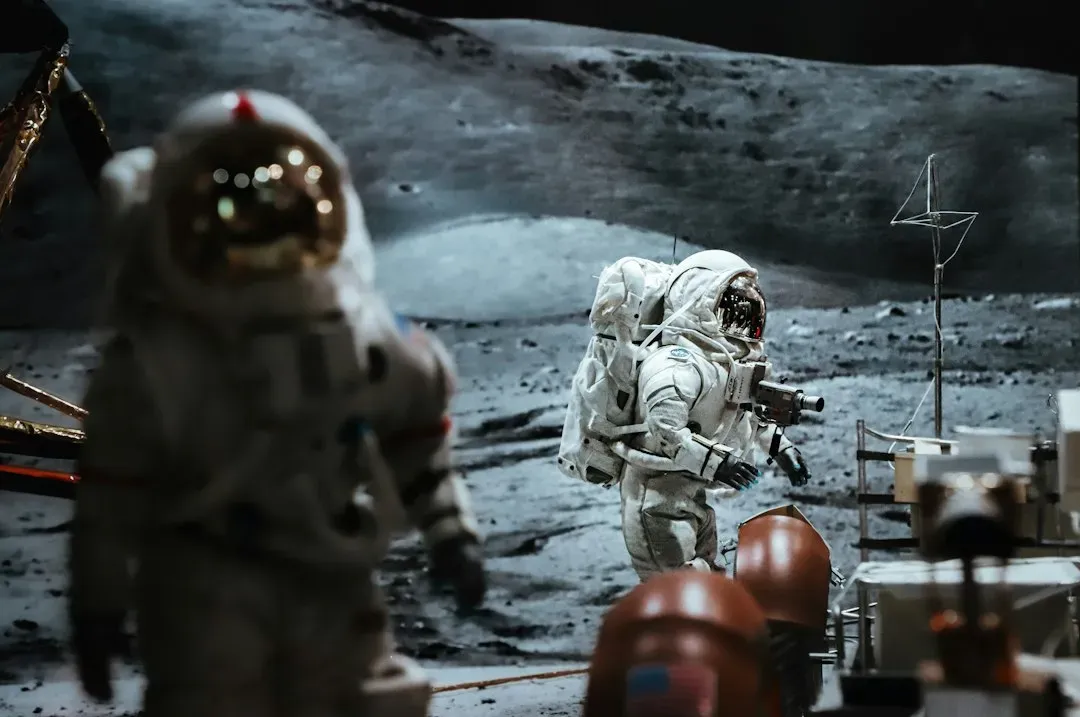
This is the textbook case. Alex North, who had written the themes for Stanley Kubrick’s Spartacus, reteamed with the director on 2001, writing an original score and recording it in London. Yet the film that reached audiences sounded nothing like it.
After North recorded the first half of the film, he was told to stop, since not much more music was going to be used. Kubrick went with his classical temp music, including The Blue Danube, Also Sprach Zarathustra and pieces by Ligeti. North apparently learned at the premiere that all of his music had been rejected. Film music writers still cite it as the most famous example of a director keeping his temp track over a commissioned score.
The Shining
Kubrick did something similar again, this time in horror. Wendy Carlos had written music for the film, but most of it was rejected, apart from two pieces, and replaced with eerie modern compositions. Those replacements included works by Krzysztof Penderecki and Anton Webern, along with Mike Oldfield’s Tubular Bells.
The split matters here. The film still carries a little of Carlos’s work, so it isn’t a pure compilation. Even so, the unease you remember comes largely from existing concert music cut against Kubrick’s long Steadicam shots, not from a score written to order.
Platoon
Oliver Stone’s Vietnam film leaned on a single piece of classical music. Stone fell in love with Samuel Barber’s Adagio for Strings as a temp track, while Georges Delerue wrote a score of more than twenty minutes. That score ended up mostly on the shelf.
One Delerue cue, Barnes Shoots Elias, remains in the film and on the album. The rest of the movie was filled with pop songs and Adagio for Strings, conducted by Delerue. It’s an odd footnote. The composer whose score was set aside still conducted the piece that now stands in for it.