Most movies are finished the day they open. A handful, though, have been reopened by their own makers, sometimes after twenty years, and patched with digital effects that nobody on the original crew had at the time.
Some of those patches worked quietly. Others left audiences wincing, and a few were later undone. Here are eight cases where the fix hurt more than the flaw it covered.
Digital Jabba in A New Hope (1997)
For the 1997 Special Edition of Star Wars, Lucas restored a scene with Jabba the Hutt that had been cut in 1977. The original footage had a human actor standing in for Jabba, so a computer generated Jabba was added in his place.
The result looked flat next to the physical sets around it. Han Solo’s famous step over Jabba’s tail became a visual sore spot. The effect was reworked for the 2004 DVD release, which shows how far it missed the mark the first time.
The Greedo Rewrite
This one is less about spectacle and more about a single edited moment. In the 1997 version of the cantina confrontation, digital changes were made to alter the timing of the shots between Han and Greedo.
Viewers noticed the change right away, and it became one of the most argued over edits in film history. Later releases tweaked the moment again. The repeated adjustments suggest the filmmakers never settled on a version that satisfied everyone.
Mos Eisley Gets Crowded
The same 1997 release added digital creatures and extra shots to the Mos Eisley spaceport. The aim was to make the desert town feel busier than the original budget allowed.
Unfortunately, the new creatures were composited into scenes shot decades earlier, and the lighting and texture didn’t always match. Many of them seemed to float slightly above the original footage. The town looked busier, but it also looked less real.
Jedi Rocks and the CGI Singer
In Return of the Jedi, the 1997 Special Edition replaced the original musical number in Jabba’s palace with a new one called Jedi Rocks. It featured a digitally created Sy Snootles, who had been a puppet before.
The new performance was busy and cartoonish, and it clashed with the practical creatures around it. Fans often point to this scene when they talk about changes that made the film feel less tactile. The puppet era charm was traded for something smoother and less memorable.
Yoda Goes Digital in The Phantom Menace (2001)
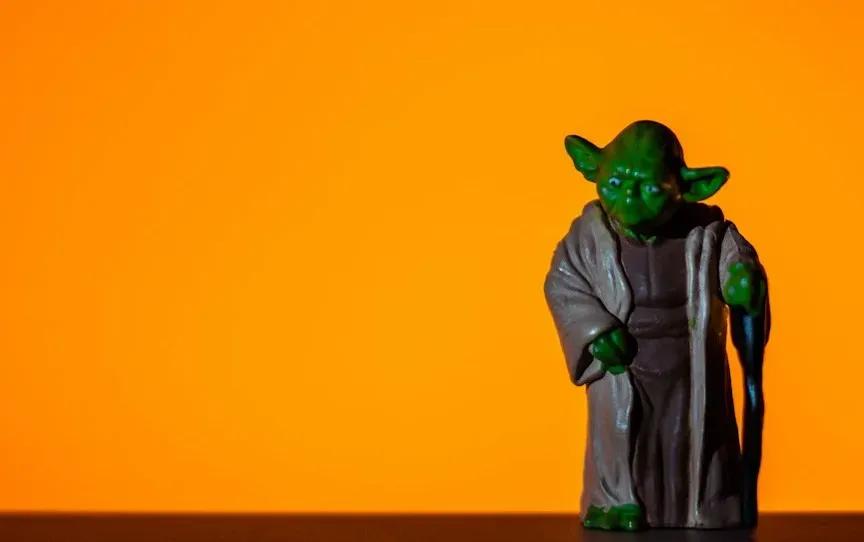
When The Phantom Menace arrived on DVD in 2001, the puppet Yoda from the 1999 theatrical release was replaced with a computer generated version. The idea was to match the digital Yoda used in the later prequels.
Consistency was the argument for the change. The cost was a loss of the physical presence the puppet had, and some viewers still find the swap unnecessary. It showed how a fix meant to unify a series could flatten its texture instead.
E.T. and the Walkie Talkies (2002)
For the 20th anniversary release of E.T. in 2002, Steven Spielberg had the guns carried by federal agents digitally replaced with walkie talkies. The release also added computer generated enhancements to E.T.’s expressions.
The backlash was strong enough that Spielberg later said he regretted the change. The original version was restored for home video in 2011. It remains a rare case of a director reversing a digital fix after hearing from audiences.
Star Trek: The Motion Picture Director’s Edition (2001)
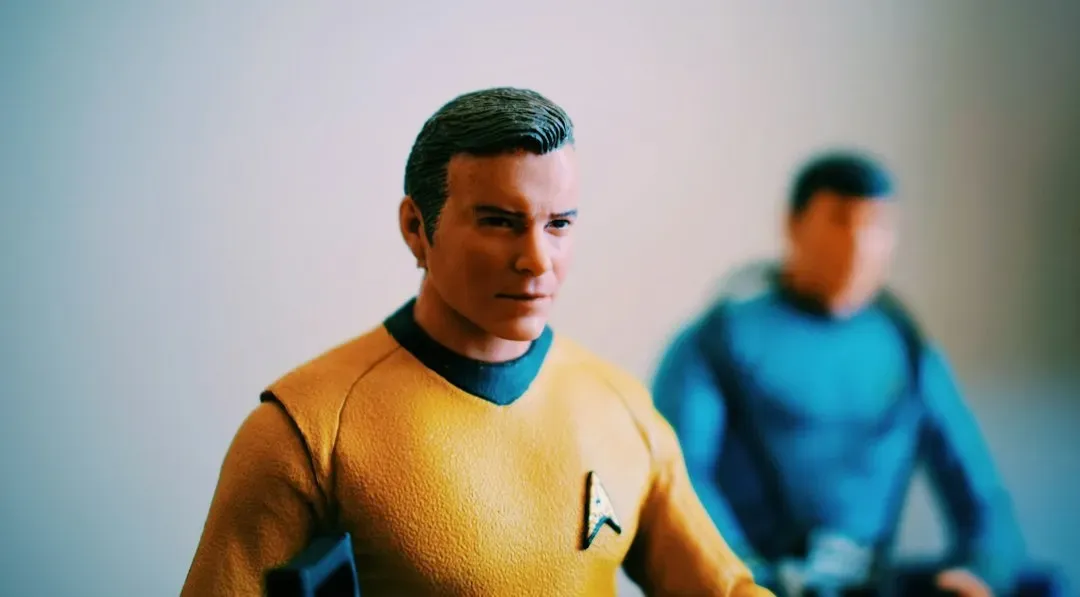
Robert Wise’s 2001 Director’s Edition of the 1979 film added new digital effects and reworked sequences he had never been able to finish on time. The original release had been rushed to meet its deadline.
Fans welcomed the chance to see a more complete cut. Still, the new effects sit alongside the film’s older visuals, and the contrast is easy to see. The fix polished some shots while exposing the age of others.
Blade Runner’s Face Swap (2007)
For Blade Runner: The Final Cut in 2007, the team fixed a shot in which a stunt double stood in for Zhora, played by Joanna Cassidy. The double’s face had been clearly visible in the original, so Cassidy’s face was digitally placed over it.
Cassidy reshot a close up for the correction. The work was careful and mostly invisible, which is rare for fixes made this late. It remains a good example of a repair done with restraint.
Final Thoughts
These eight cases show that late digital repairs can raise as many questions as they answer. The Titanic star field corrected for its 2012 3D release, after astronomer Neil deGrasse Tyson pointed out the sky was wrong, is a reminder that some fixes are welcome. Others, like the E.T. changes, were undone.