Most moviegoers remember a melody long before they remember who played it. Behind every big studio score sits a real orchestra, and the choice of ensemble shapes the sound as much as the notes do.
Hollywood has leaned on a handful of groups for decades, some based in London and others closer to home. Three of them show how the work has been done, and where.
London Symphony Orchestra
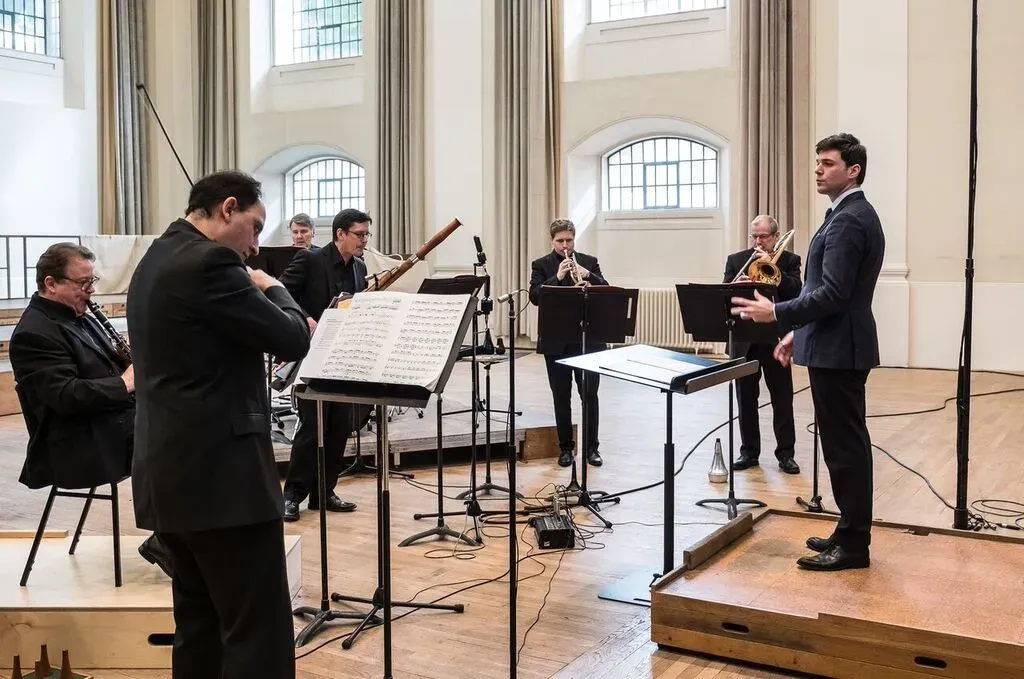
The London Symphony Orchestra is closely tied to the original Star Wars films. It performed John Williams’s score for the 1977 original, recorded at the Anvil Scoring Stage in Denham, England, in March 1977. It returned for the third film too. Return of the Jedi was also performed by the LSO.
Its work didn’t stop with the first release of those films. For the 1997 Special Edition, Williams wrote and recorded a new ending piece called Victory Celebration with the orchestra. Sessions for Return of the Jedi took place at Abbey Road Studios and Olympic Studios in London, with additional work at the Fox Scoring Stage in Hollywood. That mix of London players and American studios shows how Hollywood scoring has long crossed the Atlantic.
Hollywood Studio Symphony
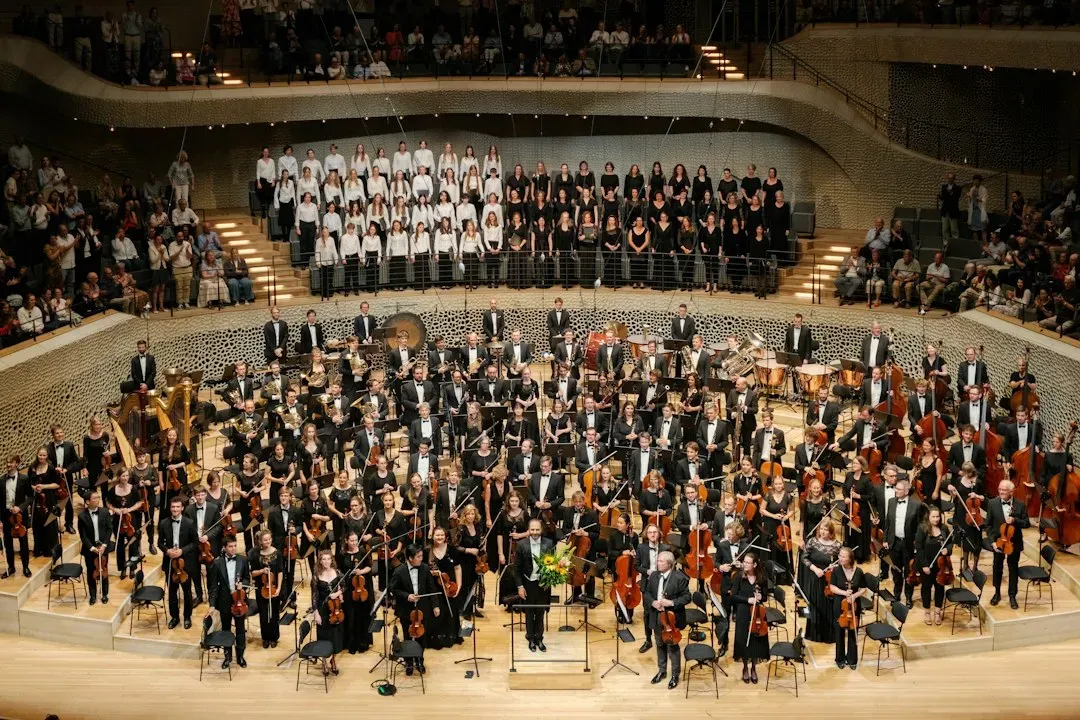
The Hollywood Studio Symphony is less a standing institution than a name for Los Angeles session players. One violinist who worked on The Force Awakens described an 85 piece freelance orchestra that recorded the score at the Sony Scoring Stage from June through November in eleven double sessions. That film also marked a change. It was the first Star Wars film recorded in the United States, since all the earlier ones were scored in England with the London Symphony Orchestra.
The group has stayed with the franchise since. It performed the score for The Rise of Skywalker, with Williams conducting. As with the other sequel films, the recording used a 102 piece ensemble alongside a 100 voice Los Angeles Master Chorale. The sessions were held at Sony Pictures Studios’ Barbra Streisand Scoring Stage in Culver City and needed as many as eleven sessions spread over five months.
Los Angeles Philharmonic
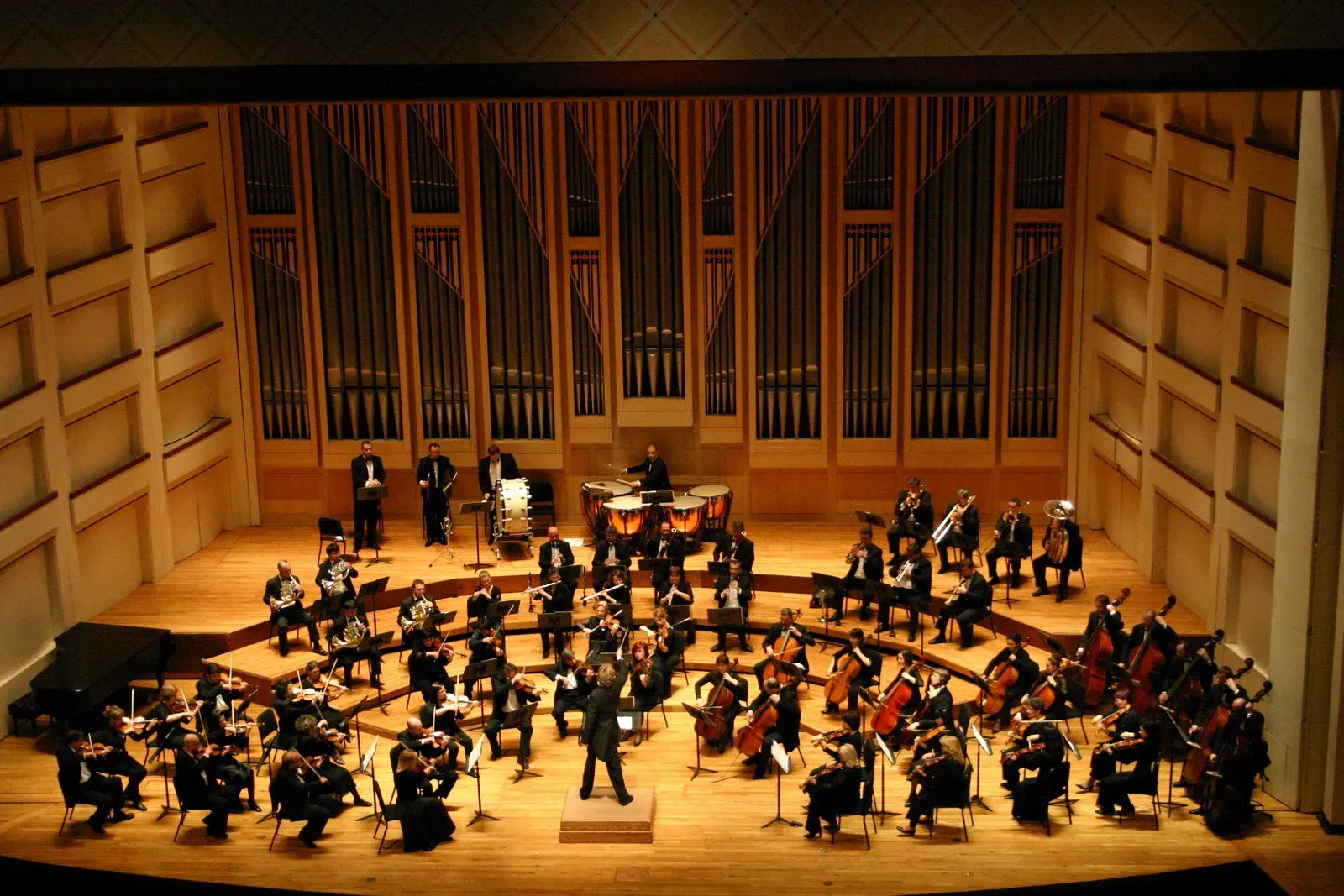
The Los Angeles Philharmonic is better known for its concert hall, yet its players have also gone into the film studio. For Steven Spielberg’s 2016 film The BFG, 85 members of the orchestra performed the score, including demanding parts for the flute section. The setting was familiar territory for Hollywood music. Williams recorded roughly 90 minutes of music at the Sony Scoring Stage in California.
The timeline shows how long a major score can take. Williams began recording in February 2016 and finished that June. The project also reflects a long creative partnership. The Post, a later Spielberg film, was his twenty eighth collaboration with the director.