
Most writers spend years learning their craft before a book earns real attention. A few arrive with a first novel that goes straight to the winners’ table.
The ten books below span almost ninety years, several continents, and very different kinds of storytelling. Each one was its author’s first novel, and each took a significant award.
Gone with the Wind by Margaret Mitchell

Margaret Mitchell published this Civil War epic in 1936, and it won the Pulitzer Prize for the Novel in 1937. It was the only novel she released in her lifetime, which makes its reach even more striking.
The book follows Scarlett O’Hara through war and Reconstruction in Georgia. Today it is widely discussed for its romanticized treatment of slavery and the Old South, and readers often approach it as both a bestseller and a historical artifact.
Invisible Man by Ralph Ellison
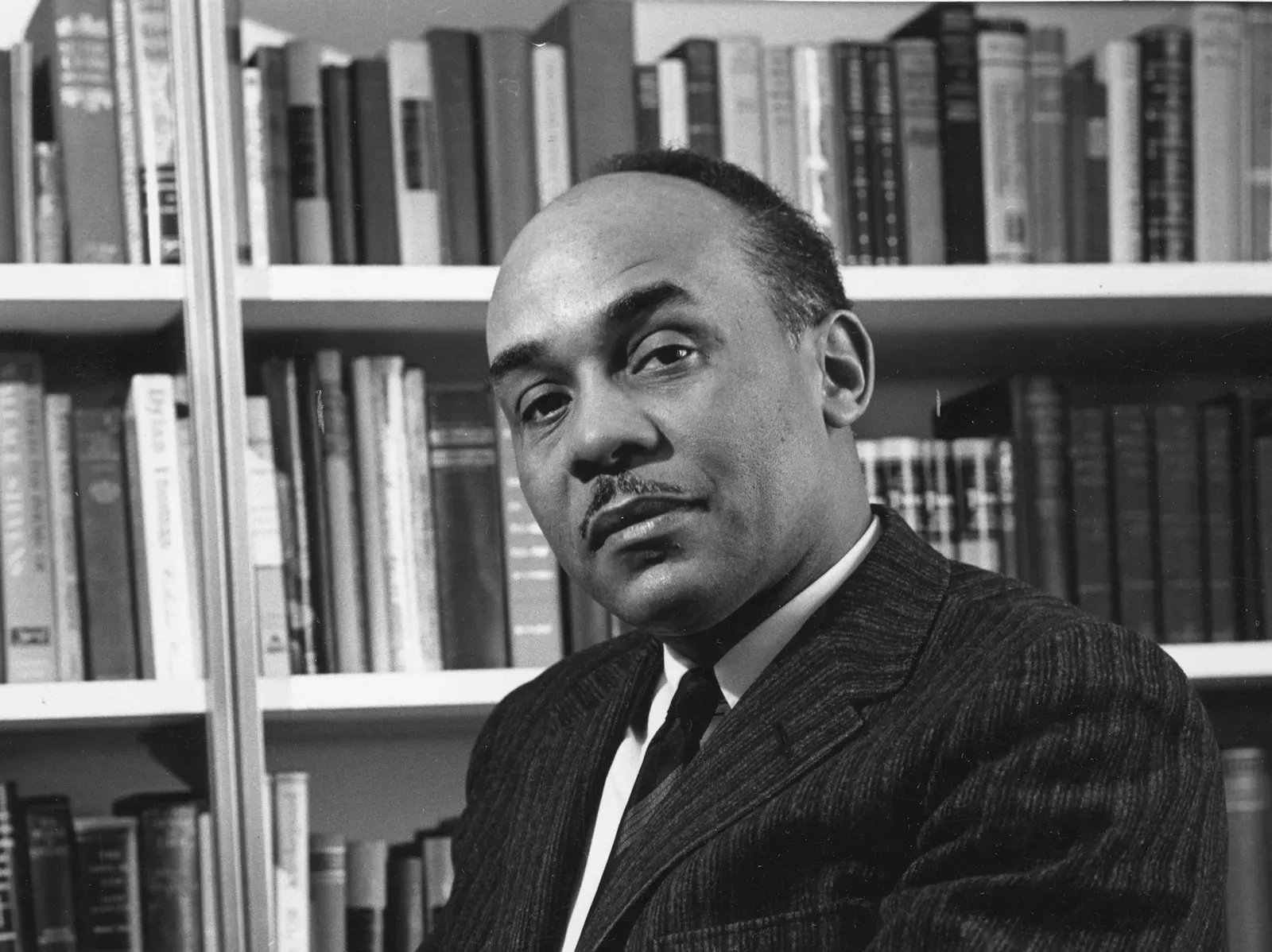
Ralph Ellison’s novel appeared in 1952 and won the National Book Award for fiction in 1953. It follows an unnamed Black narrator who moves from the South to Harlem and finds that people see only the roles they expect him to play.
The award brought the book wide recognition, and it has stayed on American reading lists ever since. Ellison never finished another novel in his lifetime. Juneteenth, assembled from his papers, came out only after his death.
To Kill a Mockingbird by Harper Lee

Harper Lee’s debut came out in 1960 and won the Pulitzer Prize for Fiction in 1961. It is told through Scout Finch, a young girl in a small Alabama town, as her father defends a Black man falsely accused of a crime.
For decades it stood as Lee’s only published novel. Go Set a Watchman, an earlier draft with the same characters, appeared in 2015, but it never displaced the original’s reputation.
The God of Small Things by Arundhati Roy
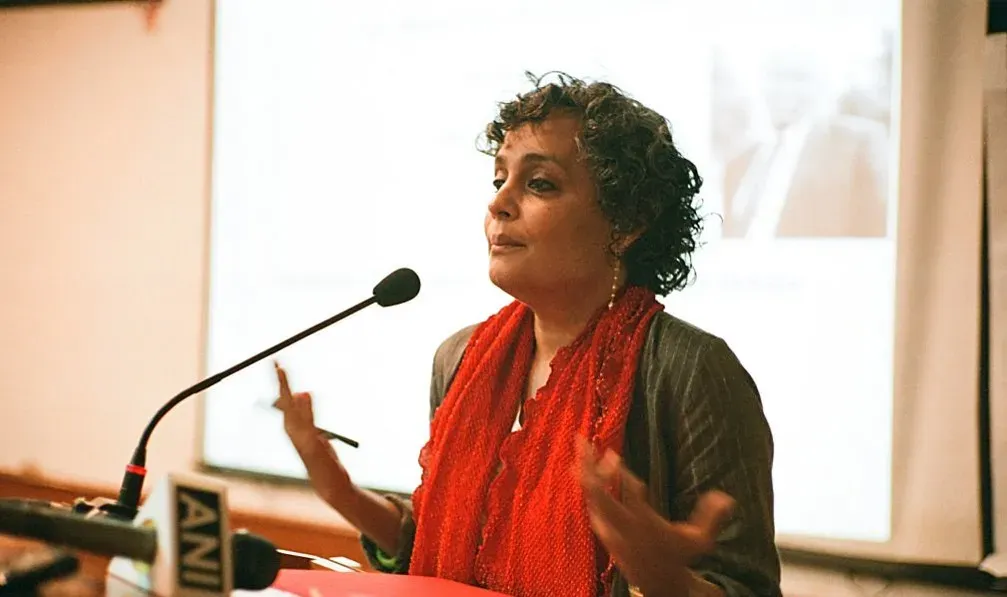
Arundhati Roy’s first novel won the Booker Prize in 1997. Set in Kerala, India, it follows fraternal twins and a family shaped by caste, politics, and a tragedy in their childhood.
Its looping, playful prose drew as much comment as its plot. Roy did not publish another novel for twenty years, until The Ministry of Utmost Happiness arrived in 2017.
Tinkers by Paul Harding

Tinkers won the Pulitzer Prize for Fiction in 2010. It was released by Bellevue Literary Press, a small independent publisher, which made the win a notable moment for the independent press world.
The book is short and quiet. An elderly clockmaker named George Washington Crosby lies dying in rural Maine, and his memories drift back to his father, an itinerant tinker. Harding had studied at the Iowa Writers’ Workshop before the novel found its audience.
Homegoing by Yaa Gyasi
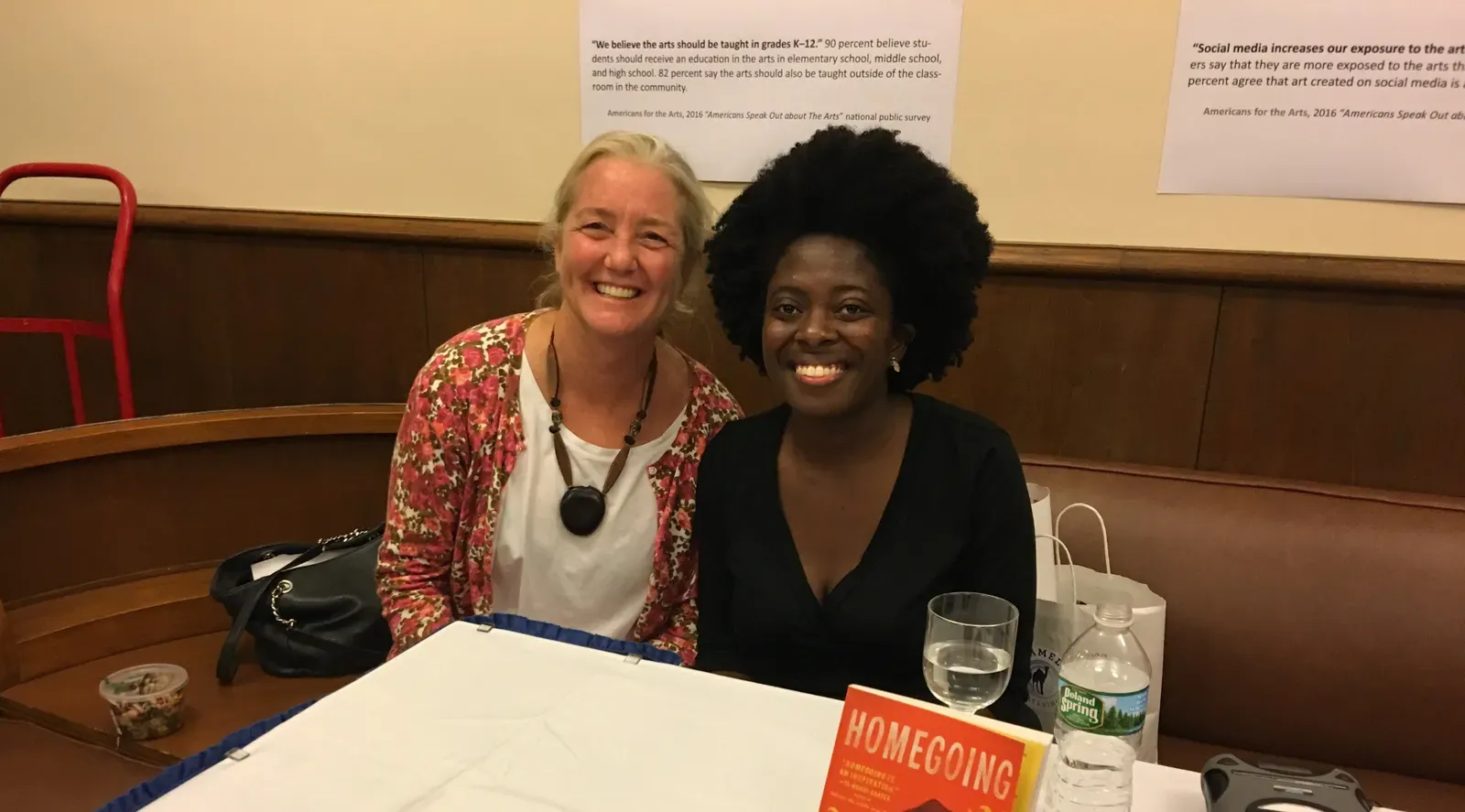
Yaa Gyasi’s 2016 debut traces two half sisters in eighteenth century Ghana and their descendants across several generations. One line stays in West Africa, while the other is carried into slavery in America.
The novel won the National Book Critics Circle’s John Leonard Prize for best first book. It also took the PEN/Hemingway Award for debut fiction in 2017. Each chapter follows a new descendant, so the book reads almost like linked short stories.
Shuggie Bain by Douglas Stuart

Douglas Stuart won the Booker Prize in 2020 with his first novel. It is set in working class Glasgow in the 1980s and centers on a boy caring for his mother, Agnes, who struggles with alcoholism.
Stuart drew on his own upbringing in Glasgow, and the book’s detail shows it. He followed it with Young Mungo in 2022, which stayed in similar territory.
The Rabbit Hutch by Tess Gunty

Tess Gunty’s debut won the National Book Award for Fiction in 2022. It takes place in a rundown apartment building in Vacca Vale, Indiana, a fictional former industrial town, and follows several residents whose lives touch in unexpected ways.
Critics noted its restless structure, which shifts between voices and forms. For a first novel, it was an unusually experimental book to win one of America’s top fiction awards.
The Safekeep by Yael van der Wouden

Yael van der Wouden’s first novel won the Women’s Prize for Fiction in 2025. It is set in the Netherlands in 1961, where a woman living alone in her family’s country house has her routines upset by her brother’s girlfriend.
The book had already been longlisted for the Booker Prize in 2024. It deals with the lingering aftermath of the Second World War, particularly the question of who ends up with property taken from Jewish families.
Jonathan Strange and Mr Norrell by Susanna Clarke

Susanna Clarke’s 2004 debut won the Hugo Award for Best Novel in 2005. It imagines Regency England as a place where magic once existed and is being revived by two very different magicians.
The book is long, running to roughly eight hundred pages, and it is written with footnotes that invent a scholarly history of English magic. It was adapted as a BBC television series in 2015.