
Most people picture a screenplay starting from a novel or an original idea. Sometimes it starts with a few thousand words in a glossy magazine instead. Editors commission a reporter, the reporter finds a strange story, and a producer happens to read it on a plane.
The films below all trace back to a single piece of magazine journalism. Some stayed close to the facts, while others took big liberties.
Saturday Night Fever
The 1977 film began with a 1976 New York magazine story by British writer Nik Cohn, titled “Tribal Rites of the New Saturday Night.” It described the disco scene in Brooklyn, and it became the basis for John Travolta’s role as Tony Manero.
The story has a twist. Cohn later admitted that he had invented much of the article, having been an outsider to the world he described. The film still became a cultural landmark, helped along by a Bee Gees soundtrack that defined the disco era.
Urban Cowboy
This 1980 drama grew out of Aaron Latham’s Esquire article about the honky tonk culture around Gilley’s, a huge nightclub in Pasadena, Texas. His piece followed blue collar workers who spent their evenings dancing, drinking, and riding a mechanical bull.
Latham also worked on the screenplay, and the film paired John Travolta with Debra Winger. It helped set off a short national craze for country western fashion and bars.
Dog Day Afternoon
Sidney Lumet’s 1975 thriller drew on a Life magazine article from 1972 by P. F. Kluge and Thomas Moore. It covered a real bank robbery in Brooklyn that turned into a long hostage standoff in front of television cameras.
Al Pacino played the lead robber, and Frank Pierson won the Academy Award for Best Original Screenplay. The film kept the tense, strangely sympathetic tone of the reporting while adding a sharp look at media attention.
Top Gun
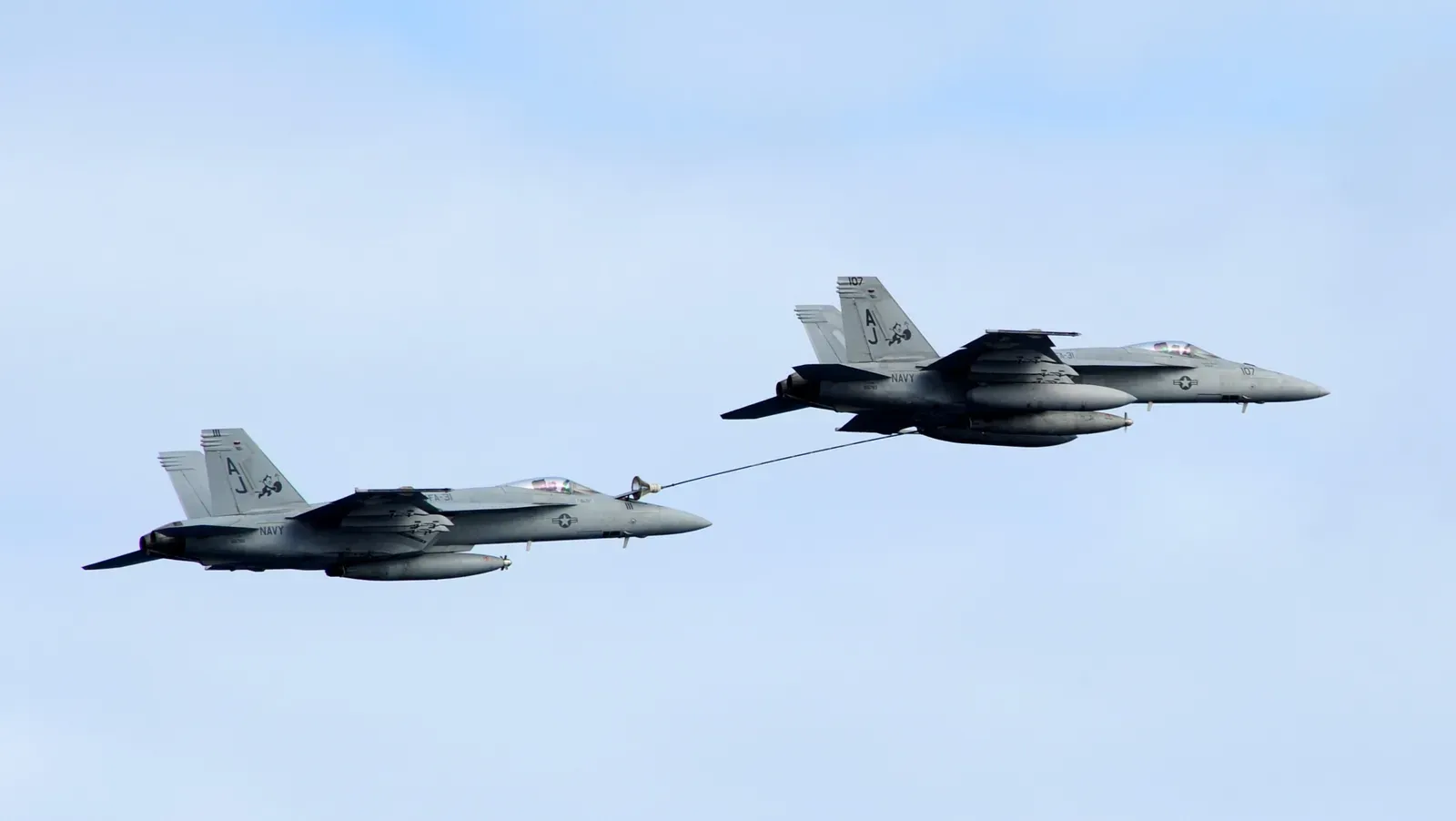
Before Maverick had a call sign, there was a 1983 California magazine article by Ehud Yonay called “Top Guns.” It looked at the Navy’s elite fighter weapons school, then based at Miramar in San Diego.
Paramount turned that reporting into the 1986 Tony Scott film starring Tom Cruise. The sequel, Top Gun: Maverick, arrived in 2022, so a magazine feature from the early eighties ended up shaping a franchise that is still running decades later.
The Fast and the Furious

The 2001 street racing film took inspiration from a Vibe magazine article called “Racer X,” written by Ken Li and published in 1998. The piece explored the illegal import car racing scene in New York.
The movie moved the action to Los Angeles and built a crime plot around it. Universal’s original film eventually grew into one of the longest running action series in Hollywood, all from a short feature about late night drag races.
Argo
Ben Affleck’s 2012 thriller was based on “The Great Escape,” an article by Joshuah Bearman in Wired magazine in 2007. It told the story of a CIA operation in 1980 that used a fake science fiction film as cover to get six American diplomats out of Iran.
Argo won the Academy Award for Best Picture, along with awards for Adapted Screenplay and Film Editing. The film changed some details for suspense, particularly in the airport sequence, but the core rescue plan was real.
Pain and Gain
Michael Bay’s 2013 dark comedy came from a series of in the Miami New Times written by Pete Collins in 1999. They detailed a bizarre kidnapping and extortion case involving a group of bodybuilders in Florida.
The film starred Mark Wahlberg, Dwayne Johnson, and Anthony Mackie. It played the crimes for black humor, and it opens by reminding viewers that the story is true, which is easier to believe after reading the original reporting.
Hustlers
The 2019 crime drama came from Jessica Pressler’s New York magazine story “The Hustlers at Scores,” published in 2015. It followed a group of strip club workers who drugged and overcharged wealthy clients in the years after the financial crisis.
Lorene Scafaria wrote and directed the film, with Constance Wu and Jennifer Lopez in the main roles. Pressler’s article is even a plot element of sorts, since the film frames the story around a reporter interviewing one of the women involved.