Something genuinely surprising is happening in the world of crime prevention right now. The tools and strategies being deployed in 2025 and 2026 would have looked like science fiction barely a decade ago. We are talking drones that can read license plates from the sky, AI systems that predict criminal activity before it happens, and acoustic sensors that can pinpoint a gunshot on a city block within seconds.
Yet it is not just technology driving the shift. Approaches to environmental design, community engagement, cybercrime disruption, and even youth leadership are all moving forward at once. The picture is messy, sometimes controversial, and far from perfect. However, the momentum is real. Let’s dive in.
Predictive Policing and AI-Driven Crime Forecasting

Predictive policing is the use of data analytics, artificial intelligence, and machine learning to forecast potential criminal activity before it happens. By analyzing historical crime data and behavioral patterns, law enforcement can anticipate where crimes are likely to occur, who might be involved, and when incidents are most likely to happen. Think of it like weather forecasting, only the storm being predicted is a string of residential burglaries on a Tuesday night.
One early real-world example came from Richmond, Virginia, where police began looking at years of gathered data and were able to anticipate the time, location, and nature of future incidents. On one particular New Year’s Eve, officers were placed at predicted locations and the result was roughly a nearly half reduction in random gunfire alongside a massive increase in weapons seized. In 2025, predictive policing tools became even more advanced with the integration of machine learning algorithms, analyzing extensive data sets including crime reports, environmental factors, and social media activity.
Real-Time Crime Centers

Real-time crime centers integrate technologies such as closed-circuit television, facial recognition, and license plate readers to monitor urban areas. Information from every radio call and camera feed is fed directly into the center, and analysts communicate constantly with officers on the ground to enhance situational awareness. It is essentially mission control for a city’s safety, running around the clock.
Gunfire detection systems are woven into these centers alongside data integration platforms that consolidate dispatch records, computer-aided dispatch, records management systems, and social media into a single unified view, with trained personnel reviewing data in real time and sending insights to officers in the field. The speed at which information can now be processed and acted upon is genuinely staggering compared to what was possible even five years ago.
Drone Surveillance and Aerial Monitoring
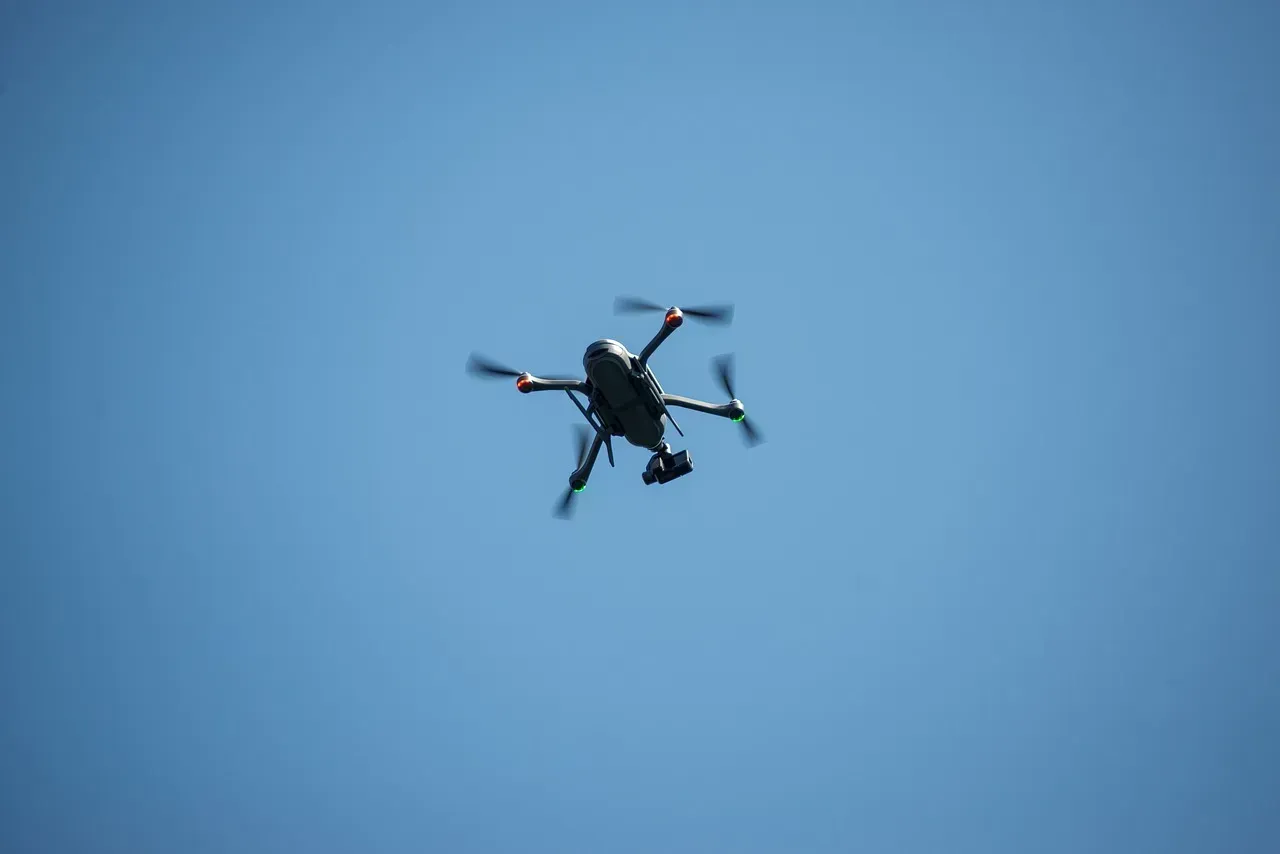
Law enforcement agencies at local, state, and federal levels have increasingly turned to drone technology in efforts to combat crime, respond to emergencies, and patrol areas. AI enhances the ability of drones to identify potential threats and minimize false alarms, with key advancements including motion and object recognition, where AI algorithms analyze movement patterns to differentiate between humans, vehicles, and animals.
A report by the Surveillance Technology Oversight Project revealed the NYPD conducted 6,546 drone flights in the first six months of 2025, representing a roughly 3,200 percent increase since 2022. That growth curve is almost hard to believe. Honest questions about oversight and civil liberties remain, but the adoption of drone-based policing is clearly accelerating well beyond what most people realize.
Facial Recognition Technology
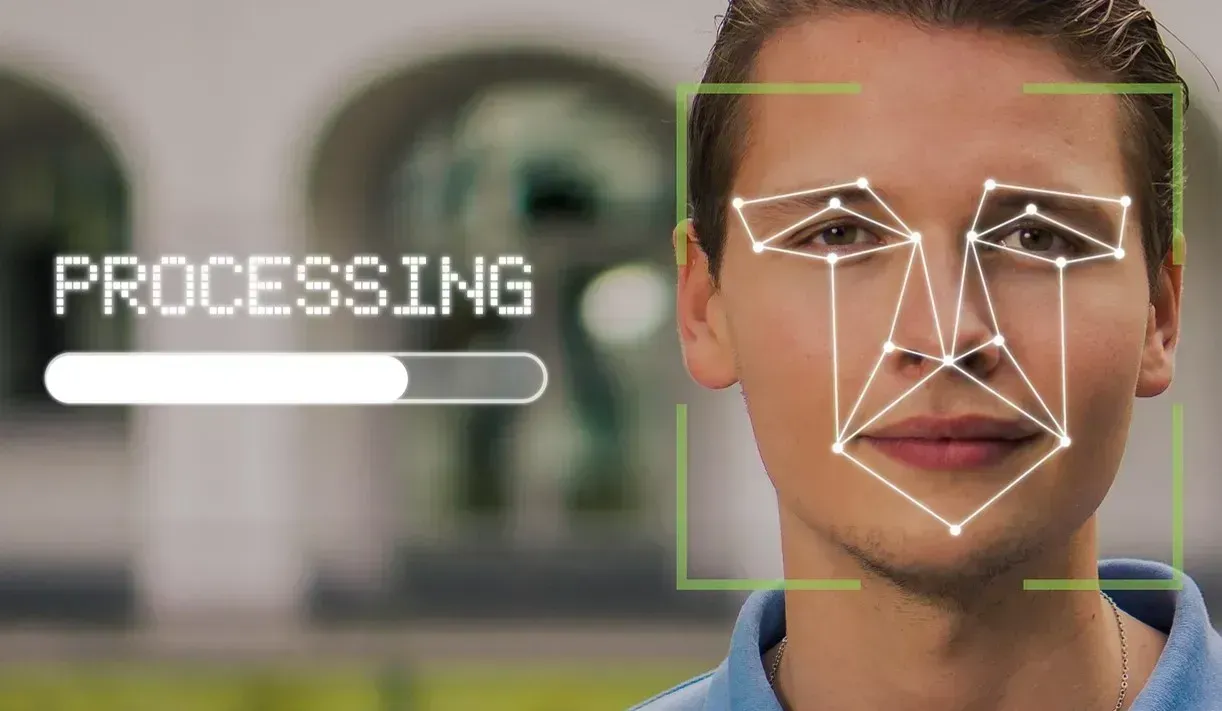
AI-powered facial recognition software analyzes surveillance footage and public images to identify individuals by comparing their features against a database of known faces, making the identification of suspects and missing persons quicker and easier. For example, the UK’s Metropolitan Police has successfully used live facial recognition to identify suspects wanted for serious crimes.
In the rapidly evolving landscape of biometric technologies, integrating AI and predictive analytics offers promising opportunities and significant challenges for law enforcement and violence prevention, with new sensor technologies and machine learning algorithms already impacting crime prevention strategies. Still, it is worth acknowledging that implementing facial recognition technologies in public settings raises concerns about misuse, potentially resulting in the unwarranted surveillance of individuals who have not consented.
Gunshot Detection Systems

ShotSpotter, one of the most prominent gunshot detection systems, now operates in roughly 170 cities. It uses an array of acoustic sensors to listen for loud noises, identify those likely to be gunfire, and alert law enforcement. The concept is deceptively simple. Microphones scattered across a neighborhood triangulate the source of a loud bang in seconds, pushing a location alert directly to patrol officers before anyone has even called 911.
Despite the system’s straightforward premise, several cities, most notably Chicago, have discontinued its use, citing concerns about effectiveness and racial disparities. This is an honest tension that the field has not fully resolved. The technology works in some contexts and stumbles in others, which is why how it is deployed matters just as much as whether it is deployed at all.
AI-Powered Video Analytics

Thanks to AI-enhanced software, modern surveillance devices are more adept at identifying criminal activity in real time, delivering actionable intelligence that enhances officer safety and decision-making. AI-powered object detection systems analyze live surveillance feeds to identify specific objects or activities, including firearms, loitering, intruders, or even fires, using advanced algorithms to prevent crime and enhance situational awareness while speeding up response times to potential threats.
Here’s the thing though, the raw volume of footage generated by modern city surveillance networks is enormous. No human team could ever watch all of it in real time. That is precisely where AI earns its place, not replacing officers, but acting as an attentive set of digital eyes that never blinks and never tires.
Cybercrime Prevention and Digital Forensics

The global economy was estimated to lose upward of $10.5 trillion to cybercrime in 2025, making it one of the most fast-spreading and far-reaching areas of criminality in existence. The rise of cybercrime is one of the most significant trends affecting modern policing, with law enforcement agencies seeing a surge in digital crimes such as identity theft, ransomware attacks, and online fraud, prompting many departments to invest in specialized cybercrime units, digital forensics training, and AI-driven investigative tools.
Digital forensics involves finding, collecting, evaluating, authenticating, and documenting computer-based evidence in criminal justice, with cyber forensics locking onto computer criminals by tracking computers, laptops, servers, and networks to reconstruct the actions of offenders, identify their methods, and gather evidence for prosecution. It is painstaking, highly technical work, and the demand for officers trained in it is growing faster than agencies can currently keep up with.
Cloud-Based Case Management and Data Sharing

As law enforcement agencies modernize their operations, cloud technology has emerged as a game-changer in how data is stored, accessed, and shared. Traditionally, agencies relied on on-premise servers and legacy IT infrastructure, often leading to slow performance, security vulnerabilities, and significant maintenance costs, but a significant shift toward cloud-based solutions is now evident.
With cloud-based platforms, agencies can securely store case files, reports, body cam footage, and digital evidence while ensuring that officers and investigators can access critical data from anywhere. Advanced encryption, granular access controls, and regular security audits protect data from unauthorized access, cyber threats, and internal vulnerabilities. The days of a detective waiting three days for a file transfer from another department are rapidly disappearing.
Mobile Technology and Officer Connectivity

Advancements in mobile technology are equipping police officers with more powerful tools to access real-time information. In 2025, even deeper integration of mobile solutions into day-to-day policing was expected, with smartphones and tablets paired with specialized apps giving officers immediate access to criminal databases, GPS tracking, and seamless communication with dispatch, enhancing situational awareness and supporting faster decision-making.
Mobile technology also enables officers to engage more effectively with their communities by responding swiftly to incidents and maintaining a proactive, visible presence. I think this particular shift is underappreciated. The ability to pull up a suspect’s record, cross-reference a license plate, and alert dispatch simultaneously from a handheld device in the middle of an alley changes the nature of street-level policing in profound ways.
Violent Crime Reduction Trends

The FBI reported a roughly 15 percent drop in violent crime in early 2024, including notable decreases in homicides and robberies, though shoplifting surged by nearly a quarter, surpassing pre-pandemic levels. The Council on Criminal Justice’s 2024 Mid-Year Crime Report found that in the first half of 2024, residential burglary reports fell by 14 percent, non-residential burglaries dropped by 10 percent, and larcenies decreased by 6 percent.
An offender-focused policing strategy evaluated in Philadelphia resulted in a 42 percent reduction in all violent crimes and a 50 percent decrease in violent felonies compared to control areas. Numbers like that are hard to dismiss. Targeted, intelligence-led approaches that focus on the most prolific offenders are proving their worth in measurable, real-world terms.
Crime Prevention Through Environmental Design

A secure built environment is not only a prerequisite for the stable development of society but also an essential requirement for urban sustainability. Crime prevention through environmental design, often called CPTED, is the practice of designing physical spaces in ways that naturally discourage criminal behavior. Think better street lighting, clear sightlines, and the elimination of hidden corners where crimes tend to go unseen.
The Crime-Field theory suggests effective prevention can be achieved through macro-level crime opportunity controls and micro-level rational choice deterrence, and the theory of crime prevention through environmental design also applies to addressing new types of crime. Researchers are now exploring how these principles extend from physical streets into digital environments, which is a fascinating and relatively new frontier for the field.
Community Policing and Trust Building

More agencies are shifting away from reactive policing and emphasizing proactive community engagement, including more foot patrols, community meetings, and outreach programs that help officers connect with residents before issues escalate. When people feel comfortable with law enforcement, they are more likely to report crimes and cooperate in investigations.
Cities that have embraced community-oriented policing have seen reductions in crime and improvements in police legitimacy. Successful community policing strategies involve consistent communication, problem-solving partnerships, and a commitment to addressing local concerns, with programs focused on de-escalation, cultural competency, and conflict resolution helping officers engage with the public more effectively. It’s not flashy. It does not involve algorithms. Yet, honestly, it may be the most foundational piece of the entire puzzle.
Regulatory Frameworks for AI in Policing

In Europe, Article 5 of the EU Artificial Intelligence Act, in effect since February 2025, prohibits the marketing or use of AI systems to predict the probability that someone will commit a crime. This represents a meaningful boundary being drawn around the use of AI in law enforcement, one that other regions are watching closely. The question of where innovation ends and overreach begins is shaping policy in real time.
The ethical implications of deploying AI in law enforcement warrant critical attention, as they intersect with civil liberties, accountability, and public trust. A balanced approach that incorporates transparency, community engagement, and regulatory oversight is being advocated in the deployment of predictive policing technologies, with the integration of AI in law enforcement approached cautiously to ensure it serves as a tool for justice rather than an instrument of bias.
Biometric Technologies Beyond Facial Recognition
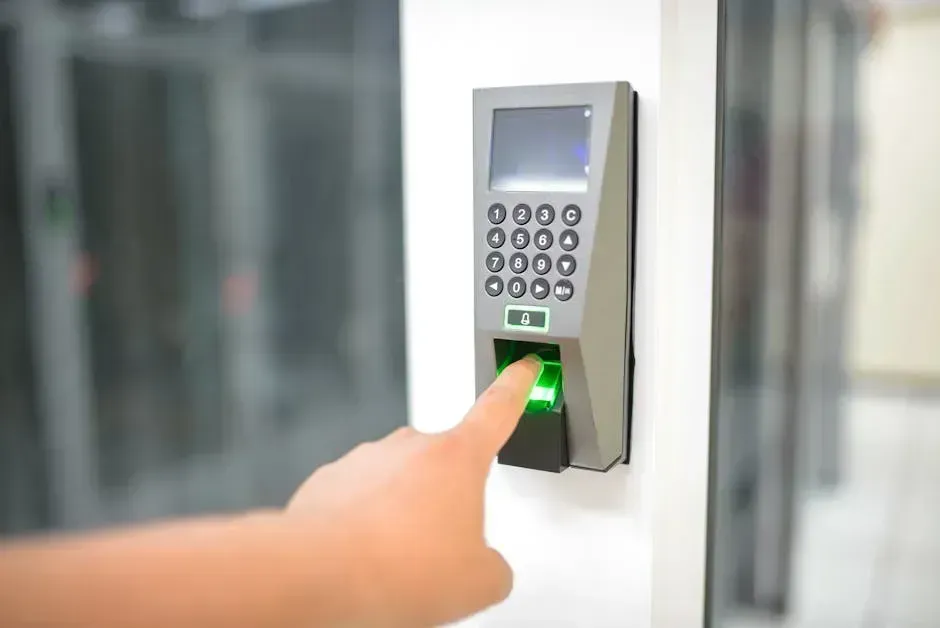
Biometric analysis is now widely used for fingerprint, palm print, iris, and face comparison across law enforcement agencies globally. These tools have transformed investigative timelines that once took weeks into processes that now take hours or even minutes. The fingerprint matching that once required a specialist and a lot of patience is now largely automated and enormously faster.
These AI-enabled identification systems offer significant benefits for crime prevention and detection, but their implementation requires agencies to carefully balance public safety advantages against privacy and civil rights concerns, with success depending on comprehensive policies, regular evaluation, and strong oversight mechanisms. Getting that balance right is still a work in progress across most jurisdictions.
International Cooperation on Cybercrime

Law enforcement agencies must learn to evolve rapidly and cooperate with agencies in other countries to investigate and apprehend cybercriminals, who operate across borders with technical sophistication. Cybercrime does not respect national boundaries, which makes international coordination not just useful but absolutely essential. A fraudster based in one country targeting victims in another requires a response that transcends any single police force’s jurisdiction.
Law enforcement is investing in cybercrime units, digital forensics training, and AI-driven threat detection tools to keep up, with officers working closely with cybersecurity experts and federal agencies to track criminals operating online. Slowly but surely, the international cooperation infrastructure for digital crime is catching up to the scale of the problem.
Youth Engagement in Crime Prevention

Harnessing the enthusiasm, knowledge, and innovative thinking of young people is vital for driving meaningful change in the digital age and ensuring that technological advancements contribute to a fairer and more inclusive justice system. One milestone initiative, the 3rd Global Youth Forum for a Culture of Lawfulness held in Kyoto, Japan, brought together 79 young leaders from 35 countries to explore how digital technologies can be leveraged to foster a safer and more just society.
As avid users of digital technologies, youth play a critical role in shaping a safer and more just society by advocating for responsible and equitable technological innovation. Young people who grew up digitally native often understand the vulnerabilities and opportunities of technology in ways that older policymakers simply do not. Their voice in these conversations is not a nicety; it is a necessity.
Smart City Infrastructure for Safety

A recent study found that smart technologies such as AI could help cities reduce crime by roughly 30 to 40 percent and reduce response times for emergency services by roughly 20 to 35 percent, with cities starting to invest in real-time crime mapping, crowd management, and gunshot detection. The smart city concept is no longer just about efficient traffic lights or connected water meters. Safety is increasingly built into the infrastructure itself.
Cities are making use of facial recognition and biometrics, in-car and body cameras for police, drones and aerial surveillance, and crowdsourcing crime reporting and emergency apps to ensure public safety. The integration of all these systems into a coordinated urban safety network is where the field is clearly heading, though the governance structures to manage that integration still lag considerably behind the technical capability.
License Plate Recognition and Vehicle Tracking

The implementation of surveillance systems increasingly encompasses gunshot detection, surveillance cameras, drones, and automatic license plate readers, all aimed at enhancing public safety through various forms of biometric surveillance technology. Automatic license plate readers, or ALPRs, have become one of the most quietly effective tools in modern law enforcement. They scan hundreds of plates per minute and instantly flag stolen vehicles, wanted suspects, and cars associated with open investigations.
Partner offer
When integrated with other technologies such as license plate reader cameras and gunshot detection systems, law enforcement drones can further enhance efforts in use cases like locating stolen vehicles. Unlike ground teams, drones do not face busy urban streets or dense traffic, so they can easily keep up with fleeing vehicles or suspects on foot.
Body-Worn Cameras and Accountability

Technology is reshaping law enforcement by improving response times, increasing transparency, and enhancing public safety, with tools such as drones, real-time crime centers, body-worn cameras, and facial recognition software supporting more efficient and accountable policing. Body-worn cameras specifically have changed the dynamic between officers, the public, and the courts in ways that continue to play out. They create records where once there were only conflicting accounts.
The accountability effect runs in both directions. Officers tend to behave more cautiously when they know they are being recorded, and so do members of the public. It is a simple piece of technology with genuinely complex social implications, and its adoption continues to spread across departments of every size globally.
Offender Monitoring and Electronic Tagging
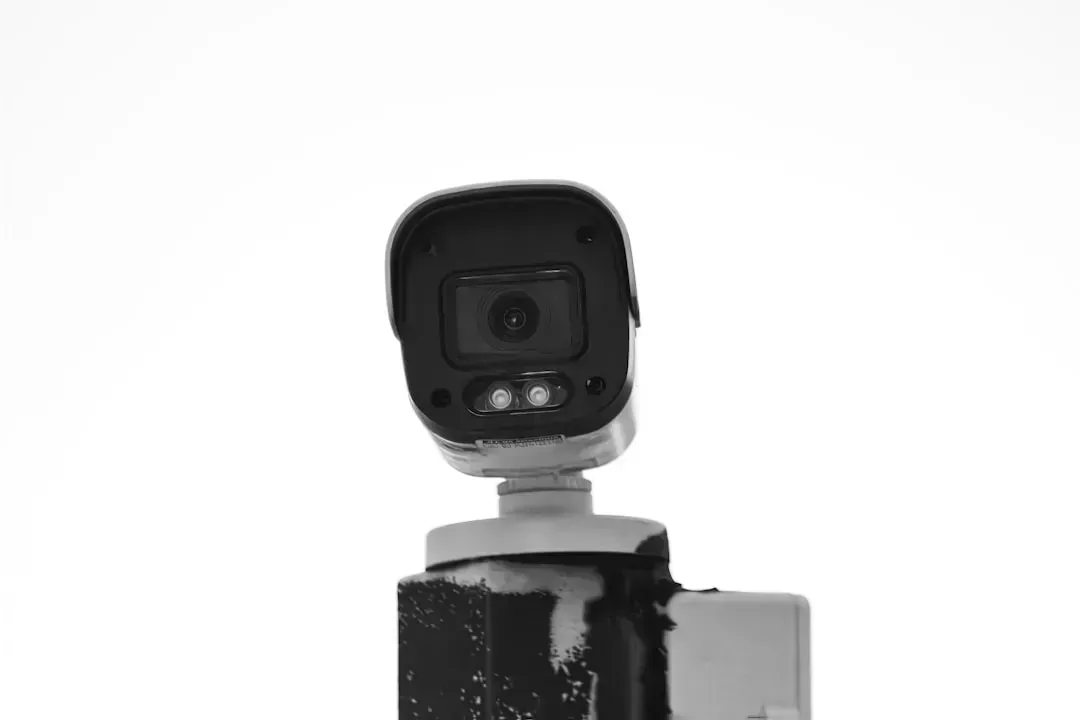
Technological innovation has been one of the main driving forces leading to the continuous improvement of crime control and crime prevention strategies, including GPS tracking and tagging and video surveillance. Electronic monitoring has evolved far beyond the rudimentary ankle bracelet of the 1990s. Modern GPS tagging systems offer real-time location data, exclusion zone alerts, and tamper detection, giving authorities a far more precise picture of an offender’s movements.
Research consistently shows that electronic monitoring can be an effective alternative to incarceration for lower-risk offenders, reducing reoffending while also reducing the enormous costs of prison. It is not a perfect solution, but as one component of a broader strategy, it has genuine merit and is being adopted more widely across jurisdictions in Europe, North America, and beyond.
Drug Crime Prevention and Diversion Programs

Drug-related crime has long been one of the most stubborn challenges in public safety, and the approach to it is shifting in important ways. Rather than relying solely on arrest and prosecution, many jurisdictions are now investing in diversion programs that redirect low-level drug offenders away from the criminal justice system and into treatment. The evidence that this reduces long-term reoffending is growing steadily.
Law enforcement agencies working in close partnership with health services and community organizations are seeing the benefits of treating addiction as a public health issue rather than purely a criminal one. Cities that have adopted integrated harm reduction approaches report reductions not just in drug use but in associated property crime and violence, which makes a compelling case that the investment is worthwhile.
School Safety and Early Intervention

Crime prevention that starts early, before patterns of offending become entrenched, is widely considered more effective than intervention after the fact. School-based programs that build conflict resolution skills, address bullying, and identify at-risk youth before problems escalate represent some of the most cost-effective investments a community can make. The data on early intervention programs consistently shows that every dollar spent prevents considerably more in future costs.
Early intervention systems in policing have extended to monitoring officers’ own behavior, with predictive models analyzing complaints, use-of-force incidents, and overtime hours to identify patterns of stress or misconduct risk, helping police departments proactively address issues before they escalate and promoting accountability and community trust. The same proactive logic applied to juvenile justice and school programs is proving equally powerful.
White-Collar Crime Detection

White-collar crime imposes annual losses estimated at up to $1.7 trillion, yet it makes up only an estimated 3 percent of federal prosecutions and affects around 35 percent of US businesses. That gap between the scale of the harm and the volume of prosecutions represents a serious challenge, and it is one that AI-driven financial analysis tools are beginning to address. Machine learning can scan transaction patterns across millions of records to flag anomalies that would take human analysts months to find.
Regulatory agencies and law enforcement are increasingly working together to deploy these tools against fraud, embezzlement, and money laundering. The complexity of modern financial crime, with its web of shell companies and cross-border transfers, essentially demands a technological response. Human intuition alone cannot compete with the speed at which sophisticated financial crimes are constructed.
Domestic Violence Prevention Systems

Spain’s VioGén system, co-developed by law enforcement and academic specialists, is designed to help protect women by enabling police to prevent recurring domestic violence. When a victim first reports an incident, police ask a standardized set of dozens of questions about the situation, including questions about the abuser’s access to weapons, mental health, and current relationship status, with the information fed into a database that the system then uses to forecast the likelihood of a repeat incident.
The system has faced criticism following specific cases where risk assessments proved inadequate, a reminder that no algorithm is infallible when human lives are at stake. Yet the underlying principle of using structured data to prioritize protection resources for the most vulnerable victims is sound, and refinements to these systems continue. Getting them right matters enormously.
Retail Crime and Organized Theft Prevention

Shoplifting surged by 24 percent in the United States in early 2024, surpassing pre-pandemic levels. Organized retail crime, which goes well beyond opportunistic shoplifting, involves coordinated theft networks that can strip a store in minutes and move merchandise through sophisticated resale channels. It has become a serious economic concern for retailers of every size.
Drones enhance retail and organized theft outcomes by speeding up officer response. They can arrive at crime scenes within minutes and follow suspects fleeing stores, making it easier for officers to locate them. Combined with AI-powered in-store surveillance that can flag suspicious behavior before a theft even completes, the toolkit available to retailers and law enforcement working together has expanded dramatically.
Carjacking and Vehicle Crime Response

Carjackings increased by 68 percent in the first half of 2024 compared to the same period the prior year, a striking number that placed vehicle crime firmly back at the top of public safety agendas in many cities. The brazen nature of many of these incidents, often carried out in broad daylight, created intense pressure on police departments to respond more effectively.
GPS-enabled vehicle recovery systems, license plate reader networks, and real-time aerial surveillance have all been brought to bear on this problem. Coordinated regional task forces targeting repeat carjacking offenders have also shown promise, particularly when they use intelligence analysis to identify the relatively small number of individuals responsible for a disproportionate share of incidents.
Burglary Prevention and Smart Home Technology

Residential burglary reports fell by 14 percent and non-residential burglaries dropped by 10 percent in the first half of 2024, and smart home technology is widely credited as a contributing factor. Doorbell cameras, smart locks, and motion-activated lighting have turned millions of private homes into passive deterrents and evidence-gathering platforms simultaneously. A would-be burglar who spots a camera on the front door is far more likely to move on.
The democratization of home security technology means that even modest households can now have capabilities that would once have required a professional security contract. Cloud-synced footage that automatically uploads to secure servers and cannot be deleted by an intruder is becoming standard. Law enforcement has noticed: clear video evidence from residential cameras now contributes to a significant portion of solved burglary cases in many jurisdictions.
Gang Violence Reduction Programs

Targeted gang intervention programs that combine deterrence with genuine off-ramps from gang involvement have demonstrated meaningful results in multiple cities. Approaches that involve community outreach workers, often former gang members themselves, carrying credible messages about consequences alongside concrete offers of employment and support have shown genuine promise. The key insight is that enforcement alone rarely breaks the cycle; the social context that makes gangs attractive must be addressed at the same time.
AI systems that analyze crime reports to identify hotspots where specific types of crimes are most likely to occur allow police to increase patrols in those areas or deploy surveillance technologies to deter potential criminals. When intelligence-led targeted enforcement combines with community-level intervention, the results tend to be more durable than either approach achieves alone.
Augmented Reality and Wearable Technology for Officers

Augmented reality smart glasses could change the future of policing, with the potential for real-time overlays of data, facial recognition, and instant access to databases all hands-free. While still emerging, these tools could enhance situational awareness and improve officer safety significantly. Imagine walking up to an unknown vehicle and instantly seeing whether it is reported stolen, who it is registered to, and whether the registered owner has any outstanding warrants, all without touching a device.
The convergence of wearable technology with real-time data systems represents a genuinely new frontier for front-line policing. The challenges are considerable, from battery life and processing power to data privacy and information overload, but the direction of travel is clear, and progress is accelerating year over year.
Thermal Imaging and Night Vision Capabilities
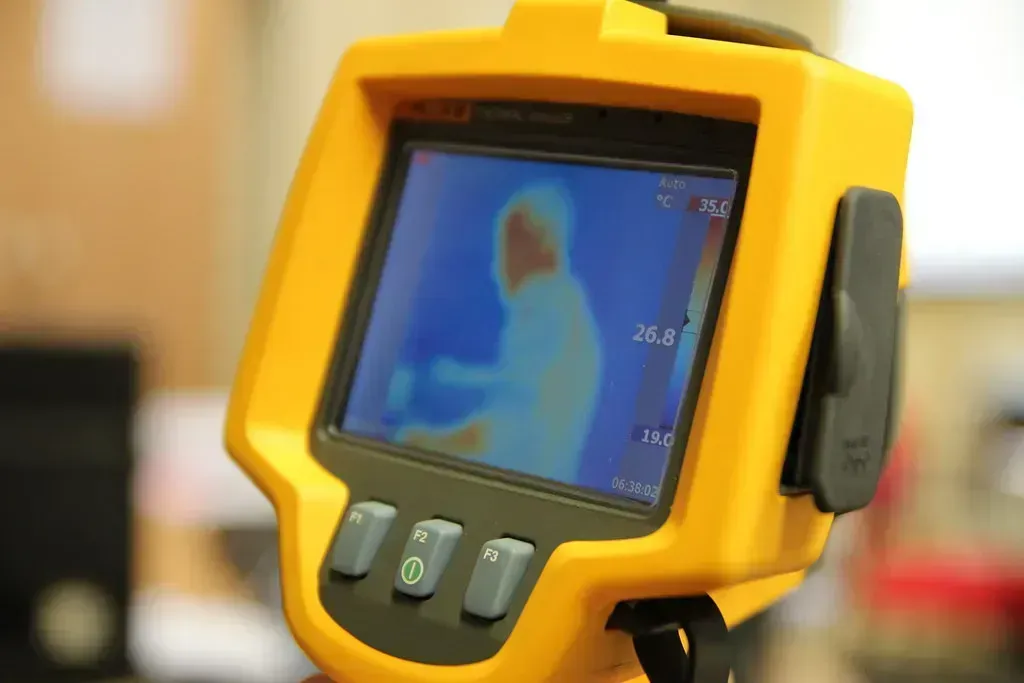
Equipped with thermal imaging, drones are already used for surveillance and search-and-rescue operations. Thermal imaging detects heat signatures, allowing drones to identify people, vehicles, or animals in darkness or dense environments. This is transformative for rural pursuits, missing person searches, and monitoring large outdoor events where traditional cameras struggle in low-light conditions. A suspect hiding in a field at midnight is no longer effectively invisible.
Ground-based thermal imaging units carried by individual officers are also becoming smaller, lighter, and more affordable. What once required a helicopter-mounted unit costing hundreds of thousands of dollars can now be achieved with a compact handheld device. The diffusion of this capability down to patrol-level policing is ongoing and significant.
Financial Crime and Anti-Money Laundering

Anti-money laundering efforts have long relied on transaction monitoring systems, but the sophistication of those systems has improved enormously in recent years. Modern AI-powered AML platforms can analyze behavioral patterns across accounts, identify unusual network connections between entities, and generate alerts that human compliance officers then investigate. The volume of suspicious activity reports has grown, but so has the quality of the leads they generate.
Cryptocurrency poses a particular challenge and, simultaneously, an opportunity. Every transaction is recorded on a public ledger, which means that with the right analytical tools, blockchain forensics firms can often trace the flow of criminal funds with remarkable precision. A growing number of high-profile seizures of cryptocurrency linked to ransomware payments and darknet markets demonstrate that digital money is far from the anonymous refuge criminals once believed it to be.
Human Trafficking Detection and Disruption

AI tools trained on patterns associated with human trafficking, such as suspicious hotel bookings, unusual call patterns, and certain types of online advertising, are being deployed by law enforcement agencies and NGOs to identify potential trafficking situations before victims are harmed. The ability to analyze enormous volumes of data across multiple platforms simultaneously gives investigators leads that would never emerge from traditional investigative methods.
Cross-agency collaboration is particularly important in this area, since trafficking networks are by nature transregional and often international. Shared intelligence databases, joint task forces, and coordinated victim support services are all part of an evolving response that has become considerably more sophisticated compared to even five years ago.
Evidence Management and Digital Chain of Custody

Advancements in evidence management systems now address the challenges of handling both physical and digital evidence, with features like automated redaction and centralized access allowing agencies to quickly locate and share incident-related footage while protecting privacy. Law enforcement agencies are increasingly adopting new evidence management systems to streamline the secure electronic exchange of evidence, making collaboration faster, more efficient, and less disruptive.
The integrity of the chain of custody, which tracks exactly who handled evidence and when, is fundamental to successful prosecution. Digital systems that automatically log every access event and flag any anomalies have dramatically reduced the risk of evidence being compromised or challenged in court. It is an unglamorous but genuinely critical area of improvement.
Forensic Science and DNA Technology

The integration of artificial intelligence into forensic science represents a potential shift from subjective analysis toward more objective, reproducible approaches. While this transition offers potential improvements in accuracy and efficiency, it also introduces new challenges requiring careful validation and oversight. DNA databases have expanded substantially, and the analytical tools applied to them have become more sensitive, capable of producing useful profiles from ever-smaller biological samples.
New imaging tools like hyperspectral imaging can analyze chemical traces without damaging evidence, while BulletTrax-3D uses high-resolution 3D imaging to match bullets with remarkable precision. These advances in physical forensics are quietly transforming the quality of evidence available in cold cases and fresh investigations alike, solving crimes that would once have gone permanently unsolved.
Social Media Monitoring and Open Source Intelligence

Gathering and analyzing data from social media, the dark web, and news sources to forecast unrest or detect radical activities has become a standard part of intelligence-led policing in many jurisdictions. Open-source intelligence, or OSINT, allows investigators to build pictures of criminal networks using publicly available information without the legal requirements that come with court-ordered surveillance. It is a powerful and widely used capability.
The ethical boundaries around social media monitoring remain actively contested. Recent legislation in some countries, such as the UK Online Safety Act 2023, is making it a requirement for social media companies to monitor activity on their platforms, shifting some of the responsibility for digital safety onto the platforms themselves rather than relying entirely on law enforcement to surveil them from the outside.
Mental Health Crisis Response

One of the most consequential shifts in how crime is being prevented involves reconsidering what kinds of incidents actually require a traditional police response at all. Many calls that police currently respond to, including mental health crises, welfare checks, and domestic disturbances, involve people who need medical or social support rather than enforcement. Co-responder models that pair trained mental health clinicians with officers, or send clinicians independently to certain types of calls, are reducing both unnecessary arrests and dangerous escalations.
Cities that have piloted these programs report reduced demand on police resources, better outcomes for individuals in crisis, and lower rates of reoffending among people whose underlying mental health issues are actually addressed. The model is gaining traction at a meaningful pace, with strong early evidence supporting wider adoption across urban and suburban departments.
Partner offer
Planning a trip to Vegas?
Compare hotel rates and show tickets on VEGAS.com.