Few fields have changed criminal justice more dramatically than forensic science. What once relied on little more than an investigator’s gut feeling and a magnifying glass has transformed into a breathtaking fusion of genetics, artificial intelligence, digital analysis, and advanced chemistry. The pace of that transformation is accelerating every year, and what seemed impossible a generation ago is now standard procedure in crime labs around the world.
Honestly, the story of forensic science is also the story of justice itself. Every breakthrough tool represents not just a smarter way to catch the guilty, but also a more powerful shield for the innocent. From ancient fingerprinting methods to AI-driven crime scene analysis in 2026, the journey is remarkable. Let’s dive in.
The Early Foundations: From Fingerprints to the First Laboratories
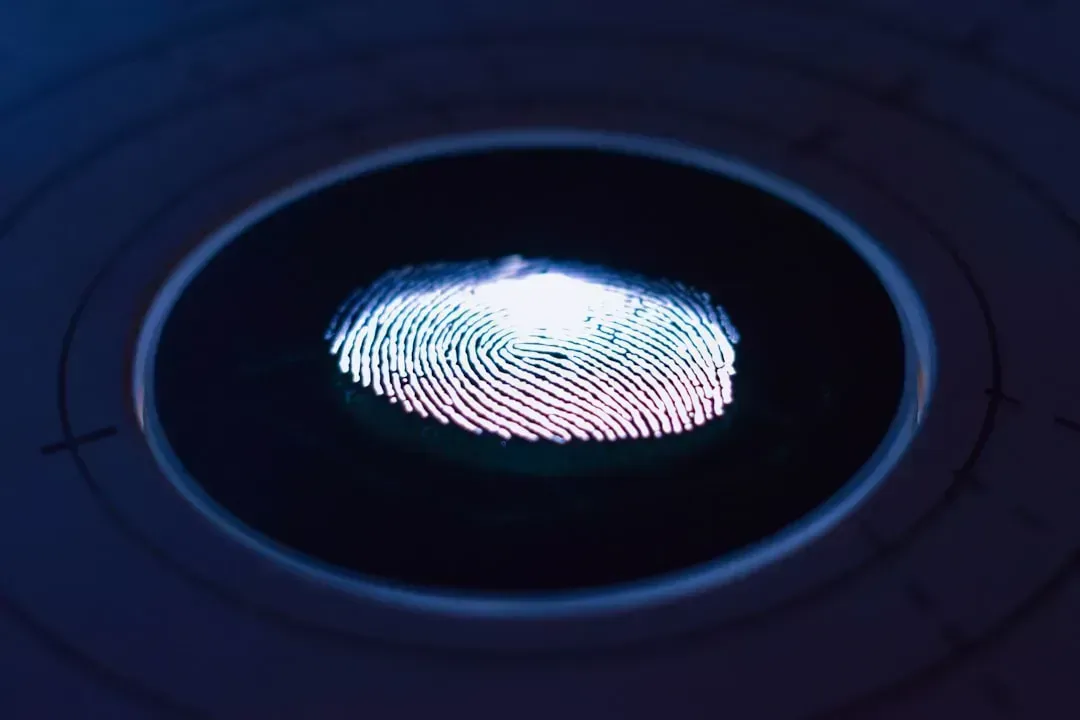
Forensic science did not emerge fully formed. It evolved slowly, unevenly, and often through high-stakes trial and error. One of the earliest high-profile cases solved using fingerprints was the capture of Thomas Jennings in 1910 in the United States, when his fingerprints were matched to a bloody window at the crime scene, marking a turning point that proved fingerprints could serve as reliable, admissible evidence in court. That moment changed everything.
For more than a century, the forensic science enterprise in the United States was controlled and often staffed by law enforcement agencies, which is not entirely surprising given that police are responsible for investigating crimes and forensic scientists have the ability to collect and examine evidence across a wide range of cases. The system worked, but its close institutional ties to one side of the justice equation would later raise serious questions about objectivity.
The DNA Revolution: A Scientific Earthquake in Criminal Justice
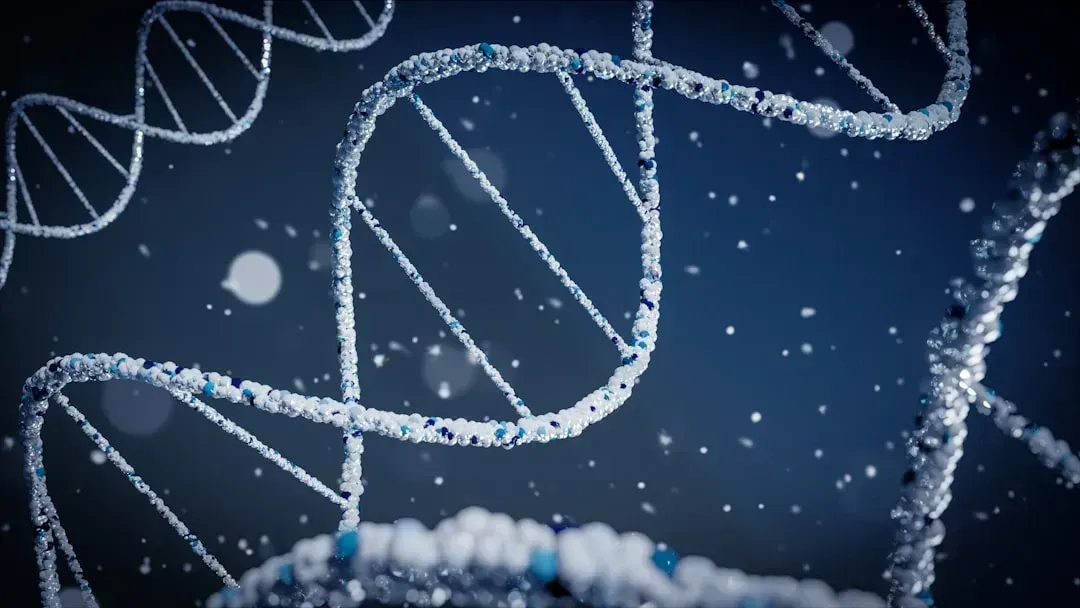
Since its first use in a criminal case in 1987, the analysis of DNA from biological evidence has revolutionized forensic investigations, with the intervening decades seeing significant advancements in terms of discrimination power, speed, and sensitivity of DNA profiling methods. Think about that for a second. In less than 40 years, DNA went from a cutting-edge experiment to the cornerstone of nearly every major criminal case.
Forensic DNA analysis has fundamentally transformed criminal investigations, providing an unprecedented level of accuracy in identifying suspects, exonerating the innocent, and solving cold cases. The impact on wrongful conviction cases alone is staggering. One prominent example is the case of the Central Park Five in New York City, initially convicted of assault and rape in 1989, where DNA testing years later proved they were not responsible, and the real perpetrator was identified through DNA, leading to the exoneration of the wrongfully convicted individuals.
Next-Generation Sequencing: Doing More With Less
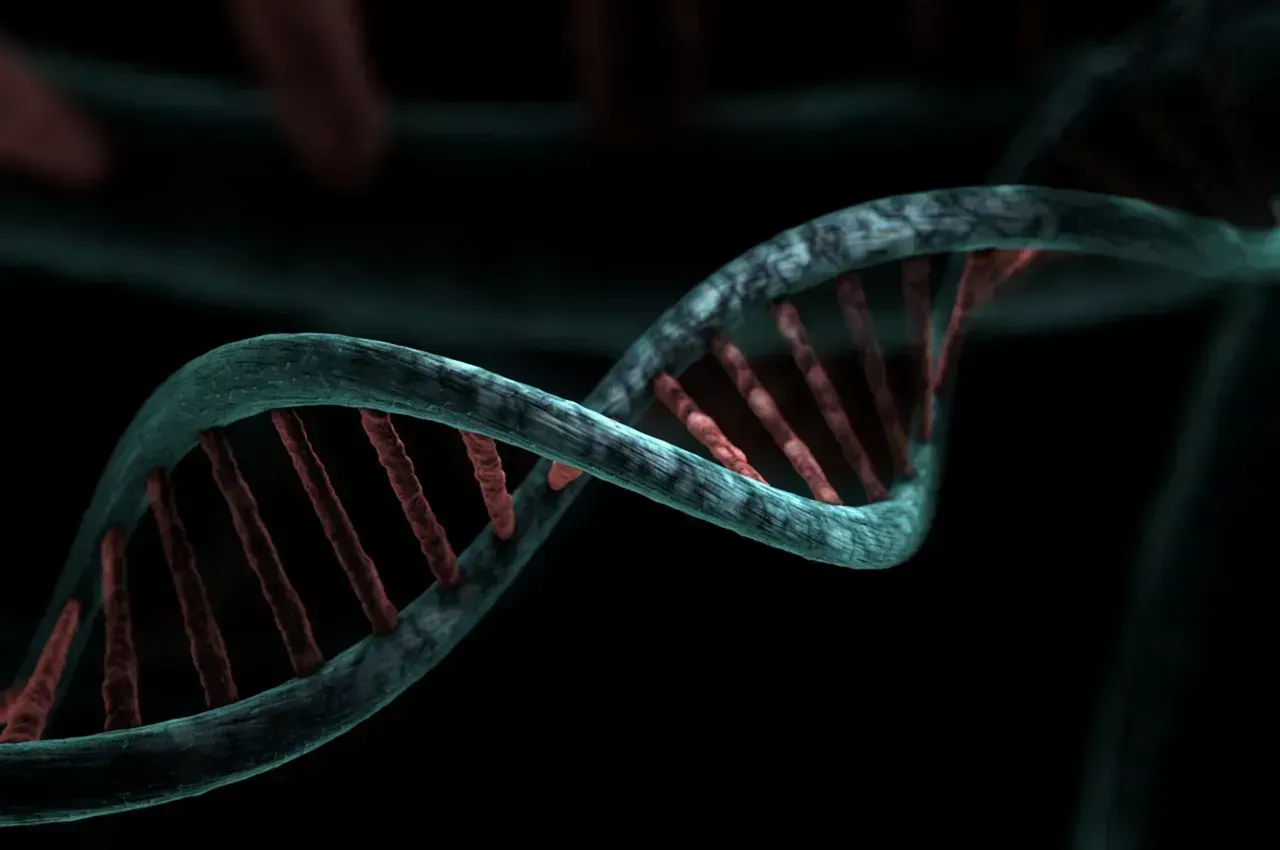
A groundbreaking forensic technology called Next-Generation Sequencing (NGS) allows scientists to analyze DNA in greater detail than ever before, examining entire genomes or specific regions with high precision, making it particularly useful for forensic investigations where DNA samples may be damaged, extremely small, or old. It is, without question, one of the most important leaps in forensic history.
Rapid DNA analysis represents a significant advancement in forensic science, enabling the generation of DNA profiles in a matter of hours rather than days or weeks. This technology allows law enforcement and forensic professionals to accelerate investigations, improve the efficiency of DNA processing, and make real-time decisions based on genetic evidence. By eliminating the need to send samples to central laboratories, rapid DNA analysis has the potential to revolutionize the use of DNA in criminal justice and emergency response scenarios. Less waiting. Faster justice. It really is that simple.
Forensic Genetic Genealogy: When Ancestry Databases Become Crime-Solving Tools
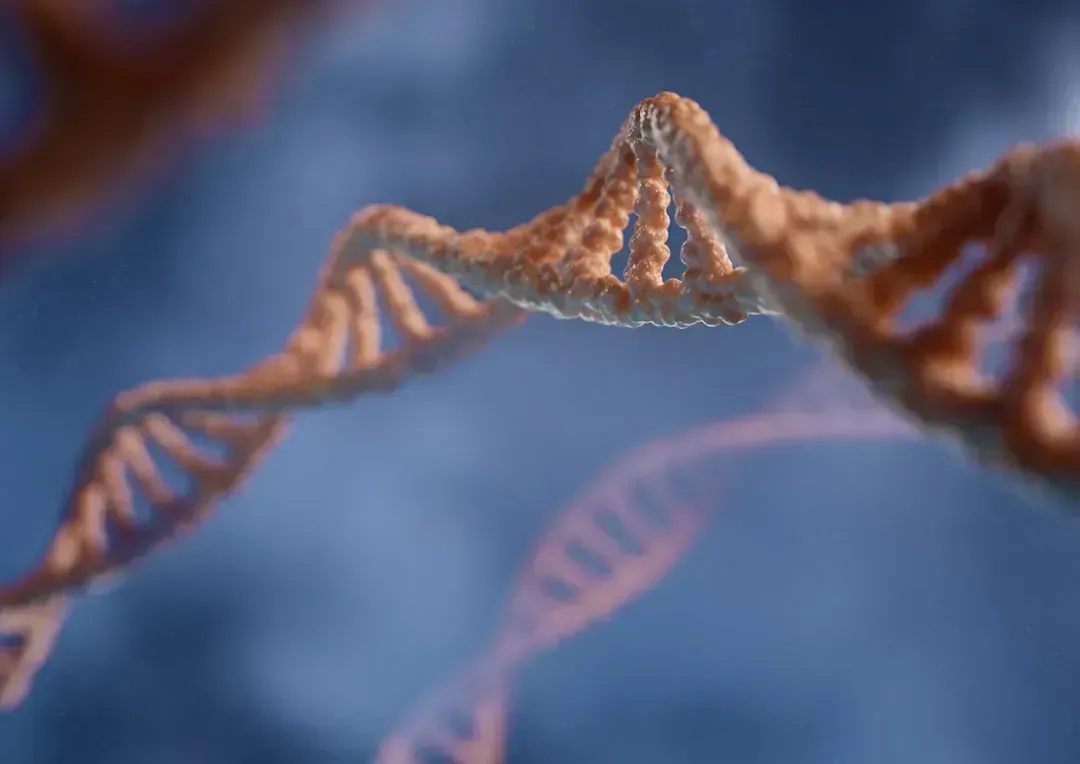
Here is the thing. Sometimes the criminal is not in any law enforcement database at all. That is exactly where forensic genetic genealogy steps in. Forensic genetic genealogy uses DNA evidence from a crime scene and compares it against large genealogy databases that often contain DNA samples from people searching for their ancestors. When investigators find relatives, they can build a family tree that leads to the suspect.
In 2018, investigators uploaded crime scene DNA to a public ancestry database called GEDmatch, and from there genealogists built a family tree that led to Joseph James DeAngelo, a former police officer who was arrested and later pled guilty to 13 murders and 13 rape-related charges, closing a 40-year investigation in a matter of months. Since 2018, the combination of these tools has, by some estimates, helped solve 500 murder and rape cases.
Artificial Intelligence Enters the Crime Lab
Artificial intelligence is rapidly transforming law enforcement and digital forensics, allowing police to process massive volumes of data, solve cases more quickly, and protect officers from exposure to traumatic content, and due to the sheer volume of data, AI has become a crucial aspect of the investigative process. It is not science fiction anymore. It is Tuesday morning at a modern crime lab.
AI has the potential to synthesize results from forensic laboratories, which often produce findings from many kinds of evidence such as DNA, latent prints, and trace evidence. Based on those findings, AI can produce insights, prioritize leads, and suggest potential next steps for investigators using pattern recognition and inference. Findings from recent research reveal promising potential for AI as a decision support tool in forensic science, serving as a rapid initial screening mechanism to assist human experts, with results emphasizing that current AI tools function optimally as assistive technologies, enhancing rather than replacing expert forensic analysis.
Digital Forensics: Investigating Crimes in Cyberspace
In modern criminal investigations, digital evidence including emails, text messages, phone records, video footage, social media posts, and cloud-stored information often holds more value than physical evidence. That reality has forced an enormous expansion of the forensic toolkit. The historical development of computer forensics can be traced from its roots in the 1970s to its present-day multi-disciplinary focus, highlighting major milestones like the establishment of forensic standards and the leveraging of high-technology interfaces.
Wearable devices such as smartwatches, fitness trackers, or augmented reality glasses store personal information relevant to solving a criminal act, while smart appliances like washing machines, ovens, or thermostats record energy usage and consumption data that can be used to determine a person’s presence or activity in a given location. This data can be extracted by specialized equipment connecting directly to the devices or via the cloud. Your refrigerator, it turns out, could one day testify against you.
Advanced Spectroscopy and Chemical Analysis at Crime Scenes
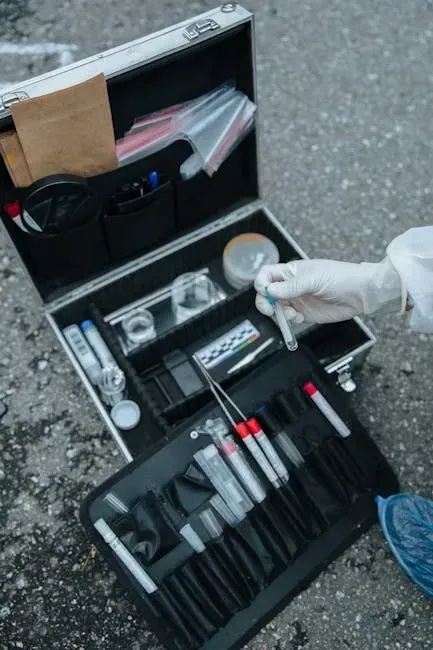
Not every forensic advance lives inside a computer. Some of the most exciting developments happen at the molecular level. A study from the University of Murcia demonstrates that attenuated total reflectance Fourier transform infrared spectroscopy combined with chemometrics can accurately estimate the age of bloodstains at crime scenes, providing a valuable tool for forensic investigations by helping to determine the time since blood deposition.
Researchers have also developed a portable LIBS sensor for crime scene investigations capable of functioning in both handheld and tabletop modes, a device that allows rapid, on-site analysis of forensic samples with enhanced sensitivity, offering a transformative tool for forensic science. Advances in the detection of illicit substances have been linked to nanotechnology, which has provided technology for chromogenic sensors, fluorogenic sensors, and electrochemical sensors for the detection of drugs and illicit substances at crime scenes.
Virtual Autopsies and 3D Crime Scene Reconstruction
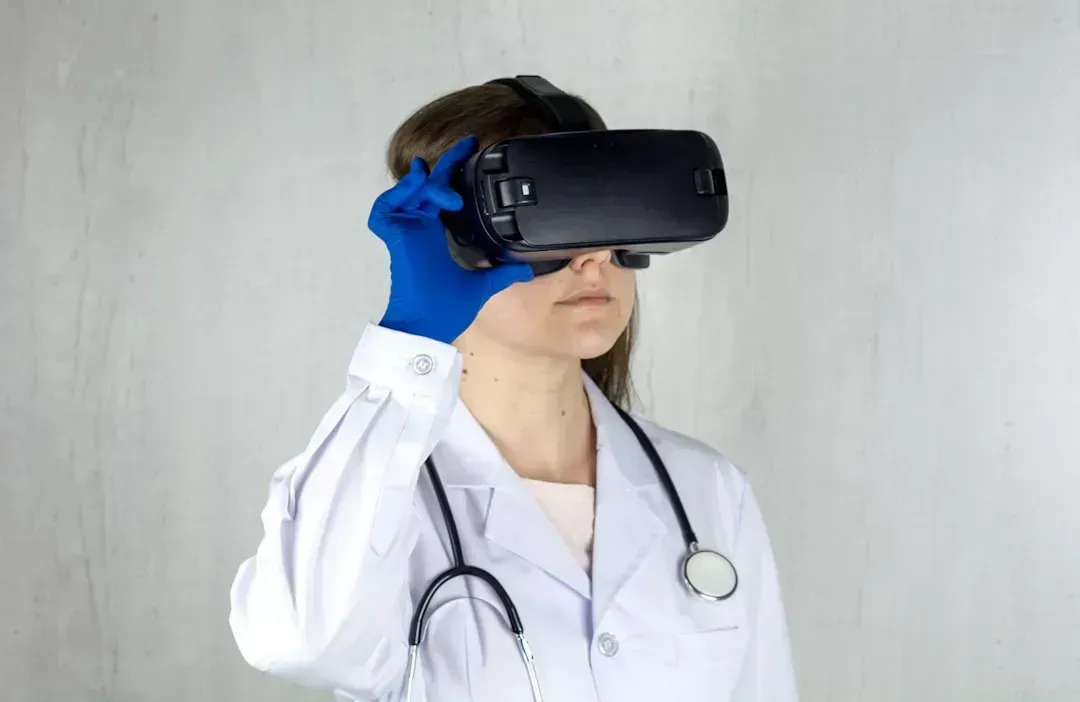
One of the more surprising developments in recent forensic history is the rise of the virtual autopsy. In traditional forensic pathology, autopsies are invasive and can pose challenges in cultures or regions where body integrity is a concern, but virtual autopsies use imaging technologies such as CT and MRI scans to examine the body internally without making a single incision. I think most people would find that development genuinely remarkable, even a little surreal.
Virtual reality and 3D scanning technologies enable immersive crime scene reconstructions, facilitating the collection and visualization of detailed spatial data, allowing for a more comprehensive analysis of the crime scene and the evidence present. From portable three-dimensional scanning to drones equipped with scanning technology and artificial intelligence, new forms of visualization and data collection are being developed that allow for the more detailed and accurate reconstruction of incidents.
The Paradigm Shift: From “Trust the Examiner” to “Trust the Science”
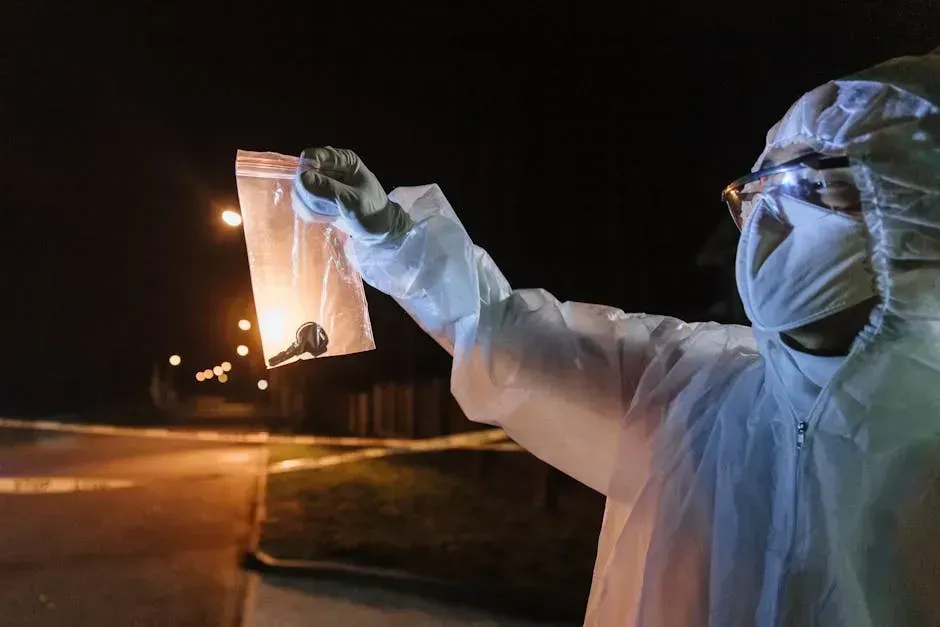
Perhaps one of the most important but least-discussed shifts in modern forensics is not technological at all. It is philosophical. Forensic science is undergoing an evolution in which a long-standing “trust the examiner” focus is being replaced by a “trust the scientific method” focus, a shift that is critical to ensure that the legal system uses forensic information in an accurate and valid way.
Advances in forensic algorithms allow experts to partially automate the examination of evidence, with algorithms able to analyze finger or palm prints, facial images, or DNA. These tools can improve speed and objectivity in many investigations, but analysts and investigators still face challenges such as possible bias and misuse, and difficulty communicating results. The science is improving rapidly. The legal and ethical frameworks, it’s hard to say for sure, are sometimes struggling to keep up.
The Booming Forensic Industry and the Road Ahead
The scale of investment in forensic science is a clear signal of where priorities are heading. The U.S. forensic science market is projected to grow from 6 billion dollars in 2024 to nearly 10 billion dollars by 2032, while the global forensic technology market is expected to reach 36 billion dollars by 2032. That is not a niche field quietly growing in the background. That is a full-blown industry.
According to the Bureau of Labor Statistics, there will be a 13 percent increase in jobs for forensic science technicians nationally between 2024 and 2034, with the BLS indicating that this growth is due to new forensic science techniques that have increased the availability and reliability of objective forensic information, meaning courts and law enforcement agencies need to hire additional staff to use these techniques. The 21st century is characterized by a rapid, transformative evolution in forensic science driven by technology, biology, digital sciences, and cross-field collaboration. Where it goes next may change criminal justice more profoundly than anything we have seen so far.
Conclusion: A Field That Never Stops Moving Forward
Forensic science has traveled an extraordinary distance in a remarkably short time. From a single bloody fingerprint on a windowsill in 1910 to AI-assisted DNA genealogy cracking 40-year-old cold cases, the discipline has consistently risen to meet the complexity of crime with sharper, more reliable tools. The implications for justice, both in catching the guilty and protecting the innocent, are enormous.
Yet with every technological leap come real questions about ethics, privacy, and the risk of over-reliance on tools that are still being validated. The science is powerful. The responsibility that comes with it is equally powerful. What do you think matters more as forensic science evolves: the speed of solving cases, or the safeguards protecting the innocent? Share your thoughts in the comments.