Music history loves a good legend, and some stories get told so often that nobody bothers to check them anymore. A conspiracy theory about a pop group and a Hollywood film, a coded drug reference hiding in plain sight, a band supposedly ripping the clocks off the studio wall out of paranoia. These tales sound too perfect, and that’s usually the giveaway. Below are four widely repeated album origin stories that fall apart under a bit of scrutiny, along with what actually happened instead.
1. Pink Floyd secretly scored “The Dark Side of the Moon” to sync with “The Wizard of Oz”
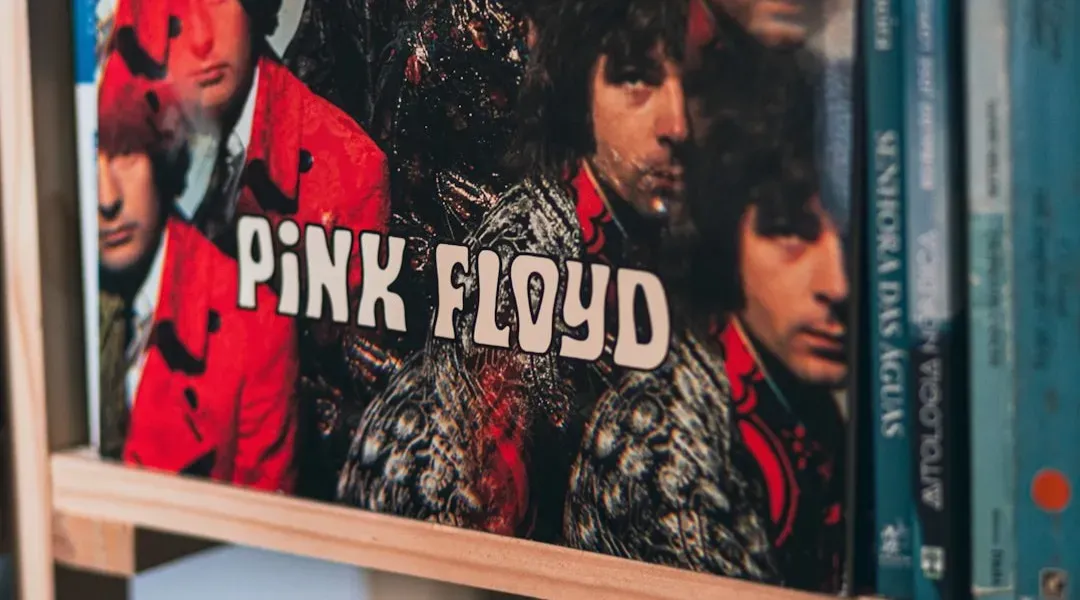
The theory, often called “The Dark Side of the Rainbow,” claims that Pink Floyd deliberately built their 1973 album to line up scene for scene with the 1939 film starring Judy Garland. It pairs the album with the film to produce moments of apparent synchronicity where the two appear to correspond. The idea took hold in internet forums during the early 1990s and has refused to die since, fueled by countless YouTube mashups showing the “proof.”
The trouble is that everyone actually involved in making the record has shot the idea down. In his 2022 appearance on The Joe Rogan Experience podcast, Roger Waters told Rogan that the synchronization was “bulls***” and “has nothing to do with us.” Engineer Alan Parsons has gone further, pointing out the technical impossibility. He claimed that intentionally syncing the album with the film would have been impossible, since the band did not have any means of running videotapes in their studio the year they recorded the album. Drummer Nick Mason has been blunter still, joking that “It’s absolute nonsense. It has nothing to do with ‘The Wizard of Oz.’ It was all based on ‘The Sound of Music.'”
2. “Lucy in the Sky with Diamonds” was written as a secret code for LSD

Sgt. Pepper’s Lonely Hearts Club Band arrived in 1967 dripping with psychedelic imagery, so when fans noticed that “Lucy in the Sky with Diamonds” shortened neatly to LSD, the conclusion felt obvious. The BBC agreed enough to ban the song from radio play over suspected drug references. It became one of the most persistent bits of Beatles lore, repeated in documentaries and record store trivia nights for decades.
John Lennon told a much simpler story, and he told it consistently for the rest of his life. His inspiration for the track title came from a drawing of a school friend “Lucy” by four-year-old Julian Lennon, who presented the art to his father saying “It’s Lucy in the sky with diamonds,” to which John immediately wrote a song about it. Even the girl in question had no idea the song was about her at first. It has been verified the song is about a colourful drawing Julian brought home, and “it turns out she didn’t find out the song was about her until the 70s.” The acronym really was just a coincidence, though Lennon spent years insisting nobody believed him.
Partner offer
3. Fleetwood Mac ripped the clocks off the studio wall to hide the passage of time
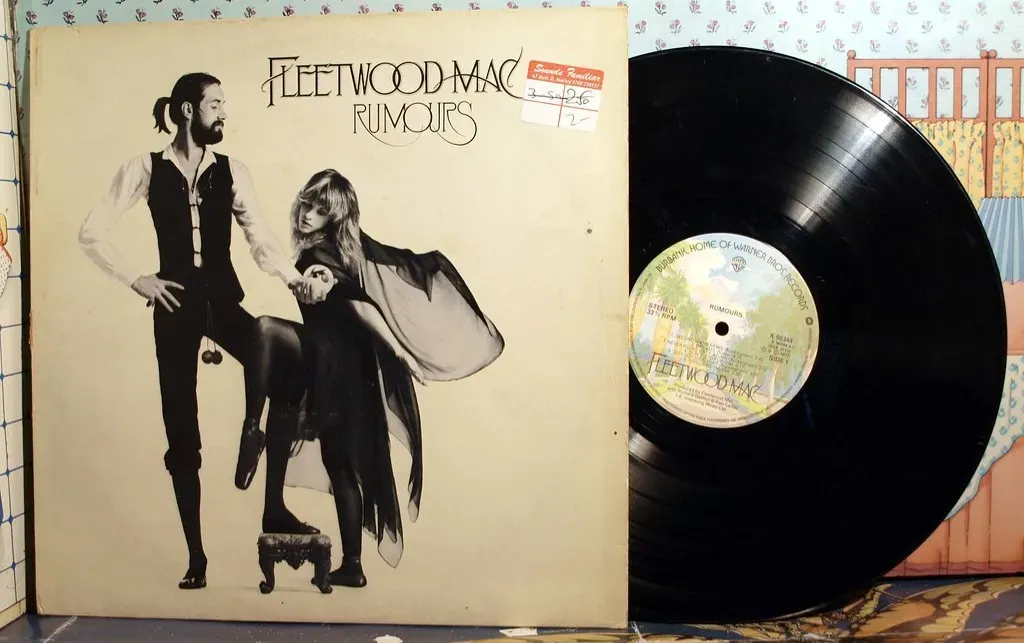
Rumours has one of rock’s most quoted backstories: two couples in the band breaking up simultaneously, mountains of cocaine, and sessions so disorienting that drummer Mick Fleetwood allegedly tore every clock out of the studio so nobody would know if it was day or night. It’s a vivid image, and it fits the album’s reputation as chaos transformed into art. The story has been repeated in countless retrospectives as proof of just how far off the rails things got.
Producer Ken Caillat, who was actually in the room, says it never happened quite that way. Caillat insists that, despite one report, Fleetwood never removed the studio clocks to prevent the band from knowing how long they’d been working, explaining “it was so dark in there, you never knew whether it was day or night anyway.” A related legend about the band spending twelve straight hours a day tuning a single piano also got embellished with retelling. Buckingham confirmed it did drag on for four days, “but we weren’t tuning for 12 hours a day. We were trying different tuners.” The drama around the album was real, but some of the specific details hardened into something closer to folklore than fact.
4. The Nirvana “Nevermind” baby became rich off one of the best selling albums in history
Nevermind’s cover, a naked infant swimming toward a dollar bill on a fishing hook, is one of the most recognized images in music. Given that the album eventually sold in the tens of millions, casual fans have long assumed the baby’s family cashed in alongside the band. It’s an easy assumption to make when the picture itself is a joke about chasing money.
The reality is almost the opposite of the myth. Spencer Elden’s parents got a call from underwater photographer Kirk Weddle, who used one of the stills he took of Elden after Geffen Records rejected other options, then later added a fish hook with a dollar bill to make it look like the baby was swimming toward it. For that image, which ended up defining one of the defining records of the 1990s, Elden’s parents were reportedly paid only $200, and the shoot lasted around 15 seconds. Elden has spent much of his adult life feeling like a footnote in someone else’s success story, eventually suing over the image decades later, but the payday people assume he received never materialized.
Partner offer
Planning a trip to Vegas?
Compare hotel rates and show tickets on VEGAS.com.