There’s something quietly remarkable about a song being forbidden by a government and then, years or decades later, becoming the very symbol of that nation. It sounds contradictory, and yet it has happened more than once throughout history. The stories behind these musical reversals reveal how deeply music can threaten those in power, and how stubbornly the human desire for identity can outlast any attempt to suppress it.
What follows are four real cases where songs were officially banned or actively suppressed, only to eventually rise as . Each one carries a different kind of weight, whether rooted in colonial resistance, revolution, or the long fight against racial oppression.
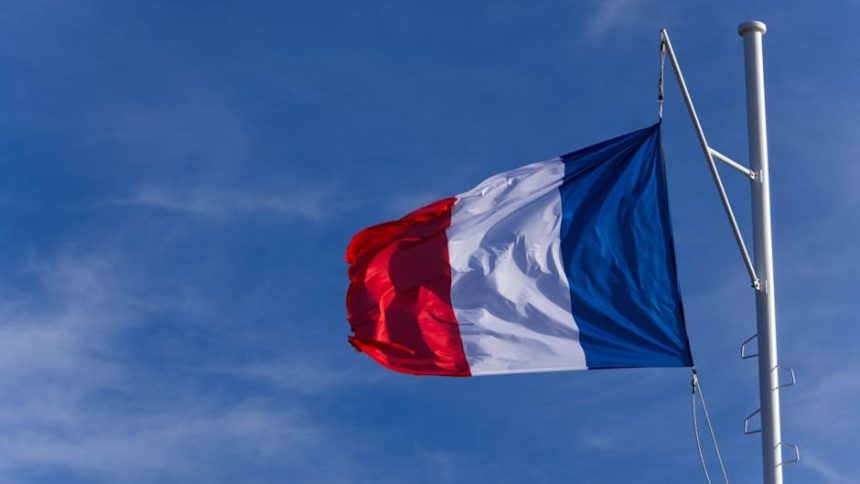
La Marseillaise – France
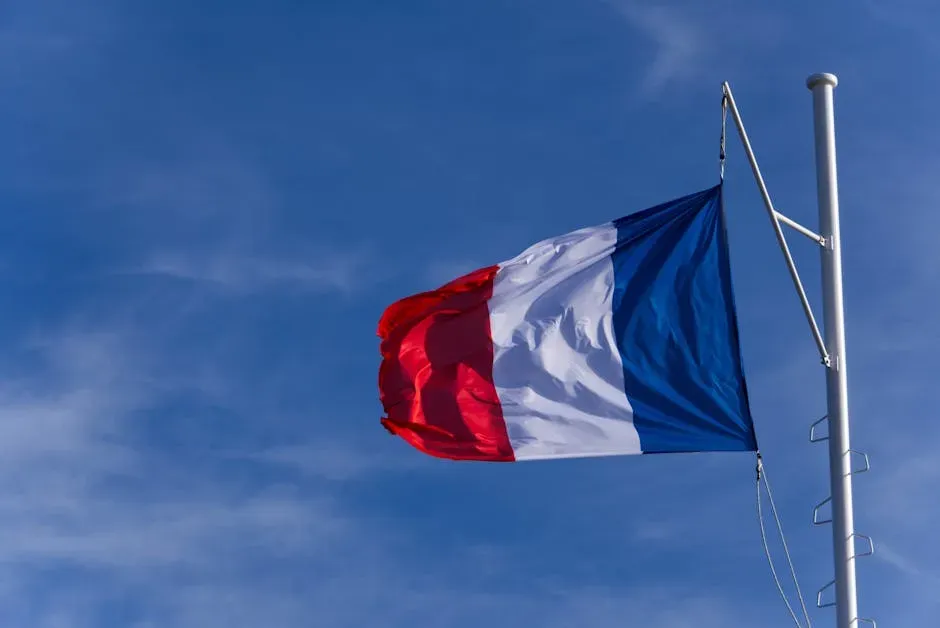
After France declared war on Austria in April 1792, the mayor of Strasbourg expressed a need for a marching song for French troops. A soldier named Claude-Joseph Rouget de Lisle answered that call. Originally titled “Chant de guerre de l’armée du Rhin,” the song came to be called “La Marseillaise” because of its popularity with volunteer army units from Marseille. The Convention officially accepted it as the French national anthem in a decree passed on July 14, 1795.
When Napoleon Bonaparte declared himself France’s emperor in 1804, he banned “La Marseillaise” because it was so strongly associated with revolutionary fervor and because it called explicitly for power to go to the French people rather than to the governing forces. King Louis XVIII and Napoleon III would also ban the song during their own reigns, with brief periods in between where it once again became the anthem. It was not until 1879 that “La Marseillaise” once more became the official French anthem, a title it continues to hold to this day.
Nkosi Sikelel’ iAfrika – South Africa
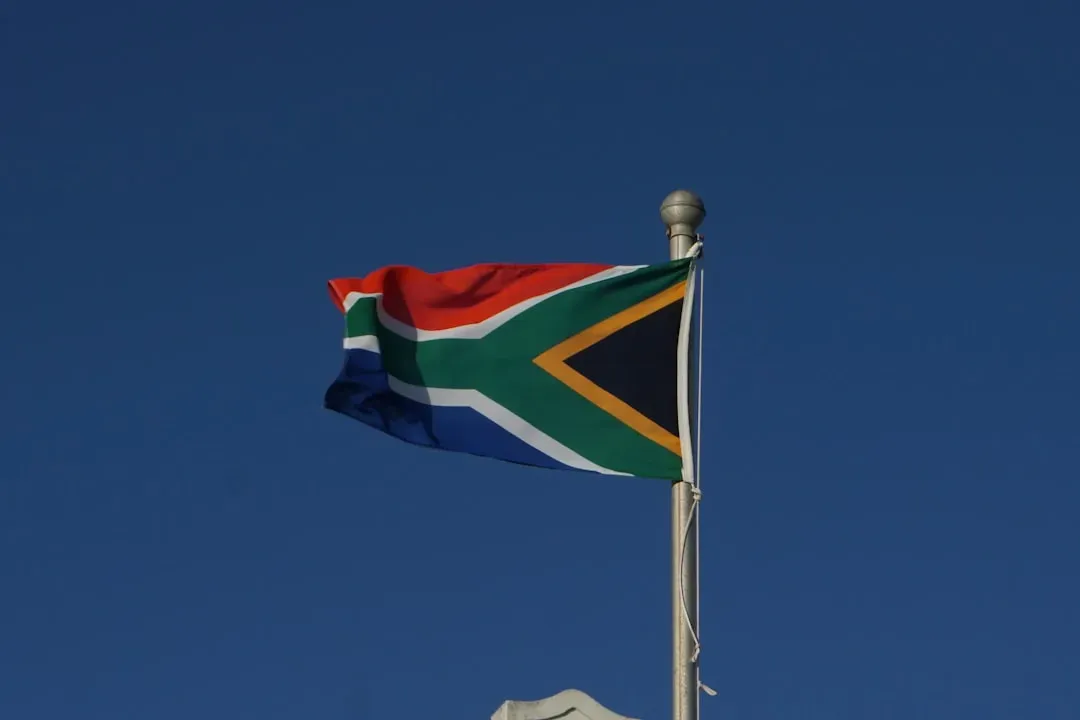
“Nkosi Sikelel’ iAfrika,” meaning “Lord Bless Africa,” is a Christian hymn composed in 1897 by Enoch Sontonga, a Xhosa clergyman at a Methodist mission school near Johannesburg. It was first sung as a church hymn but later became an act of political defiance against the apartheid regime. For decades during the apartheid era, many considered it the unofficial national anthem of South Africa, representing the suffering of the oppressed masses. Because of its connection to the ANC, the song was banned by the regime during that period.
In 1994, after the end of apartheid, new President Nelson Mandela declared that both “Nkosi Sikelel’ iAfrika” and the previous national anthem, “Die Stem van Suid-Afrika,” would be . In 1996, a shortened, combined version of the two compositions was released as the new national anthem of South Africa under the country’s new constitution and was adopted the following year. It is the only neo-modal national anthem in the world, being the only one that starts in one key and finishes in another, and its lyrics employ the five most populous of South Africa’s eleven official languages.
Partner offer
Indonesia Raya – Indonesia
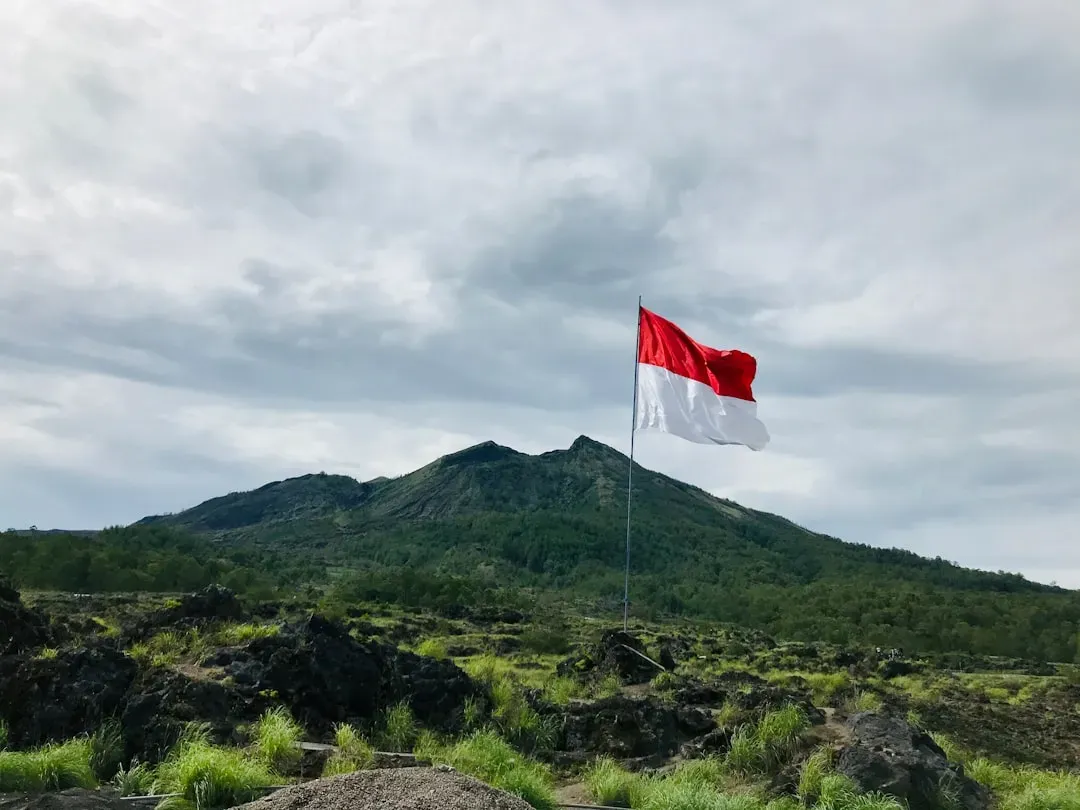
The song was introduced by its composer, Wage Rudolf Supratman, on October 28, 1928, during the Youth Pledge gathering in Jakarta. The song marked the birth of the archipelago nationalist movement aimed at gaining independence from Dutch colonial rule. The first newspaper to openly publish its musical notation and lyrics was the Chinese Indonesian weekly Sin Po, an act of defiance towards the Dutch authorities. The new records of the song were extremely popular, but in 1930 the Dutch colonial authorities placed a ban on it and confiscated all remaining unsold records.
During the Japanese occupation of Indonesia in World War II, Indonesia Raya was initially banned, as the Japanese authorities sought to suppress expressions of Indonesian nationalism. The anthem continued to be sung in secret, becoming a symbol of resistance against foreign rule. On August 17, 1945, two days after the Nagasaki atomic bombing, Soekarno and Hatta proclaimed the independence of Indonesia, and at that occasion the song “Indonesia Raya” became the national anthem of the Republic of Indonesia.
Das Lied der Deutschen – Germany
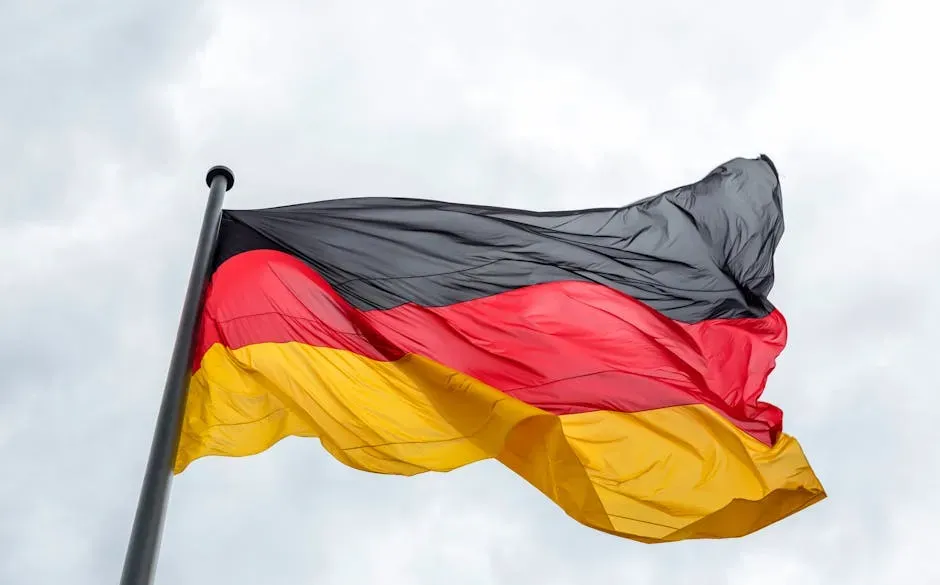
Known as “Das Lied der Deutschen” or “Deutschlandlied,” the song was originally adopted in 1922 for its connection to the March 1848 liberal revolution. Following appropriation by the Nazis of the first verse, specifically the phrase “Deutschland, Deutschland über alles,” to promote nationalism, it was banned after 1945. During Germany’s Nazi period, only the first verse of “Das Lied der Deutschen” was sung, and it was followed by the “Horst-Wessel-Lied,” the SA song written by Horst Wessel.
In 1952, the third verse was adopted by West Germany as its national anthem. West Germany used the third verse, with its famous “Unity and justice and freedom” lyrics. East Germany created its own separate anthem, “Auferstanden aus Ruinen,” which celebrated the country’s reconstruction under socialism. The East German anthem was quite beautifully worded but became awkward to sing after the Berlin Wall went up, since the lyrics mentioned “Germany, united fatherland.” East Germany eventually stopped singing the words altogether, making it effectively instrumental only. When reunification came in 1990, the third verse of “Das Lied der Deutschen” became the anthem of a reunited Germany, with the once-banned song finally finding its peaceful, lasting place in the nation’s identity.
Each of these four songs traveled a path no one could have predicted at the moment of their suppression. Banning a song rarely destroys it. More often, it does the opposite, pushing the music underground where it grows closer to the hearts of those who sing it in secret. By the time power shifts, the song is already woven into the identity of the people themselves, and no government can easily unwrite that.
Partner offer
Planning a trip to Vegas?
Compare hotel rates and show tickets on VEGAS.com.