Some movies are remembered for their visuals. Others for their performances. But a handful are defined almost entirely by what you hear. A great movie soundtrack doesn’t just accompany a film – it becomes inseparable from it, the kind of thing you can’t unhear once you’ve experienced it.
From sprawling orchestral scores to genre-defying collections of pop and soul, the soundtracks on this list each reshaped what cinema music could be. They moved units, shifted culture, and in some cases, permanently altered the course of music history.
1. Saturday Night Fever (1977) – The Bee Gees and the Sound That Ate the World
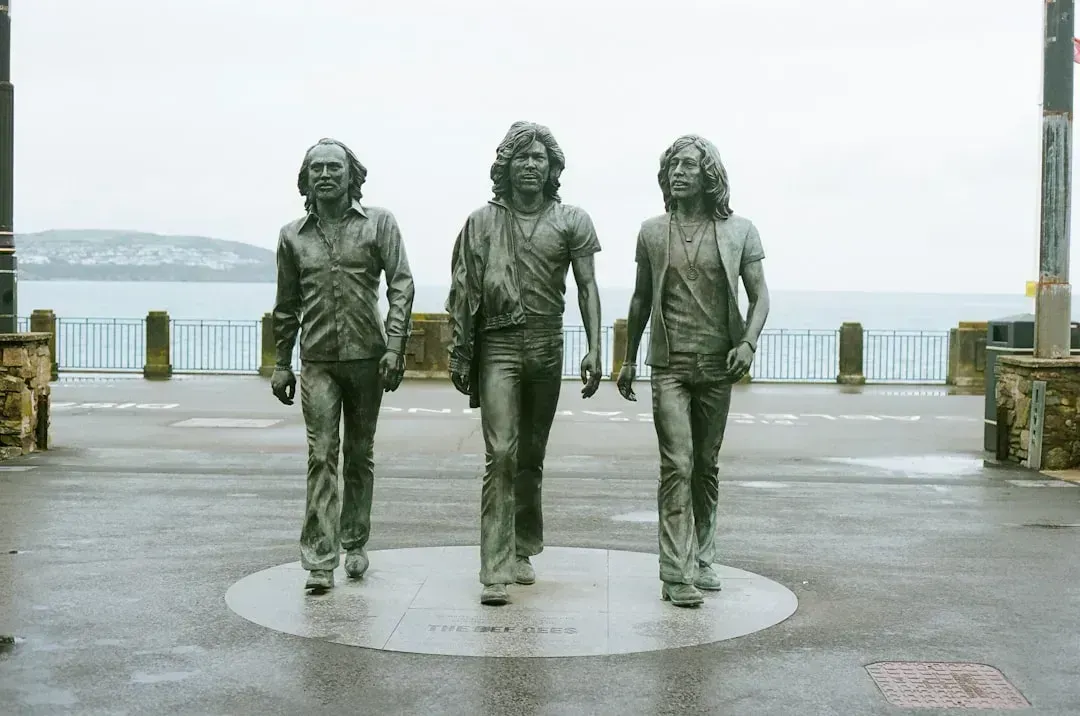
Prior to the release of Thriller by Michael Jackson, Saturday Night Fever was the best-selling album in music history, and still ranks among the best-selling soundtrack albums worldwide, with sales figures of over 40 million copies. That’s not just impressive for a movie soundtrack – that’s a staggering cultural moment. The album stayed atop the charts for 24 straight weeks from January to July 1978 and stayed on Billboard’s album charts for 120 weeks until March 1980.
The soundtrack won the Grammy Award for Album of the Year. It is the only disco album to do so, and one of only three soundtrack albums so honored. Four singles released from the album were number one hits: the Bee Gees’ “How Deep Is Your Love,” “Stayin’ Alive,” “Night Fever,” and Yvonne Elliman’s “If I Can’t Have You.” Nothing in pop music at the time came close to matching that kind of dominance.
2. Star Wars: A New Hope (1977) – John Williams Changes Everything
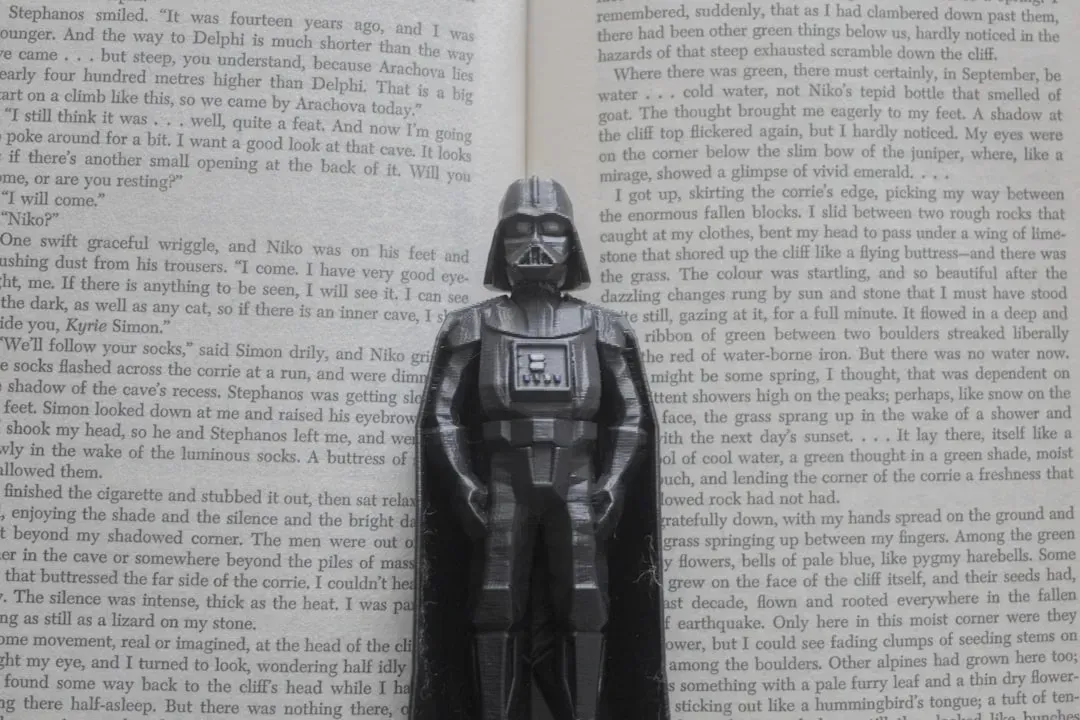
When it comes to the best film scores , few can touch the impact of John Williams’ symphonic soundtrack for the original Star Wars film. George Lucas’ grand space opera would not be the emotionally affecting cultural juggernaut that it is today without John Williams’ transformative score. It restored a level of epic scoring for films that had been lost amid smaller storytelling, and its influence can still be felt today in nearly every film that hits the silver screen.
Often considered the best film score , Star Wars: Episode IV – A New Hope is a work that leans on established techniques, such as leitmotif, and pulls from diverse styles to create a cohesive and memorable score. The score was influential because it “represented the return to traditional romantic orchestral scoring after it became less fashionable in the 60s and 70s.” The American Film Institute unveiled their list of the 25 greatest film scores in 2005, and John Williams placed at the very top with Star Wars.
3. Pulp Fiction (1994) – Tarantino’s Personal Mixtape Goes Global
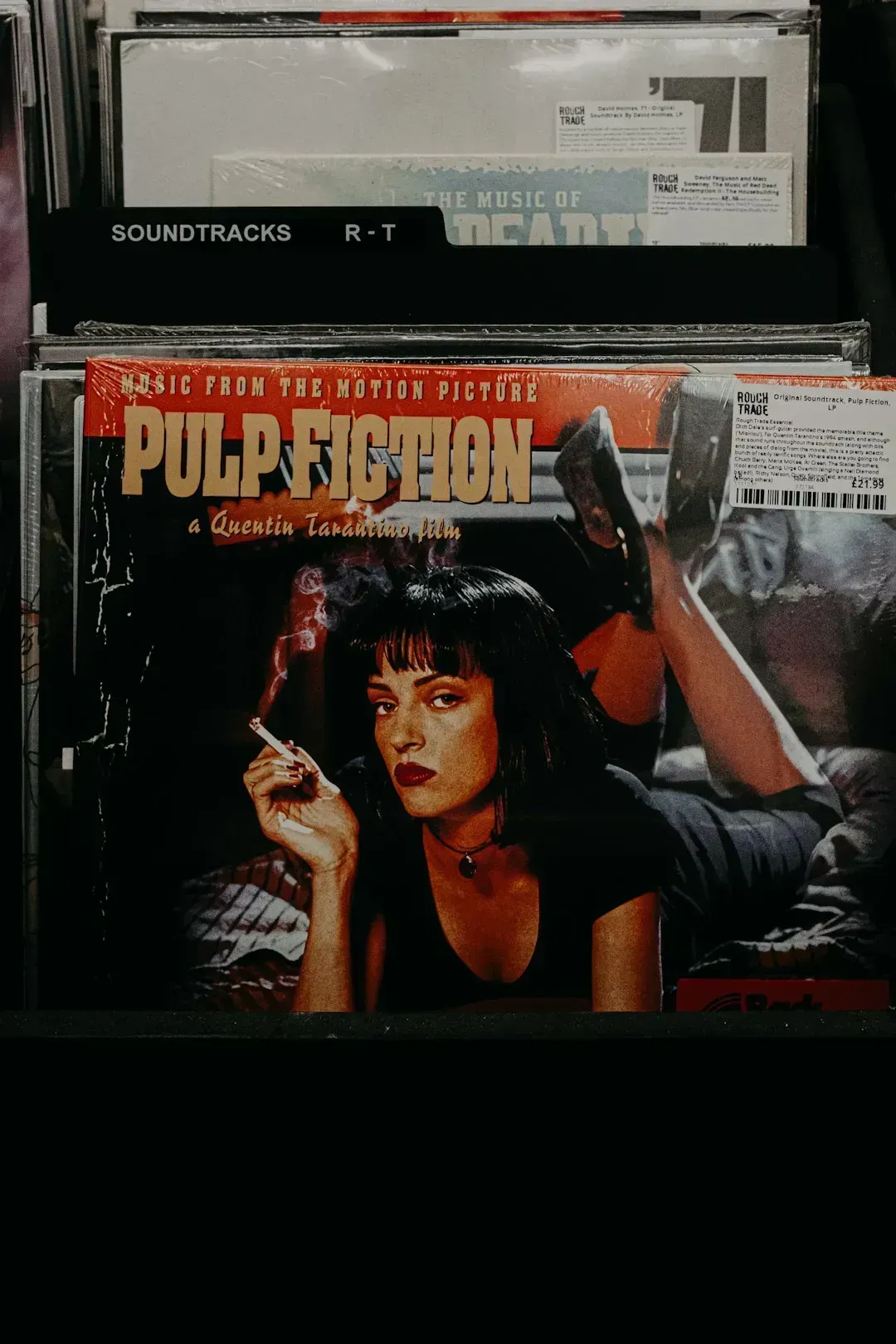
No traditional film score was commissioned for Pulp Fiction. The film contains a mix of American rock and roll, surf music, pop and soul. That radical decision turned out to be one of the most influential choices in the history of movie music. Released 30 years ago, the soundtrack to Pulp Fiction did more than just score the groundbreaking film. Director Quentin Tarantino’s novel use of pop songs created a format he’d use throughout his career – and inspired many others.
Debuting in September 1994 ahead of the film’s October release in the United States, Pulp Fiction’s soundtrack became its own pop culture zeitgeist, eventually peaking at No. 21 on the Billboard 200 and meandering through the chart for over 70 weeks. The soundtrack has since sold more than three and a half million copies. It was so successful that its surf-rock offerings renewed interest in the genre, and its influence continued to reverberate – the Black Eyed Peas sampled one of its tracks on their 2006 single “Pump It.”
4. The Bodyguard (1992) – Whitney Houston and the Best-Selling Soundtrack
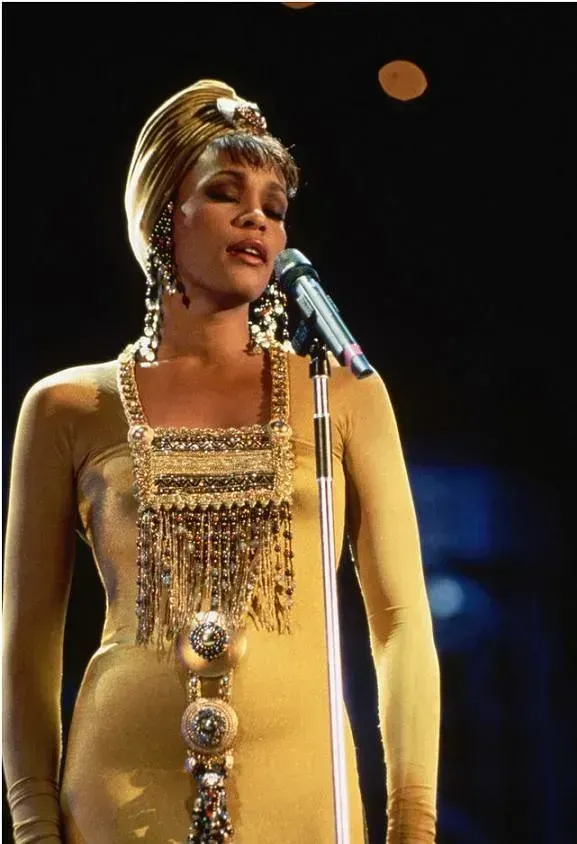
Whether you love it or loathe it, The Bodyguard was the must-have soundtrack of the early 1990s, thanks not only to Whitney Houston’s mega-selling “I Will Always Love You” but also to the four other hits that the project spawned – including “I’m Every Woman” and “I Have Nothing.” There was no way to ignore the best-selling soundtrack . Houston’s vocal performances on this album remain a benchmark for popular music, full stop.
This 18-times-platinum monolith stands as one of the 10 best-selling albums . That would be Side A – 26 minutes of once-in-a-generation vocal talent Whitney Houston yearning, grooving, hurting, hard-rocking, and singing the gospel. The album’s commercial reach was extraordinary; it outsold nearly every other soundtrack ever released and cemented Houston’s status as a generational talent.
Partner offer
5. Dirty Dancing (1987) – A Cultural Phenomenon Nobody Saw Coming
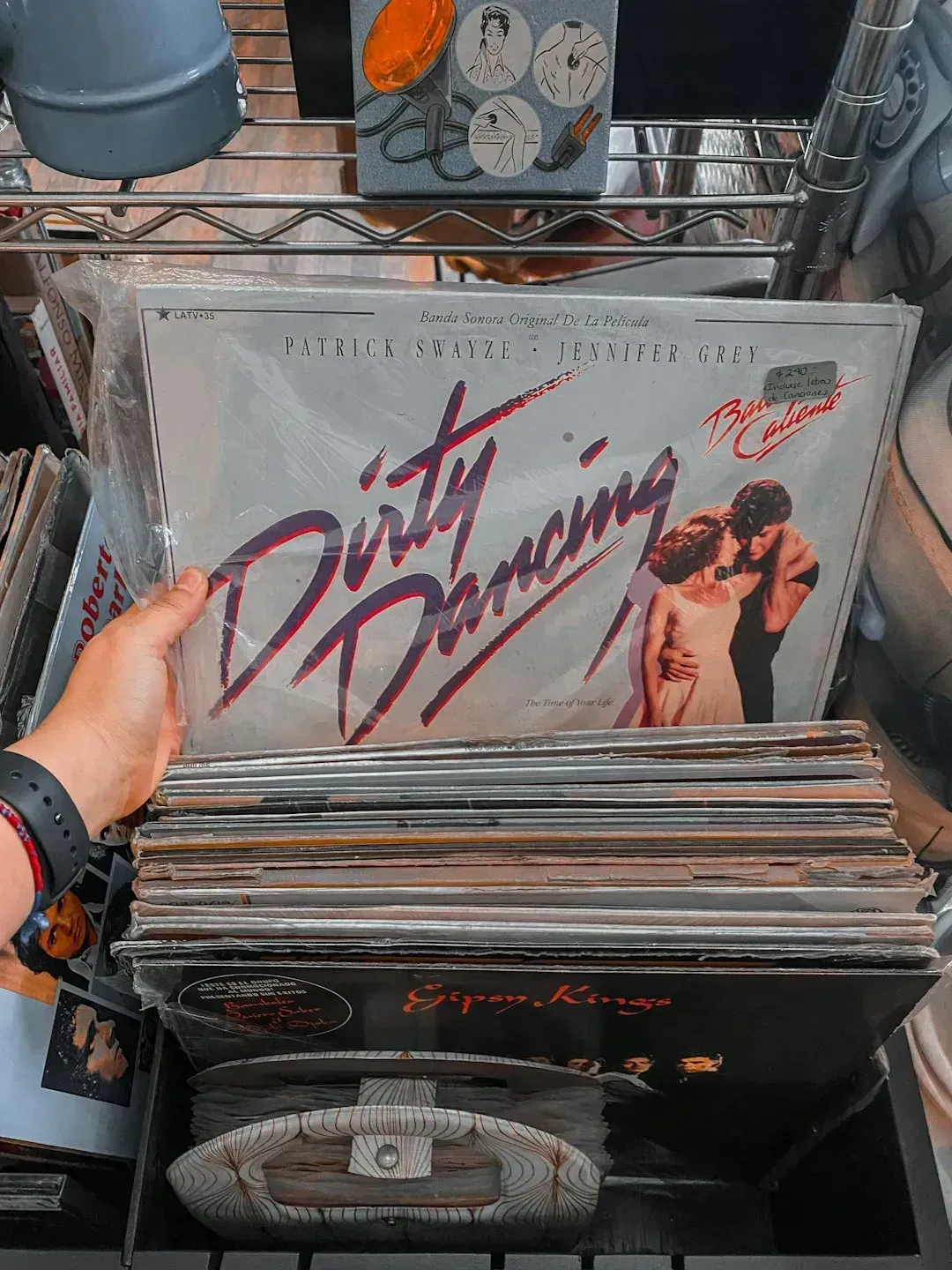
Dirty Dancing was set in 1963, and while period-appropriate songs were essential to the film’s nostalgic appeal, the central romance never could have caught fire without the quintessentially late-Eighties strains of Bill Medley and Jennifer Warnes’ “(I’ve Had) the Time of My Life,” Eric Carmen’s “Hungry Eyes,” and Patrick Swayze’s own haunting ballad, “She’s Like the Wind.” The soundtrack had no right to be this good – and yet it was completely irresistible.
The album sold more than 30 million copies and spent 18 weeks at No. 1 on the US albums chart, spurred on by its key hits. It went on to be one of the best-selling albums . “(I’ve Had) the Time of My Life” won an Oscar for best original song and helped the soundtrack album remain atop the Billboard 200 for those 18 nonconsecutive weeks.
6. 2001: A Space Odyssey (1968) – Kubrick Borrows Classical Music and Makes It Eternal
While Stanley Kubrick initially commissioned noted Hollywood composer Alex North to score his interstellar masterpiece, he ended up scrapping North’s work in favor of classical music pieces he’d originally used as guides. From the Johann Strauss waltz “The Blue Danube” to avant-gardist György Ligeti and, most famously, Richard Strauss’ tone poem “Also Sprach Zarathustra,” Kubrick catapulted these composers back into the spotlight and made these classic pieces forever synonymous with his iconic film.
One of the few films on this list to not feature original music, Stanley Kubrick’s 2001: A Space Odyssey is notable as a film that uses classical music taken from existing commercial recordings. The result is a listening experience that feels both ancient and futuristic at once – a collection of compositions that, decades later, still reads as one of the most daring and precise uses of music in cinema history. Kubrick essentially proved that a borrowed score, placed with absolute precision, could be more powerful than anything composed from scratch.
7. Guardians of the Galaxy: Awesome Mix Vol. 1 (2014) – Nostalgia as a Superpower
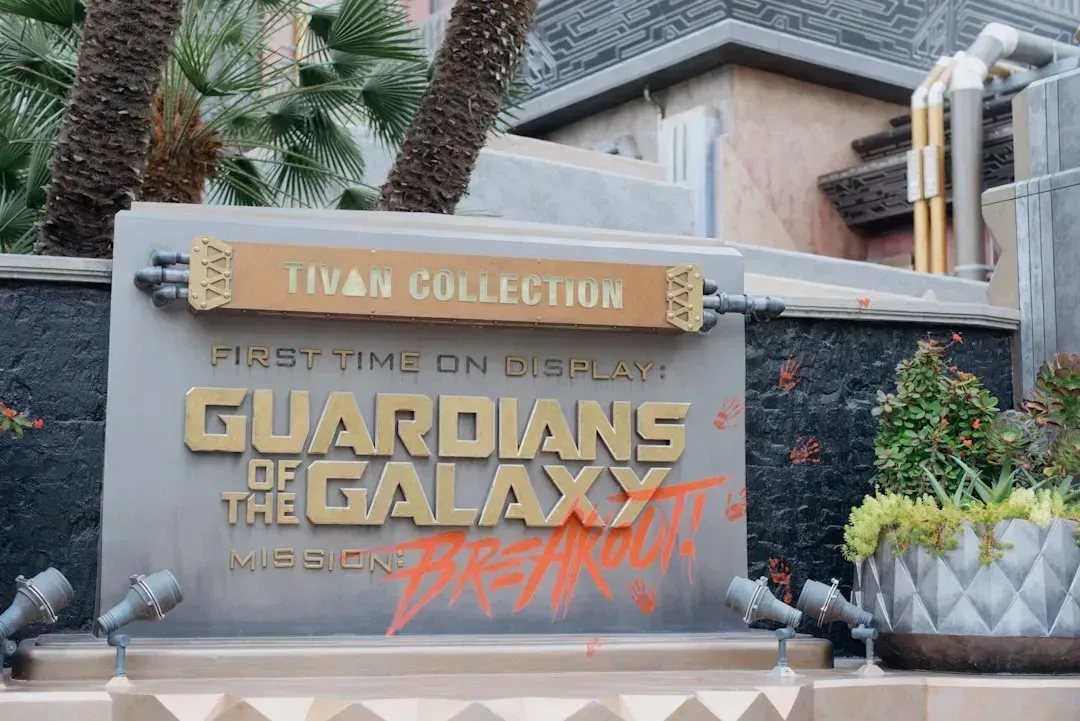
Effectively a digital rendering of the cherished mixtape Peter Quill keeps to remind him of his home on Earth, the Guardians of the Galaxy soundtrack is built on a simple and brilliant concept: a selection of songs that functions as both emotional anchor for the character and sheer pleasure for the audience. The Marvel Cinematic Universe had been well-established by that point, but the music wasn’t usually anything to write home about – until James Gunn made his move with this 2014 film. Having some easy-to-like pop and rock classics contrasting with the weirdness of Guardians of the Galaxy made for an interesting mix, and helped make the film’s far-out cosmic content more digestible.
Loaded with 1970s hits, this soundtrack immortalizes legends like Blue Swede, Redbone, David Bowie, and Marvin Gaye. It’s a nostalgic trip through classic rock and pop, creating an auditory time capsule appreciated by both critics and fans. Director James Gunn made the notable decision to “film to the music” – scoring scenes to the songs themselves rather than having a composer score around the finished visuals. That inverted approach changed how Marvel thought about music going forward.
8. The Good, the Bad and the Ugly (1966) – Ennio Morricone Rewrites What a Score Can Be
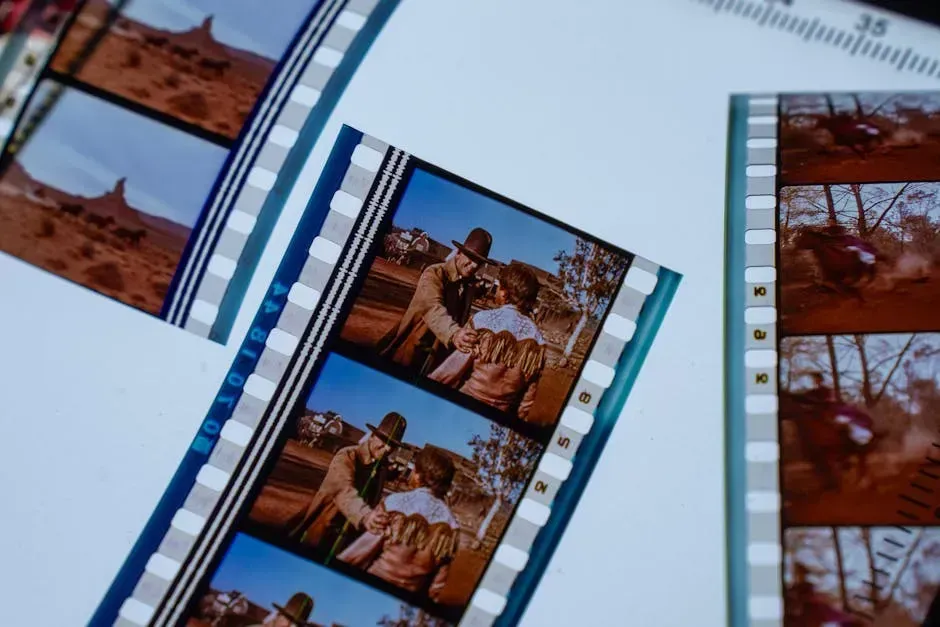
Italian master Morricone certainly created one of the most iconic pieces of film music with his main theme, and the rest of the score to The Good, the Bad and the Ugly comes complete with all the classic Morricone traits – including whistling, yodelling and gunfire. It’s the kind of score that sounds unlike anything that came before it, and yet somehow feels completely inevitable. Morricone places emphasis on lone instruments that speak out of turn – a harmonica, a blazing electric guitar, an operatic voice – as if we’re hearing the final words of civilizations. These themes become instantly identifiable; even when heard for the first time, their impact is immediate.
Morricone created more than 500 scores, including works for some of the greatest Westerns . Yet it’s this Sergio Leone collaboration that remains his most iconic and enduring work. The score strips orchestral convention down to something raw and elemental – half folk, half opera, entirely cinematic – and in doing so set a standard for film music that has never really been surpassed.
What makes these eight soundtracks endure isn’t just technical craft or chart performance. It’s the way each one locked itself permanently to the film it served, then escaped those borders entirely to take on a second life as music worth hearing on its own terms. That’s the rare thing a truly great soundtrack can do – and very few ever manage it.
Partner offer
Planning a trip to Vegas?
Compare hotel rates and show tickets on VEGAS.com.