Hollywood has a long, uncomfortable history with its youngest stars. For every child actor who fades into obscurity or struggles publicly with the fallout of growing up on camera, there’s a rarer story of someone who took the fame, the money, and the hard lessons learned before puberty and turned them into something built to last. These six former child stars didn’t just survive the industry that made them famous. They used it as a launchpad.
What ties these stories together isn’t luck. It’s strategy, patience, and in several cases, a willingness to walk away from acting entirely to focus on building something with staying power. From billion-dollar beauty brands to quiet luxury fashion houses that refuse to advertise, here’s how six kids who grew up in front of the camera became genuine business moguls.
1. Selena Gomez and the Rare Beauty Empire
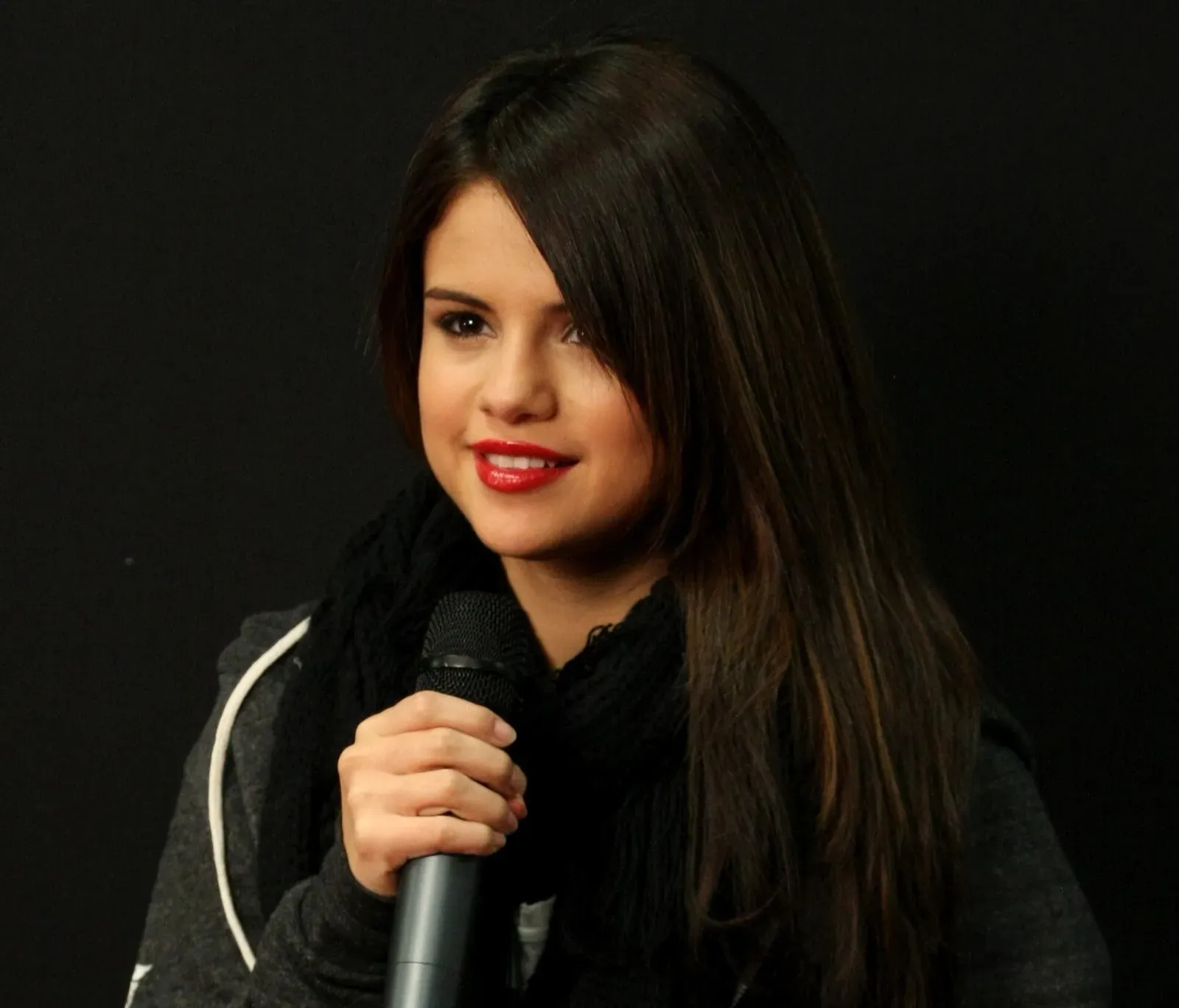
Long before Rare Beauty existed, Selena Gomez was already a working actress as a small child. Gomez began her career at age 10 when she was cast to play Gianna on the series “Barney and Friends” from 2002 to 2004. Her big break came in 2007, when she landed the lead role as Alex Russo in Disney Channel’s “Wizards of Waverly Place.” That Disney foundation gave her the platform and the financial cushion to eventually build something entirely her own.
Gomez founded Rare Beauty in 2019, and the brand exploded almost immediately after launch. Rare Beauty reported 367 million dollars in revenue in 2023, the most recent year for which the information was available in a California state filing. That growth pushed Bloomberg to add her to its Billionaires Index in September 2024, though the picture is genuinely contested. Forbes estimates her to be worth roughly 700 million dollars, a sizable gap from Bloomberg’s figure, largely because her biggest asset is her estimated 51 percent stake in Rare Beauty, a private company without audited public financials. Either way, the numbers put Gomez in a category most Disney Channel alumni never sniff.
2. Mary-Kate and Ashley Olsen’s Quiet Fashion Fortune

Mary-Kate and Ashley Olsen practically grew up on television, sharing the role of Michelle Tanner on Full House starting when they were barely old enough to sit up. By the time the show wrapped, their earning power had grown dramatically. Two former child stars who were earning 80,000 dollars per episode before they could drive built a luxury fashion house that the families behind Chanel and L’Oreal now own pieces of. That early leverage, plus their straight-to-video Dualstar empire, gave them the capital to reinvent themselves entirely.
In 2006 they launched The Row, a minimalist luxury label that took a wildly different approach from most celebrity ventures. The Row is an American luxury fashion label established by Mary-Kate and Ashley Olsen in 2006 in New York City, and in 2024 Chanel owners Alain and Gérard Wertheimer and L’Oreal heiress Françoise Bettencourt Meyers bought stakes in the brand, valuing it at around 1 billion dollars. The Olsens maintain majority ownership of the company after selling a minority stake, and their combined net worth has reached an estimated 1 billion dollars. They’ve done it all without personal social media accounts or a single traditional advertisement, proving that quiet discipline can outperform constant visibility.
3. Jessica Alba and The Honest Company

Jessica Alba began acting as a young teenager and became a household name in her late teens and early twenties with Dark Angel. Years later, after struggling with harsh chemical reactions during her first pregnancy, she channeled that frustration into founding The Honest Company in 2011, an eco-friendly baby and household products brand. The company eventually went public on Nasdaq in 2021 under the ticker HNST, giving Alba’s ownership stake a concrete, if volatile, market value.
Alba stepped back from day-to-day leadership in 2024, though her fingerprints remain on the brand’s legacy. Alba stepped down as Chief Creative Officer in April 2024, and in December 2025 the company shut down its direct-to-consumer website entirely, completing a pivot to retail-only distribution. Despite the stock’s rocky ride since its IPO, The Honest Company posted record revenue of 378 million dollars in 2024 along with its first full year of positive Adjusted EBITDA. Alba still holds a board seat, a reminder that the business she built from a laundry-detergent allergy outlasted her role running it day to day.
Partner offer
4. Kylie Jenner’s Cosmetics Empire
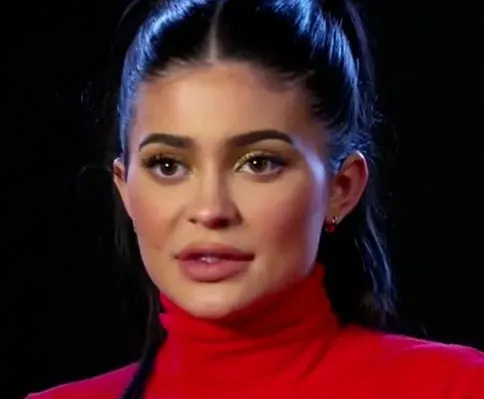
Kylie Jenner became a household name as a child through reality television, not acting, growing up on camera as the youngest member of the Kardashian-Jenner family. Keeping Up with the Kardashians premiered when she was 10, meaning she spent her entire adolescence under a level of public scrutiny few children ever experience. That unusual upbringing became the foundation for one of the most talked-about beauty launches in recent memory when she introduced Kylie Lip Kits in November 2015.
The brand’s growth was staggering, even if the numbers behind it have been disputed. In November 2019, Kylie sold 51 percent of her company to Coty Inc. for 600 million dollars, valuing the company as a whole at 1.2 billion dollars. Forbes initially crowned her the youngest self-made billionaire, then walked the title back after a 2020 investigation into the company’s actual financials. Forbes now estimates her net worth at about 670 million dollars as of 2026, and she has expanded well beyond makeup into skincare, swimwear, baby products, and her clothing label Khy. Billionaire or not, Jenner turned a childhood spent in front of cameras into one of the most recognizable beauty brands on the planet.
5. Drew Barrymore’s Media and Beauty Empire

Drew Barrymore’s childhood stardom came with real turmoil. She was a global name by age seven thanks to E.T. the Extra-Terrestrial, but her teenage years were marked by addiction struggles and rehab stints that could have ended her career entirely. Instead, she rebuilt herself in the 1990s as a bankable adult star, and in 1995 she co-founded the production company Flower Films, which gave her ownership stakes in projects rather than just a paycheck.
That production company became the backbone of a much broader business portfolio. In 1995, Drew co-founded the production company Flower Films with Nancy Juvonen, which produced many of Drew’s movies between 1999 and 2019, including “Never Been Kissed,” “Donnie Darko,” “50 First Dates,” and “Fever Pitch,” and also owns the film rights to “Charlie’s Angels.” She later added Flower Beauty cosmetics, a wine line, and in 2020 launched The Drew Barrymore Show, a syndicated daytime program that has become her most consistent income source. Drew Barrymore has a net worth of 85 million dollars according to Celebrity Net Worth, a figure built on decades of diversification rather than any single blockbuster deal.
6. Justin Bieber’s Catalog and Fashion Ventures

Justin Bieber’s path to fame started almost accidentally, when home videos of him singing as a young boy were uploaded online and caught the attention of a talent manager who eventually connected him with Usher. He was still a young teenager when his first album dropped, and within a few years he was one of the most famous entertainers on the planet, a level of pressure that visibly took a toll on him during his early twenties. Unlike many peers who cashed out purely on endorsements, Bieber began building assets around his music and his personal style.
In 2019 he co-founded Drew House, a streetwear brand built around a smiley-face logo that quickly developed a cult following among younger fans and collectors alike. He also made headlines in the music industry by selling the rights to his recorded music catalog and publishing to an investment firm in a deal reported to be worth well over 200 million dollars, part of a broader wave of artists monetizing their back catalogs rather than waiting on royalties to trickle in over decades. Between the catalog sale and Drew House’s steady retail presence, Bieber transformed a childhood built on viral videos into a genuinely diversified financial portfolio.
What these six stories share is a refusal to let early fame define the ceiling of what came next. Some, like the Olsen twins, walked away from acting almost entirely to build something quieter and more deliberate. Others, like Gomez and Jenner, kept one foot in entertainment while building beauty empires that eventually dwarfed their original paychecks. None of it happened by accident, and none of it happened overnight. The common thread is patience, reinvention, and a willingness to bet on themselves long after the cameras that made them famous as kids had moved on to someone else.
Partner offer
Planning a trip to Vegas?
Compare hotel rates and show tickets on VEGAS.com.