The Academy Awards love a good redemption story, the veteran actor finally getting their moment after decades of near misses. But for every triumphant speech, there’s a quieter history of performers who built entire careers on brilliance the Academy simply never rewarded. Some lost to legends, some lost to timing, and some just seemed to fall out of favor at the wrong moment. Here are nine actors whose absence from the winners’ list still puzzles film fans decades later.
1. Glenn Close
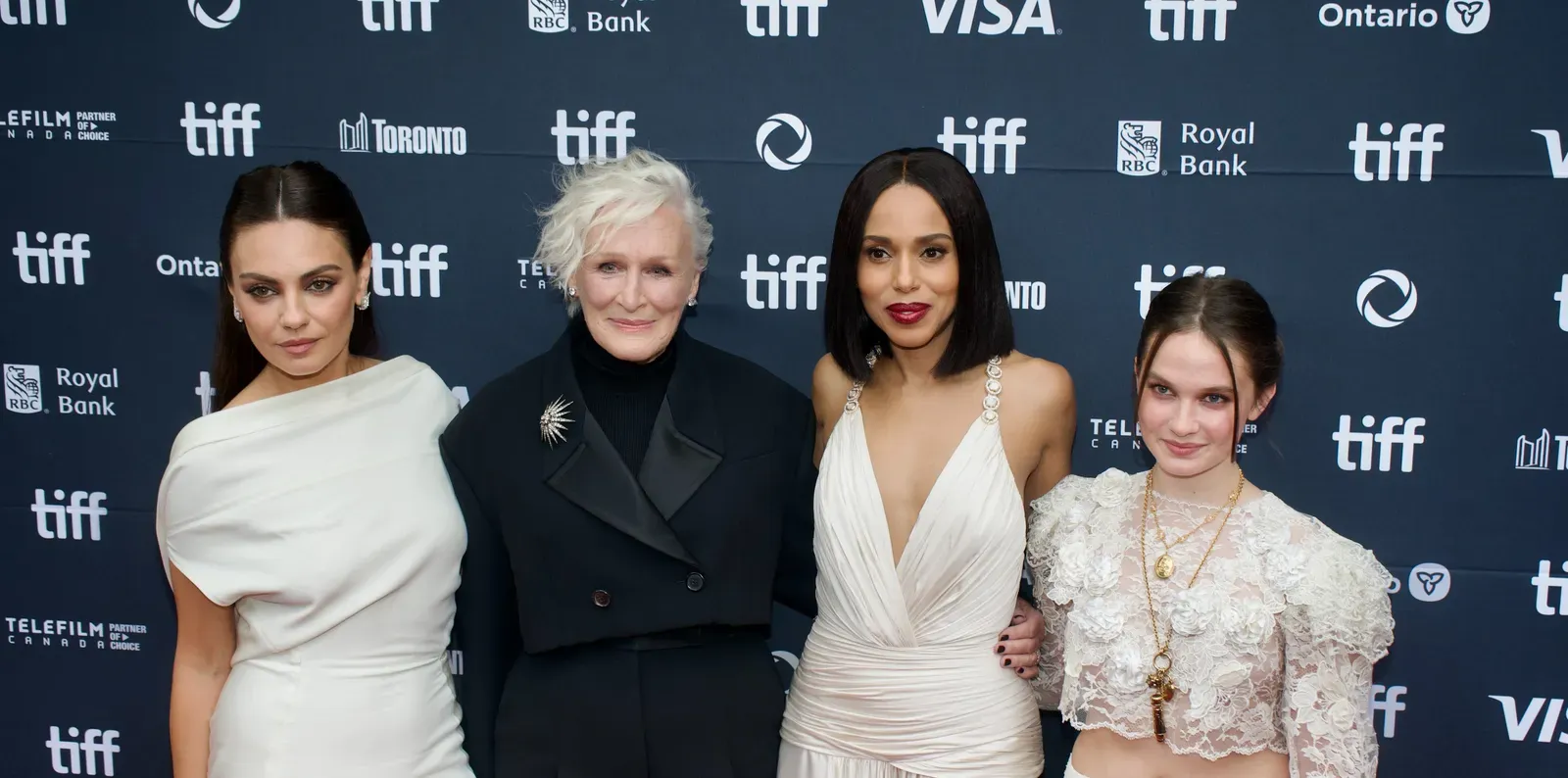
Glenn Close has spent more than forty years turning in performances that critics adore and audiences remember, yet the Oscar has never found its way to her mantel. She has received a total of eight Oscar nominations, four in the Best Actress category and four in the Best Supporting Actress category. That ties her with Peter O’Toole for the record for most Oscar nominations in an acting category without a win.
Her 2019 loss stung the most. She was regarded as the frontrunner for Best Actress thanks to her performance in The Wife, but the statue ended up going to The Favourite’s Olivia Colman, who spent part of her acceptance speech apologizing to Close. Close herself has pushed back on the narrative that she’s some kind of tragic figure, insisting that being nominated alongside the best actors of her generation is an honor in itself, not a consolation prize.
2. Peter O’Toole
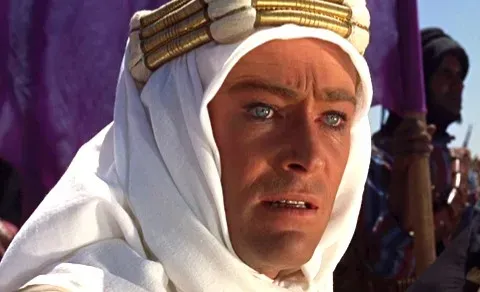
Peter O’Toole announced himself to the world with Lawrence of Arabia in 1962, a performance that remains one of the most iconic in film history. From there, he racked up nomination after nomination, playing kings, professors, and eccentrics with equal command. Despite the acclaim, the competitive win kept slipping away, ceremony after ceremony, decade after decade.
The Academy eventually gave him an honorary Oscar in 2003, a gesture that acknowledged the obvious while sidestepping the actual problem. O’Toole reportedly asked the Academy to hold off, joking he was still in the game and hoped to win the thing outright. He never did, and his story remains one of the clearest examples of a towering talent the voters simply never got around to rewarding properly.
3. Amy Adams
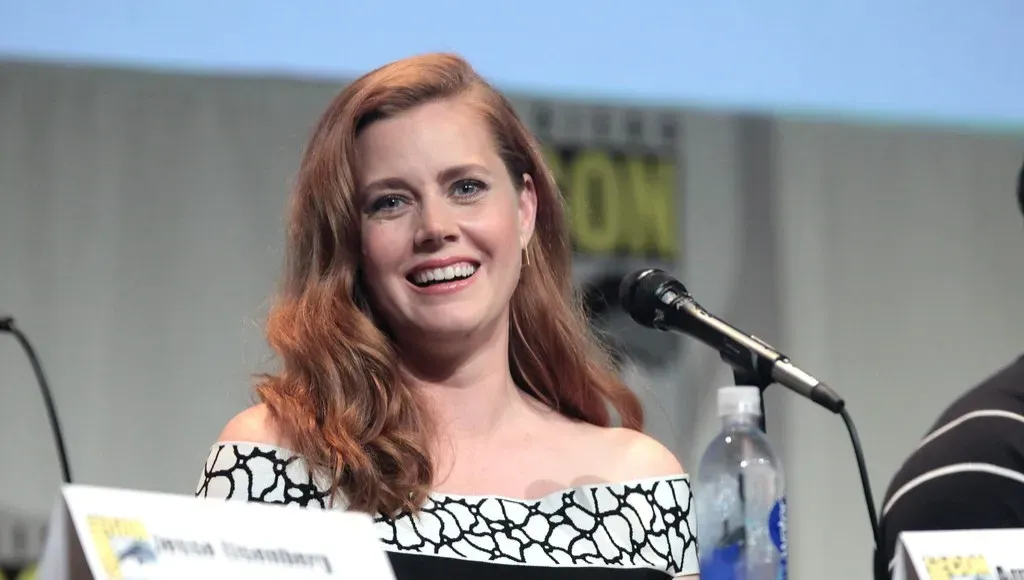
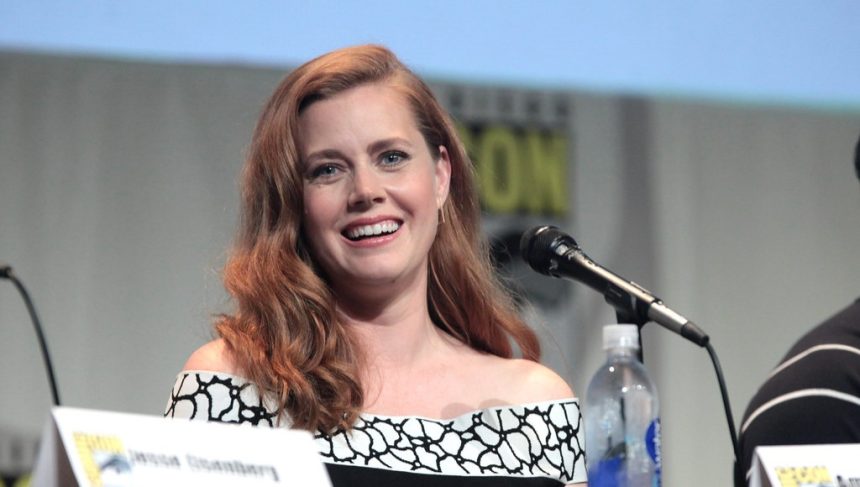
Amy Adams built her reputation on versatility, moving effortlessly between comedy, drama, and everything in between. She has been nominated for six Academy Awards and seven British Academy Film Awards. Five of her nods have been for Best Supporting Actress, for Junebug, Doubt, The Fighter, The Master, and Vice, losing to Rachel Weisz, Penélope Cruz, Melissa Leo, Anne Hathaway, and Regina King respectively.
After 2013’s American Hustle earned Adams her first nomination for Best Actress, Cate Blanchett took home the prize over her. What makes her case so notable is the consistency. Adams rarely delivers a weak performance, yet the Academy has managed to find a reason to look elsewhere every single time.
4. Deborah Kerr
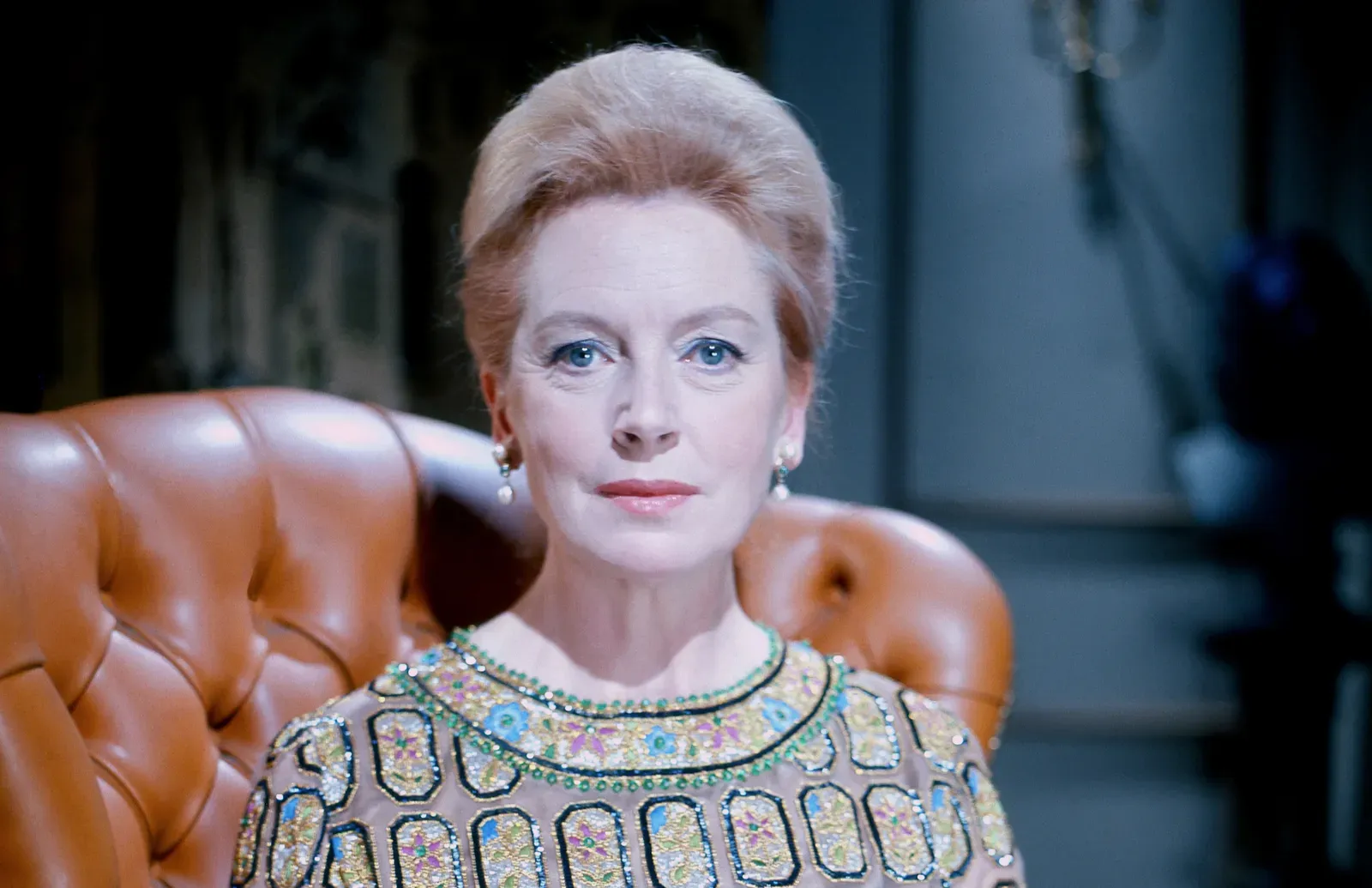
Deborah Kerr was the picture of poise and restraint in an era that often rewarded showier work, and that quiet elegance may have cost her. She earned six Best Actress nominations across the 1940s, 50s, and 60s for films like The King and I, An Affair to Remember, and Separate Tables, an extraordinary run by any measure. Somehow, none of those six turned into a win.
The Academy handed her an honorary award in 1994, praising her for the artistry and international esteem she brought to her craft. It was a gracious gesture, but it also underlined how long the wait had been. Kerr’s case is often cited alongside Close’s as proof that sheer consistency of excellence doesn’t guarantee a trophy.
5. Richard Burton
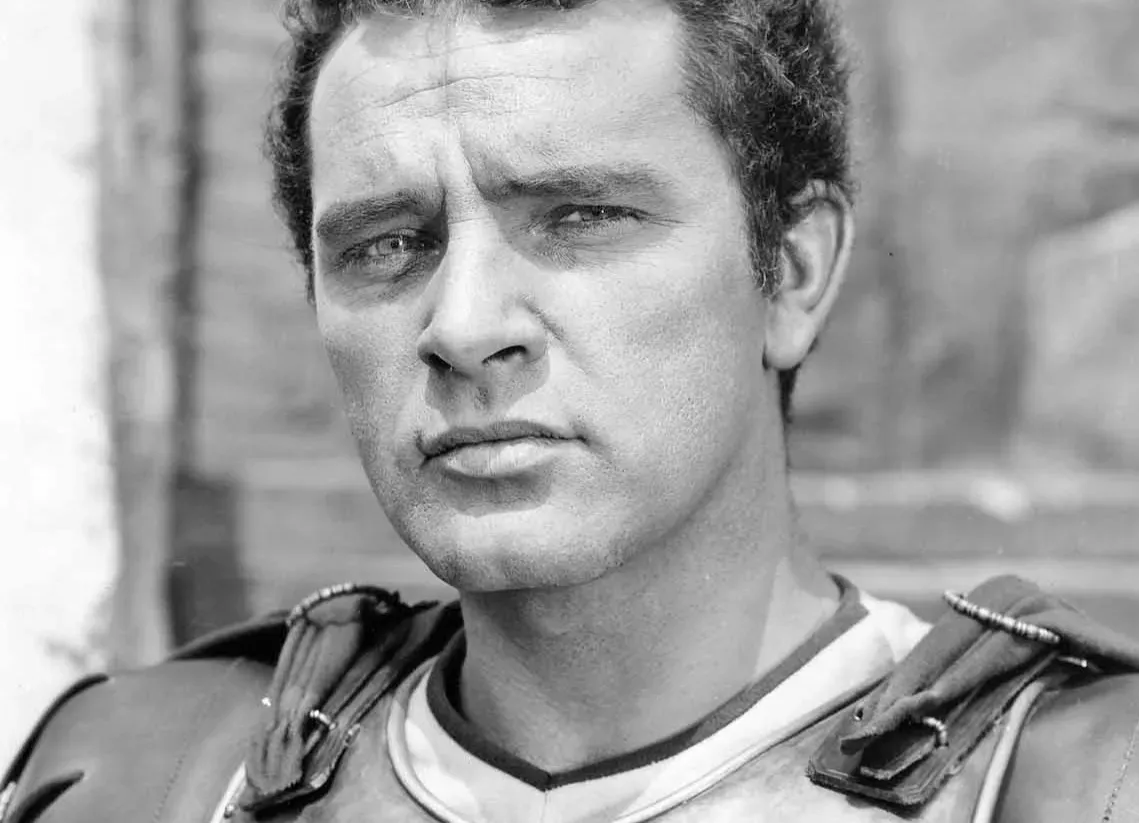
Richard Burton was nominated seven times for the Academy Award for Best Actor, a run that spanned roles as varied as a Roman tribune, a bitter academic, and a British spy. His voice alone made him one of the most commanding screen presences of his generation, and critics regularly praised his intensity. Despite that reputation, the Oscar eluded him at every turn.
His performance in Who’s Afraid of Virginia Woolf? is often singled out as the loss that stung hardest, a role that showcased both his ferocity and his vulnerability. Burton’s personal life and off screen headlines sometimes overshadowed the work itself, which may have played a role in how voters perceived him. He remains one of the most nominated actors in Oscar history never to win.
Partner offer
6. Samuel L. Jackson
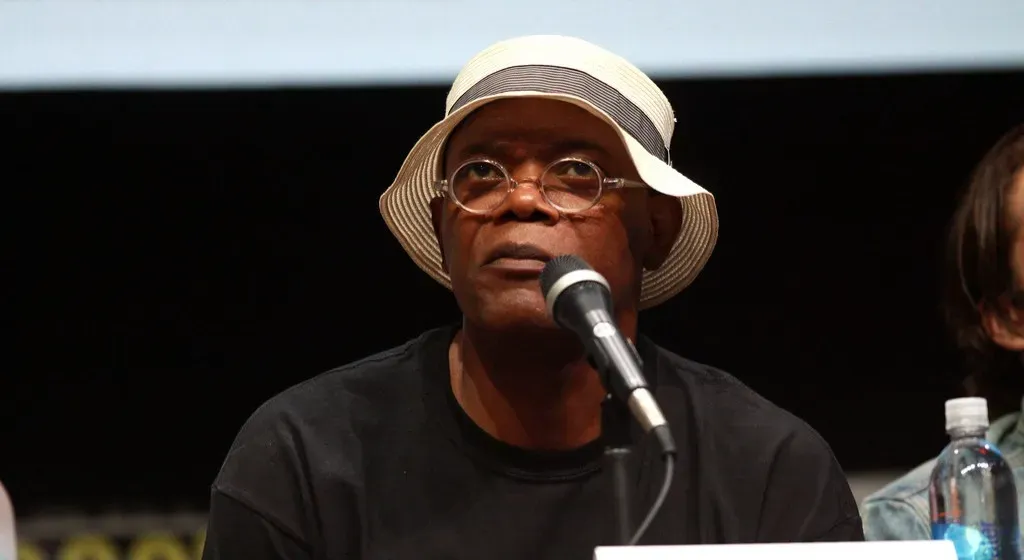
Samuel L. Jackson is one of the most recognizable and prolific actors in modern film, appearing in an enormous range of projects across decades. Jackson was nominated for an Oscar for his role in Pulp Fiction, but has not received a nomination since. That single nomination, for a performance many consider one of the defining supporting turns of the 1990s, remains his only brush with Oscar recognition.
It’s a strange gap given how much acclaimed work he has done since, from Jungle Fever to Django Unchained to his numerous collaborations with directors like Spike Lee. Jackson has become something of a running joke in awards conversations, the actor everyone assumes must have an Oscar somewhere given his stature. He doesn’t, and that fact tends to surprise people every time it comes up.
7. Edward G. Robinson
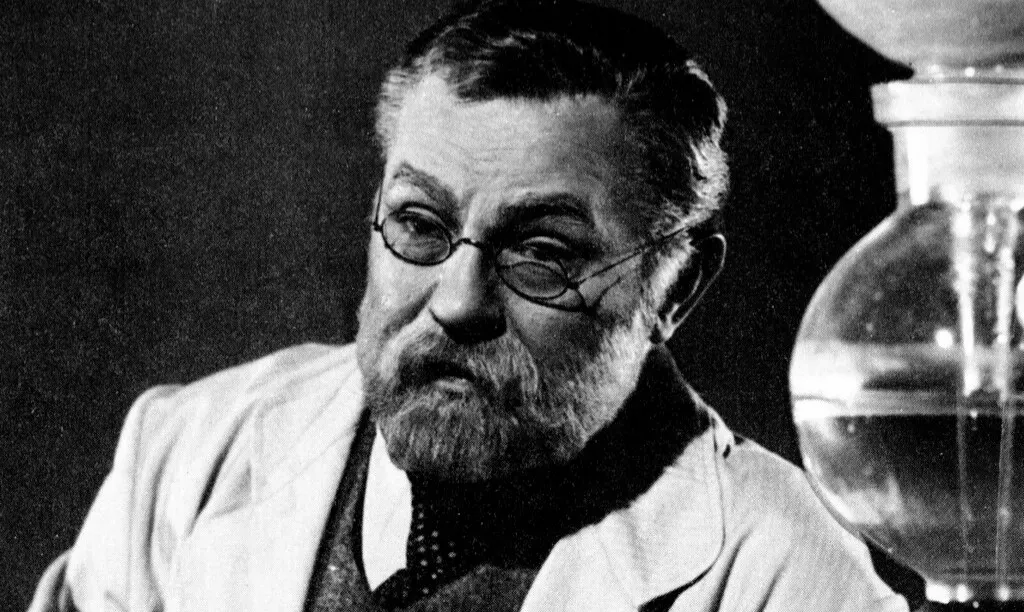
Edward G. Robinson helped define an entire genre with his tough, gravel voiced performances in gangster films of the 1930s and 40s, most famously Little Caesar. His influence on how criminals were portrayed on screen is hard to overstate, shaping decades of imitators. Yet throughout his active career, the Academy never nominated him for a competitive award.
Robinson finally received recognition in the form of an honorary Oscar, awarded shortly before his death in 1973, acknowledging a career that had somehow slipped past the voters for forty years. He didn’t live to accept it in person, which makes his case one of the more bittersweet entries on any list of Oscar oversights. His body of work still holds up as some of the most influential screen acting of its era.
8. Cary Grant
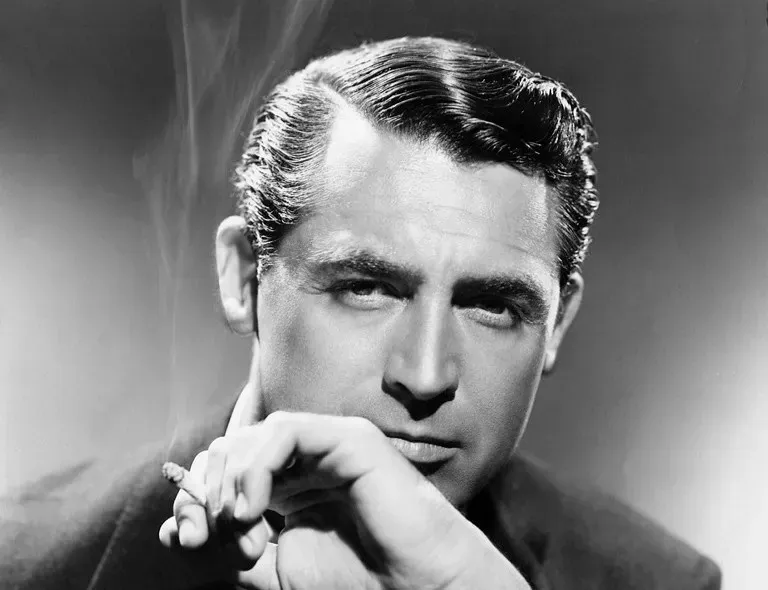
Cary Grant defined a certain kind of effortless movie star charm that few actors before or since have matched. He earned two Best Actor nominations, for Penny Serenade and None but the Lonely Heart, but never won competitively despite a career stretching across more than thirty years and dozens of beloved films. Titles like North by Northwest, Bringing Up Baby, and Notorious never even earned him a nomination, which in hindsight looks like a significant blind spot.
The Academy awarded him an honorary Oscar in 1970, recognizing his unique mastery of the art of screen acting. Grant reportedly appreciated the gesture but it didn’t erase the fact that some of his finest work went entirely unacknowledged in real time. His case is often used as a reminder that charisma and technical skill don’t always translate into awards attention, especially for actors working in lighter genres like comedy and romance.
9. Albert Finney
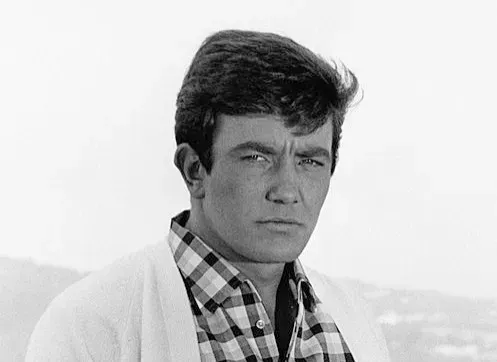
Albert Finney earned five Academy Award nominations across a career that spanned from Tom Jones in the 1960s to Erin Brockovich decades later, a remarkable span of relevance. His range was part of what made him so respected, equally convincing as a scheming rogue or a world weary lawyer. Despite that breadth, none of his five nominations ever converted into a win.
Finney was famously unbothered by awards attention, reportedly declining to attend ceremonies on more than one occasion and expressing little interest in the campaigning side of the industry. That attitude may have cost him some goodwill among voters who reward visible enthusiasm. Still, his filmography speaks for itself, and his absence from the winners’ circle remains one of the more quietly puzzling gaps in Oscar history.
Taken together, these nine careers say something honest about how the Academy Awards actually work. Talent alone has never been enough to guarantee a win, timing, competition, and even personality can shape the outcome just as much. What these actors share isn’t bad luck exactly, it’s proof that a lack of a golden statue rarely has anything to do with the quality of the work itself.
Partner offer
Planning a trip to Vegas?
Compare hotel rates and show tickets on VEGAS.com.