There is a quiet financial revolution happening in America’s youngest workforce, and it does not look anything like what their parents were told to do. Forget the 40-year career, the gold watch, and the steady 401(k) drip. Gen Z is rewriting the rules of retirement from scratch, partly out of necessity, partly out of distrust, and partly because the world they inherited simply doesn’t play by the old rules anymore.
The tension between structured retirement savings and hustle-driven income is real, and the data is starting to tell a fascinating, complicated story. Some of it is inspiring. Some of it is genuinely worrying. Let’s dive in.
A Generation Under Unprecedented Financial Pressure

Here’s the thing – Gen Z did not arrive at this moment by choice alone. They entered adulthood facing a financial landscape that is objectively harder than the one their parents navigated. Younger workers aren’t only entering adulthood with sky-high housing prices, they’re also grappling with student loans and credit card bills. According to Empower, Gen Z participants pay an average of $526 per month toward student loans, nearly double the average of $284 across all age groups.
Younger workers are also carrying more than $94,000 in personal debt, a separate Newsweek poll shows, which far surpasses millennials with almost $60,000 in debt and Gen X with about $53,000 in debt. That is a staggering starting point. Imagine trying to build a retirement nest egg while servicing nearly six figures of personal debt before you turn 30.
According to the 2025 Goldman Sachs Asset Management Retirement Survey, nearly three-quarters of younger working respondents – spanning Gen Z, Millennials, and Gen X – report struggling to save for retirement due to the effects of competing financial priorities. The math just doesn’t work for many of them, and they know it.
The Side Hustle is No Longer a Hobby – It’s a Strategy

According to Intuit’s consumer survey, nearly two-thirds of 18 to 35-year-olds have started or plan to start a side hustle as an addition to another form of income, and 65% of them intend to carry their entrepreneurial ventures into 2025. This is not a fringe movement. This is the mainstream.
Unlike in previous generations, where side gigs were seen as extra income for leisure, Gen Z is using their additional earnings for rent, groceries, student loan payments, and savings. For many, a side hustle is not just a passion project or hobby – it is a necessary financial strategy.
Nearly half of the respondents in Intuit’s study said their primary motivation is to be their own boss, while 42% are driven by the desire to pursue their passions. Honestly, that combination of financial need and personal autonomy is a powerful cocktail. It is reshaping how an entire generation thinks about work, income, and eventually, retirement.
The Gig Economy Is Exploding Around Them
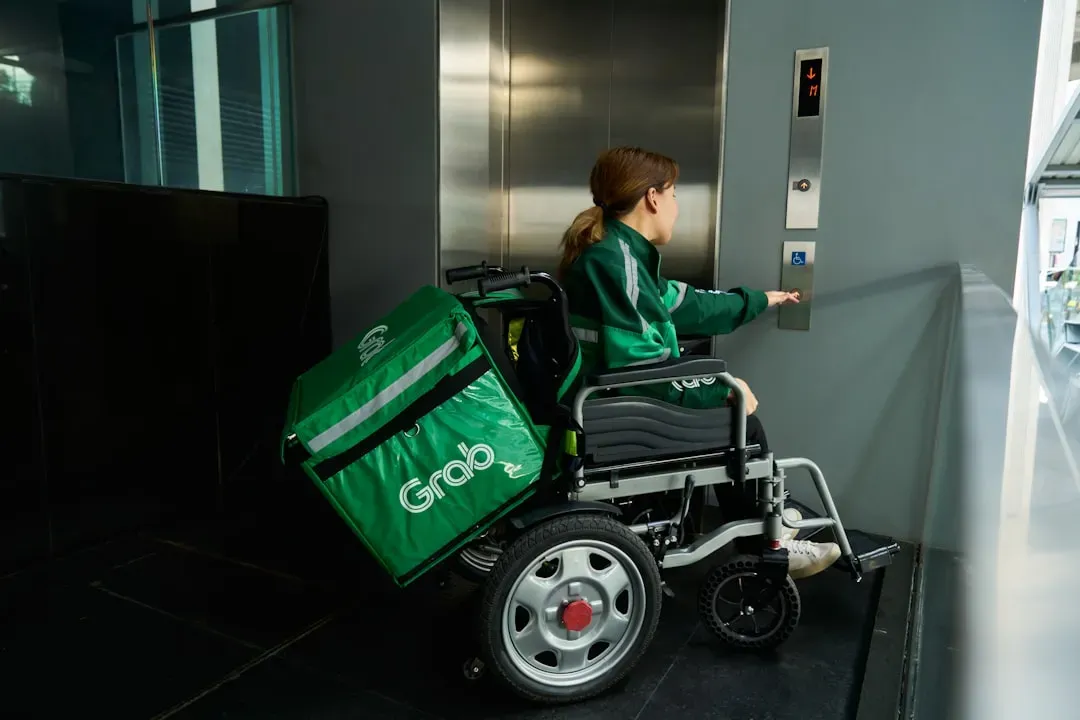
Over 70 million Americans now participate in freelance work, representing approximately 36% of the total US workforce. That number is not a blip. It is a structural shift. Full-time independent workers more than doubled from 13.6 million in 2020 to 27.7 million in 2024, and by 2027, freelancers are projected to make up over half of the US workforce.
The global gig economy was valued at $556.7 billion in 2024 and, with a compound annual growth rate of about 16%, it is expected to grow to $2.15 trillion by 2033. For Gen Z, this is not a temporary trend to ride out – it is the environment they are building their financial lives inside of.
The traditional idea of job security has shifted, and Gen Z understands that relying on one employer is no longer enough. Instead of waiting for raises or promotions, they are taking control of their financial futures by creating multiple income streams that allow them to adapt to economic uncertainty.
The 401(k) Paradox: Saving More, Withdrawing More

This is where things get genuinely complicated, and honestly a little heartbreaking. For Gen Z, the problem isn’t understanding money – they’re the generation that contributes to their 401(k)s the most. While they may be saving more than their parents did at their age, they’re more under pressure to squeeze out money from other areas of their lives.
Payroll Integrations’ 2025 Employee Financial Wellness Report found that 38% of employees overall have withdrawn money from their retirement accounts at some point. Among Gen Z workers, that figure jumps to 46%, compared to 31% of Millennials. Think about that. Nearly half of Gen Z has already raided its own retirement savings.
For Gen Z specifically, the top driver of withdrawals was debt – 42% of those who tapped their retirement funds said they used the money to pay down what they owed. Only 6% of Millennials, 17% of Gen X, and no Baby Boomers reported debt repayment as their reason for early withdrawals. They are not blowing money on concerts. They are drowning, and the 401(k) is the nearest lifeboat.
Starting Early – But Running on Empty

Today’s young professionals are prioritizing their golden years like never before – the average Gen Zer starts saving for retirement at age 22, compared with millennials who started at 27, Gen Xers who started at 31, and baby boomers who started at 37. That is genuinely impressive. If compound interest is a superpower, Gen Z picked it up younger than any generation before them.
Research from Nationwide Retirement Institute shows that on average, Gen Z and Millennial savers began contributing to workplace retirement accounts at age 23 and 28, respectively, compared to Gen Xers at age 34 and Boomers at 40. The awareness is there. The intention is real. The system is working against them.
Generation Z workers have saved a median of $31,000 in total household retirement accounts and only $2,000 in emergency savings. One in four has dipped into their retirement savings by taking a hardship or early withdrawal from a 401(k) or similar plan or IRA. That emergency fund gap is like a car with a full gas tank but no spare tire. One flat and everything unravels.
Social Security? Gen Z Isn’t Counting On It

Confidence in Social Security’s long-term future is especially low among younger Americans. Just 34% of adults under 30 believe the program will still be around by the time they retire. That is an extraordinary crisis of confidence in a government safety net that was supposed to be, well, safe.
The latest report from the Social Security Trustees projects that the program’s trust funds will be depleted by 2034. Without congressional action, benefits would then be paid only from current payroll tax revenue, leading to an automatic reduction of about 21%. For Gen Z workers who won’t reach full retirement age until the 2060s, the math of relying on that system feels, at best, uncertain.
Confidence in Social Security’s ability to pay out currently scheduled benefits was remarkably low among survey respondents, with only 38% expressing confidence. Pessimism was particularly prevalent among younger generations, with both Gen Z and Millennials expecting to receive just over half of their currently scheduled benefits. It’s hard to say for sure whether that pessimism is fully warranted, but it absolutely shapes behavior.
Burnout, Debt, and the Weight of It All

Almost six in 10 Generation Z workers often feel exhausted and burnt out. Nearly a third have more than one job and 59% have a side hustle. That is not hustle culture being glorified. That is a generation stretched thin in multiple directions just to keep their heads above water.
Generation Z workers’ current financial priorities include paying off debt at 55%, saving for a major life event at 46%, just getting by to cover basic living expenses at 41%, building emergency savings at 40%, and saving for retirement at 32%. Retirement sits at the bottom of that list. Not because they do not care, but because there are five more urgent fires burning first.
The Harvard Youth Poll finds a generation defined by economic insecurity, deep anxiety about the future, and a corrosive distrust of the institutions that are supposed to help them thrive. For Gen Z and young millennials, instability is not a passing phase of early adulthood, but the organizing principle of daily life. That framing says everything.
The Optimism Paradox: Still Saving, Still Hoping

Here is the plot twist nobody expected. Despite everything, Gen Z is not giving up on retirement entirely. Schwab’s survey reveals that Gen Z expects to retire at age 62, the youngest target retirement age of any generation surveyed in 2025. They are not resigned. They are ambitious, even if the road to get there looks completely different from their parents’ path.
Gen Z has benefitted from the proliferation of knowledge around retirement savings and the growing trend of employers automatically enrolling workers into savings plans, according to Vanguard investment strategist Kelly Hahn. Auto-enrollment is quietly doing a lot of heavy lifting for this generation. Think of it as a retirement savings conveyor belt – even if they are not paying full attention, the system is nudging them forward.
As a result of their actions, Gen Z and Millennial workers feel a greater sense of financial and retirement conviction, with eight in ten describing feeling optimistic over their retirement plans and nearly half saying they’re confident about the savings they have gathered. Optimism and reality are in genuine tension here. That is both inspiring and a little concerning at the same time.
The Real Risk of Betting Everything on the Side Hustle
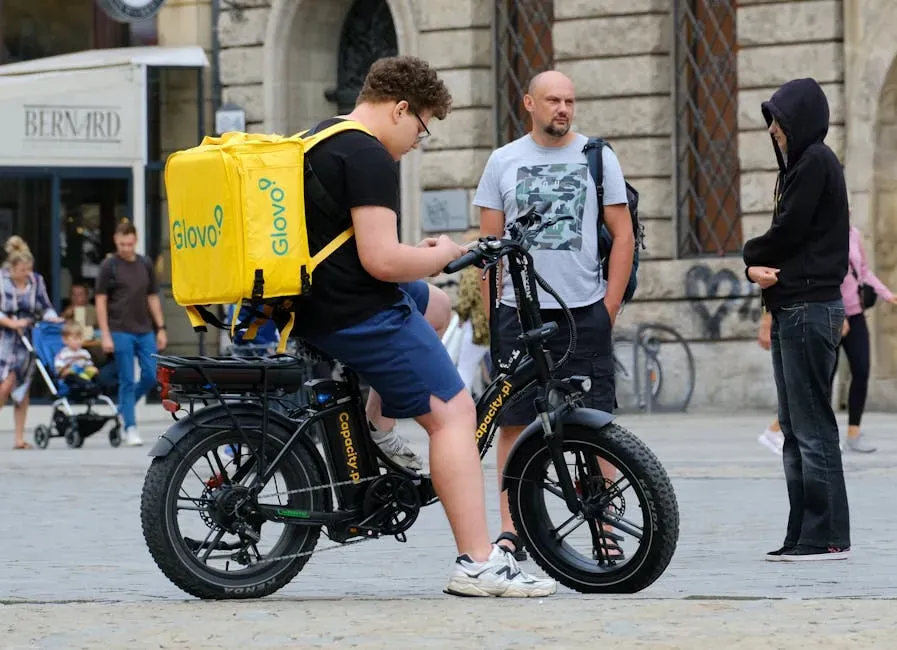
Let’s be real about something the side hustle evangelists do not always say out loud. While some Gen Z side hustlers earn significant income, only about one in five make more than $500 per month, meaning many still rely on primary jobs to cover major expenses. The unpredictability of gig work can make financial planning difficult, especially without benefits like health insurance or retirement contributions.
Gig workers lack employer-sponsored health insurance, retirement contributions, or paid time off. They also pay both the employer and employee portions of Social Security and Medicare taxes, which amounts to over 15% of net income. That tax burden is the hidden cost nobody talks about at the TikTok side hustle seminar. It erodes margins fast.
Retirement saving was a long-term financial goal for 58% of surveyed employees in 2025, down from 62% in 2024. When asked at which age they expected to retire, nearly half said older than age 65, and roughly one in six did not think they could afford retirement at all. The side hustle can absolutely supplement a retirement plan. The danger is when it becomes the entire plan.
What Comes Next for Gen Z’s Financial Future

Side hustles represent a material shift in how younger generations approach work, purpose, and financial independence. That shift is not going away. It is deepening with every new digital platform, AI tool, and remote work opportunity that removes the barriers to entry for independent income. The gig economy is not a phase. It is infrastructure now.
Part of Gen Z’s financial preparedness is due to expanded Defined Contribution plans offered by employers. For younger generations, these plans could make saving easier and more effective through features such as auto-enrollment, automatic escalation, and investing in target-date funds. The system is improving, slowly, in ways that may actually help Gen Z more than it helped anyone before them.
Americans estimate they need to save $1.46 million to live comfortably in retirement, up 53% from 2020, according to Northwestern Mutual. That number is daunting regardless of what path you are on. The honest truth is that neither a 401(k) alone nor a side hustle alone is likely to get Gen Z there. The real answer is probably both – used strategically, not in opposition to each other. Whether this generation figures that out before it’s too late is the defining financial question of the next two decades. What do you think – can the side hustle actually replace a retirement plan, or is that a bet too risky to take?