Some records do more than collect great songs. They shift something in you. They change how you hear music afterward, and sometimes how you see the world. That kind of album is rare, and it doesn’t arrive on a schedule.
The five albums below span jazz, rock, grunge, soul, and classic pop, but genre isn’t really the point. What they share is a depth that rewards repeated listening and a cultural footprint that still shows up in the music being made today. Whether you’re an obsessive listener or someone who just wants a place to start, these are the records worth your time.
1. Miles Davis – Kind of Blue (1959)


Kind of Blue is regarded by many critics as Davis’s masterpiece, the greatest jazz album ever recorded, and one of the greatest albums of all time. Davis gave each performer a set of scales that encompassed the parameters of their improvisation, and consequently more creative freedom with melodies. John Coltrane later expanded on this modal approach in his own solo career.
Kind of Blue has sold over five million copies in the U.S. alone, certified five times platinum by the RIAA, making it the best-selling mainstream jazz album of all time. It has probably been responsible for more conversions of non-believers into the jazz faith than any other record, serving as a base-station from where countless fans began their journey into the genre. Its impact on music, including jazz, rock, and classical music, has led writers to deem it one of the most influential albums ever made.
2. The Beatles – Sgt. Pepper’s Lonely Hearts Club Band (1967)

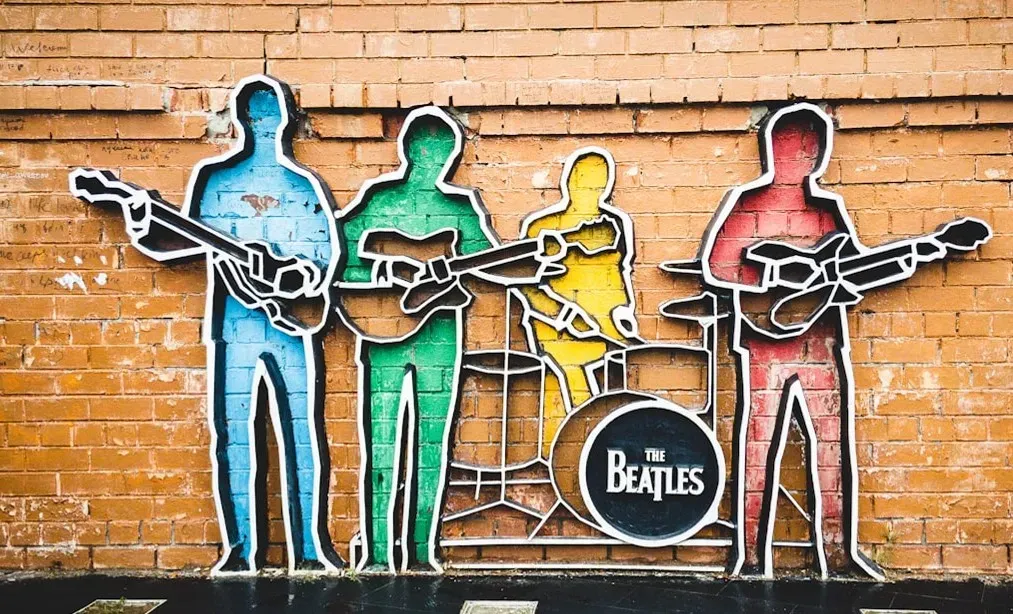
This album redefined what a rock album could be, merging pop with psychedelia and setting new standards for album production and conceptual unity. Over 30 million copies have been sold. It’s one of those records where even the album art carries its own cultural weight.
The Beatles’ 1967 album Sgt. Pepper’s Lonely Hearts Club Band topped Rolling Stone’s 500 Greatest Albums list, with the magazine’s editors describing it as “the most important rock ‘n’ roll album ever made.” It is widely considered the album that most clearly satisfies the criteria for inclusion among the all-time greats, showing artistic ambition and influence in the areas of technological experimentation and conceptual innovation.
3. Fleetwood Mac – Rumours (1977)


Recorded in California in 1976, Rumours is one of the most wonderfully perfect albums from the first moment to the last. The heavy lyrics owe much to the inner-band turmoil that existed just before they entered the studio. In fact, the only song on which everyone collaborated is “The Chain.”
Rumours manages to universalize heartbreak without softening it; the pain is palpable, but so is the resilience. Few albums are so perfect in sequencing, tone, and emotional clarity. No wonder it continues to find new listeners every decade. It’s one of those rare cases where a band’s private chaos produced something that feels genuinely universal.
4. Nirvana – Nevermind (1991)

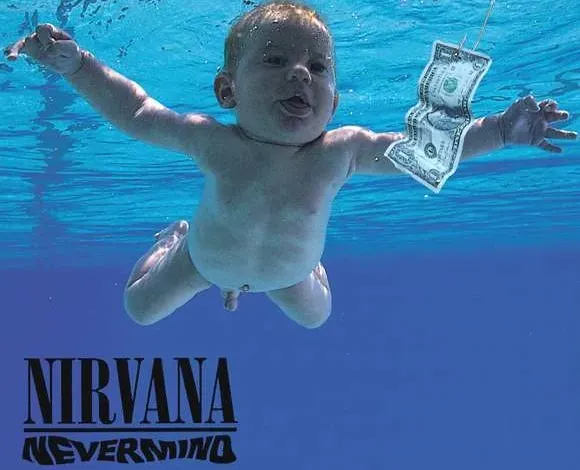
Nevermind not only popularized grunge, but also established the cultural and commercial viability of alternative rock in general. Grunge broke through into the mainstream in the early-to-mid-1990s, led by Nirvana’s Nevermind, followed by crossover successes from Pearl Jam, Soundgarden, and Alice in Chains. Due to the constant airplay of “Smells Like Teen Spirit” on MTV, Nevermind was selling 400,000 copies a week by Christmas 1991.
Michael Azerrad argued that Nevermind marked an epochal generational shift in music similar to the rock-and-roll explosion in the 1950s, signaling the end of the baby boomer generation’s dominance of the musical landscape. A cultural phenomenon of the 1990s, Nevermind was certified 13 times platinum in the US and is credited for ending the popularity of hair metal.
5. Marvin Gaye – What’s Going On (1971)

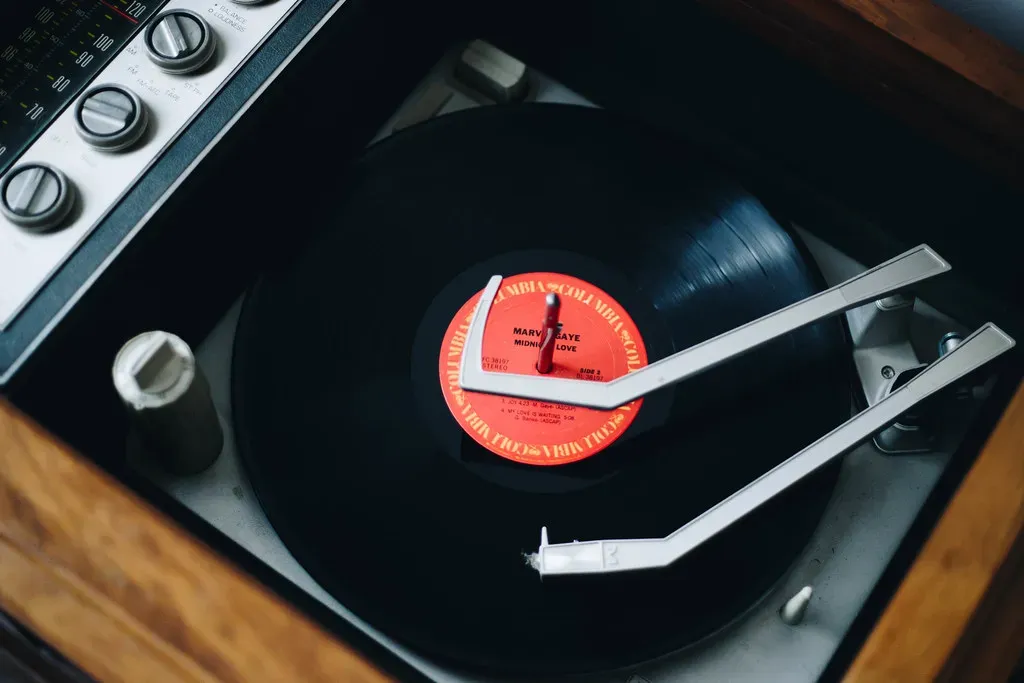
What’s Going On is a concept album that explores political and social upheaval in a rapidly changing landscape. It’s often been cited as the greatest album of the 20th century, which Gaye released on a Motown Records subsidiary label. It was Gaye’s first time to hold a producer title on an album, which paid off as the record became one of the most influential albums of all time.
Songs like “Mercy Mercy Me (The Ecology)” still resonate as environmental and social justice anthems. Gaye’s voice soars and aches, inviting listeners to feel not just his pain, but the world’s. More than five decades after its release, the album’s concerns feel anything but dated. If anything, its emotional intelligence and social clarity have only grown sharper with time.
These five records aren’t simply beloved for nostalgia’s sake. Each one rewired some corner of music permanently, and each one holds up on its own terms today. That’s what separates the essential from the merely great.