Landing in Vegas feels electric. The lights, the energy, the promise of adventure. Then you hop into a taxi or rideshare at Harry Reid International Airport, ready to hit the Strip, and suddenly you’re on Interstate 15 heading north when your hotel is practically a stone’s throw south. Welcome to the infamous Vegas “long haul,” and honestly, it’s one of those things you need to know about before you arrive.
Long hauling isn’t just an annoying detour. It’s a deliberate practice where drivers take unnecessarily lengthy routes to rack up higher fares, and it’s been a problem in Las Vegas for years. Though regulations have tightened and technology has made it easier to spot, travelers still get caught off guard, especially first-timers who don’t realize how close the airport actually sits to most Strip hotels. Let’s dive in.
Know What “Long Hauling” Actually Means

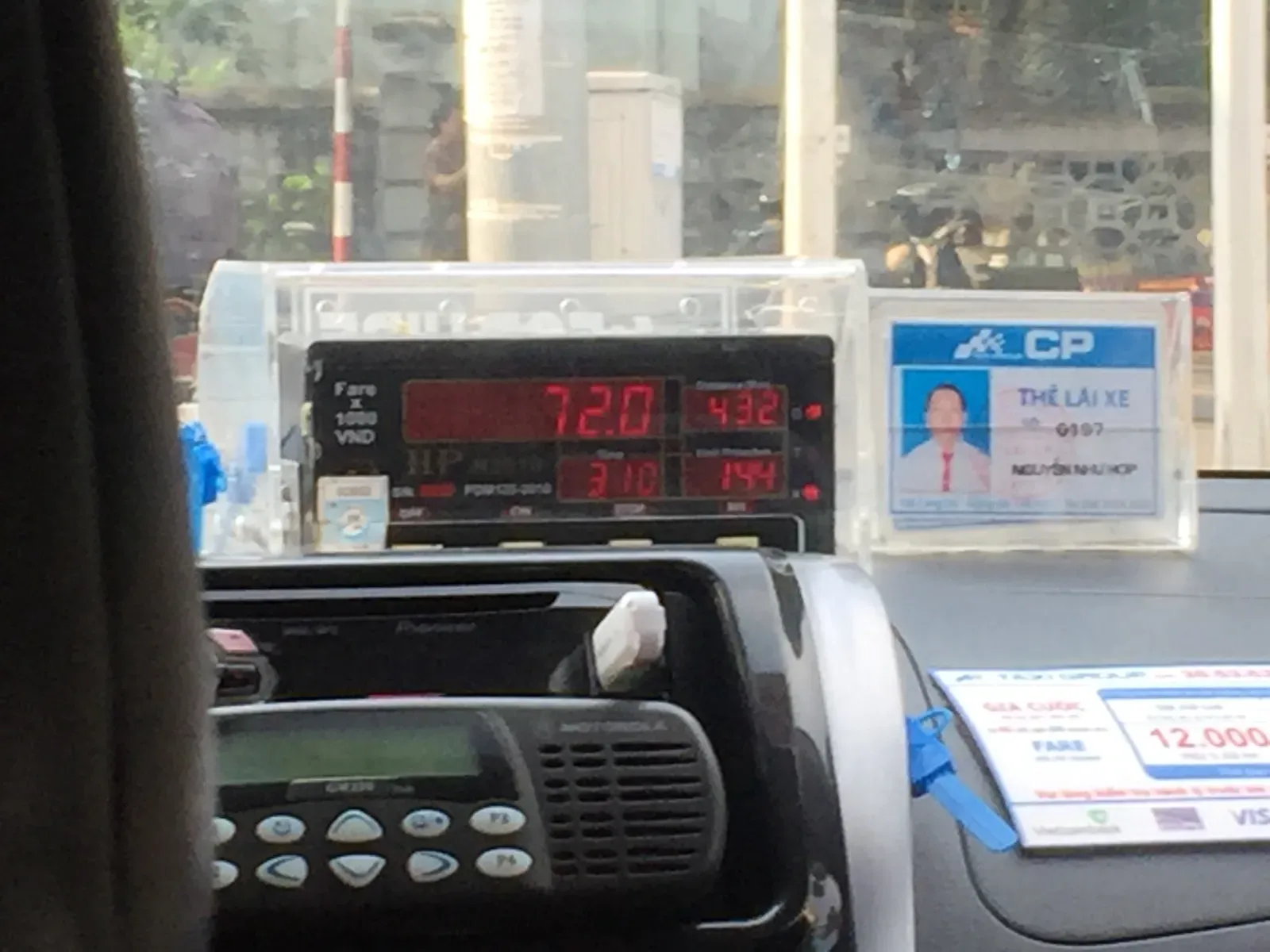
Long hauling occurs when a taxi driver takes the least direct route without the passenger’s permission. This practice is explicitly prohibited under Nevada regulations, giving you the legal right to question any unnecessary detours. Think of it like this: if your hotel is three miles away but your route suddenly involves a ten-mile highway loop, something’s wrong.
They have also implemented flat-rate fees from the airport to the Strip to discourage drivers from long-hauling. These flat rates were specifically designed to address widespread complaints, particularly from airport trips. It’s hard to say for sure whether every driver had bad intentions back in the day, but the regulatory response tells you just how common the issue became.
Understand the Airport Zone System

Las Vegas taxis operate a Harry Reid International Airport Trip zone pricing, with three airport zones and fixed fares depending on which zone your destination hotel falls within. Zone 1 costs around twenty-one dollars, Zone 2 roughly twenty-five, and Zone 3 about twenty-nine dollars.
Zone 1 includes hotels like Luxor, Mandalay Bay, and MGM Grand; Zone 2 covers Aria, Bellagio, and Paris; Zone 3 includes Caesars Palace, Wynn, and the Venetian. Knowing your zone before you leave the airport gives you a baseline to spot any driver trying to charge more than they should. If a driver claims your Zone 2 hotel will cost forty dollars, you’ll know immediately something’s off.
Use Your Rideshare App’s GPS in Real Time

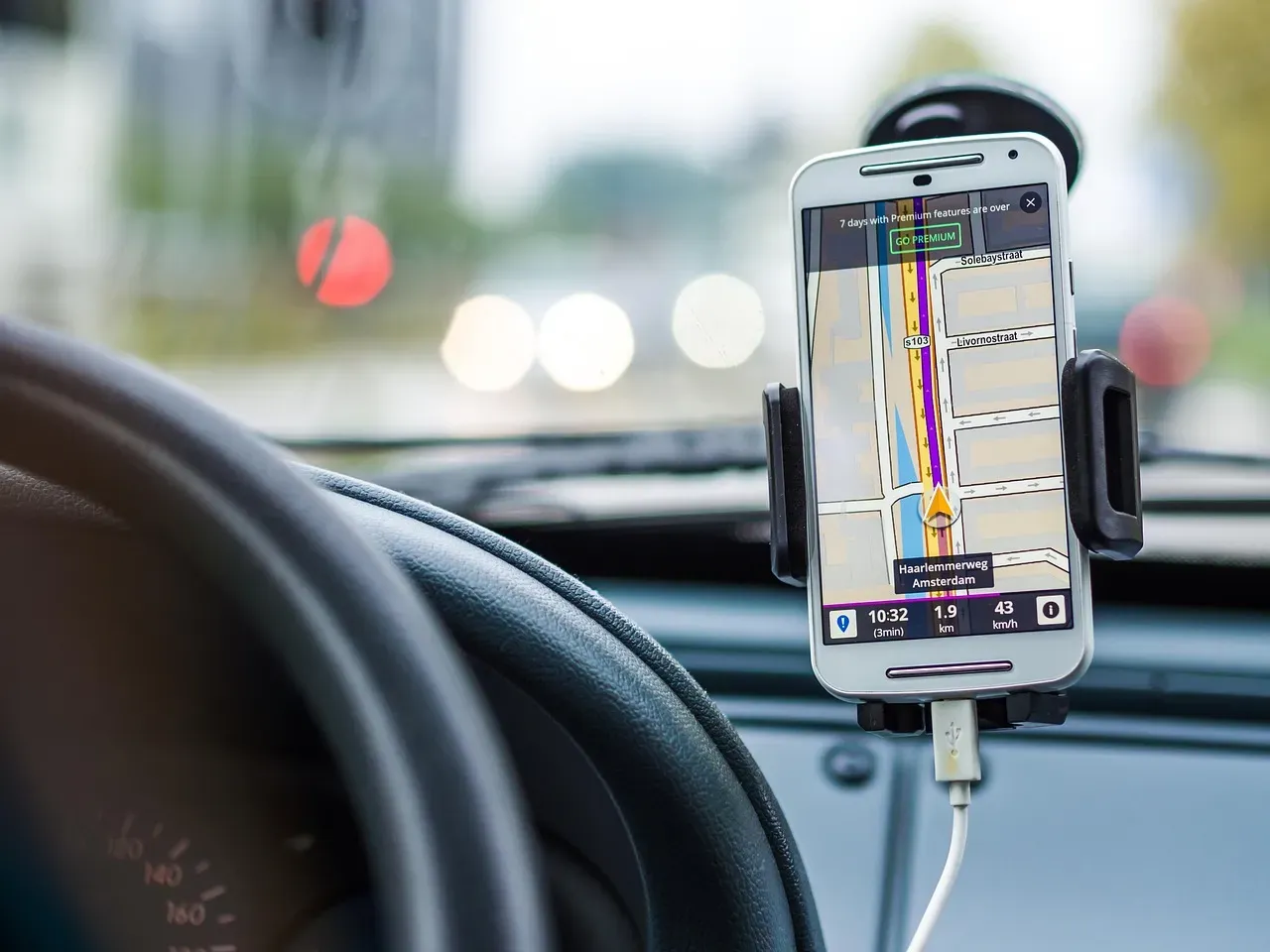
Nevada law requires transportation network companies to disclose their rates and the basis for fare calculation, and they must offer a fare estimation before each trip. Uber and Lyft both provide live route tracking right in the app, which is honestly one of the best defenses against getting taken for a ride – literally.
Open your own GPS or Maps app simultaneously and compare. If your driver suddenly veers onto a freeway when your hotel is visible from the airport access road, you can speak up immediately. I know it sounds crazy, but some drivers still try it, banking on passengers not paying attention or feeling too awkward to say anything.
Check Hotel-Published Fare Ranges Before You Travel


Many Vegas hotels publish typical taxi fare ranges from the airport directly on their websites or in welcome emails. These aren’t random numbers; they’re based on the regulated zone system and give you a clear reference point to detect unusually high charges.
The average Las Vegas Airport taxi fare from the airport to downtown Las Vegas will be between twenty-five and forty dollars, but there is an exception if you are staying at one of the hotels located within Airport Zones. If you’re headed to a Strip hotel and a driver quotes you fifty dollars, you have every reason to question it. Let’s be real, knowledge is power, especially when dealing with fare disputes.
Insist on the Most Direct Route

Nevada regulations require drivers to take the most direct route unless the passenger requests otherwise. This isn’t just a suggestion or best practice; it’s the law. You have the explicit right to question unnecessary detours, and drivers know this.
If you notice your route deviating, politely but firmly ask why. A legitimate reason might be an accident or road closure, which is fair. However, if the explanation sounds vague or the driver gets defensive, trust your instincts. You’re not being difficult; you’re protecting yourself from being overcharged.
Keep Your Receipt and Trip Details

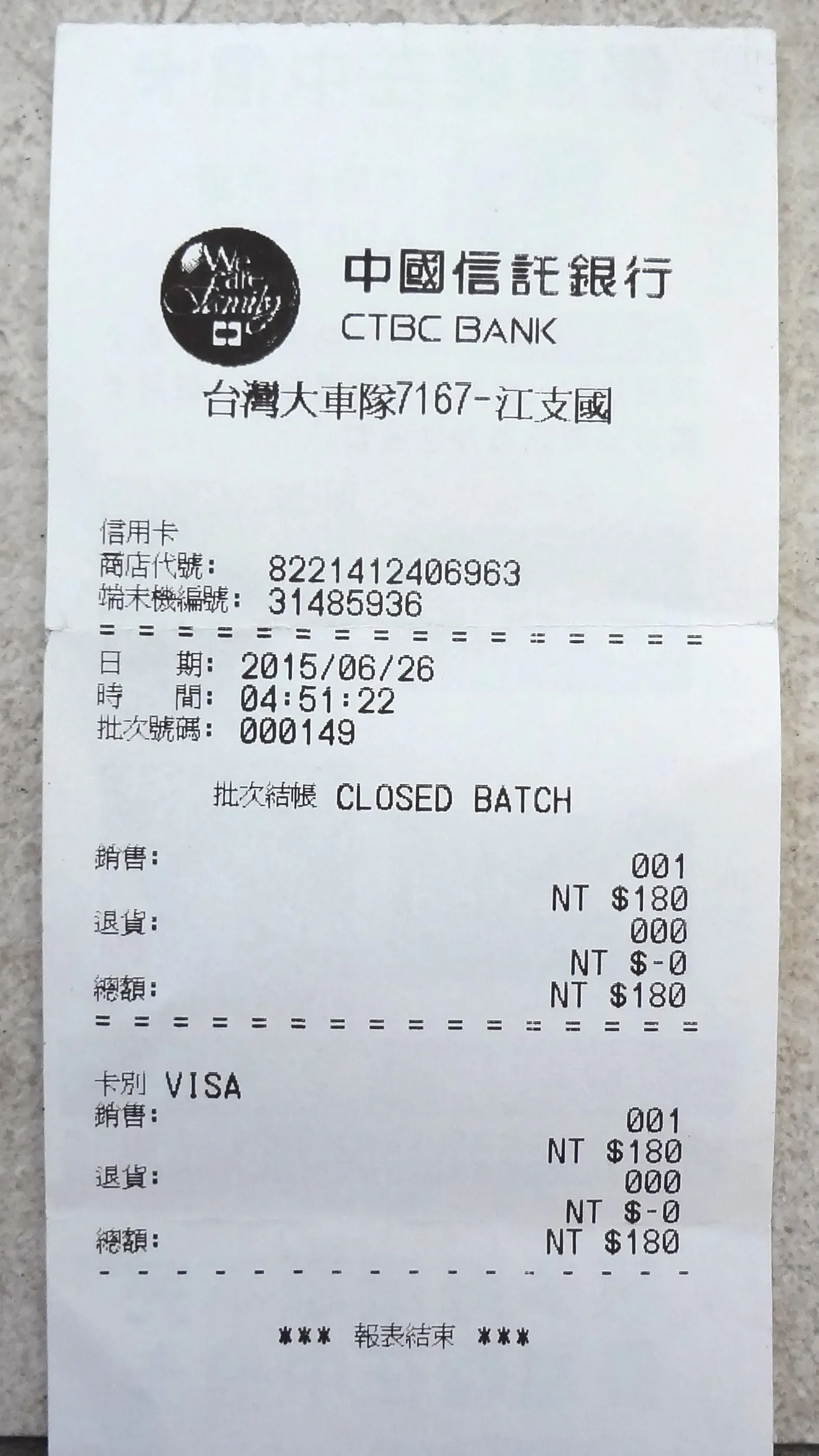
If you need to report a complaint or seek assistance with taxi service in Las Vegas, you can dial 702-668-4005, and when making a complaint, it’s essential to provide specific details such as the taxi company name, taxi number, driver’s name, date, and time. Receipts are your proof, and without them, investigating fare disputes becomes nearly impossible.
Nevada law requires transportation networking companies to provide a receipt to each passenger that states the origin and destination of the trip, the time traveled, the distance traveled, and an itemization of the fare charged. Take a screenshot of your Uber or Lyft receipt immediately after the ride. For taxis, ask for a printed receipt before you exit the vehicle.
Look for the Driver Identification Card
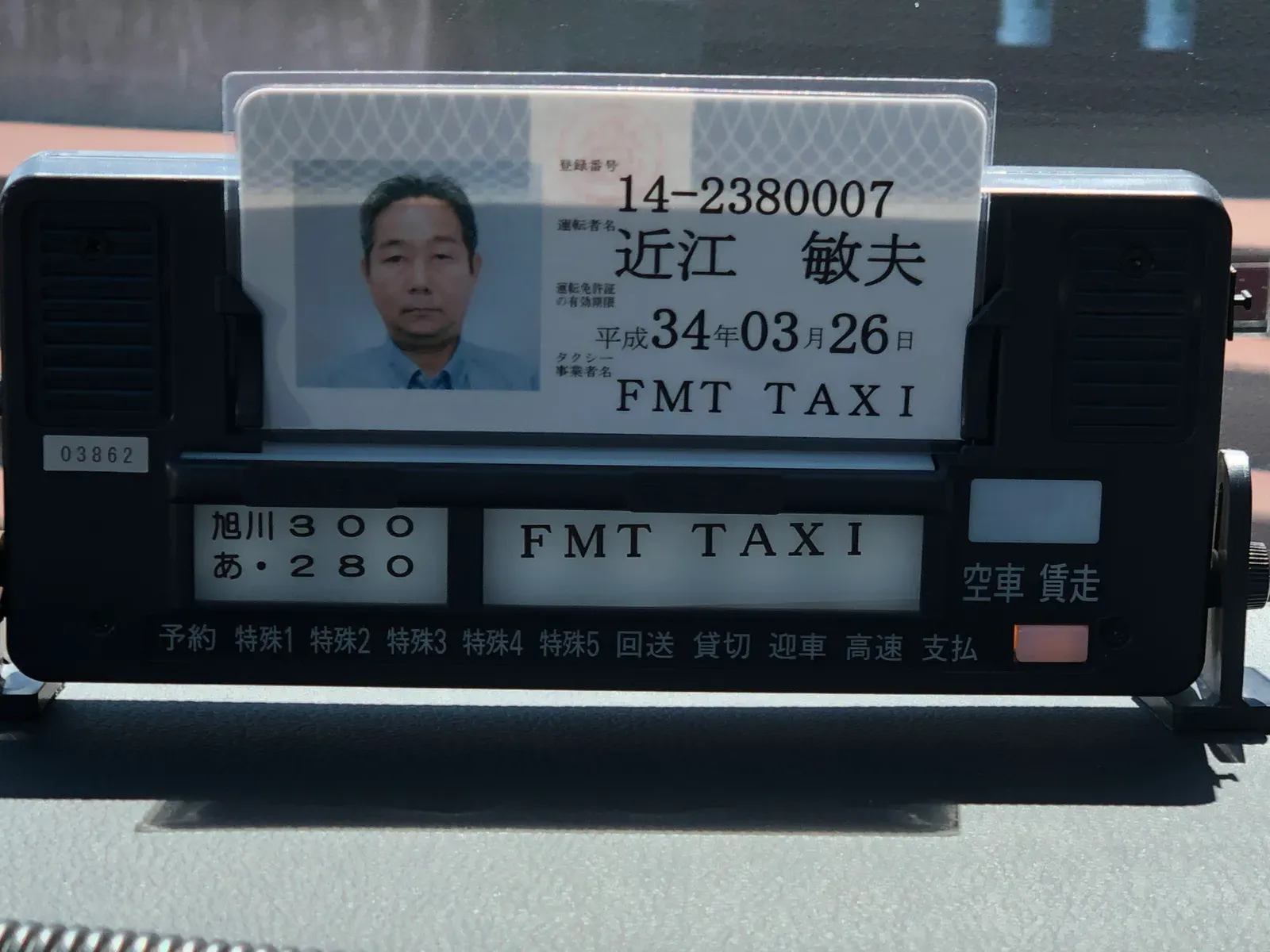
The Nevada Taxicab Authority issues permits for taxi drivers in Clark County. Nevada law requires taxis to display a driver identification card and fare rate information, which helps riders verify legitimacy before a trip starts.
Before you even get in, glance at the posted ID card. It should be visible, usually on the dashboard or partition. If it’s missing or looks tampered with, that’s a red flag. Legitimate drivers have nothing to hide and will understand your caution, especially in a city where scams unfortunately do happen.
File a Complaint if Something Feels Wrong

The Nevada Taxicab Authority governing laws and regulations include Las Vegas Municipal Code, Clark County Code, Nevada Revised Statutes, and Nevada Administrative Code. The Authority accepts consumer complaints online and by phone, allowing passengers to report suspected long-haul incidents.
You’re not overreacting if you feel you were deliberately taken on a longer route. For complaints regarding taxicabs in Clark County, you can contact the Taxicab Authority at 702-668-4000 or 702-486-6532. Reporting these incidents helps protect future travelers and holds drivers accountable under the regulations meant to safeguard passengers.
Compare Rideshare Pricing Before You Commit

A zone 3 cab trip to Caesars Palace will cost around thirty dollars flat rate, while an Uber would be fifteen to twenty dollars depending on demand; a zone 2 cab trip to MGM Grand costs twenty-six dollars flat rate, while an Uber would be nine to fifteen dollars. Pricing can vary wildly depending on surge pricing and time of day.
Open both the Uber and Lyft apps, check taxi zone rates, and pick the best option right then. There are occasions when surge pricing on rideshare apps makes taxi flat rates a better deal, so price your ride after your plane hits the tarmac to ensure you’re getting a deal. The few seconds it takes to compare could save you twenty bucks or more.
Trust Your Gut and Speak Up


Here’s the thing: most Vegas drivers are compliant and honest. Flat-rate fees from the airport to the Strip were implemented to discourage drivers from long-hauling. Long-haul complaints have decreased with GPS tracking and digital fare transparency, which is genuinely good news for travelers.
Still, a small percentage of drivers will test boundaries, especially with tourists who seem unsure or distracted. If something feels off, say something. You’re not being rude; you’re being smart. Politely mention that you’re tracking the route on your phone or that you’re familiar with the area. Often, that’s enough to keep things honest.
Vegas is supposed to be about fun, not stress over whether your taxi driver is scamming you. Arm yourself with these practical tips, stay aware, and you’ll navigate from Harry Reid to your hotel without losing extra cash or peace of mind. Did you expect the airport to be that close to the Strip? Most first-timers don’t, and that’s exactly what some drivers count on.