There’s something almost indescribable about standing in a crowd of thousands, watching a performer point the microphone outward, and suddenly everyone around you erupts into the same song. It hits you somewhere deep. It’s not just excitement. It’s something older, more physical, more primal than you might expect.
Researchers have been chasing this feeling for decades, and what they’ve found is genuinely astonishing. The experience isn’t just emotional theater. It’s a full-body, brain-level, chemical event. Let’s dive in.
Your Brain on Singing: The Reward Circuitry Goes Wild

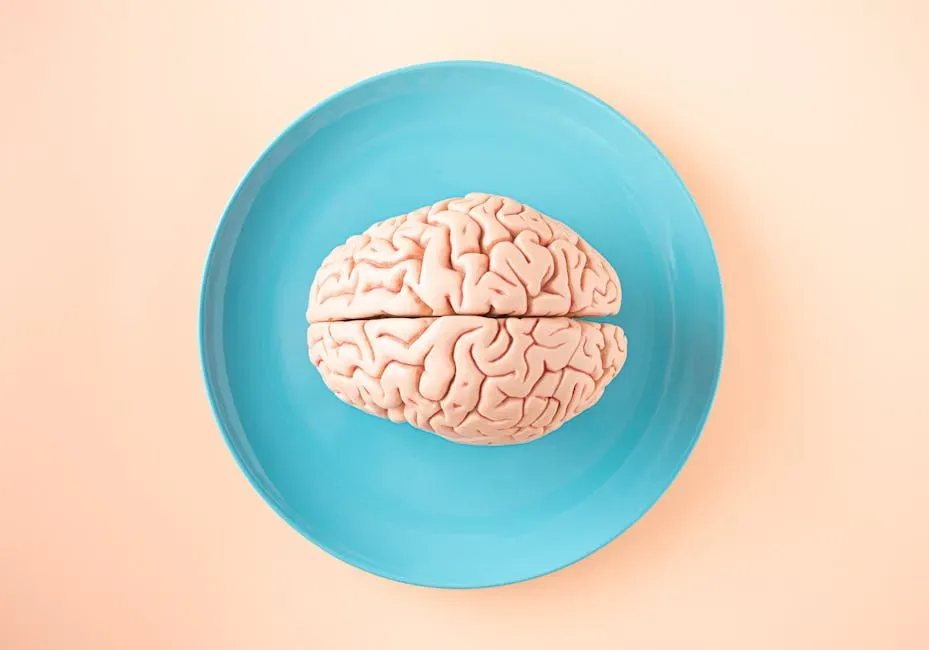
When you join a crowd singalong, your brain doesn’t treat it like a casual activity. Music activates the same reward networks linked to food, love, and other deeply pleasurable experiences. The “thrill” associated with music is due to activity in the brain’s reward centers, and this likely involves endorphins as well as the dopamine systems commonly associated with a sense of excitement.
Here’s the thing though. Listening passively at a concert is one thing. Actively singing is a whole different neurological beast. Singing, dancing, and drumming all trigger endorphin release, indexed by an increase in post-activity pain tolerance, in contexts where merely listening to music and low energy musical activities do not. You have to participate to unlock the full biological payoff.
Music affects many aspects of human behavior, especially in encouraging prosocial interactions and promoting trust and cooperation within groups. Music, presumably via its impact on the limbic system, is also rewarding and motivating, and can facilitate aspects of learning and memory. The crowd singalong, then, isn’t just fun. It’s your ancient neural hardware firing exactly as it was designed to fire.
The Oxytocin Effect: A Bonding Chemical Triggered by Voice

Most people associate oxytocin with hugging or physical affection. Turns out, your voice can do the job just as well. While oxytocin production in humans was originally believed to increase only in response to direct physical contact, mothers bonding with their infants demonstrated higher plasma oxytocin levels from vocalizations alone. So something about synchronized vocal activity reaches into the same chemistry.
Research published in the journal Psychology of Music made a striking finding about group versus solo singing. Group singing elevated mood, whereas individual singing did not. Importantly, although both group and individual singing led to decreases in cortisol, only group singing led to increases in oxytocin. Further analysis revealed that oxytocin, but not cortisol, significantly correlated with mood. These findings suggest that the mood-boosting effect of singing is likely due to the social aspects and is influenced by changes in oxytocin.
A 2025 systematic review published in Frontiers in Cognition explored this further. The review aimed to explore how individual and group musical activities influence social bonding and emotion regulation through the oxytocinergic system, with a systematic search of multiple databases conducted to identify studies up to October 2024. The emerging picture is clear: singing together is one of the most efficient and accessible ways to stimulate bonding chemistry in the human body.
When Heartbeats Actually Align: The Synchrony Phenomenon

I know it sounds almost too poetic to be real, but this one is backed by hard data. When people sing together, their bodies literally start to coordinate at a physiological level. Phase synchronization both in respiration and heart rate variability increase significantly during singing relative to a rest condition; phase synchronization is also higher when singing in unison than when singing pieces with multiple voice parts.
Research provided the first evidence that heart rate variability synchronizes between choir members and their conductor, and that the effect is greater when singing in unison. Think about that for a moment. Strangers in the same room, singing the same song, their hearts literally beginning to beat in closer alignment.
Singing produces slow, regular, and deep respiration, which in turn triggers respiratory sinus arrhythmia that is associated with vagal influence. The vagus nerve is a major pathway of the body’s calming system, which goes a long way toward explaining why that goosebump-soaked moment in a crowd feels so deeply, physically comforting.
The Endorphin Rush: Natural Pain Relief and Euphoria


Endorphins are the body’s homemade opiates. They reduce pain, generate euphoria, and play a central role in social bonding. Here’s the key insight that researchers have uncovered: you don’t just get this rush from exercising hard. You get it from singing hard. It is the active performance of music that generates the endorphin high, not the music itself.
A landmark study measured endorphin release in singers by using pain threshold as a proxy, since direct endorphin measurement is both invasive and ethically complex. Results showed that feelings of inclusion, connectivity, positive affect, and measures of endorphin release all increased across singing rehearsals and that the influence of group singing was comparable for pain thresholds in large versus small group contexts.
Singing in large groups of unfamiliar people seems to have a more powerful effect compared to smaller, more familiar groups. So the enormous festival crowd or sold-out arena singalong may actually be more neurologically potent than singing with a handful of friends. That’s a genuinely surprising finding, and it reframes what those massive concert moments actually represent.
Evolutionary Roots: Why Humans Sing Together at All

Collective singing isn’t a modern quirk. It’s ancient. Singing together with others is perhaps the oldest and most widely conserved form of musical behavior. Over the last several decades, researchers have sought to understand its ubiquity by studying its effects on health and wellbeing.
The evolutionary argument is compelling. Non-human primates strengthen social bonds through one-on-one grooming. That’s efficient for small groups but completely impractical at scale. In non-human primates, social ties are created and sustained through intense one-on-one grooming, which stimulates the release of endorphins and promotes emotional closeness. However, the amount of time it takes to groom limits the number of relationships that can be maintained. Since humans live in much larger groups than other primates, sustaining a greater number of relationships requires mechanisms that facilitate bonding with several individuals simultaneously.
The finding that singing together fosters social closeness, even in large contexts where individuals are not known to each other, is consistent with evolutionary accounts that emphasize the role of music in social bonding, particularly in the context of creating larger cohesive groups than other primates are able to manage. In other words, your crowd singalong at a rock concert may be a direct echo of ancient campfire rituals that held early human communities together.
Music, Oxytocin, and the Architecture of Trust

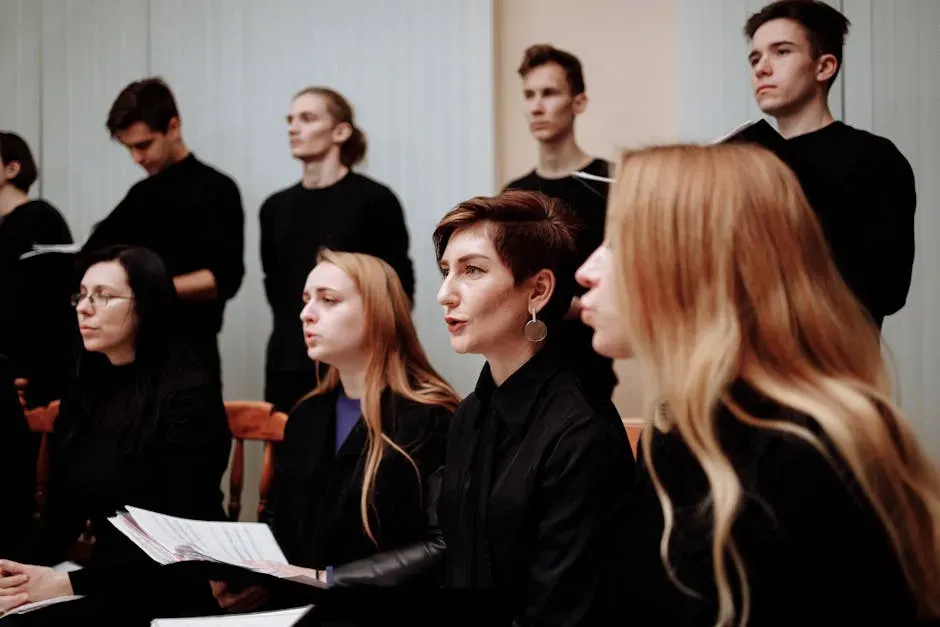
There’s a deeper layer here beyond just mood and bonding. The neurochemistry activated by group singing overlaps extensively with the systems governing trust and social cooperation. The neuropeptide oxytocin plays a key role in human social interactions by modulating underlying cognitive and neural processes. Research has shown that oxytocin increases social trust, enhances interpersonal coordination, and motivates ingroup favoritism during cooperation.
The brain regions involved are worth noting. Musicality, cooperative prosocial interactions, and the oxytocinergic system are linked to neural activity in several common regions and interconnected networks in the brain, with the most consistently involved components being the hippocampus, amygdala, anterior cingulate cortex, caudate nucleus, nucleus accumbens, insula, and prefrontal cortex. Honestly, that’s almost every major region associated with emotion, memory, and social judgment.
Numerous examples of the close interrelationship between oxytocin and prosocial human behaviors have been presented, promoting group empathy and participation in collective decision making, all involving a shift from personal concerns to more communal interests. A crowd singing in unison is, at the chemical level, a group of strangers temporarily overriding their individual instincts and moving into a shared biological state.
Stress Goes Down: The Cortisol Connection
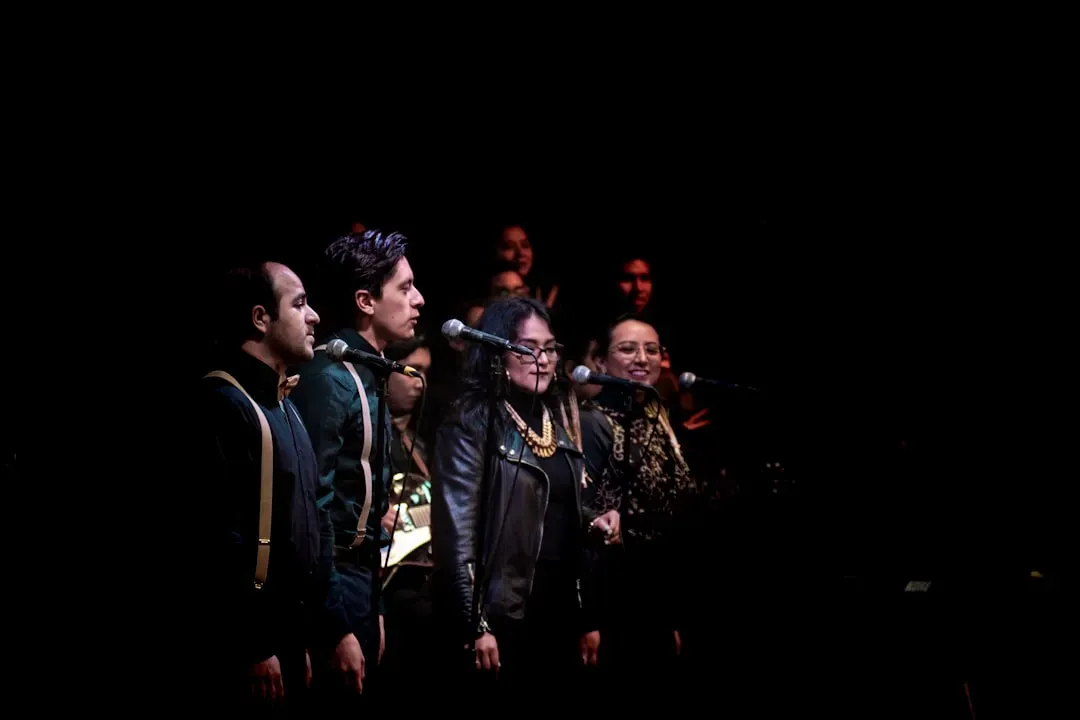
One of the most practically meaningful effects of group singing is what it does to stress hormones. Research consistently shows that group singing reduces cortisol, the body’s primary stress marker. Group singing reduces stress and arousal, as measured by ACTH, and induces social flow in participants.
Singing together improved self-perceived emotional status and social connectedness more than speaking together. This isn’t placebo territory. These are measurable hormonal shifts happening within a single singing session. Regular participation in group singing is associated with benefits across psychological and biological dimensions of human health.
There’s even research exploring how these benefits extend to clinical populations. Since autonomic physiological entrainment is observed for non-expert singing, it may be exploited as part of interventions in music therapy or social prescription programs for the general population. The crowd singalong doesn’t just feel therapeutic. For your nervous system, it genuinely is.
Neural Synchrony: Brains Literally Locking In Together
Beyond heartbeats and breathing, researchers have found evidence of brain-level synchrony during shared musical and vocal activity. This is where things get almost sci-fi. Research applying wavelet transform coherence analysis between two interacting brains showed a significant increase in neural synchronization between homologous channels of the left inferior frontal cortex during cooperative singing and humming.
The concept of interpersonal entrainment in music is well-established. Four levels of interpersonal entrainment have been proposed for music: perceptual, autonomic physiological, motor, and social. These involve respectively the synchronization that occurs between people attending to the same stimulus, phase-locking in autonomic nervous system activity, coupling of physical actions, and the synchronization of social behavior.
Crowd singalongs hit all four of these levels simultaneously. People perceive the same sound, their autonomic systems begin to align, their bodies sway and clap together, and their social behavior suddenly moves in unison. It’s an extraordinary multi-layered convergence happening spontaneously in a stadium or amphitheater, and most people have no idea that it’s going on beneath the surface.
The “Music and Social Bonding” Hypothesis: What Science Now Proposes
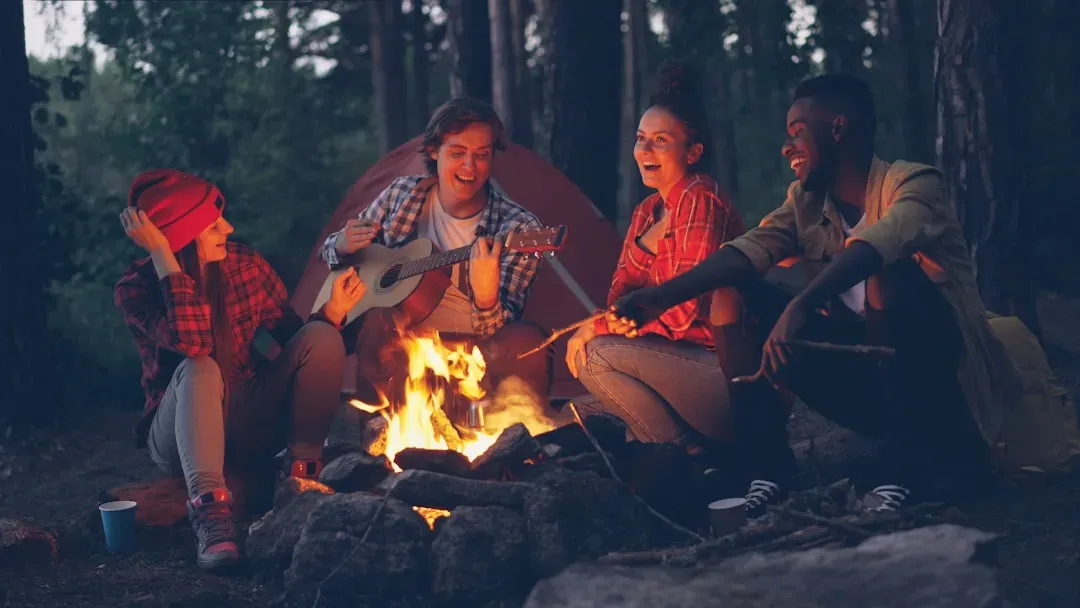
All of these findings have coalesced into a formal scientific framework. Academic appreciation for music’s capacity to stimulate affiliation and social bonding has grown substantially, with many recent studies focusing on it as a potential key element of music’s evolutionary origins. A synthesis has brought together ideas on music’s role in stimulating social cohesion under a unified “music and social bonding” hypothesis. This hypothesis proposes that the capacity of music to promote the formation, strengthening, and maintenance of affiliative connections provides the ultimate adaptive basis for the evolution of music.
That’s a bold claim, and it’s worth sitting with. The reason music evolved, according to this hypothesis, is specifically because it bonds humans together at scale. Over our evolutionary history, humans have faced the problem of how to create and maintain social bonds in progressively larger groups compared to those of our primate ancestors. Evidence from historical and anthropological records suggests that group music-making might act as a mechanism by which this large-scale social bonding could occur.
It reframes everything about a concert singalong. It’s not frivolous entertainment. It’s one of the most ancient, biologically encoded social rituals the human species has ever developed.
Why Strangers Feel Like Friends: The “Self-Other Merging” Effect


Perhaps the most emotionally resonant finding in this whole field is what researchers call “self-other merging.” This is the documented psychological tendency for people to feel reduced separation between themselves and others during synchronized group activities. Singing in a crowd appears to be one of the most powerful triggers of this state.
Levels of social closeness were found to be greater at both pre and post-levels for the small choir condition. However, the large choir condition experienced a greater change in social closeness compared to the small condition. The finding that singing together fosters social closeness, even in large group contexts where individuals are not known to each other, is consistent with evolutionary accounts emphasizing the role of music in social bonding.
When groups of people come together to sing or play instruments, stress and arousal levels are reduced due to an increase in adrenocorticotrophic hormone levels after singing together. An increase in positivity, engagement, connectivity, and endorphin levels occurred, all while negative emotions decreased and positive ones increased. That person next to you belting every single word. The stranger two rows back who grabs your shoulder at the chorus. These aren’t random social gestures. They’re the visible surface of a powerful and ancient biological process unfolding in real time.
Conclusion: The Magic Has a Mechanism
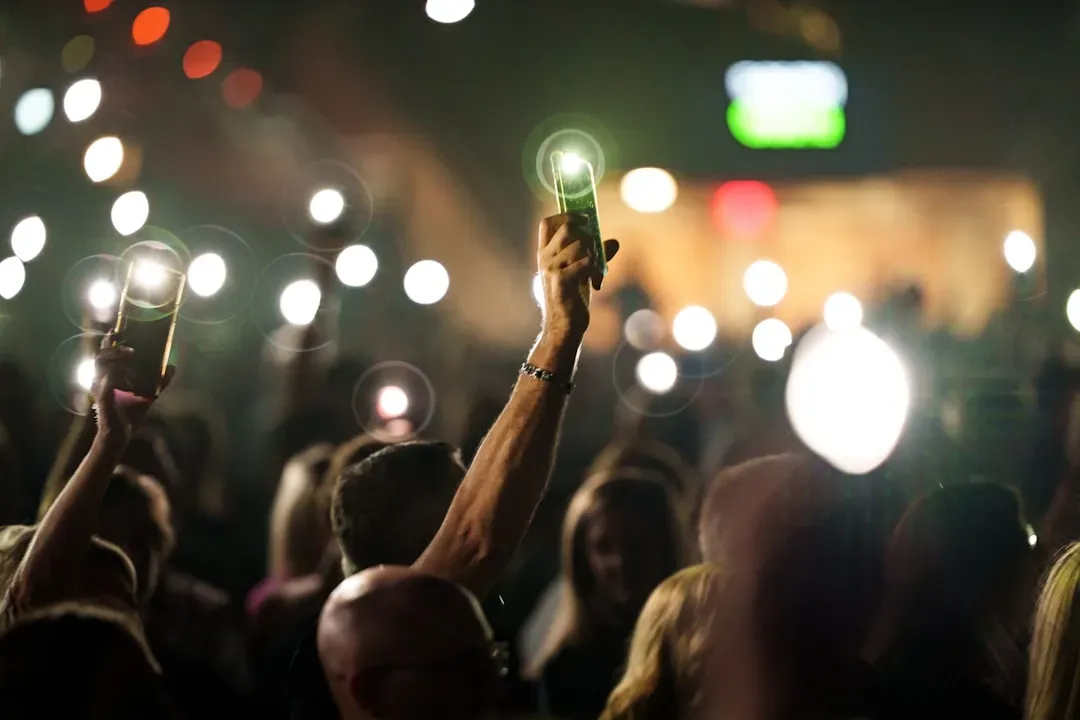
The feeling of magic at a crowd singalong is real. It’s just that the magic has a name. It has a neurochemistry, a set of hormones, a network of brain regions, and an evolutionary origin story stretching back tens of thousands of years. Oxytocin, endorphins, dopamine, synchronized heartbeats, aligning brain waves, dropping cortisol, growing feelings of trust toward strangers. None of that is mystical. All of it is measurable.
What’s remarkable is how little effort it takes to trigger this entire cascade. You don’t need to know anyone in the crowd. You don’t need to be a good singer. You just need to open your mouth and join in. The biology takes care of the rest.
Next time you’re at a concert and that familiar opening chord hits, and the crowd erupts around you, pay attention. Notice the shift in your chest. The loosening in your shoulders. The sudden warmth you feel toward total strangers. That isn’t just emotion. That’s ancient human technology doing exactly what it was built to do. What would the world look like if we used it more deliberately? Something worth thinking about.