Hollywood has a particular talent for manufacturing excitement. Studios pour money into marketing campaigns, carefully orchestrate magazine covers, and book actors on every talk show imaginable, all in service of a single, breathless message: this person is the future of movies. Sometimes it works. Most of the time, it doesn’t.
The gap between studio ambition and genuine audience connection is wider than it looks. Chemistry with a camera, the right material, personal motivation, a string of box office results – any one of these can derail even the most carefully constructed star-making machine. Here are five actors Hollywood really tried to push into superstardom, and why it never quite clicked.
1. Taylor Kitsch – The Action Hero Who Got Buried Under Two of the Biggest Flops in History
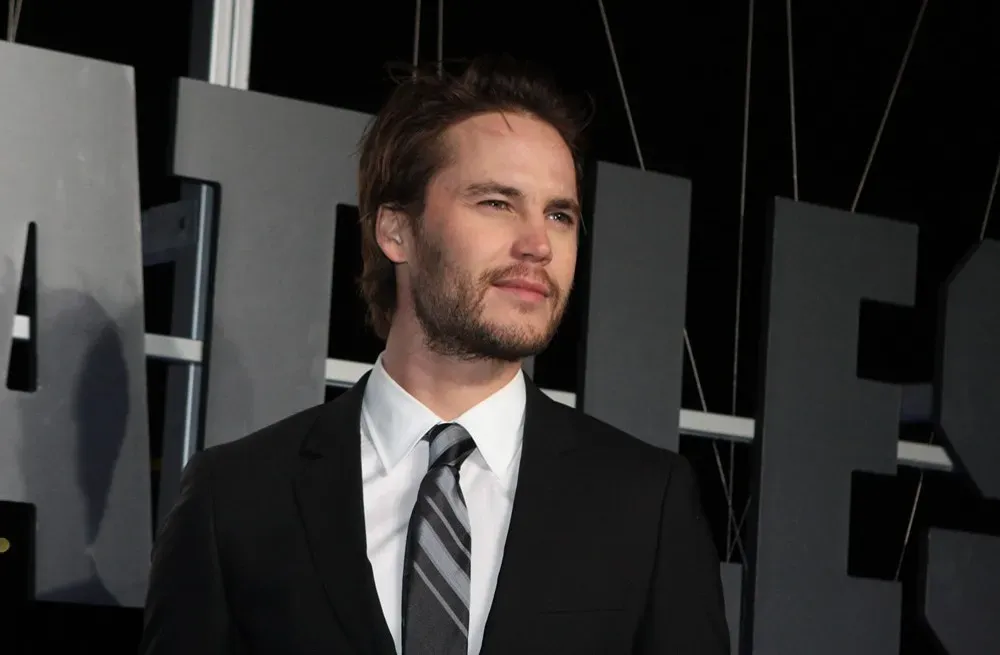
Taylor Kitsch first rose to prominence for his portrayal of Tim Riggins in the acclaimed television drama “Friday Night Lights.” Following the success of the series, he was cast as the lead in several major studio productions including “John Carter” and “Battleship.” These films were expected to launch him as a premier action star but struggled badly at the domestic box office. John Carter was released with the simple plan of becoming the next big Disney franchise. Instead, the Taylor Kitsch-led film saw its reported $263 million budget reap rewards of just $284 million, leaving Disney with a reported $200 million deficit.
John Carter was not Kitsch’s only misfire in 2012. That same year saw him star in the critically panned Battleship, which was based on the board game and featured a similarly high budget while again failing to meet expectations at the box office. Since then, Kitsch featured in major live-action films none of which exceeded an initial budget of $45 million, while only one – Lone Survivor, where he played a supporting role – can be considered a major box office success. He continues to earn praise for his performances, most notably in his television work in the second season of True Detective and the limited series Waco. The blockbuster door, however, appears firmly closed.
2. Sam Worthington – The Leading Man the Biggest Movie in History Couldn’t Actually Make Famous
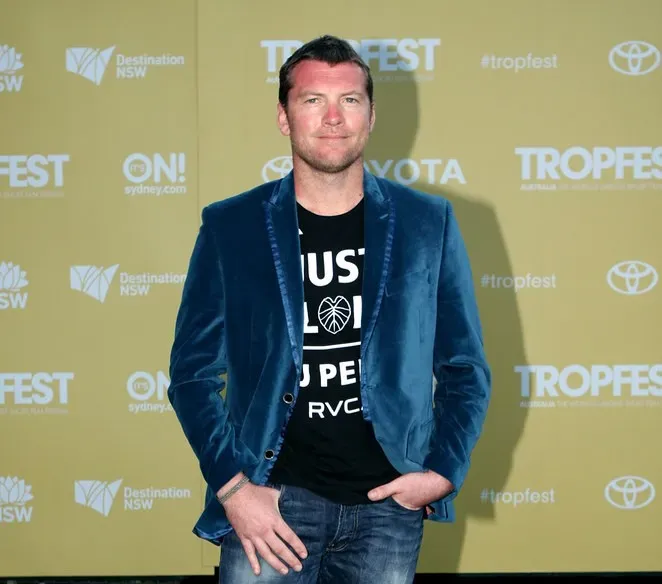
In the early 2010s, Worthington’s chiseled features were everywhere. He led Terminator Salvation, Clash of the Titans, and James Cameron’s culture-shifting epic Avatar within the space of a single year. The Australian actor became the top-billed star of two of the three highest-grossing movies of all time, with Avatar in 2009 and its 2022 sequel The Way of Water. By any industry metric, he had made it. Yet he was never truly the star of Avatar – that honor belonged to the effects, along with the sheer magnitude of Cameron’s vision.
Worthington admits he leapt from project to project without a clear plan after Avatar’s success. While the films were huge earners, reviews were often unforgiving, leaving his missteps permanently preserved on the big screen. He has also spoken candidly to Variety about struggling with sudden fame and alcohol during that period, later embracing sobriety and spirituality to regain balance. Rather than chase box office glory, Worthington began choosing roles that allowed him to grow. Over the past decade, he has delivered increasingly complex performances, from Hacksaw Ridge to the acclaimed series Under the Banner of Heaven, where his portrayal of murderer Ron Lafferty drew widespread praise.
3. Shailene Woodley – The Franchise Star Whose Franchise Fell Apart
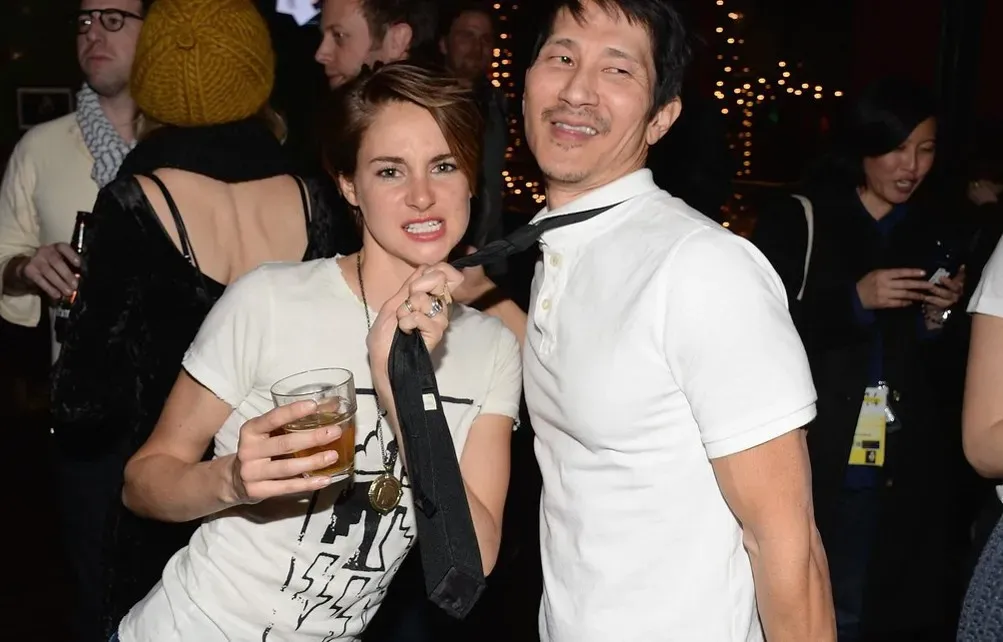
In 2011, Shailene Woodley starred in The Descendants. She received positive reviews from critics and won many awards for her acting. Nylon magazine even named her one of 55 future stars in their “Young Hollywood Issue.” After her success in The Descendants, she was cast in the Divergent series. The studio’s plan was straightforward enough – anchor a young adult franchise and ride it to the top, the same formula that had worked with Jennifer Lawrence and the Hunger Games films just a year before.
Partner offer
However, the third movie, Allegiant, didn’t do well at the box office, so the studio decided to finish the series on TV. That decision essentially shattered the franchise model that was supposed to carry Woodley into permanent A-list status. The TV finale was never even made. It was an awkward, publicly visible collapse that left her arc as a blockbuster lead oddly unresolved, and Hollywood’s enthusiasm for casting her as the center of big studio machinery cooled considerably in the years that followed.
4. Gemma Arterton – The Blockbuster Fixture Who Walked Away From the Machine
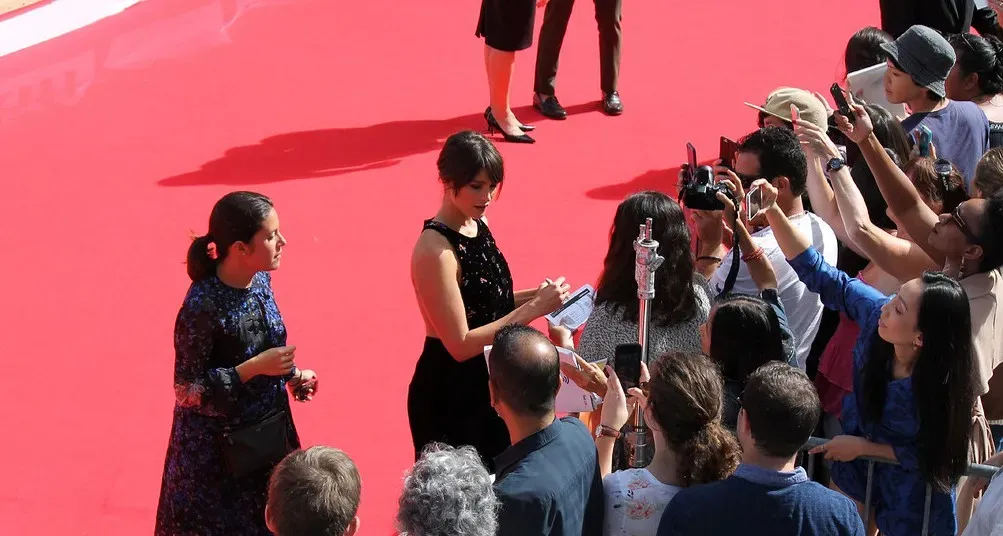
Quantum of Solace, Clash of the Titans, and Prince of Persia: The Sands of Time raised her profile among cinema audiences after combining to earn billions at the box office, but smaller projects like The Disappearance of Alice Creed and Tamara Drewe also showed she was a talented actor without the big budget bells and whistles. Within just a few years, Gemma Arterton had done the kind of blockbuster résumé-stacking that agents dream about. The industry clearly had plans for her.
Arterton admitted that it “didn’t sit well” with her becoming known as a sex symbol first and foremost, even if she acknowledged that she “was doing those roles because they were the ones” she was offered. When she was in a position to exert more control over her own trajectory, she prioritised independent fare and shunned the spotlight that had been shone so brightly on her right out of the gate. She never really managed to make the leap to the next level, and her career seems to have plateaued. Arterton was in the cult hit The Girl with All the Gifts in 2016 but hasn’t been in a blockbuster hit since. Whether that’s a failure or a choice depends on how you define success.
5. Josh Hartnett – The Man Who Turned Down Batman and Superman
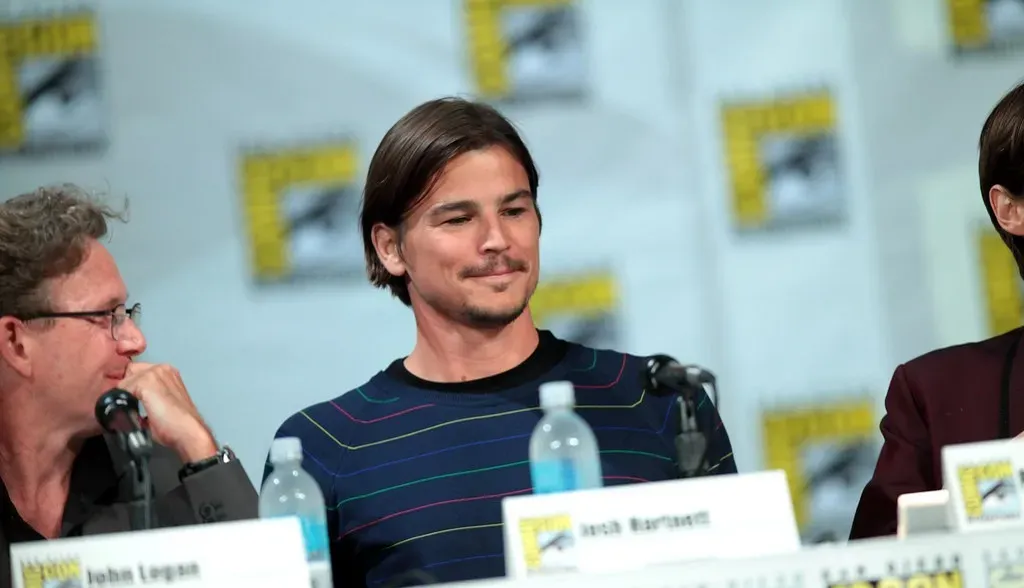
Josh Hartnett had been singled out as the next big thing, and he despised the idea. He enjoyed a lot of success very early in his career, but because he was young and handsome, studio executives were eager to push him into one of two boxes: heartthrob or action hero. Hartnett didn’t want to be either, so he decided to take a step back, scale down his workload, and focus on smaller projects.
It takes a brave soul to turn down the chance to play Batman and Superman, knowing the levels of fame, fortune, and visibility it would bring, but Hartnett opted to play the long game and currently finds himself in the middle of a well-deserved renaissance. His arc is arguably the most interesting on this list. He wasn’t killed by a bad film or a collapsed franchise. He simply refused the terms Hollywood was offering, stepped away, and waited for the industry to catch up with what he actually wanted to do. That kind of patience is rare, and it worked out.
What connects all five of these stories is something the star-making machinery tends to ignore: sustainable careers are built on the right fit between actor and material, not on volume of coverage or franchise placement. Studios can manufacture buzz, but they can’t manufacture the specific chemistry that turns a recognizable face into someone audiences genuinely want to follow. Sometimes the “next big thing” label is the very thing that gets in the way.
Partner offer
Planning a trip to Vegas?
Compare hotel rates and show tickets on VEGAS.com.