Most films give us the villain we’re supposed to boo. They threaten the hero, destroy the city, monologue at the worst possible moment. We’re told they’re wrong, the hero stops them, credits roll. Simple enough. Except sometimes, when the dust has settled and you’re still thinking about a film days later, the uncomfortable thought creeps in: that villain had a point.
The best antagonists aren’t the ones who are simply evil. Villains who were right tend to feel more human since they have more redeeming qualities, and above all, a completely understandable point. These five films all feature antagonists whose core argument survives even after you’ve rooted against them for two hours.
1. Black Panther (2018) – Erik Killmonger and Wakanda’s Moral Debt

As the antagonist of 2018’s Black Panther, Killmonger not only had a physical threat capable of matching T’Challa’s, but he also had one of the best backstories and motivating forces of any cinematic character. In part, his mission was driven by resentment for Wakanda’s isolationist policies, which he believed were the cause of Black oppression across the planet Earth. He wasn’t entirely wrong. A technologically supreme nation sitting on a mountain of vibranium while its diaspora suffered is a hard image to defend, regardless of tradition.
Killmonger’s plan and methods are extreme, as he’s willing to throw the world into chaos and violence for the sake of liberation. At the same time, he’s driven by a genuine desire to help. He challenges Wakanda’s isolation and is quite right that, given its resources, it could do so much good on a global scale rather than caring only for its own people. The film itself concedes the argument. The message resonated with a lot of people, and in-universe Wakanda introduced itself to the world and began trying to work with other nations for the betterment of everyone. Without Killmonger, Wakanda would have remained closed off, and never would have joined the United Nations.
2. X-Men: First Class (2011) – Magneto and the Logic of Self-Defense

Magneto’s experiences during the Holocaust shaped his outlook on the situation that mutants face in the Marvel Universe. Determined to keep such atrocities from ever being committed against mutantkind, he is willing to use deadly force to protect mutants. In X-Men: First Class, director Matthew Vaughn makes this argument almost impossible to dismiss. The film follows a twenty-something Magneto hunting Nazis in the 1960s, and in order for his vendetta to resonate with audiences brand new to this world, the reboot/prequel goes back to the moment that started it all.
Max Eisenhardt survived the Nazi concentration camps, where he lost his family and witnessed unimaginable cruelty. That trauma shaped his belief that communities who are different must never be powerless again. His past and his words, as well as the humans’ actions, come close to justifying his violent decision, and when he asks the other mutants to join him in forming what would become the Brotherhood of Mutants, one feels as if they might go with him if they were a character in the film. That’s the mark of a genuinely unsettling argument delivered well.
3. Avengers: Infinity War (2018) – Thanos and the Overpopulation Problem
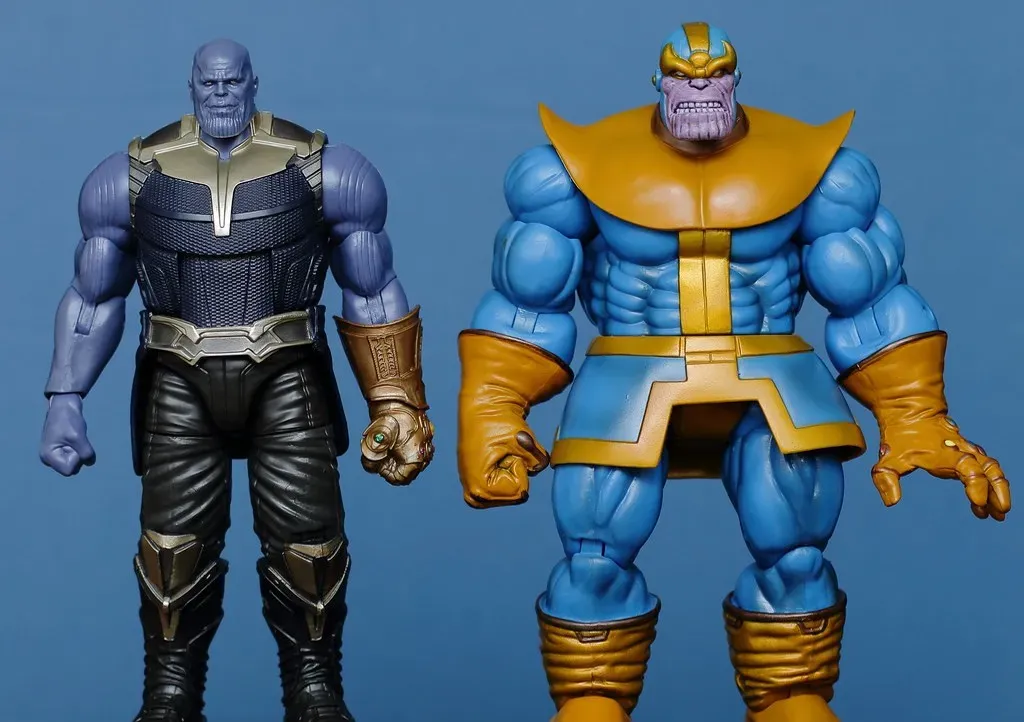
Thanos was traumatized by the decline of his home planet, Titan, which he predicted would fall due to overpopulation. When he recognizes the same signs that Earth’s overpopulation isn’t sustainable, he sets about carrying out his plan to save the planet. His solution, of course, is catastrophic and morally indefensible. The method is not the point. While his plan is extreme, he’s not wrong about the issue of overpopulation. It will especially resonate with viewers because it’s a real-life issue, as many believe the Earth is already exceeding its carrying capacity for the human population.
Partner offer
It is with Thanos that viewers actually see what a villain looks like once he has accomplished what he wanted. He has retired to a very simple life and is easily defeated and killed. He actually stops and takes rest after he finishes what he perceives his work to be. There’s something deeply strange about a villain who keeps his word and genuinely believes the job is done. His actions make many despise him, but his viewpoints make viewers question real life issues. That friction is what keeps Thanos in the conversation years after the film’s release.
4. The Incredibles (2004) – Syndrome and the Problem with Exclusive Power
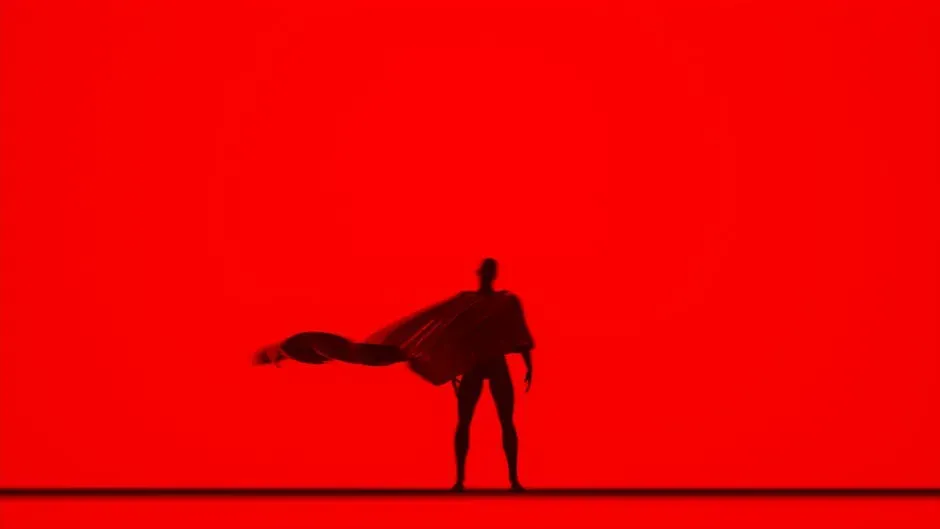
Syndrome uses science to create superpowers, insisting that if everyone is super, then no one is. The way he showcases his plan to the family of supers is definitely petty and cruel, but he does have a point. Strip away the villain origin story and the murder attempts, and what remains is a fairly coherent argument about concentrated ability. The comical and almost humorous Syndrome presents a problem that’s often explored in superhero movies today. When unchecked power is left in the hands of a few, there can be dangerous consequences for everyone else.
Syndrome wants to give everyone superpowers, leveling the playing field so no one’s special. His bitter quest stems from rejection, but the idea of equal opportunity resonates. His methods are cruel, yet the core gripe about elitism stings. The film is smart enough to acknowledge this tension without resolving it cleanly. The Incredibles family gets to remain exceptional, Syndrome gets defeated, and the audience is left slightly uncomfortable about which outcome they were actually cheering for.
5. Ratatouille (2007) – Chef Skinner and the Rat in the Kitchen
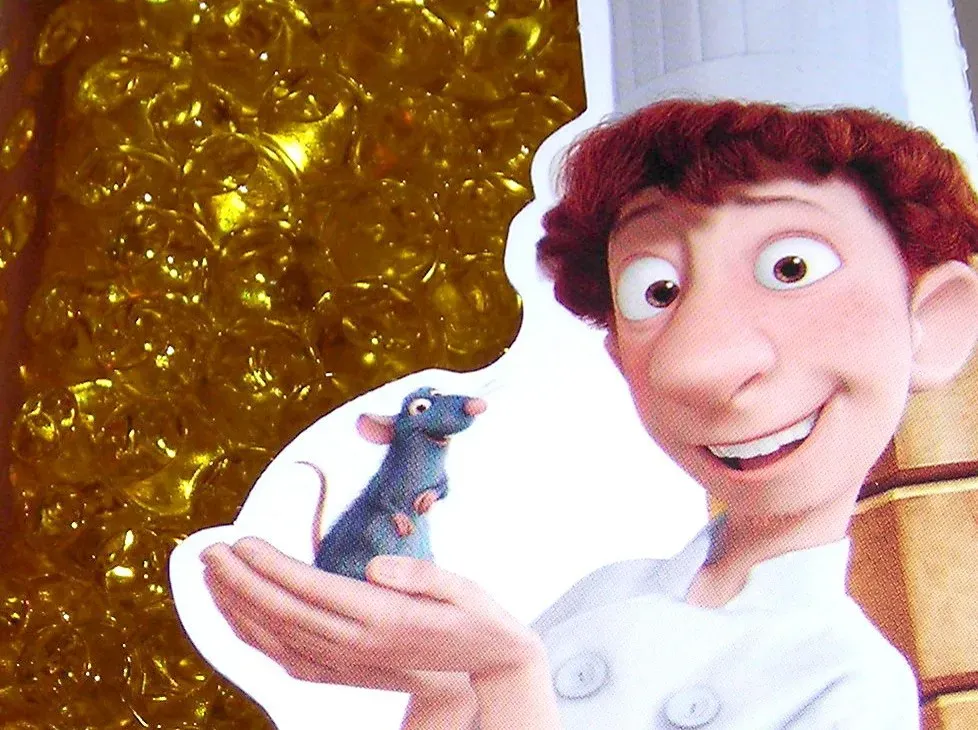
Throughout the film, Chef Skinner tries to foil Alfredo Linguini, believing that there is something suspicious about his sudden cooking skills. When he learns that the ace up Linguini’s sleeve is actually a rat, Skinner does everything he can to expel them from his kitchen. While not a particularly likable individual, Chef Skinner was justified in trying to cleanse his kitchen of any vermin that might have gotten in. This is a Michelin-starred restaurant in Paris. A rat colony operating the stove is not a minor oversight.
Skinner promptly reports the rat infestation after being released, and Gusteau’s was closed. The film frames this as a loss, but from a public health standpoint, Skinner did exactly what any head chef was legally and professionally obligated to do. It is his job to manage the workers of the restaurant, and he doesn’t deserve to be called a villain to prefer workers with experience. Chef Skinner isn’t the villain; if anything, he’s the victim. Ratatouille is a film that works precisely because it never quite lets you forget that Remy is, in fact, a rodent in a professional kitchen – and that somebody had to notice.
What these five films share is a willingness to let the antagonist carry a real argument into the story, one that the hero can’t simply punch away. The villain is still defeated. The credits still roll. The audience still cheers at the right moments. Only afterward, when the lights come up, does the thought settle in that the bad guy wasn’t entirely wrong.
Partner offer
Planning a trip to Vegas?
Compare hotel rates and show tickets on VEGAS.com.