There’s a particular moment on any film set where you can tell, almost without looking, how long a director has been doing this. It’s not the way they frame a shot or talk to actors. It’s the things they say automatically, without thinking, the phrases that have calcified into ritual over decades. Language on a set is deeply habitual, and a veteran’s vocabulary carries the fossil record of every era they worked through.
Some of these one-liners are genuinely useful. Others are pure muscle memory, holdovers from a different production culture that nobody has thought to question. Either way, they act as a kind of timestamp. The moment one of these phrases leaves a director’s mouth, crew members who’ve been around long enough will quietly clock it, and place that director somewhere on the timeline of cinema history.
“Check the Gate!”

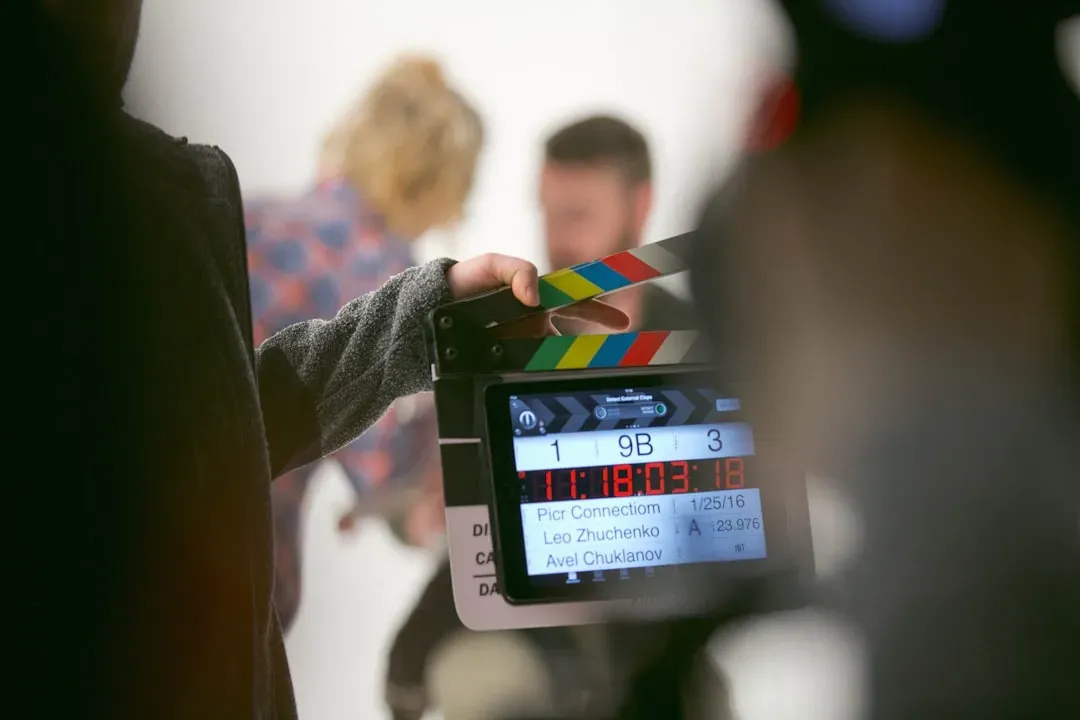
Of all the phrases that linger on modern sets like ghosts of productions past, “check the gate” might be the most beloved anachronism. “Check the gate” is one of many expressions you’ll hear on set that essentially means “moving on.” It dates back to when movies were shot on film, but it is still used today. The “gate” in question was a physical part of a film camera, the small aperture through which celluloid passed, and crews would literally inspect it for dust, debris, or a damaged hair that might have ruined the negative.
On a fully digital production, there is no gate. There’s nothing to physically inspect. Yet the phrase endures, called out by directors who cut their teeth shooting on 35mm, and it functions now less as an instruction and more as a declaration of identity. Younger crew members sometimes nod along politely without any real idea what’s being checked. When you hear it on a modern set, you’re almost certainly looking at someone who started directing before the early 2000s.
“That’s a Print!”

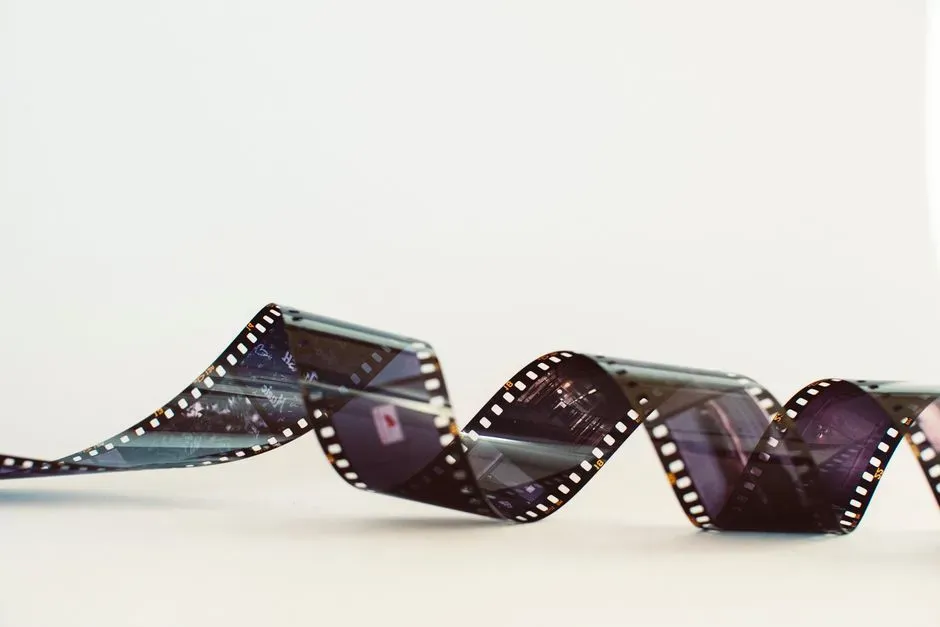
Much like “check the gate,” the phrase “that’s a print” carries the unmistakable smell of photochemical film stock. “Print that” is something the director says to the script supervisor or sometimes to the cinematographer or assistant director to let them know they liked the take. In the analog era, ordering a print was a real financial decision. Film labs would process and print only the takes the director approved, which kept costs manageable on productions working with tight lab budgets.
Today, every take is recorded digitally and stored automatically. Nothing gets “printed” in any meaningful sense. Still, veteran directors reach for this phrase the way someone might tap a pocket for a phone that isn’t there anymore. It signals approval and satisfaction, and it still communicates those things clearly enough. The fact that it survives at all is a quiet testament to how powerfully film culture imprinted itself on an entire generation of filmmakers who came up inside it.
“Roll Camera!” Before Every Single Take

The full pre-roll sequence, the elaborate ritual of “quiet on the set,” then “roll sound,” then “roll camera,” then “speed,” then “slate it,” and finally “action,” is a beautifully choreographed procedure that traces directly back to the earliest days of cinema. In the silent era, directors like D.W. Griffith needed a sharp, unmistakable signal to synchronize the start of the camera’s crank with the actors’ first movements. Without synchronized sound, timing was everything, and once a shot began, there was no way to stop and start again without losing rhythm or wasting expensive film stock.
The sequence made perfect practical sense when film and tape were expensive and limited resources. The command “roll camera” or “roll tape” was used before “action” was called. It took some time for older equipment to actually start recording, so this made sure it was running. Film and even tapes were limited in time, and expensive. Now most productions use all digital recording for TV and many movies, so there is less concern about running times in production for media costs. A director who still calls the full sequence on every single take, even on a small documentary setup with a single camera, is almost certainly someone who trained on film or early tape, where skipping a step could cost real money.
“Give Me One More for Safety”
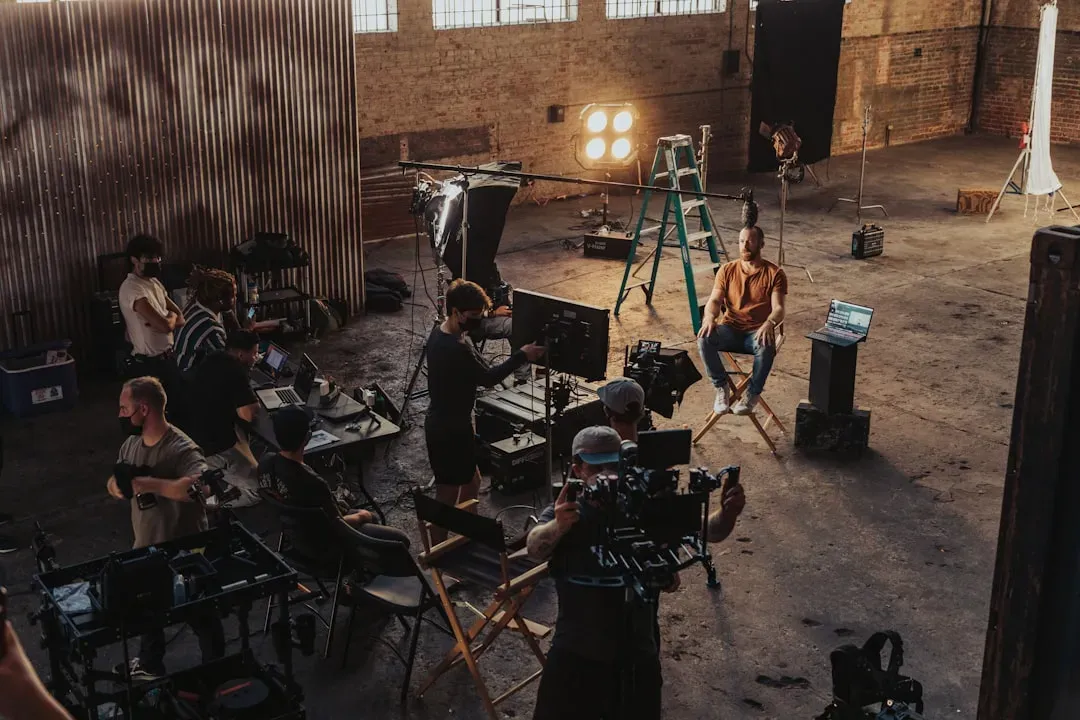
The “safety take” is a concept so embedded in directing culture that it has become reflexive, something many veteran directors call for even when they already know they have what they need. Most directors like to have at least two good takes of a scene before they move on. Once the director is satisfied they have a good take and a good backup take, they may ask the actors to play out the scene once more. This request will become an alternative choice in post production. The logic was sound in a film environment, where a negative could be scratched, a print could be damaged, and losing a take in the lab meant losing it permanently.
In a digital workflow, the safety take still has some practical value, but the existential anxiety behind it has largely evaporated. First cuts are painful for a director because of the months involved, and then they see the film assembled for the first time and sometimes think it’s terrible. Veterans who reflexively call for one more, not because the performance needed improvement but simply because it feels wrong to leave without a backup, are carrying the anxiety of an older production reality into a new one. It’s a small, telling habit. It says: I’ve been burned before, and I won’t let it happen again.
“Action!” – Shouted Like a Command, Never Softened

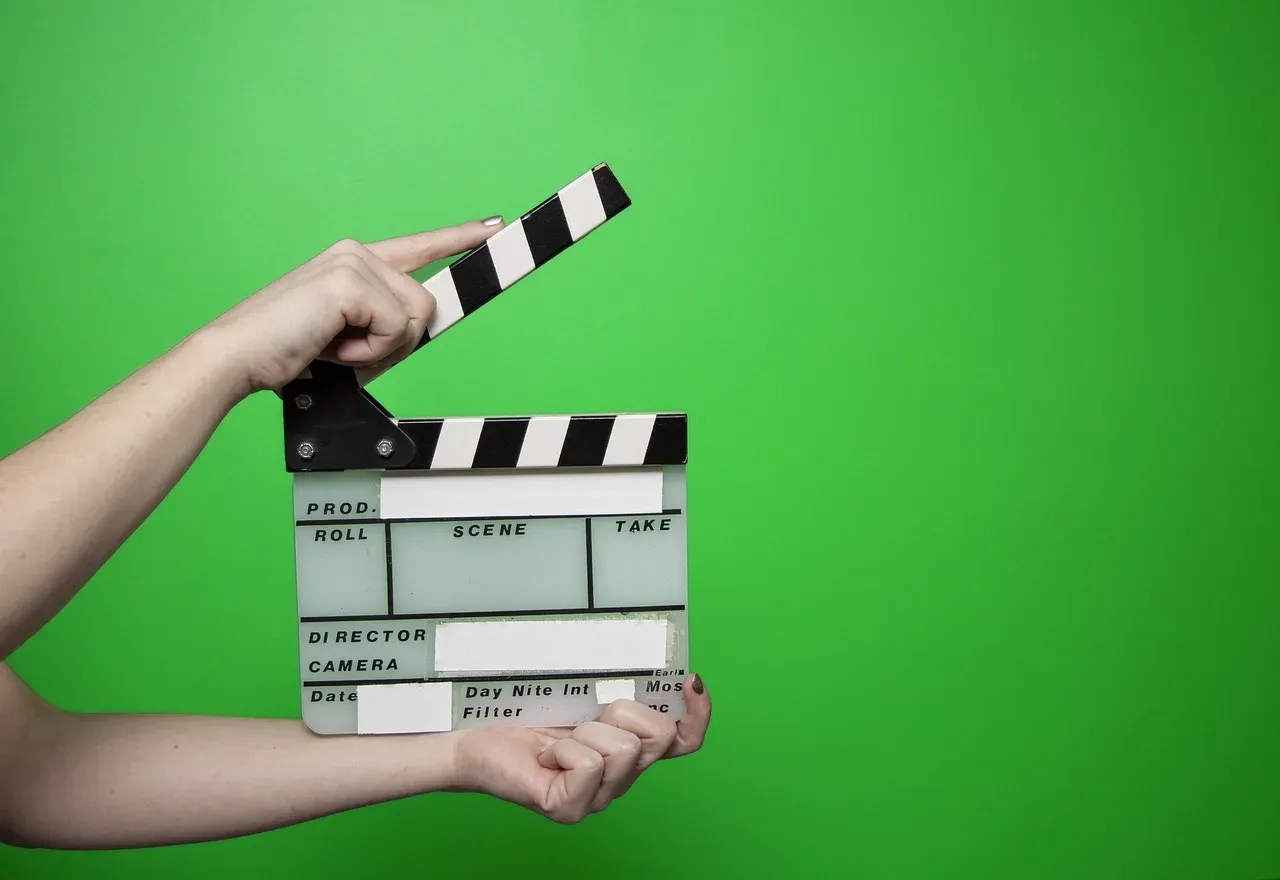
How a director calls “action” is perhaps the single most revealing verbal tic of all. The sharp, loud, almost military bark of the word is the default most people picture. “Action” and “Cut” are the classic industry standard words to use to start and end a scene, and because of that, most directors do actually say these. The tradition of calling action loudly is genuinely old. One day, director D.W. Griffith got quite upset about how slowly things moved from one setup to another. He was short on time, and in that frustration, he shortened a regular exchange of confirmation sentences and just screamed out “Lights!” to get the electricians moving, “Camera!” to get the cameraman cranking, and finally “Action!”
The interesting thing is how sharply this divides directors by generation and philosophy. Clint Eastwood, famously, doesn’t use “action” at all. In his mind, using loud and abrupt commands can be distracting to actors. For his films, he prefers using simple commands in a low tone of voice. The directors who still deliver a full-throated, authoritative “action!” as if commanding troops are almost always those who came up under a studio or classical Hollywood model, where the director’s voice was a conductor’s baton and volume was authority. It’s a stylistic tell that speaks not just to how they run a set, but to the entire directorial culture that shaped them.
Language is a kind of autobiography. The phrases a director reaches for without thinking are the ones that were drilled in during their formative years, the productions that formed their instincts, the sets where they first learned what a film shoot actually felt like. None of these one-liners are wrong. Some of them are still genuinely useful. But each one carries a date stamp embedded somewhere in its DNA, and anyone who has spent real time around veteran filmmakers will recognize them the moment they’re spoken.