Most of us pull into a parking garage, grab a ticket, and head to wherever we’re going without giving the space a second thought. It feels routine. Ordinary. But here’s the thing – parking garages are quietly one of the most statistically risky public spaces you visit on a regular basis, and your instincts about a “sketchy” garage are often more accurate than you’d think.
The signs are usually right in front of you. You just have to know what you’re looking at. Let’s dive in.
Tell #1: The Lighting Is Dim, Broken, or Simply Not There

Walk into a garage and the first thing you should notice is the light – or the lack of it. Drivers and pedestrians need a certain amount of light to safely navigate parking facilities, especially at night or during adverse weather, and some garages simply lack lighting poles or have broken lighting systems altogether. That’s not just inconvenient. It’s genuinely dangerous.
Criminals prefer to operate when others cannot see them, and the chance of becoming a robbery victim dramatically increases in the dark. Indoor parking garages become particularly dangerous in these instances. Think of dim lighting as a welcome sign for the wrong kind of people.
Crime statistics show that more than 10% of all crimes occur in parking lots, including auto burglaries. Honestly, that number is higher than most people expect. Poorly lit parking facilities are less safe for traffic and can increase the risk of physical assault, and the National Fire Protection Association along with the International Building Code both set specific garage lighting standards – standards that some facilities simply ignore.
Tell #2: There Are No Visible Security Cameras – or the Ones You See Look Broken
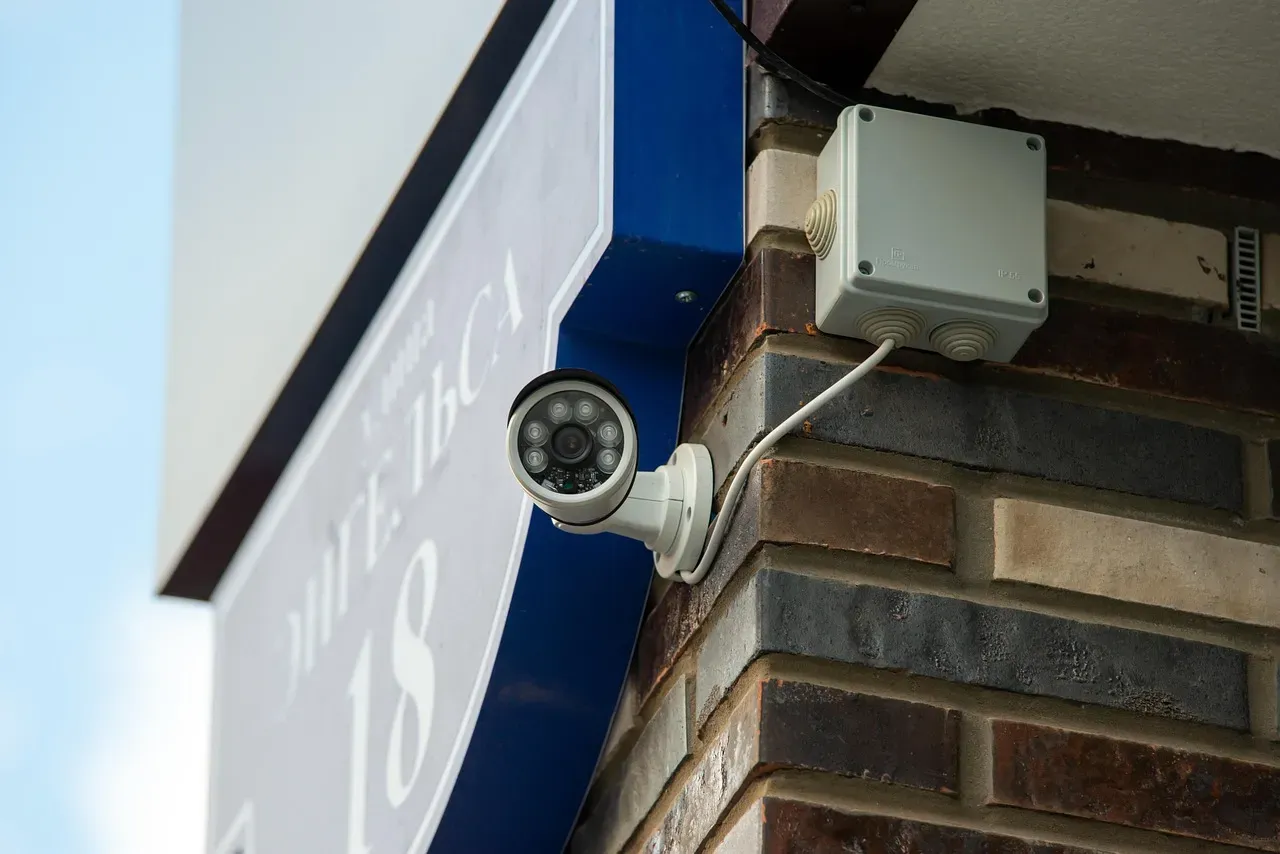
Cameras matter more than people realize. One of the biggest reasons why parking lots have cameras is deterrence. Just seeing a visible camera is often enough to stop someone from breaking into a car or vandalizing property, and studies have shown that crime in parking areas can drop by nearly half when surveillance is clearly in place. So when you walk in and can’t spot a single camera, that tells you something important.
While different parking garages can have varying security systems, the presence of cameras doesn’t necessarily mean they are operational, pointing in the right direction, or have sufficient lighting to record clear footage. A broken camera shell mounted on a wall is essentially just decoration.
Parking garages are vulnerable to various security threats, and poor visibility with inadequate surveillance allows crimes to go unnoticed. Unsecured entry points only make it easier for unauthorized individuals to access the facility. If the camera coverage looks spotty or neglected, take that as your cue to keep moving.
Tell #3: Graffiti, Vandalism, and Visible Neglect Throughout

Graffiti on the walls might seem like a cosmetic issue. It really isn’t. Parking lots are susceptible to vandalism ranging from graffiti to more extensive property damage, and these acts contribute to a sense of disorder and insecurity within parking facilities. Disorder, as it turns out, breeds more disorder. It’s the broken-window effect in action.
Acts of vandalism at parking lots are often wholly random crimes that create immense cost and inconvenience, not to mention the irreparable damage they do to the reputation of a parking facility. A facility that tolerates graffiti is almost certainly neglecting other things too – lighting, surveillance, emergency equipment.
In parking areas, appearances can matter just as much as physical security solutions, and garages associated with businesses can risk losing patrons if people sense the area is unsafe and feel the organization isn’t bothering to address it. If the walls are tagged and the floors are filthy, the message from management is loud and clear. They’re not paying attention.
Tell #4: The Layout Has Major Blind Spots and No Clear Signage
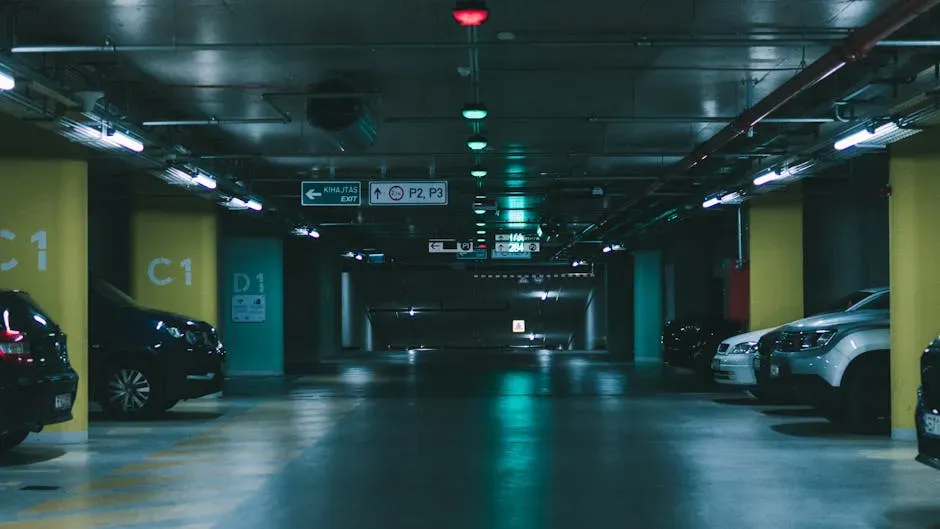
Here’s something that doesn’t get talked about enough. The actual design of a garage can make it dangerous long before a single crime occurs. Parking lot layouts often provide opportunities for criminal activity, with dark stairwells, high walls, structural columns, and multiple levels offering hiding places that criminals can take advantage of. A maze-like garage with poor sightlines is basically a gift to anyone looking to operate out of sight.
Lack of signage – such as absent stop signs or crosswalks – creates confusion and raises the risk of vehicle-pedestrian collisions. The U.S. Department of Transportation has specifically highlighted that poor signage and confusing layouts in parking facilities increase the likelihood of minor collisions and driver error. That confusion doesn’t just damage fenders – it creates physical blind spots that compromise your personal safety too.
Instead of leaving concrete walls their original color, painting walls brighter colors and improving signage can help drivers and visitors more easily navigate through a space and remember where they parked. When a facility has made none of those efforts, and you find yourself confused about exits, ramps, and pedestrian crossings, trust that feeling and find somewhere better.
Tell #5: The Facility Feels Isolated, Unstaffed, and Completely Empty
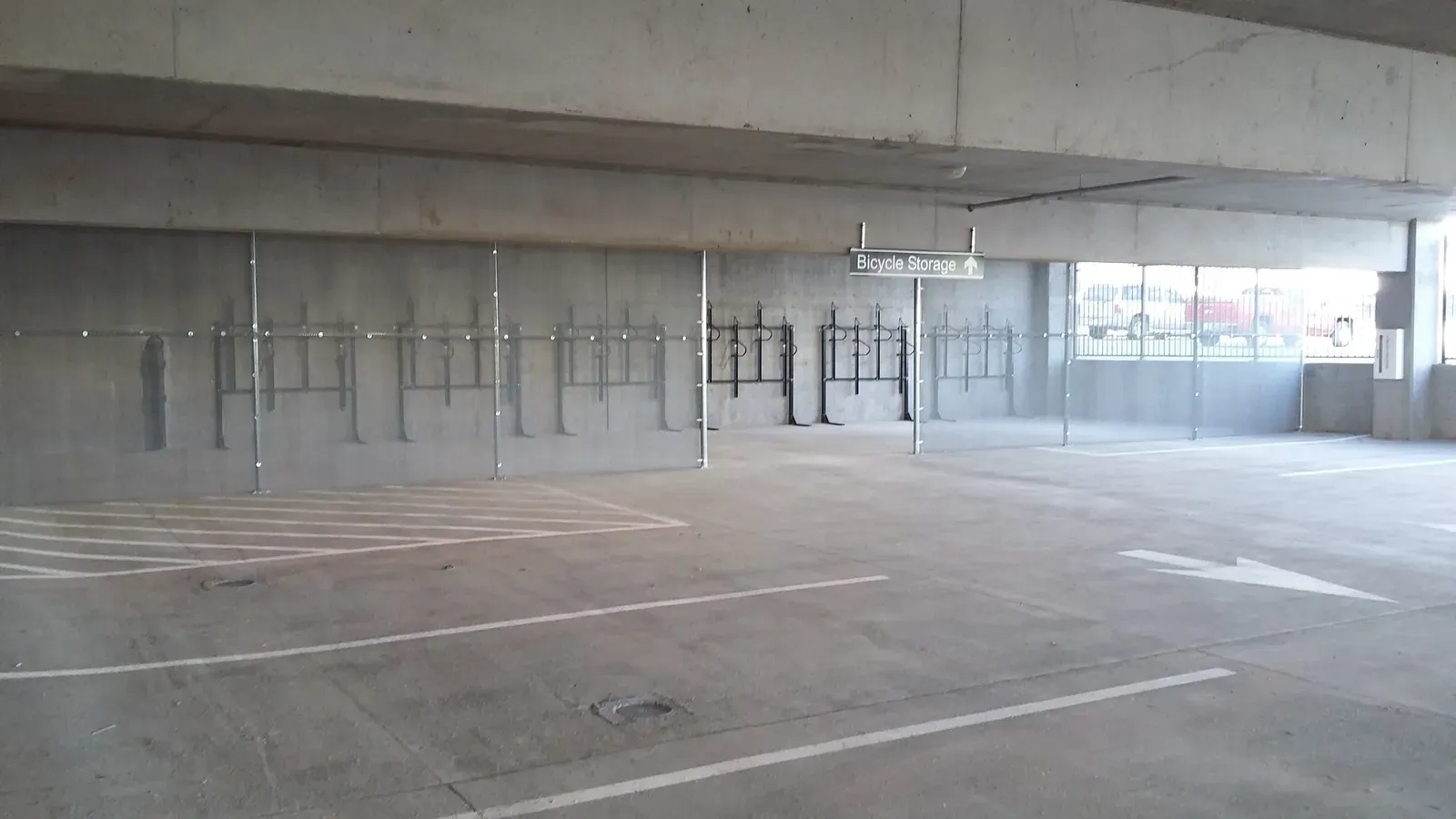
Let’s be real – the eeriest parking garages are the ones that feel completely abandoned. A failure to conduct a security assessment can exacerbate incidents or increase their probability, and parking facilities tend to be lightly populated at any given time, which means they lack potential witnesses to a crime. Fewer eyes around means fewer deterrents.
Beyond property crimes, personal safety becomes a significant concern in unsecured garages. Individuals walking to and from their vehicles – especially late at night or in isolated areas – are at higher risk of assault, harassment, or worse. That’s not an exaggeration. During the past five years, parking environments ranked third highest in locations where violent offenses occurred according to the FBI’s Crime Data Explorer, accounting for nearly 240,000 incidents between 2019 and 2024.
More garages are moving away from staffing parking properties entirely, and for garages still operating in cash, these sites become tempting targets for opportunistic thieves. Instead of keeping staff and cash on site, some operators have opted for pay-by-plate or other digital systems. A totally unstaffed, eerily quiet garage with no intercom, no emergency call boxes, and no sign of human presence is the combination you want to avoid most. According to the National Safety Council, over 50,000 crashes occur in parking lots and garage structures every year – and the quietest, most overlooked facilities are where too many of those incidents happen.
Conclusion

Most of the time, a parking garage is just a parking garage. Nothing happens. But the five signs above are real, documented, and consistently tied to higher rates of crime, injury, and general risk. They’re not hard to spot once you know what you’re looking for.
The good news is that your gut instinct is usually right. If something feels off the moment you drive in – the flickering lights, the spray paint, the total silence – that feeling exists for a reason. Trust it, reverse out, and find somewhere better. Your car, and more importantly you, are worth the extra five minutes.
What would you have done differently the last time you parked somewhere that felt unsafe? Tell us in the comments.