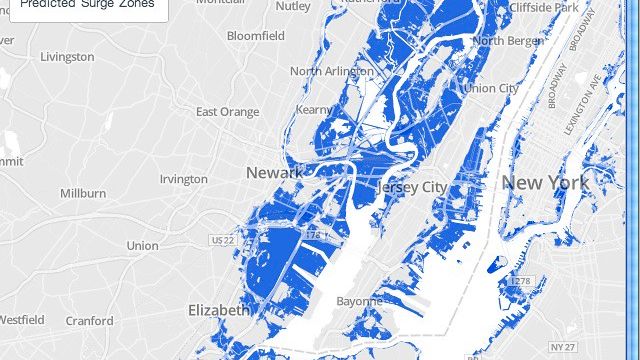
Las Vegas has a reputation for dry heat and sunshine, and most people assume flooding is someone else’s problem. That assumption can be costly. While the city receives only about four to five inches of rainfall annually, much of it falls during intense summer monsoon storms, and desert soil doesn’t absorb water well. The result is rapid runoff that can overwhelm drainage systems and create dangerous flash floods, especially near washes and low-lying areas. The region’s rapid urban development has created an environment where water runoff accumulates quickly, causing significant damage to infrastructure and posing real risks to homeowners. If you’re buying a home in the Las Vegas Valley, understanding flood zone red flags before you sign anything is not optional. It’s essential.
Red Flag #1: The Property Sits in a FEMA Special Flood Hazard Area

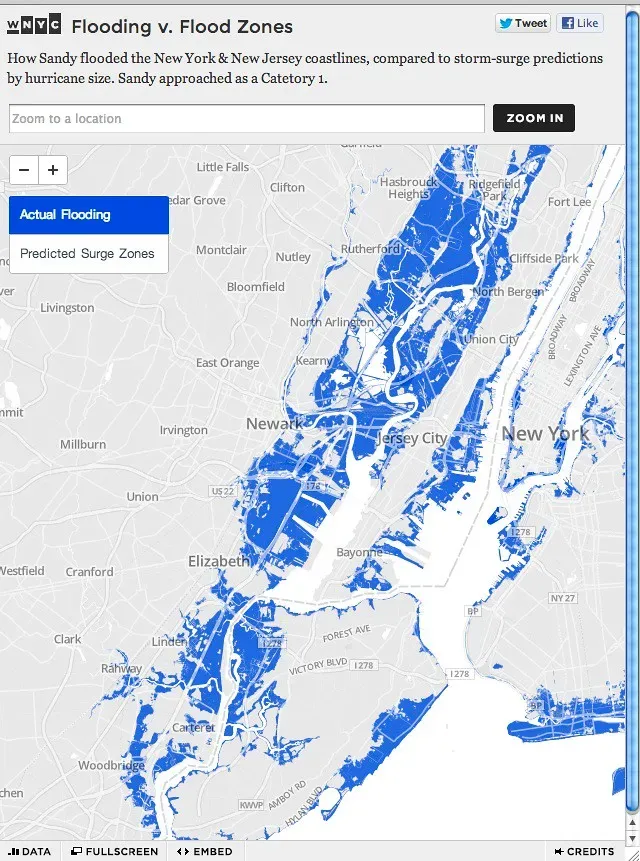
One of the first things to confirm before making an offer on any Las Vegas property is its FEMA flood zone designation. The most common flood zones in Las Vegas include Zone AE, Zone AO, and Zone X, and properties in high-risk zones, known as Special Flood Hazard Areas, may require flood insurance if the home carries a federally regulated or government-backed mortgage.
Zone AE and AH designate high-risk areas within the 100-year floodplain, and if you have a federally backed mortgage, flood insurance is required. This insurance is in addition to your standard homeowner’s policy and typically runs anywhere from $500 to over $3,000 annually depending on the property and coverage level.
Even properties in Zone X, which carries minimal flood risk, are worth insuring, since roughly one quarter of all National Flood Insurance Program claims actually come from Zone X properties. Many buyers discover their property’s flood zone designation only at closing, which is far too late to adjust their budget or negotiate terms. You can verify a property’s flood zone status through the FEMA Flood Map Service Center, Clark County GIS mapping tools, or by asking your title company to include a flood zone determination in your title report.
Red Flag #2: The Home Is Near a Dry Wash or Drainage Channel

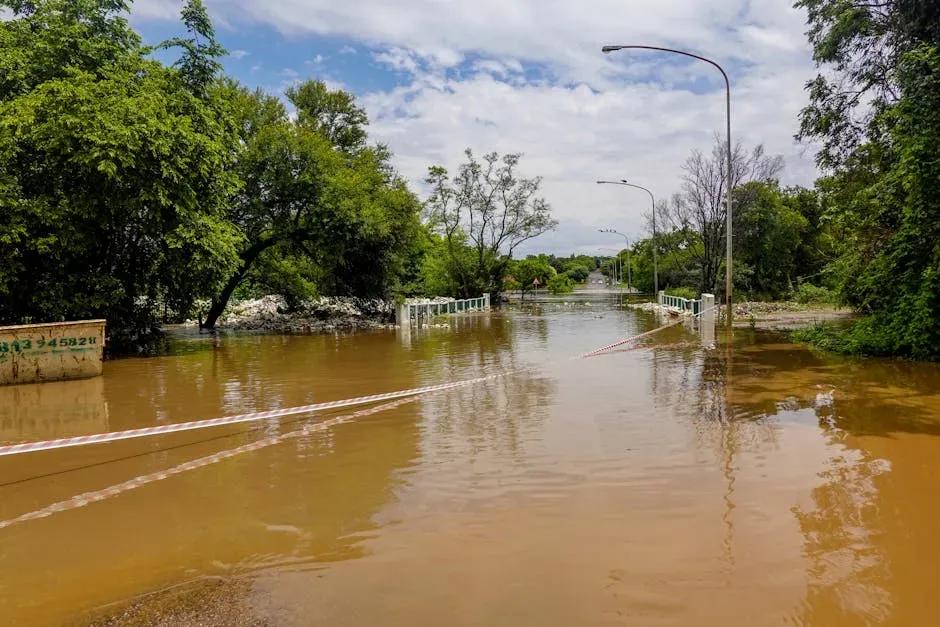
High-risk areas in Las Vegas include properties near washes and flood control channels, low-lying neighborhoods with poor drainage, areas near mountain ranges where runoff creates flash flood risk, and certain sections of master-planned communities. A dry wash that looks completely harmless during a sunny summer afternoon can fill with rushing water within minutes when a monsoon storm rolls in from the south.
Flash flooding in the Las Vegas Valley is common from July through September, during the local monsoon season. The 1999 Las Vegas flood stands as a stark example of what’s possible. Floodwaters damaged 353 homes and caused over $20 million in public property damage, making it the most destructive flood in Las Vegas history.
One of the hardest-hit areas was a mobile home park along Boulder Highway, near the Flamingo Wash, where walls were eroded by floodwaters, several mobile homes fell into the wash, and of 540 trailers in the park, two dozen were declared uninhabitable. When looking at any home near a wash, look at aerial maps during different seasons and ask specifically about the wash’s flood history. The listing agent’s silence on the subject is itself a red flag.
Red Flag #3: Visible or Concealed Signs of Prior Flood Damage Inside the Home

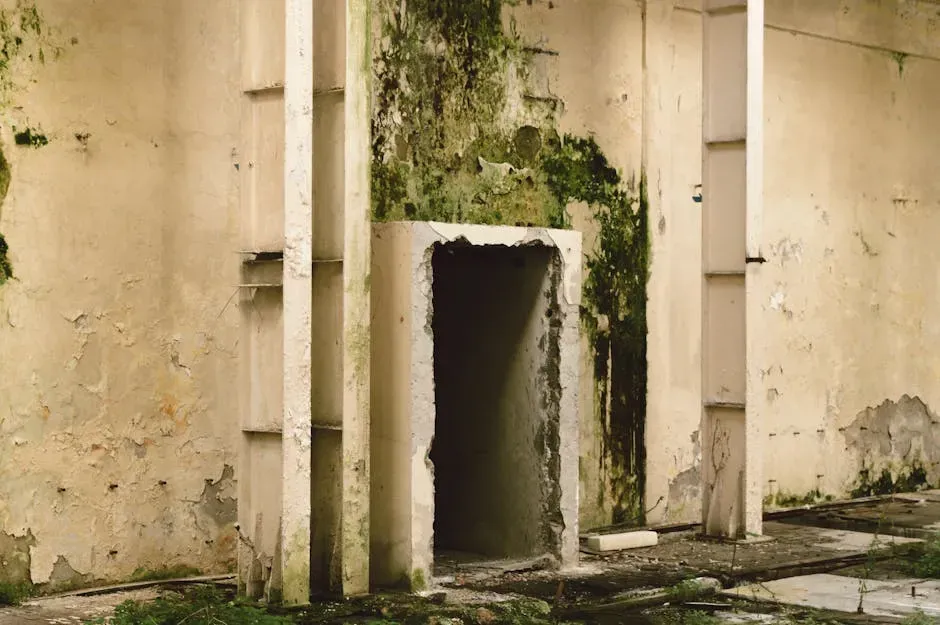
Flood damage is not always something a seller will disclose, and in some cases, it may not even be something they’re fully aware of. After flooding, moisture can seep into walls, floors, and ceilings, creating the perfect environment for mold to thrive, and mold can begin growing within 24 to 48 hours of water exposure. Left unchecked, mold growth can cause respiratory issues, trigger allergies, and lead to expensive repairs.
During any property walkthrough, pay close attention to the details that cosmetic staging tends to hide. Yellow or brown stains on walls and ceilings often signal prolonged exposure to moisture, while black or green patches typically indicate active mold growth. Bubbled or peeling paint can suggest underlying moisture damage, and warped or discolored wood surfaces may be harboring mold inside the material itself.
Even if standing water has long since receded, moisture can remain trapped inside building materials and lead to gradual deterioration. A professional moisture check ensures a home is truly dry and prevents long-term structural damage. Don’t rely on the general home inspection alone. Hidden mold behind walls can be detected using professional tools such as moisture meters, infrared cameras, and air samplers, and a professional mold inspection remains the most reliable way to confirm hidden mold before purchase.
Partner offer

Red Flag #4: Poor Property Grading and Drainage Around the Foundation

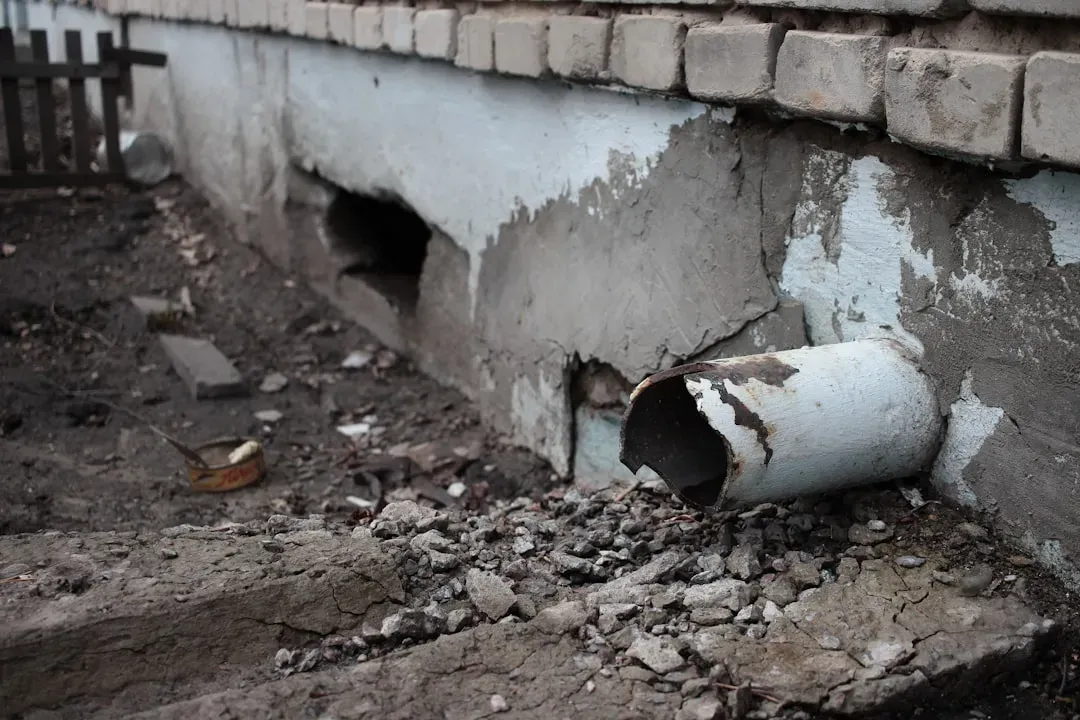
Grading problems are one of the most overlooked issues in Las Vegas flood zone purchases, partly because they’re easy to miss during a dry visit. Pools of water near the home’s foundation indicate that the yard isn’t draining away properly, which can lead to moisture building up in the lower quarters of the house. In desert terrain, this problem can go unnoticed for years until the first serious storm arrives.
Las Vegas experiences persistent drought conditions that cause the soil to dry up and harden. This hardening makes the soil less porous and therefore less able to absorb rainfall. When rain finally comes and runoff has nowhere to drain, a poorly graded lot directs water straight toward the foundation. Over time, this causes cracking, settling, and in serious cases, structural compromise.
Water damage can affect the foundation and exterior walls of a home, with small or large cracks in the foundation indicating water infiltration and potential structural issues. A white powdery substance on exterior walls or the foundation may indicate that water has seeped through the masonry. Walk the perimeter of any home you’re considering and observe how the ground slopes. Look at the foundation and siding for any pooling water or signs of water intrusion, and make sure gutters and downspouts are clear, since blockages can lead to water accumulation near the home’s structure.
Red Flag #5: No Elevation Certificate and an Unclear Insurance History

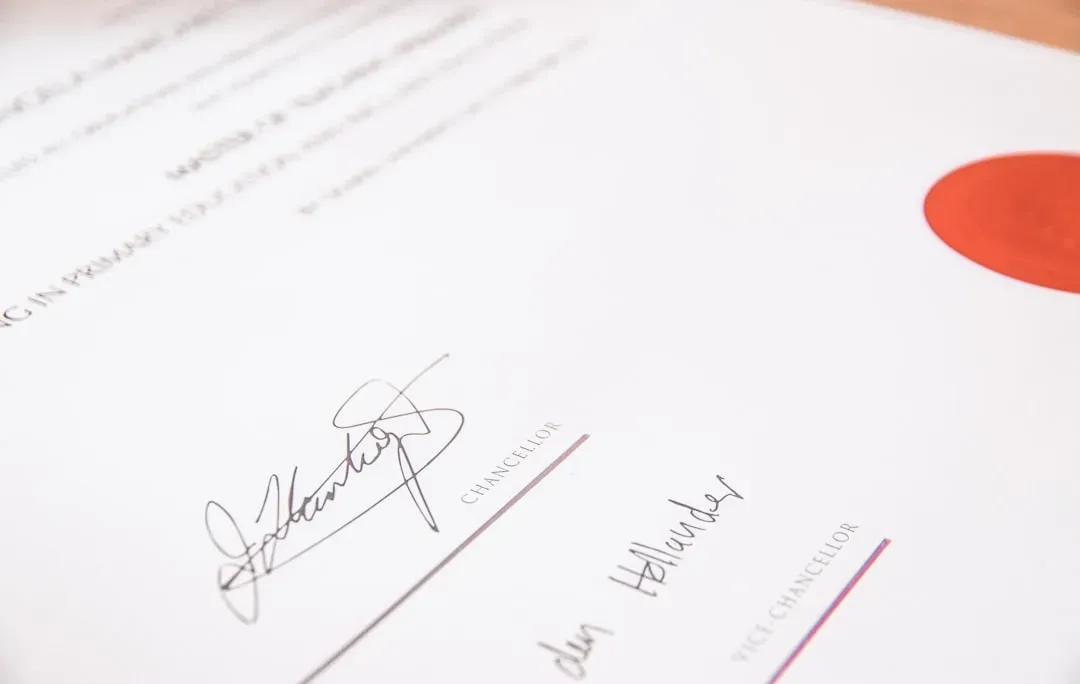
An elevation certificate is one of the most important documents a buyer can request when purchasing in a Las Vegas flood zone, yet many listings don’t mention it at all. The certificate documents a home’s elevation relative to the base flood elevation established by FEMA, and it plays a direct role in determining flood insurance costs. Homes elevated above the base flood elevation generally qualify for significantly lower premiums, while homes sitting at or below it face steep annual costs.
The elevation certificate is an administrative tool used by the National Flood Insurance Program to provide elevation information necessary to ensure compliance with floodplain management ordinances and to determine the proper insurance premium rate. Without one, you’re essentially buying blind on one of the most consequential financial variables tied to the property.
Equally important is understanding the home’s insurance and claims history. Properties that have filed previous flood claims may carry significantly higher premiums going forward, and some insurers may be reluctant to offer coverage at all. There is typically a 30-day waiting period for an NFIP policy to go into effect, unless the coverage is mandated and purchased as required by a government-backed lender or is related to a community flood map change. This means that if you close on a home without mandatory flood insurance in place, any storm that hits in the first 30 days leaves you fully exposed. Standard homeowners insurance does not provide coverage for damages to structures or belongings resulting from floods. Request a flood claims history, ask for the elevation certificate, and get an insurance quote before you finalize your offer, not after.
What Buyers Should Do Before Closing on a Flood Zone Property
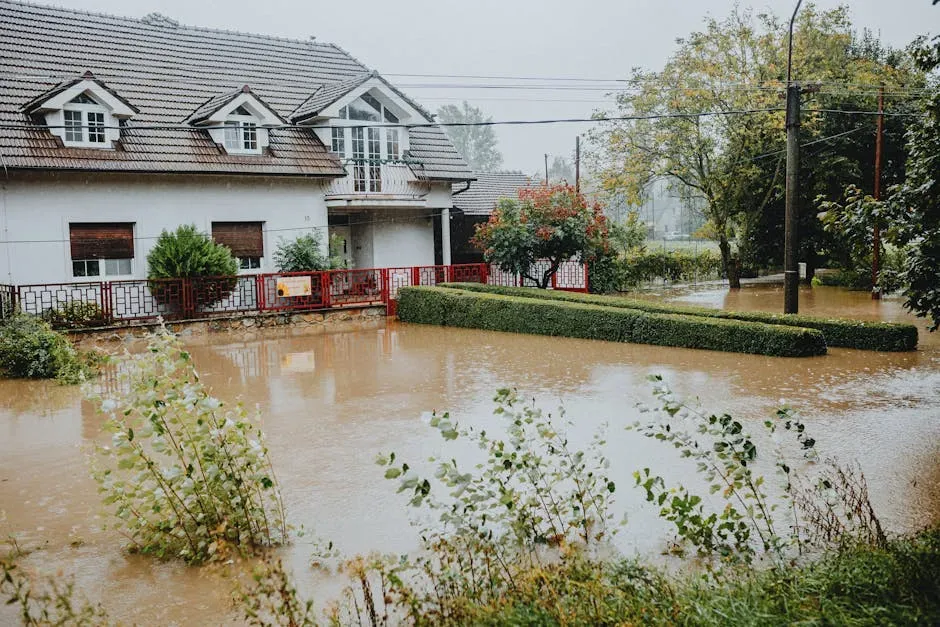
Buying in a Las Vegas flood zone isn’t automatically a bad decision. Plenty of well-built, properly elevated homes exist in areas with some flood designation, and many buyers navigate the process successfully with the right preparation. The risk is in going in uninformed. Most Las Vegas homes sit in minimal flood risk zones, but always verifying before purchasing is essential, since flood insurance requirements can add significant ongoing costs.
Ask your real estate agent to pull the FEMA flood zone designation early, well before you get emotionally attached to a property. Some municipalities, such as the City of North Las Vegas, participate in FEMA’s Community Rating System, which provides incentives for communities to exceed minimum floodplain management requirements, resulting in premium discounts for homeowners. Knowing your community’s rating can help you anticipate insurance costs more accurately.
Commission an independent home inspection that specifically includes flood-related assessments, and consider hiring a licensed engineer if grading or foundation concerns come up during the walkthrough. FEMA’s ongoing Flood Insurance Rate Map updates and Letters of Map Revision are moving many properties into Special Flood Hazard Areas for the first time, and if a home was newly mapped into a high-risk zone, lenders will typically require flood insurance to meet the federal Mandatory Purchase Requirement. Staying ahead of those map changes is something a knowledgeable local agent or title company can help with, but it’s ultimately the buyer’s responsibility to ask the right questions.
Buying a home in Las Vegas carries plenty of the same complexities as any other market, but the flood zone variable adds a layer that genuinely demands attention. The desert backdrop makes it easy to underestimate water risk, yet the history of the valley tells a different story. A little due diligence before you sign can mean the difference between a sound investment and a very expensive lesson learned during monsoon season.Partner offer
Planning a trip to Vegas?
Compare hotel rates and show tickets on VEGAS.com.