Multi-camera comedies with live audiences were still a TV staple in the 2000s, even as single-camera shows gained ground. The format puts real laughter in the room and pushes writers to punch up jokes during rehearsals. Five series from that decade show how varied the approach could be.
Each one used an audience in its own way, from a packed Burbank soundstage to a smaller set built around a single apartment. Here are five worth knowing.
Everybody Loves Raymond

This CBS comedy starred Ray Romano as a sportswriter living near his overbearing parents on Long Island. It ran from 1996 to 2005, so a good portion of its run sits squarely in the 2000s. It was shot as a multi-camera sitcom before a studio audience, which suited its dialogue-heavy, family-argument style.
The show won multiple Emmys, including Outstanding Comedy Series in 2003. Its steady, kitchen-table humor made it one of the decade’s most reliable network comedies. It also proved that a simple setup could carry nine seasons.
Friends
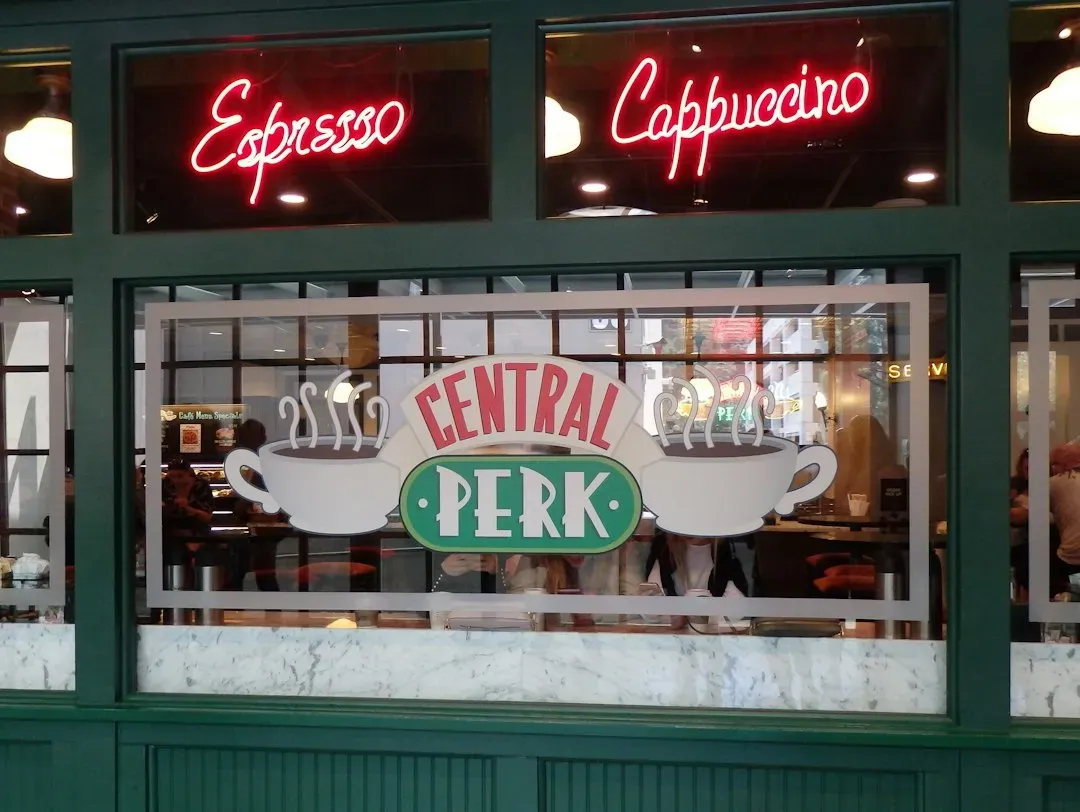
Friends began in 1994 and wrapped in 2004, which means its last five seasons ran in the 2000s. Episodes were filmed on a Warner Bros. soundstage in front of a live audience, and the cast has often described how that energy shaped their timing. Scenes sometimes ran long because the audience laughed so much that lines had to be repeated.
The 2000s stretch included the Ross and Rachel arc, the wedding of Monica and Chandler, and a finale watched by tens of millions of viewers. It remains a clear example of how a live crowd could turn an ensemble comedy into a cultural fixture.
Will and Grace
NBC’s Will and Grace followed a gay lawyer and his straight best friend in New York, along with their eccentric pals Jack and Karen. The original run lasted from 1998 to 2006, and it was filmed before a studio audience throughout. Fast, quippy writing made the live format a natural fit.
The series earned Emmy recognition for its cast and for the series itself. It was also widely discussed for bringing gay characters into mainstream prime time. The show later returned for a revival, though its original 2000s seasons are the ones that defined it.
Two and a Half Men

Premiering on CBS in 2003, this comedy centered on a hedonistic jingle writer, his uptight brother, and his young nephew. It was a classic multi-camera production, taped before a live audience on a Warner Bros. lot. Broad jokes and quick setups were built for the room’s reaction.
It became one of the most watched comedies on American television during the second half of the decade. It ran for twelve seasons in total, ending in 2015. Its 2000s years were its strongest ratings stretch.
The Big Bang Theory
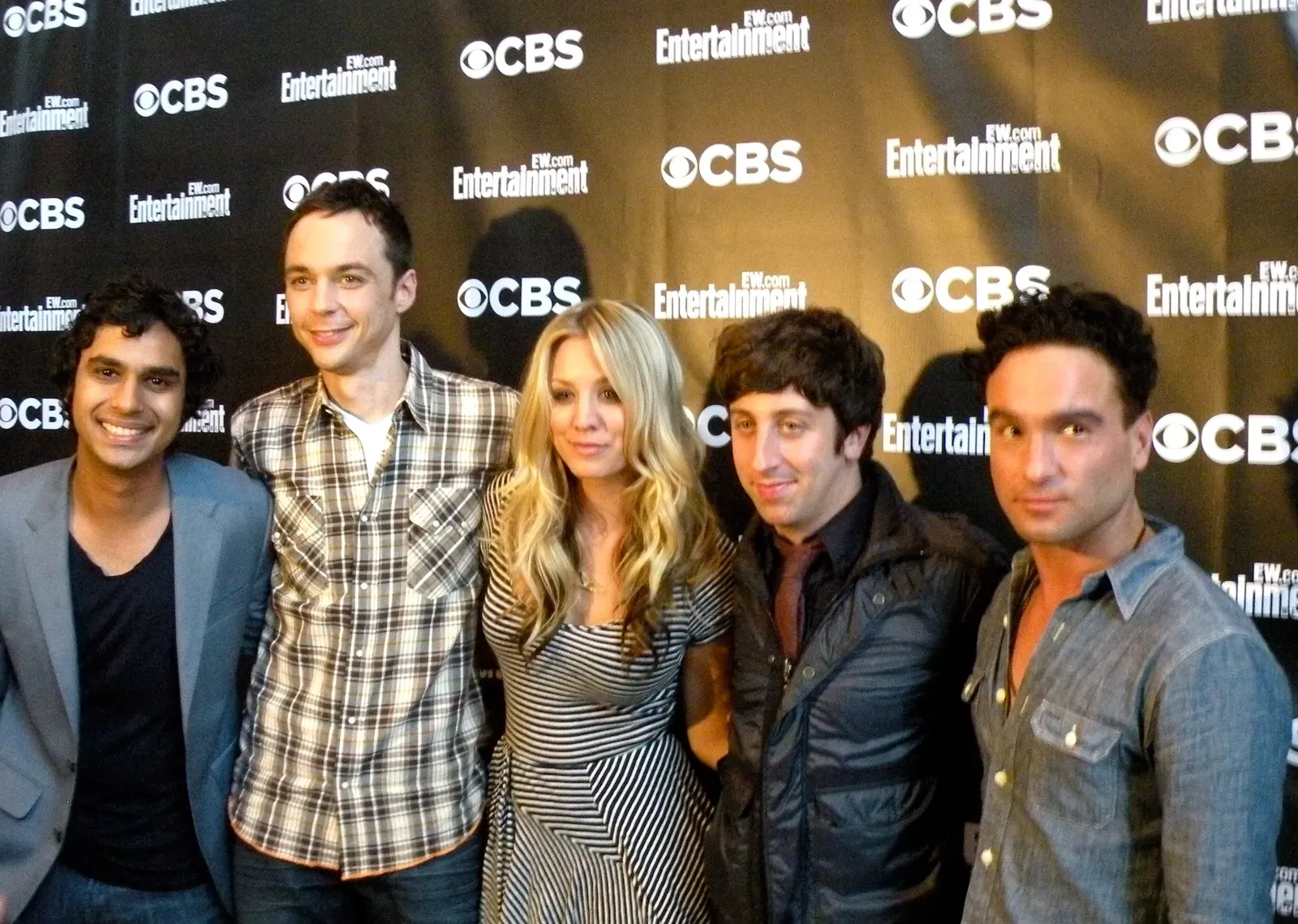
The Big Bang Theory debuted on CBS in 2007, following a group of physicists and engineers and the waitress who lives across the hall. It was filmed with a live studio audience, and creators Chuck Lorre and Bill Prady built it in the traditional sitcom mold. Science references mixed with relationship comedy gave the live laughs a distinct flavor.
The first seasons were modest hits, but it grew into one of the biggest sitcoms on TV. It ran for twelve seasons, ending in 2019. Its 2007 start places it firmly among the decade’s live audience comedies.