Hitting a jackpot should feel like a natural stopping point. You won. The sensible move is to pocket the money and walk away. Yet for a striking number of players, that moment of triumph does exactly the opposite – it pulls them deeper in. The machine keeps spinning. The stakes go up. Time blurs.
Understanding why this happens isn’t just about gambling. It’s about how the human brain processes reward, risk, and the seductive fog of possibility. The answers come from behavioral psychology, neuroscience, and a growing body of real-world gambling data that paints a revealing picture of what a big win actually does to us.
The Dopamine Surge: Your Brain’s First Betrayal

When a win lands, the brain doesn’t just register pleasure – it floods with dopamine, the neurotransmitter most closely associated with reward and motivation. At the heart of gambling’s pull is the brain’s reward system, the same system involved in drug addiction and other compulsive behaviors. When someone places a bet and wins, the brain releases dopamine, a chemical that signals pleasure and reinforces behaviors that lead to rewards.
What makes this especially complicated is that dopamine is also released during situations where the reward is uncertain, and that release actually increases during the moments leading up to a potential reward. In other words, the anticipation of a win is almost as chemically potent as the win itself.
Studies have shown that dopamine release during gambling occurs in brain areas similar to those activated by taking drugs of abuse. Similar to drugs, repeated exposure to gambling and uncertainty produces lasting changes in the human brain, and these reward pathways become hypersensitive. A big win, rather than satisfying the brain, resets its appetite for more.
The House Money Effect: Spending What Doesn’t Feel Real
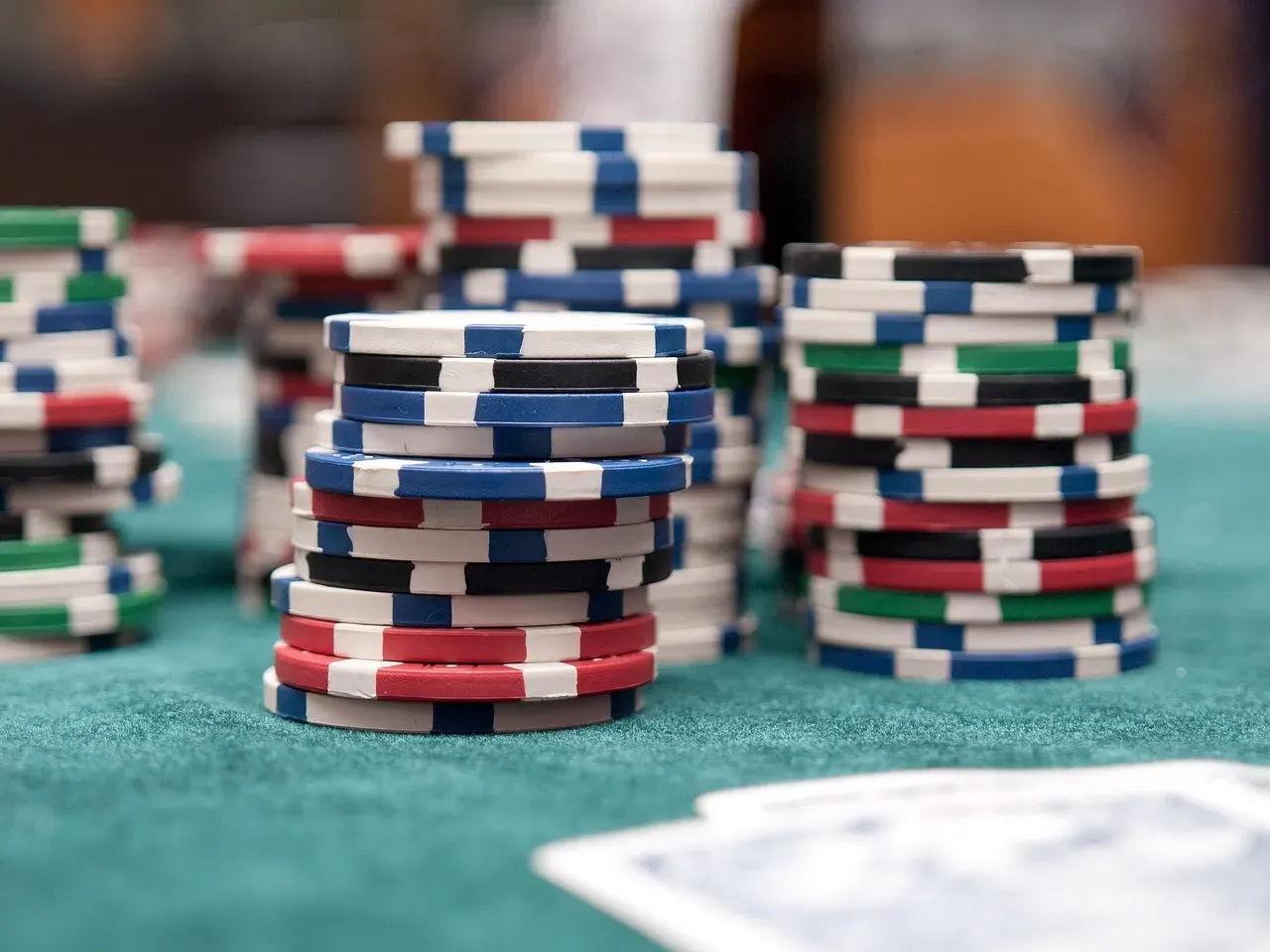
One of the most well-documented phenomena following a big win is what behavioral economists call the “house money effect.” A gambler might more freely gamble away a big win, believing it to be the house’s money they are risking rather than their own. Winnings are mentally placed in a separate category – funds that feel borrowed, not earned.
Risk-taking can be enhanced by a player’s perception of using funds that aren’t truly “theirs,” a dynamic consistent with the house money effect first described by Thaler and Johnson. The practical result is that players who just won a significant amount are more likely to bet higher and more recklessly than they would with money they’d brought from home.
This mental accounting quirk is surprisingly durable. Even sophisticated players fall into it. The win creates a psychological buffer – a cushion that feels free to burn – and the machine suddenly seems far less threatening than it actually is. Winning, in this sense, can be more dangerous than losing.
The Big Win Effect: How Early Success Shapes Long-Term Behavior

Big wins in gambling are associated with increased engagement, losses, and risk in the following weeks, with the impact declining over time. This pattern, observed across tens of thousands of real gamblers, tells us something important: a jackpot doesn’t just feel good in the moment – it rewires how a person behaves for weeks afterward.
Early successes can create a sense of optimism and reinforce gambling behavior, fueling cognitive biases that skew an individual’s perception of risk. For many, an initial big win establishes unrealistic gambling expectations, prompting behaviors like chasing losses and riskier betting. The brain essentially treats the win as evidence of skill or destiny, not chance.
The notion that a large win early in one’s gambling career will lead to future problem gambling – sometimes called the “big win effect” – describes an early winning phase where the individual who will later experience problem gambling begins with a significant stroke of luck. Eventually, winning comes to an end and shifts to a losing phase where the individual begins to lose control. The trajectory is gradual, and it often starts with a single memorable high.
Variable Reward Schedules: The Mechanism Behind the Machine

Slot machines are not random in a simple sense. They are engineered to deliver rewards on what psychologists call a variable ratio reinforcement schedule – one of the most effective behavioral hooks ever discovered. This type of intermittent reinforcement exploits a cognitive distortion that makes a player or gambler view each loss as one step closer to a win, and it can lead to very rapid adoption of a behavior that can then be hard to extinguish.
One of the most powerful psychological mechanisms behind gambling addiction is intermittent reinforcement. Unlike predictable rewards, gambling offers rewards at random intervals. This unpredictability makes the behavior incredibly compelling and hard to walk away from. The slot machine becomes less of a game and more of a behavioral trap, one that uses the same principle that makes social media scrolling so consuming.
The evidence that uncertainty itself appears to be a source of motivation is visible in the growing trend of pathological gambling that involves extended play at video poker or slot machines. Individuals are playing to play rather than to win, and monetary wins are conceived as the opportunity to extend the duration of play rather than the game’s main objective. That shift – from playing to win to playing to keep playing – is where casual gambling quietly becomes something more serious.
The Near-Miss Effect: Almost Winning Hurts More Than Losing
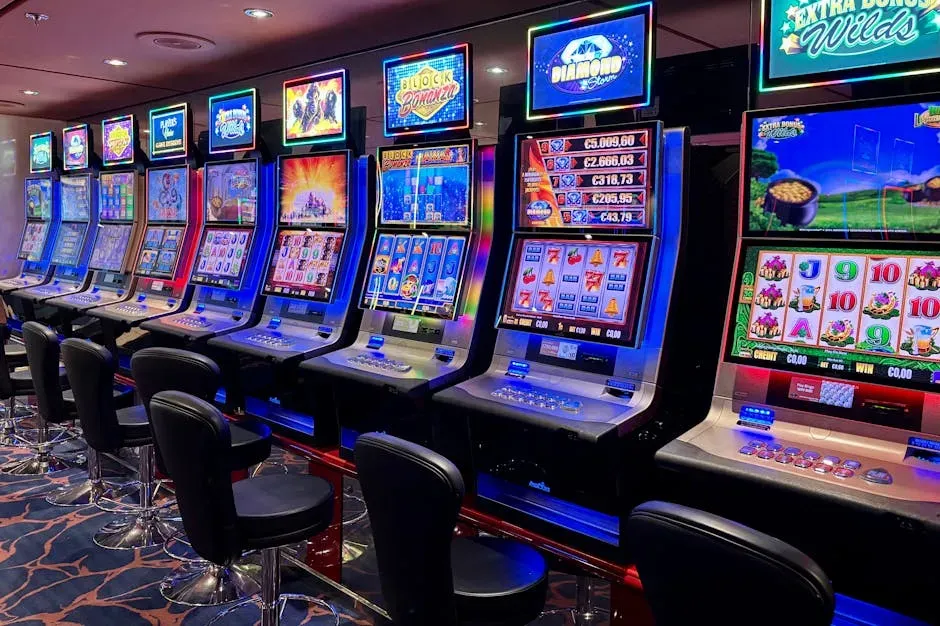
Walk past any bank of slot machines and you’ll hear the distinctive near-miss sounds: almost-wins that play celebratory tones even though nothing was actually gained. This isn’t an accident. The near-miss fallacy involves interpreting near-miss outcomes, such as getting two out of three symbols on a slot machine, as evidence that a player is close to winning. Near-miss outcomes activate reward circuits in the brain, producing a feeling of anticipation similar to an actual win, which reinforces the urge to continue gambling.
These near-miss almost-wins recruit areas of the brain that usually respond to wins, and increase one’s desire to play more, especially in problem gamblers. The cruel irony is that almost winning triggers a more substantial urge to play than even winning itself, and near-misses seem to be highly motivating, resulting in individuals playing longer than they intended.
The highly motivating nature of near misses increases player commitment to a game, making the average player stay at a game longer than they intended. The measure of the dopamine response to a near miss correlates closely with the severity of a gambling problem. The brain literally uses near misses as fuel to keep going. After a real win, a string of near misses can feel like confirmation that fortune is circling back.
The Gambler’s Fallacy: When Pattern Recognition Turns Against You
The gambler’s fallacy is a prevalent cognitive bias in betting behaviors, characterized by the mistaken belief that an independent and identically distributed random process exhibits negative serial correlation. This misconception often arises when individuals observe a series of realized outcomes from the process. Put simply: people believe past results shape future odds, even when they statistically don’t.
Partner offer
After a big win, the gambler’s fallacy tends to activate in interesting ways. Some players believe they’re “on a hot streak” and that more wins will follow. Others, operating on the inverse logic, believe their win means a long losing streak is coming and they need to keep playing to survive it. Research examining cognitive distortions during slot machine play found that the most common distortions were the gambler’s fallacy, illusion of control, and the near-miss effect. These biases weren’t confined to problem gamblers – they appeared in ordinary people too.
The gambler’s fallacy is a deep-seated cognitive bias and can be very hard to overcome. Educating individuals about the nature of randomness has not always proven effective in reducing or eliminating any manifestation of the fallacy. Knowing about the fallacy, in other words, doesn’t necessarily protect you from it. That’s what makes it so reliably powerful inside a casino.
Sensory Engineering: How the Casino Environment Keeps You Playing
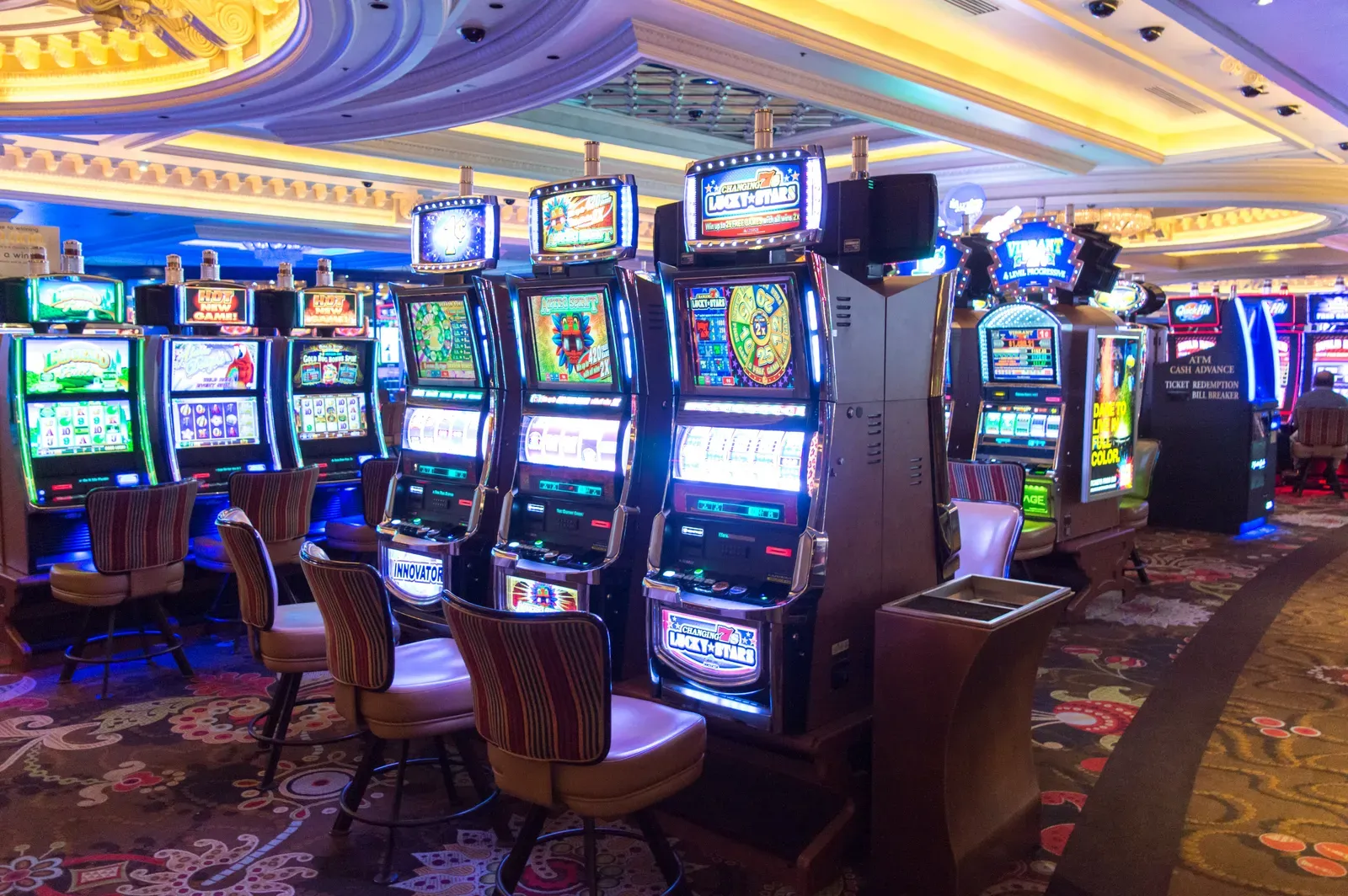
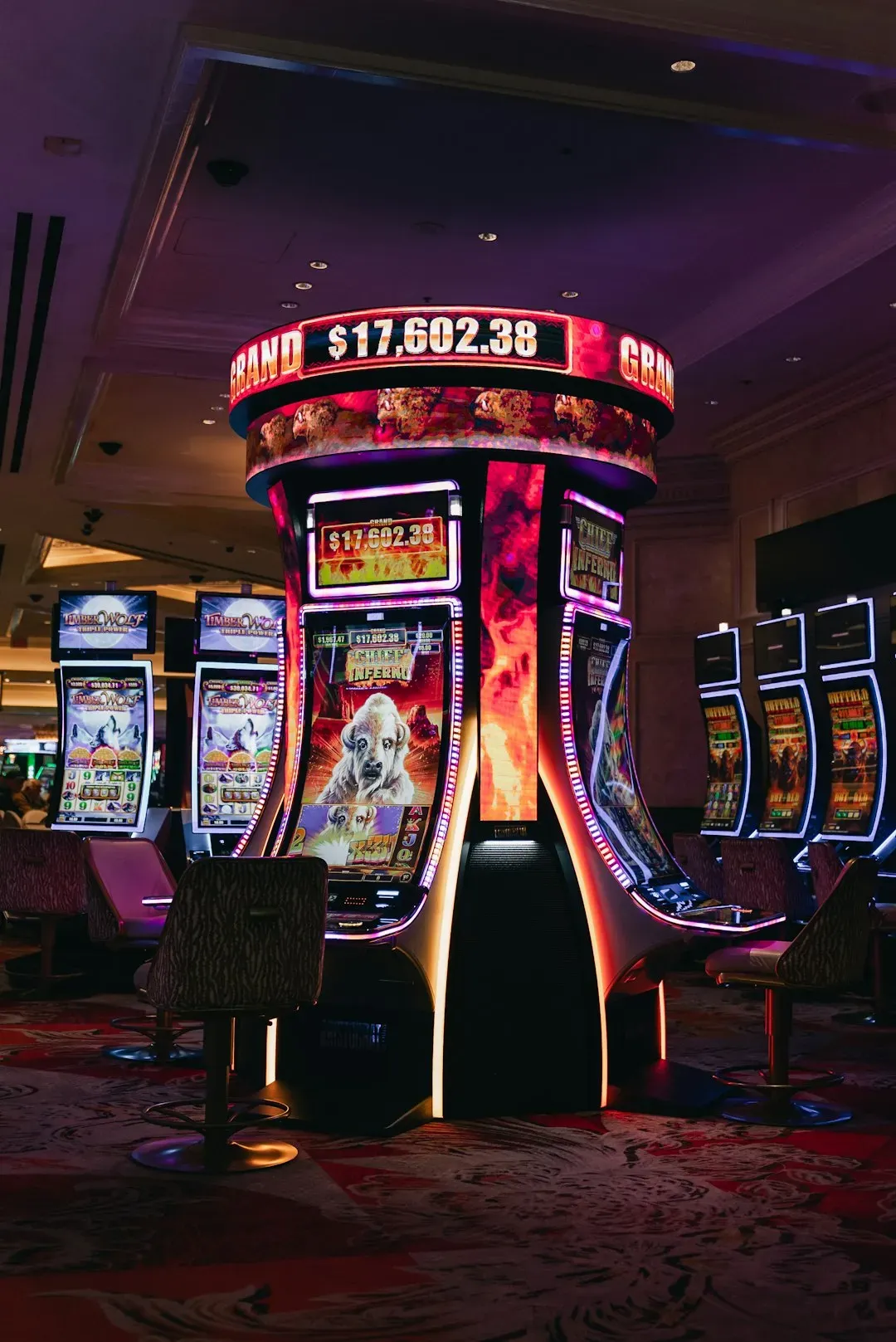
Casinos are not neutral spaces. Every design element – the lighting, the sound levels, the absence of clocks, the layout of machines – is deliberately calibrated to extend play. There are no clocks or windows on casino floors. This deliberate design choice removes temporal awareness, creating what researchers call the “machine zone” – a trance-like state where time, space, and social awareness fade away.
The sounds and lights of casino games are deliberately engineered to encourage gamblers to keep playing. Game designers know that gambling is more than just winning and losing – it’s an immersive experience made complete by an environment of flashing lights and striking sounds. After a big win, these cues become supercharged. The celebratory display is amplified, reinforcing the emotional memory of winning and making the next spin feel inevitable.
Research shows that bright lights and sounds become more attractive and trigger more urges to gamble when combined with reward uncertainty. The machine essentially teaches the player, through every sensory channel available, that this is a place where good things happen. A jackpot cements that lesson more powerfully than any number of ordinary sessions could.
Win-Chasing: The Paradox of Betting More After Winning

Common sense suggests that winning should reduce the urge to gamble further – you’ve already beaten the house, why press your luck? Research, however, tells a different story. After winning, both high- and low-involvement gamblers were less likely to stop and increased the stake amount, showing win-chasing rather than loss-chasing behavior. Winning doesn’t calm the impulse to gamble. It feeds it.
The availability heuristic suggests that meaningful amounts of winnings are more likely to stick in one’s head than modest ones, and the representative heuristic can lead a player to believe that big wins are common occurrences after experiencing one. Together, these biases stack up into a distorted picture of probability – one where the next jackpot seems closer and more likely than the math would ever support.
Players who have just won often find themselves raising their bets, rationalizing greater risks, and staying far longer than they planned. An early big win has a profound and lasting impact on gambling behavior, serving as powerful reinforcement that can set unrealistic expectations, activate cognitive biases, and distort risk perception. The thrill of an early big win, combined with cognitive biases like confirmation bias and the sunk cost fallacy, drives gamblers to chase losses and take on greater risks in pursuit of another significant payout.
The Machine Zone: When Gambling Becomes Automatic
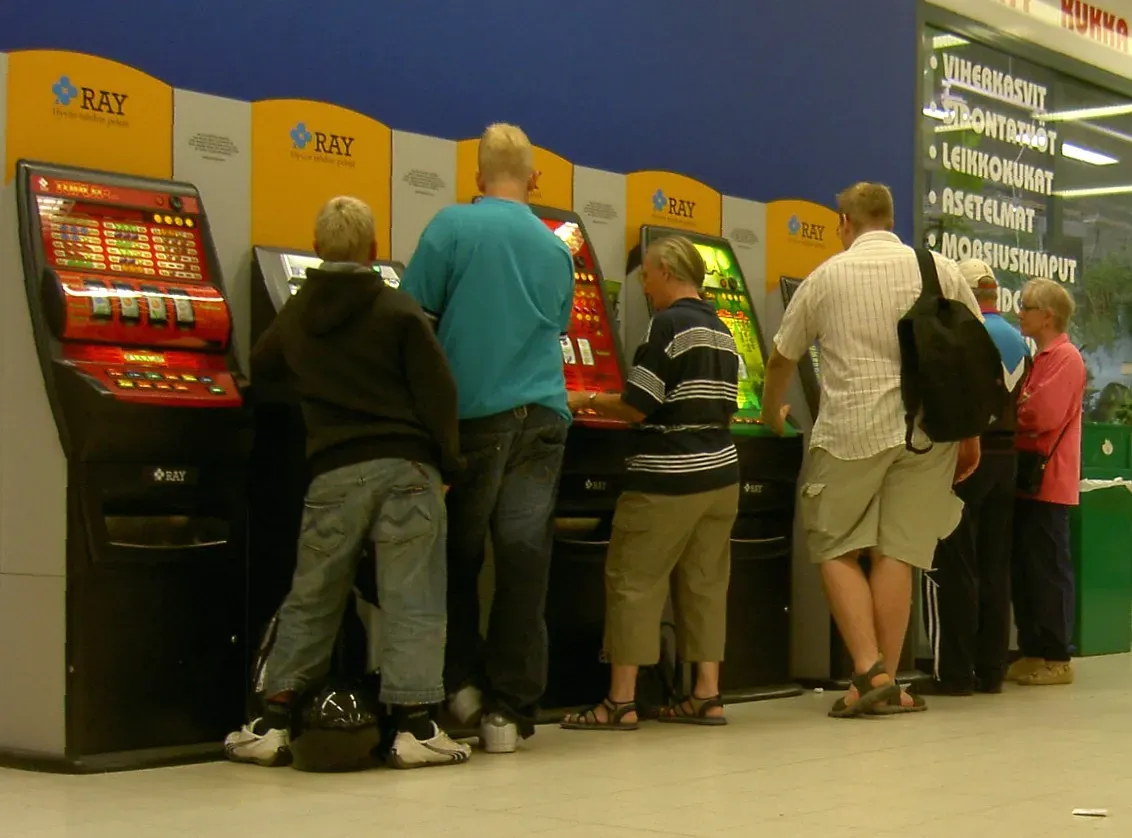
Perhaps the most unsettling aspect of post-win gambling is what researchers describe as the “machine zone” – a dissociative state where conscious decision-making is effectively sidelined. Many people with gambling addiction report being in a kind of trance during binges, where rational thinking is replaced by a tunnel vision focused on the next bet. After a big win, this state is easier to enter because the emotional high has already compromised normal cognitive regulation.
Repeated exposure to gambling and uncertainty can change how you respond to losing. In individuals with a gambling problem, losing money comes to trigger the rewarding release of dopamine almost to the same degree that winning does. As a result, losing sets off the urge to keep playing rather than the disappointment that might prompt someone to walk away – a phenomenon known as chasing losses.
A win creates a kind of certainty in the brain’s model of what is “possible,” causing future losses to be interpreted not as failure but as a temporary deviation from a now-believed trajectory. The player isn’t being irrational, exactly – they’re following a very human cognitive logic. It’s just one that happens to serve the house far better than themselves.
The Scale of the Problem: What the Numbers Tell Us
Global gambling revenue passed $643 billion in 2025, with projections pointing above $655 billion in 2026. Gambling statistics confirm that the US is the largest market. Slot machines remain among the most profitable elements within the broader industry, consistently generating the highest revenue share for casino operators.
The National Council on Problem Gambling estimates that about 2.5 million US adults experienced severe gambling problems in 2024, with an additional 5 to 8 million adults considered at risk due to moderate gambling-related harm. These numbers represent people caught in cycles that often began with a memorable early win – a moment that felt like luck but functioned more like a trigger.
Research shows that 67% of online slot players reported multiple problem behaviors. Despite rising awareness, fewer than one in five people with gambling problems receive formal treatment. The gap between the scale of the issue and the reach of support is substantial, and closing it requires understanding the psychology at play – including the role that a single winning session can have on shaping long-term behavior.
Conclusion: The Win Is the Beginning, Not the End
A jackpot is supposed to be the reward at the end of the story. In reality, for many players, it marks the opening of a much longer and more complicated chapter. Losses and big wins can both provoke different cognitive distortions, encouraging a person into further gambling behavior. The win doesn’t resolve the urge – it redefines it.
The combination of dopamine flooding the reward system, winnings feeling like “free money,” sensory environments engineered for immersion, and cognitive biases that misread randomness as pattern creates a remarkably effective trap. None of it requires bad intentions on the part of the player. It only requires a brain doing what brains naturally do – seeking reward, avoiding loss, and searching for patterns in an unpredictable world.
What makes casinos so effective, and what makes the psychology of the jackpot so worth understanding, is that the machine isn’t just a game. It’s a precisely calibrated feedback system designed to feel like possibility. Walking away after a big win isn’t the natural response. Knowing why it isn’t might be the first step toward being able to do it.
Partner offer
Planning a trip to Vegas?
Compare hotel rates and show tickets on VEGAS.com.