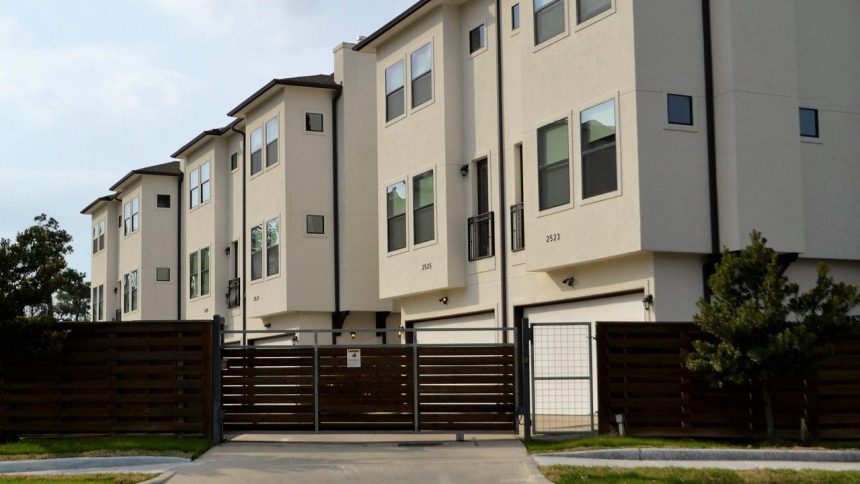
Privacy in Las Vegas carries a price tag, and that price varies a lot depending on which type of gate stands between you and the rest of the world. For many buyers moving to the valley, the difference between a standard gated community and a guard-gated one sounds simple on paper. In practice, it shapes your monthly budget, your lifestyle, your long-term property value, and even the way guests visit your home.
There are more gated and guard-gated neighborhoods in Las Vegas than in most other cities in the country. That density of options makes the comparison genuinely useful for anyone considering a purchase here. The choice isn’t just about security. It’s about how much you’re willing to spend, and what kind of daily experience you expect in return.
The Core Difference: Automated Gates vs. Human Eyes
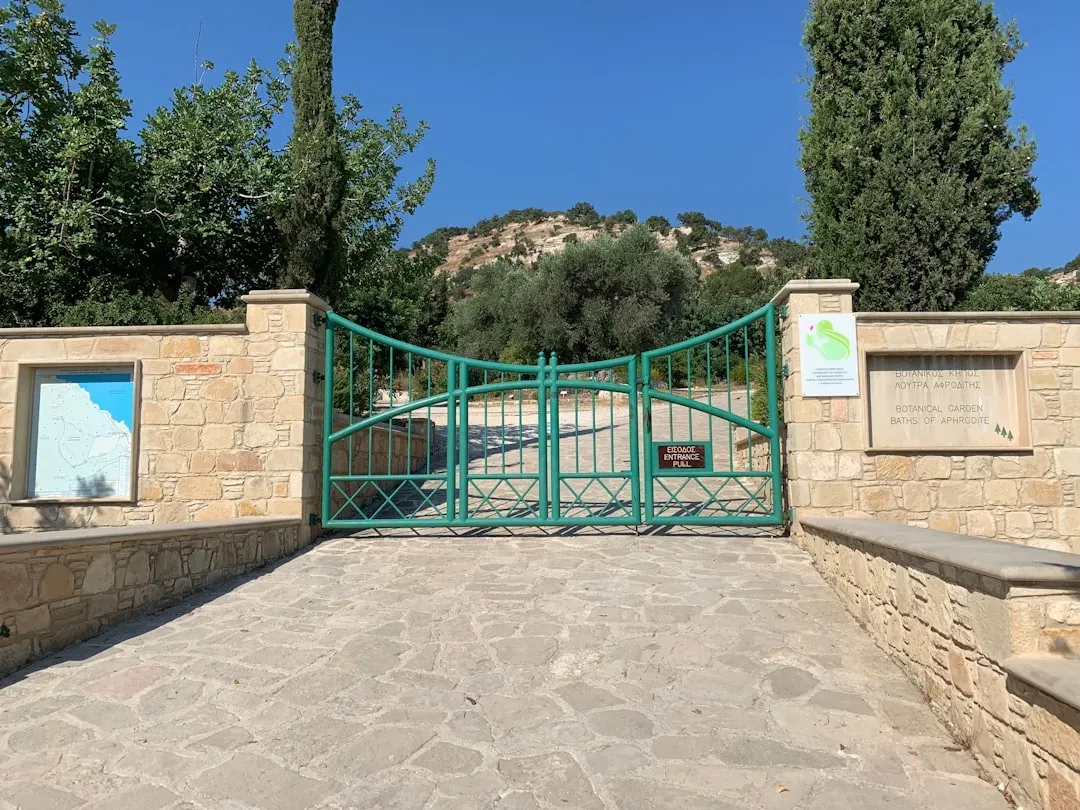
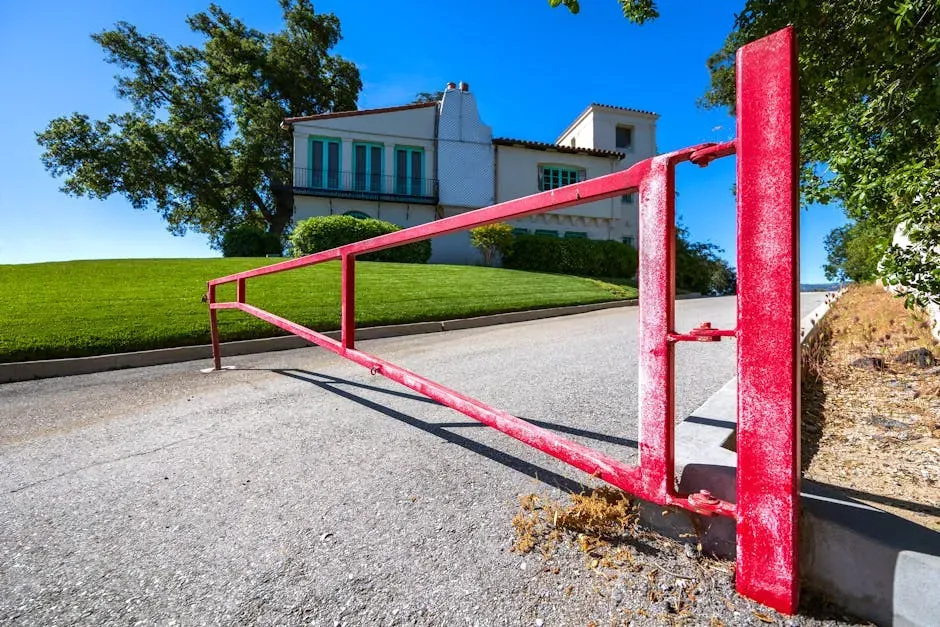
At a basic level, the distinction between gated and guard-gated communities comes down to who or what controls your front door. Standard gated communities rely on unmanned gates that require a code or remote for entry, which deters casual access but provides no verification of visitors and comes with lower HOA fees. It’s a deterrent system, not an identity check.
Guard-gated communities, by contrast, have guards who verify all visitors, log entries, and maintain an active security presence around the clock, with higher HOA fees to match. The difference isn’t subtle once you experience it firsthand. Anyone can tailgate through an automated gate if they time it right. A staffed guardhouse makes that nearly impossible.
One of the key advantages of a guard-gated setup is that it prevents “piggybacking,” where cars trail behind an initial vehicle once the gate opens. Only those who are authorized will be permitted inside. For high-profile residents or families who value true access control, that single operational distinction is often the deciding factor.
What HOA Fees Actually Look Like in 2025
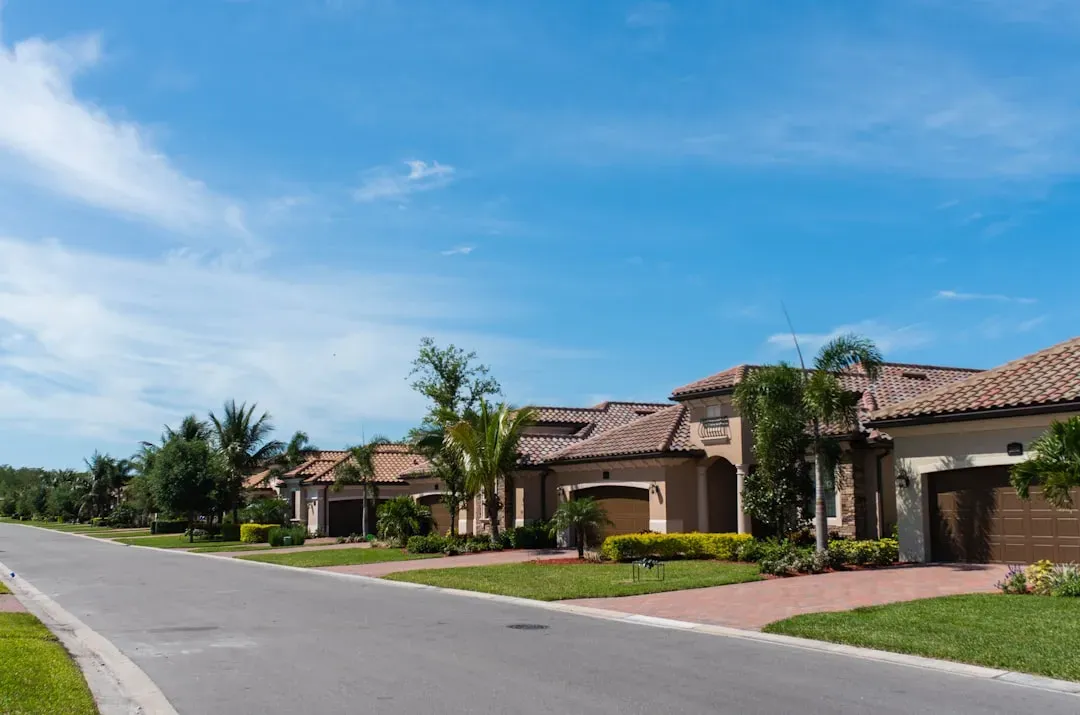
The valley-wide median HOA fee sits at roughly $182 per month for single-family homes in master-planned communities. That number sounds manageable until you start comparing community types. Standard gated communities usually fall somewhere in or below that range, while guard-gated neighborhoods can cost significantly more.
Guard-gated communities like The Ridges run $400 or more per month. In Henderson, the picture is similarly varied. Henderson HOA fees range from around $100 to $200 per month in many Anthem sections, while Seven Hills guard-gated sections run between $200 and $350 per month. The premium scales with exclusivity.
In Southern Highlands specifically, HOA fees range by section, with Olympia at $400 to $600 per month, Estates at $350 to $500, and more accessible sections like Tuscan ranging from $200 to $300 per month. That’s a wide spread, and it reflects just how much the level of staffing and amenities moves the needle on what residents pay each month.
The Real Financial Premium Over Time
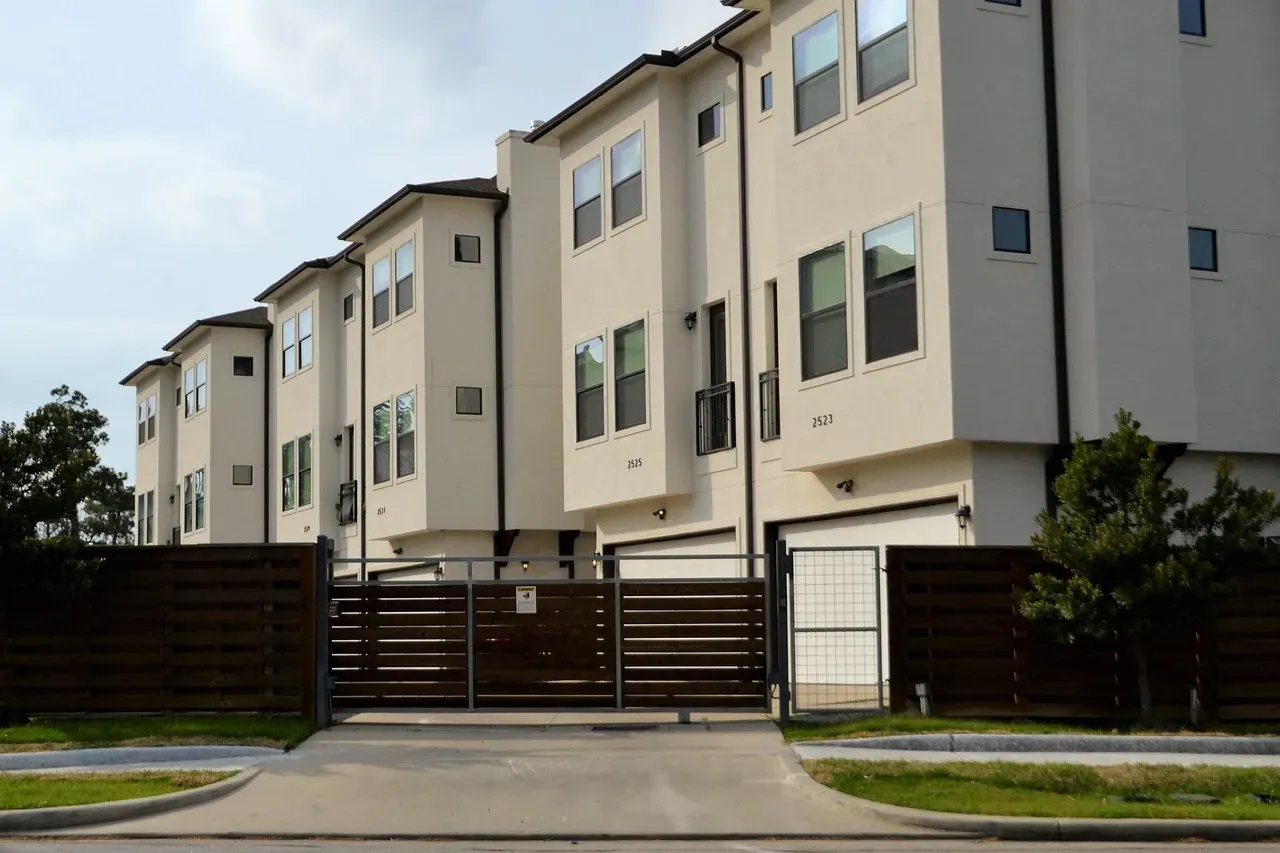
Buying into a guard-gated community isn’t just about the purchase price. The ongoing cost of living there can add up substantially over the years, and buyers who don’t model those numbers carefully often feel the shock later. Guard-gated communities typically cost between $100 and $400 more per month in HOA fees compared to ungated alternatives, which over 10 years represents an additional $12,000 to $48,000 in cumulative costs.
On top of that, home prices themselves reflect the exclusivity premium. Homes in guard-gated communities can be priced roughly 10 to 25 percent higher than comparable properties in non-guard-gated neighborhoods, driven by perceived exclusivity and security. That means the premium shows up at purchase and continues month after month in dues.
HOA fees in guard-gated communities are higher because residents are helping cover the cost of the guards’ wages and additional security operations. Security staffing in larger communities can run into the hundreds of thousands of dollars annually, all of which flows through HOA budgets. The guards aren’t a free amenity. Residents fund every shift.
Where the Money Goes: Amenities Behind the Gate
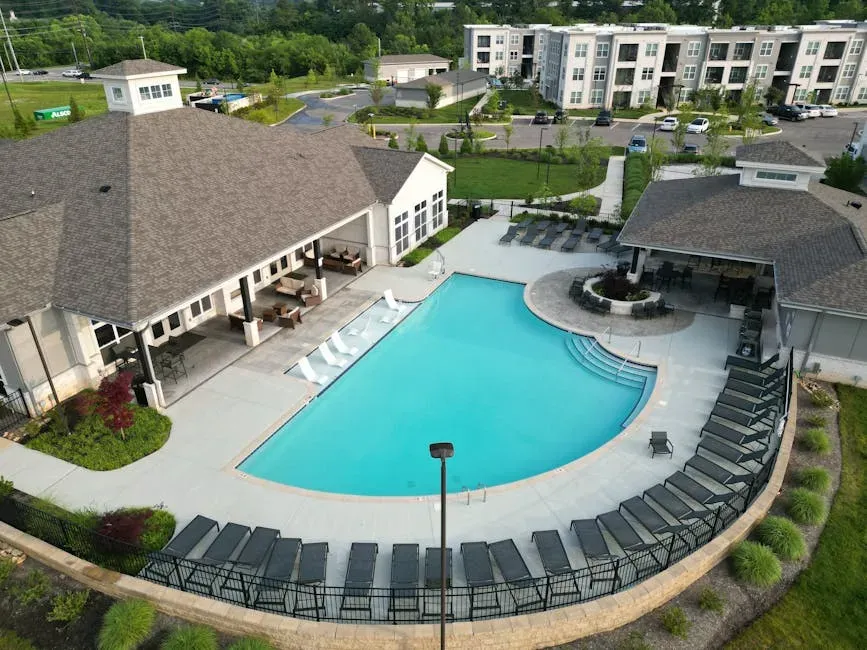
Part of what makes guard-gated living feel worth it to many buyers is what comes with it beyond the security itself. A community with a simple park will have much lower dues than one with a 24-hour guarded gate, a championship golf course, resort-style pools, a state-of-the-art fitness center, and a social clubhouse. The gate is just one piece of a much larger lifestyle package.
The Ridges, for example, is home to the Bear’s Best Golf Course, an 18-hole course designed by Jack Nicklaus, and Club Ridges, an exclusive clubhouse featuring a fitness center, tennis courts, pickleball courts, and pools. These aren’t amenities you can access from the outside. The gate is what keeps them genuinely exclusive.
MacDonald Highlands in Henderson is designed for those who prioritize golf, luxury, and scenic views, with its own championship DragonRidge Country Club offering luxury golf course living with rolling fairways and mountain views. Residents also enjoy access to a tennis complex, fitness center, on-site dining options, and private parks. The combined value of those amenities helps justify the premium for many buyers.
The Ridges and MacDonald Highlands: Benchmarks for Luxury Guard-Gating
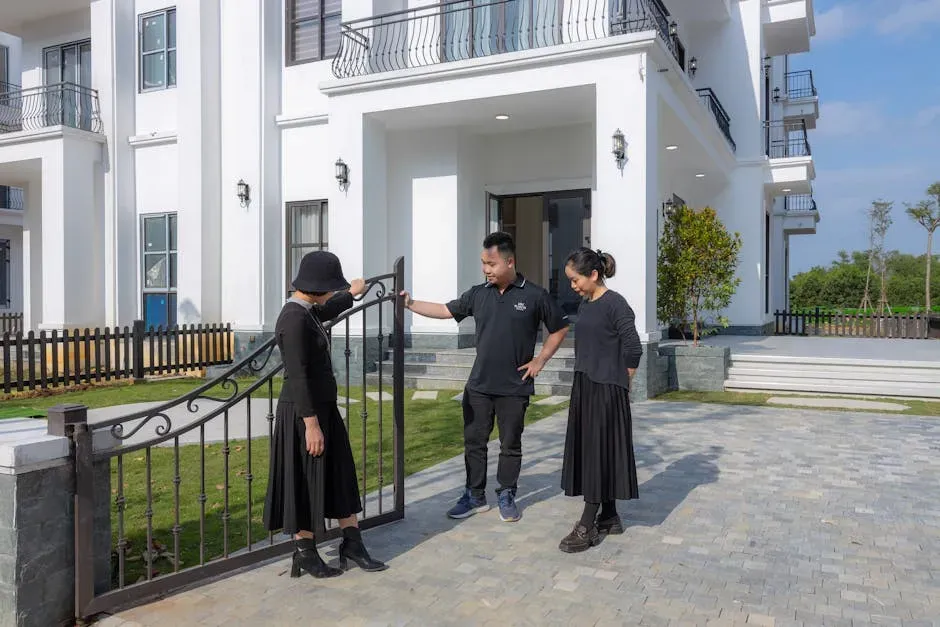
The Ridges stands as one of Las Vegas’s most prestigious guard-gated master-planned communities in Summerlin, known for its breathtaking architecture and unparalleled luxury, with homes starting in the multi-million-dollar range. It’s become a reference point in the Las Vegas luxury market precisely because of how tightly it controls access and maintains its visual consistency.
Homes in The Ridges typically list from $1.5 million to more than $15 million, with sizes ranging from 4,000 to 15,000 square feet. The range is wide, but the floor is high. You’re not stumbling into The Ridges by accident, financially or physically.
MacDonald Highlands offers a range of upscale homes, with properties usually listing from just under $2 million to more than $10 million, with the most exceptional estates topping $20 million. Both MacDonald Highlands and The Ridges attract buyers seeking newer construction and dramatic views. These two communities have effectively set the standard for what guard-gated living looks like at the top of the Las Vegas market.
Security Levels: What You’re Actually Getting
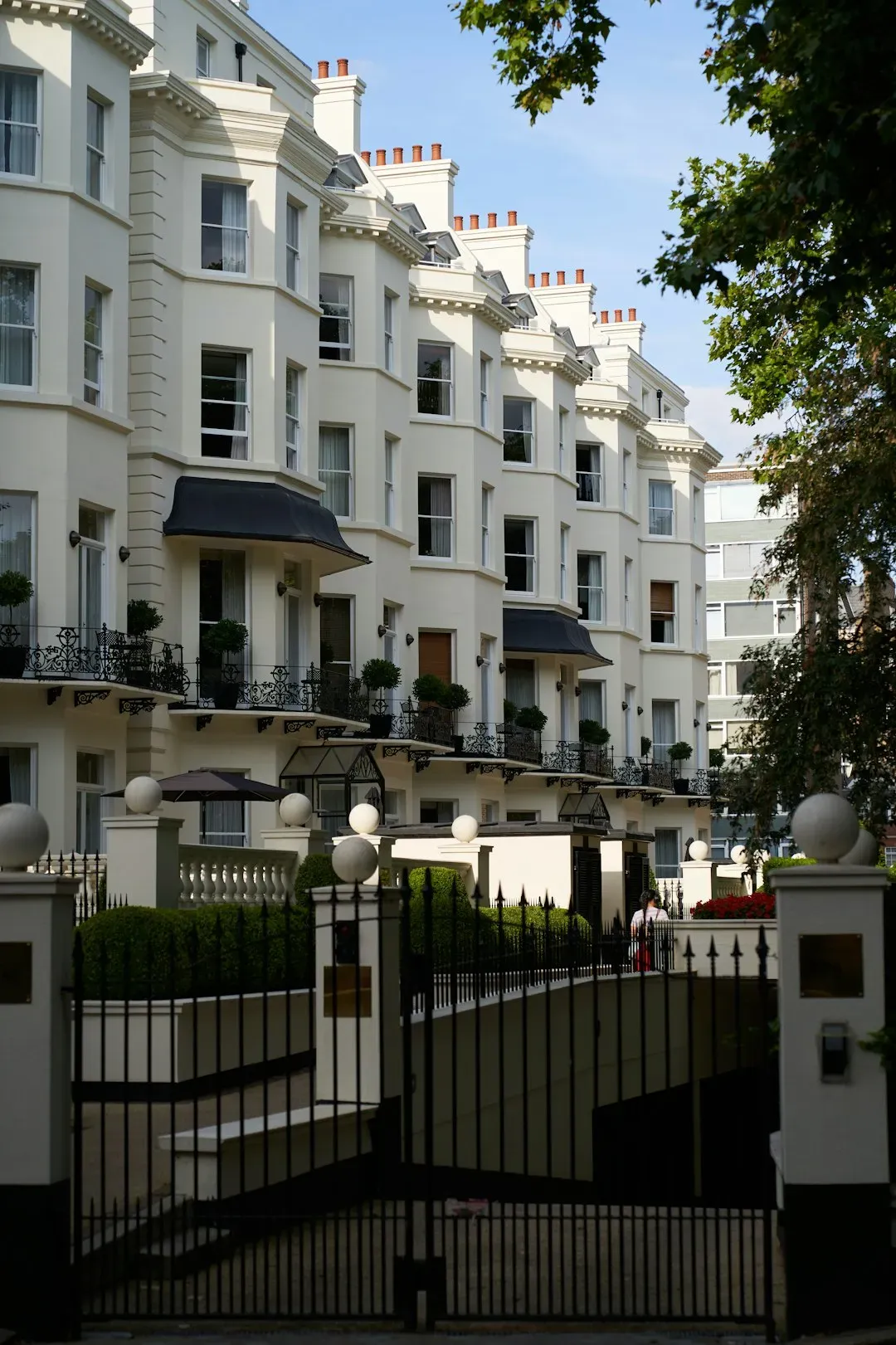
It’s worth being clear-eyed about what security means in each setting. Standard gated communities reduce casual traffic and deter opportunistic entry, but they don’t eliminate risk. Entry gates on a neighborhood are only a deterrent, and people can find ways to enter most communities. That’s not a knock on gated living. It’s just an honest appraisal of how automated systems work.
Guard-gated sections like Anthem Country Club and Madeira Canyon in Henderson offer 24/7 security, while elevated locations with limited access points create natural security advantages on top of the staffed gates. Geography works in favor of residents here. Several of Henderson’s most exclusive communities sit on hillsides with single access roads, which multiplies the effect of any security measure.
Security and gate operations – including staffing for manned gates, electronic gate repairs, cameras, and perimeter fencing – are a core HOA cost line, and communities with 24/7 staffing tend to carry higher costs as a result. Some guard-gated communities also include roving patrol vehicles that circulate through streets after hours, adding another visible layer of deterrence beyond the gatehouse itself.
Henderson’s Safety Advantage and Its Connection to Guard-Gated Living

Henderson is exceptionally safe, having ranked second among large U.S. cities in the SafeWise 2024 Safest Cities report, with violent crime rates 32 percent below the Nevada state average and property crime rates significantly below national averages. That baseline safety level is part of why the city’s guard-gated communities are so sought after. Buyers aren’t just buying security. They’re buying into a city that already starts from a safe position.
Partner offer
Gated and guard-gated communities are one key reason for Henderson’s safety reputation, and over 40 percent of homes for sale in Henderson are located in gated or guard-gated neighborhoods. That concentration is striking. In most American cities, guard-gated living is a niche product. In Henderson, it’s practically the default in the upper half of the market.
Henderson consistently demonstrates superior safety statistics compared to Las Vegas proper, having ranked second among large U.S. cities in the SafeWise 2024 Safest Cities report with violent crime rates 32 percent below the Nevada state average. That combination of city-level safety and community-level access control makes Henderson’s guard-gated enclaves a particularly compelling case for privacy-minded buyers.
Property Values and Long-Term Resale Stability

One of the arguments buyers hear most often in favor of guard-gated living is that it protects resale value. The evidence for this, in Las Vegas at least, is reasonably strong. Guard-gated and amenity-rich communities such as The Ridges, Ascaya, MacDonald Highlands, and select Summerlin villages have historically shown resilience in value during market downturns.
Both gated and guard-gated communities generally command a higher price in the real estate market than similarly sized homes in non-gated communities. The premium tends to hold more consistently in guard-gated settings, where the exclusivity factor is harder to replicate and the barrier to entry is higher for competing developments.
In many Las Vegas communities, HOA dues provide access to neighborhood amenities, landscaping, security, and community maintenance, which can help protect property values. The logic is circular in the best way: well-funded HOAs maintain the look and feel of the community, which keeps demand high, which keeps prices stable. The monthly dues are, in part, an investment in your own resale position.
Who Actually Lives in Guard-Gated Communities and Why It Matters

Guard-gated communities in Las Vegas attract a specific type of buyer, and understanding who they are helps clarify what drives demand. Luxury buyers in high-profile cities consistently rank privacy and controlled access among their top priorities when choosing a home. In Las Vegas especially, where a significant share of high-net-worth residents are semi-public figures from entertainment, sports, or business, anonymity has real value.
The South Shore at Lake Las Vegas is guard-gated and home to a number of high-profile celebrities. That pattern repeats across The Ridges, MacDonald Highlands, Ascaya, and Queensridge. The gates aren’t performative. For many residents, they serve a very practical function in managing who can arrive unannounced.
Living in a gated community means more privacy from the outside world, and since this type of living is not open to outside traffic, the community streets tend to be more peaceful and less busy. That reduction in through-traffic is something families with children value deeply too. Guard-gated streets aren’t shortcuts. They belong only to the people who live there.
Insurance, HOA Rules, and the Hidden Costs Buyers Often Miss

Insurance is one area where gated and guard-gated residents can sometimes see tangible savings, though results vary significantly by provider and policy. The perceived reduction in risk associated with controlled-access communities can translate into lower homeowner’s insurance premiums in certain cases. It’s worth asking your insurer directly rather than assuming it will happen automatically.
Residents of guard-gated communities must follow HOA rules and regulations carefully, and if dues stop being paid, steep penalties and a lien on the house can follow. The enforcement power of Nevada HOAs is particularly strong. Nevada’s super priority lien law gives HOAs the power to foreclose on properties for unpaid dues, with their lien taking priority over mortgage lenders for up to nine months of unpaid dues.
Large master-planned communities sometimes levy special assessments for major projects, and buyers should ask about past special assessments and any upcoming capital work before purchasing. A community with aging infrastructure or a deferred maintenance backlog can surprise new owners with bills that have nothing to do with their monthly dues. Reviewing HOA financials before closing isn’t optional. It’s essential.
Entry-Level Guard-Gated Options: Privacy Doesn’t Always Mean Millions

Not every guard-gated community in Las Vegas requires a seven-figure budget. The spectrum is wider than most buyers realize, especially in the southwest part of the valley. Rhodes Ranch is the most affordable guard-gated community, with homes starting at $350,000 and HOA fees of $150 to $200 per month, offering 24/7 guard-gated security and semi-private golf access.
Guard-gated and gated communities exist at all price ranges in the Las Vegas Valley, with options ranging from upscale estates in prestigious guard-gated enclaves to cozy residences in smaller gated neighborhoods. That breadth is actually one of the most underappreciated aspects of the local market. You don’t have to buy into The Ridges to get a guard at your gate.
While some of Las Vegas’s most exclusive gated communities like the Estates at Southern Highlands and The Summit Club carry significant price tags, not every gated home in Las Vegas requires a sky-high budget, and many gated communities offer affordability without sacrificing the advantages of gated living. The key is knowing what you’re comparing and what trade-offs you’re comfortable making.
Making the Decision: A Practical Framework for Buyers
The central question is whether security, controlled access, and community exclusivity justify the premium for your specific situation. That’s a genuinely personal calculation. For buyers who work from home, have children, or host frequently, the daily experience of living behind a staffed gate may feel well worth the added cost. For buyers who travel often and simply want low-maintenance living, a standard gated community may offer a more sensible balance.
The right community depends on your priorities. Spanish Trail appeals to buyers who want an established, golf-centered neighborhood with mature landscaping, while MacDonald Highlands and The Ridges attract those seeking newer construction and dramatic views, and Queensridge and Las Vegas Country Club offer proximity to the west side of the valley with more traditional luxury. The variety means there’s rarely one right answer.
HOA dues shape your monthly budget, your lifestyle experience, and even your resale strategy. That’s the honest framing for any buyer weighing this decision. A guard-gated community isn’t just a security purchase. It’s a lifestyle purchase with financial dimensions that extend well beyond the closing table, and the buyers who understand that going in tend to be the ones most satisfied with where they land.
Conclusion: The Real Cost Is the One You Can Live With
There’s no universal answer to whether guard-gated living is worth the premium in Las Vegas. What’s clear is that the cost difference is real, measurable, and ongoing. Between higher purchase prices, elevated HOA fees, and the 10-year cumulative impact of those dues, guard-gated residents are making a sustained financial commitment in exchange for a specific kind of daily life.
The communities that command the highest prices, like The Ridges, MacDonald Highlands, and Ascaya, continue to attract buyers who see that premium as aligned with their values, their privacy needs, and their long-term investment thinking. These guard-gated and amenity-rich communities have historically shown resilience in value during market shifts. That track record matters when you’re considering where to put multi-million-dollar assets.
For buyers who need genuine privacy, strict access control, and a community that insulates them from the energy of a city that never fully sleeps, guard-gated living in Las Vegas makes a compelling case on its own terms. The real cost of privacy here isn’t just a dollar amount. It’s a question of how much you value the daily peace of knowing exactly who is on your street.
Partner offer
Planning a trip to Vegas?
Compare hotel rates and show tickets on VEGAS.com.