Some concerts transcend the moment. They become legends whispered about in dusty record stores, shared across dinner tables, and debated endlessly online. These aren’t just shows – they’re cultural earthquakes that shift how we think about music itself.
What makes a concert unforgettable? Maybe it’s the raw energy crackling through the crowd, or that one unrehearsable moment when everything clicks. Perhaps it’s witnessing history as it happens, feeling the ground shift beneath your feet. Let’s dive into five legendary performances that still echo through the decades.
The Beatles at Shea Stadium (1965)

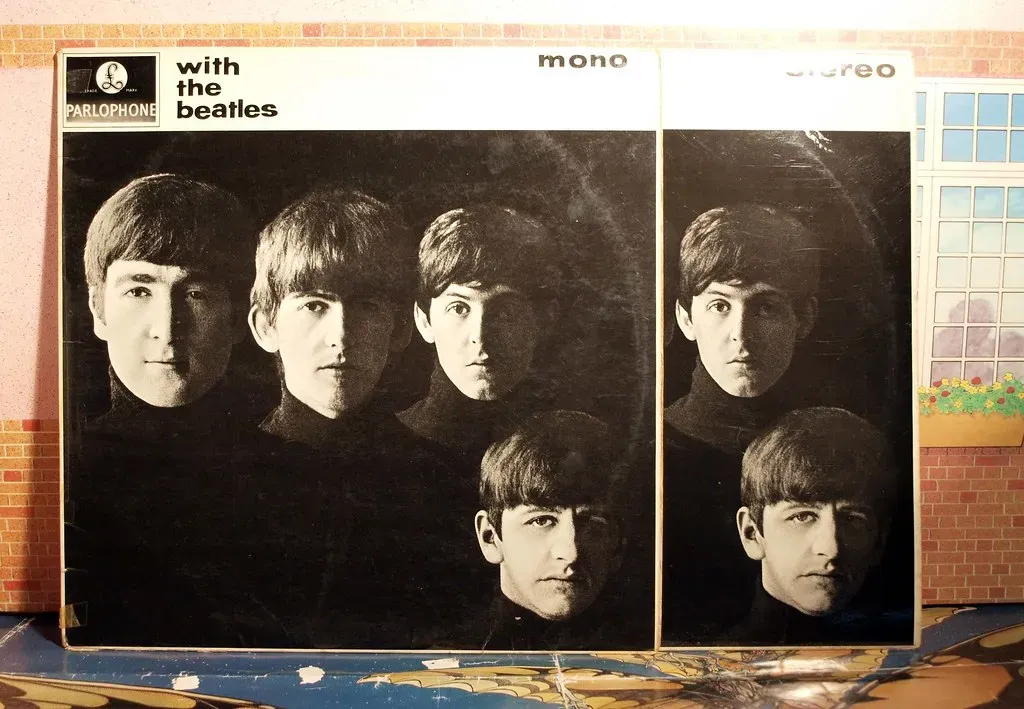
On August 15, 1965, over 55,000 screaming fans packed Shea Stadium in New York City. The Beatles performed for just 30 minutes, yet those brief moments redefined what a concert could be. Nobody had ever seen anything like this scale before.
The sound system couldn’t compete with the deafening roar of fans. John Lennon later joked they stopped trying to sing on key because no one could hear them anyway. Girls fainted. Security was overwhelmed. The band played through a wall of pure hysteria.
This wasn’t just a concert – it was the birth of the modern stadium show. Before Shea Stadium, rock bands played theaters and clubs. After that night, everything changed. The spectacle, the madness, the sheer impossibility of it all set a template that artists chase to this day.
Woodstock Festival (1969)

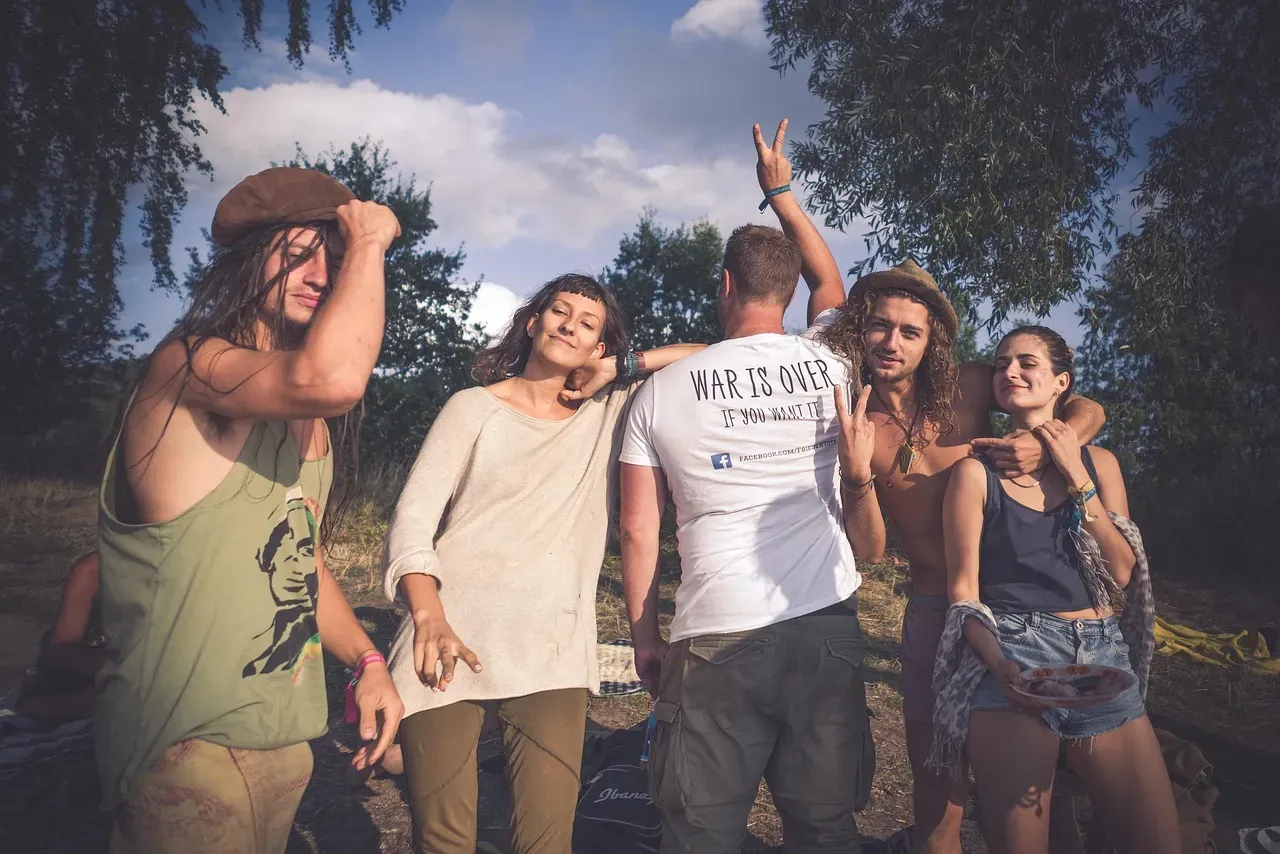
Three days of peace and music on a muddy farm in upstate New York. Woodstock was supposed to host 50,000 people. Nearly 400,000 showed up instead. Infrastructure collapsed. It rained relentlessly. Somehow, it became the defining moment of a generation.
Jimi Hendrix closing the festival with his haunting rendition of “The Star-Spangled Banner” remains one of music’s most iconic moments. His guitar wailed like bombs and sirens, channeling the chaos of Vietnam into pure sound. Most of the crowd had already left, but those who stayed witnessed something transcendent.
The festival represented something bigger than music. It was rebellion, unity, and utopian hope all colliding in the mud. Decades later, people still reference Woodstock as shorthand for cultural revolution, even though the reality was messier and stranger than the myth suggests.
Queen at Live Aid (1985)

Twenty minutes. That’s all Queen had at London’s Wembley Stadium on July 13, 1985. Those twenty minutes became the gold standard for live performance. Freddie Mercury commanded 72,000 people at Wembley and an estimated 1.9 billion television viewers worldwide like a conductor with an invisible baton.
The setlist was surgical – six perfectly chosen songs delivered with ferocious precision. Mercury’s voice soared, his stage presence electric. When he led the crowd through improvised vocal harmonies during “Radio Ga Ga,” the entire stadium became his instrument. You can still feel the energy watching grainy footage today.
Here’s the thing: Queen wasn’t even the headline act. They were one of many performers at this charity concert for famine relief. Yet their performance overshadowed everyone. It revitalized their career and set an impossible benchmark. People who weren’t even born in 1985 know this show.
Nirvana at Reading Festival (1992)

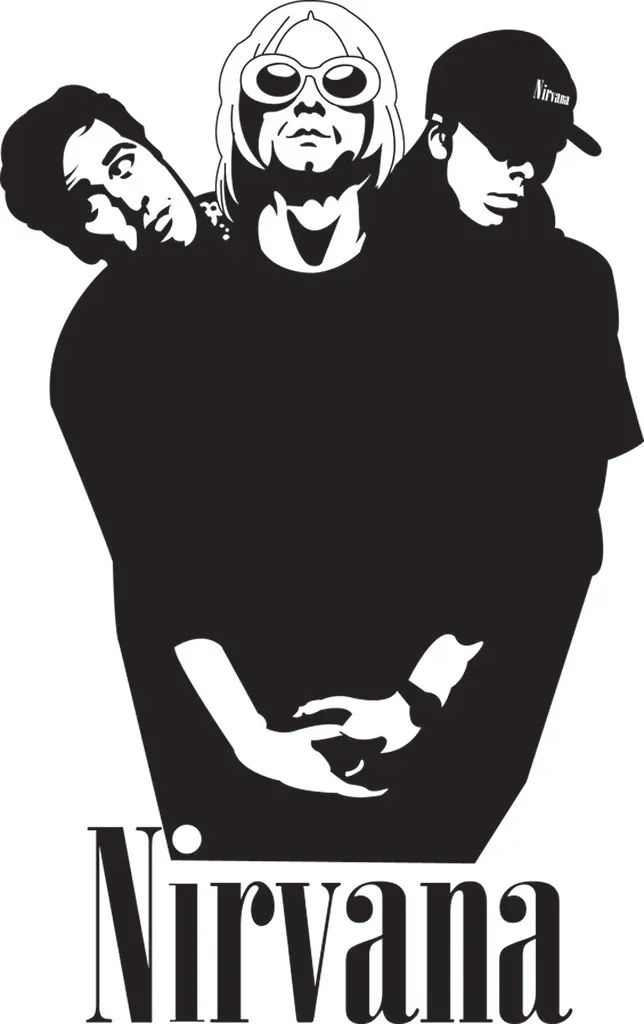
Kurt Cobain rolled onto the stage in a wheelchair wearing a hospital gown and blonde wig. The British press had spent weeks claiming he was too sick and drug-addled to perform. His response? Dark humor and the most ferocious show of Nirvana’s career.
After the wheelchair theatrics, the band exploded into their set. Cobain’s voice tore through songs like “Breed” and “Lithium” with desperate intensity. The performance was angry, cathartic, and oddly vulnerable all at once. You could sense something breaking open on that stage.
This concert captured Nirvana at their peak – right before the weight of fame became unbearable. The Reading performance felt like defiance against everyone trying to control or define them. It was raw, messy, and completely human. Less than two years later, Cobain was gone, making this show even more haunting in retrospect.
Prince’s Super Bowl XLI Halftime Show (2007)

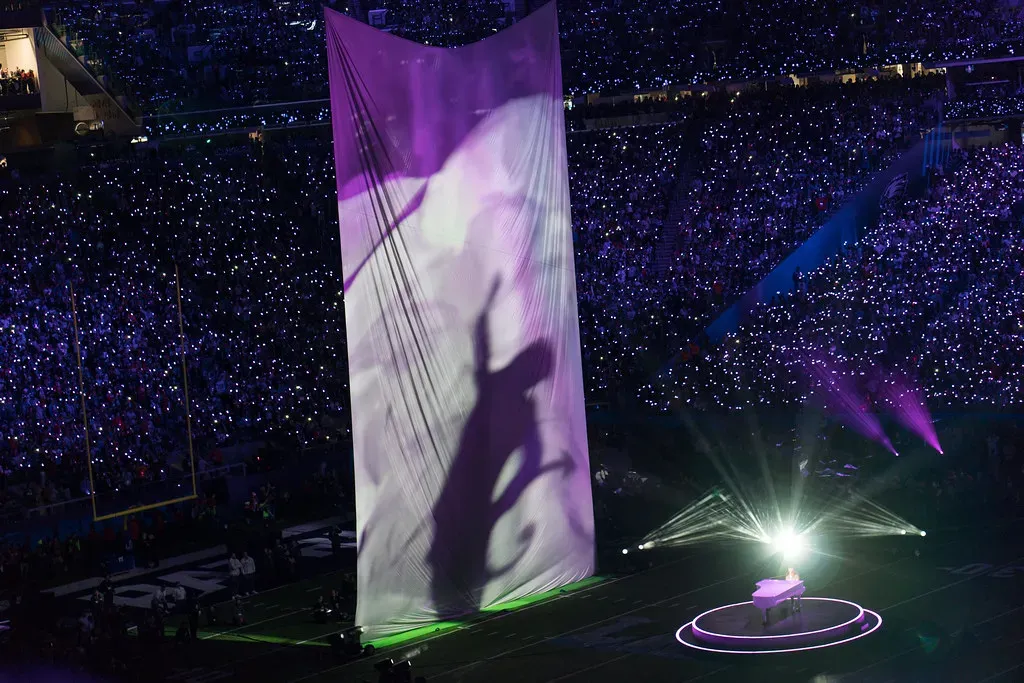
It was pouring rain in Miami. Most artists would have canceled or simplified their performance. Prince asked them to make it rain harder. What followed was twelve minutes of pure mastery in the middle of America’s biggest sporting event.
Purple lighting illuminated the downpour as Prince shredded through “Purple Rain” on a specially designed stage. Water streamed off his guitar. He moved like the weather existed just to enhance his performance. The man turned potential disaster into his greatest triumph.
The Super Bowl halftime show had become a cultural institution, but Prince elevated it to art. He mixed his hits with covers, including a blistering version of “All Along the Watchtower.” His guitar work during that song still leaves musicians speechless. Honestly, he made performing in a rainstorm look effortless, which is absurd when you think about the technical challenges involved.
Conclusion

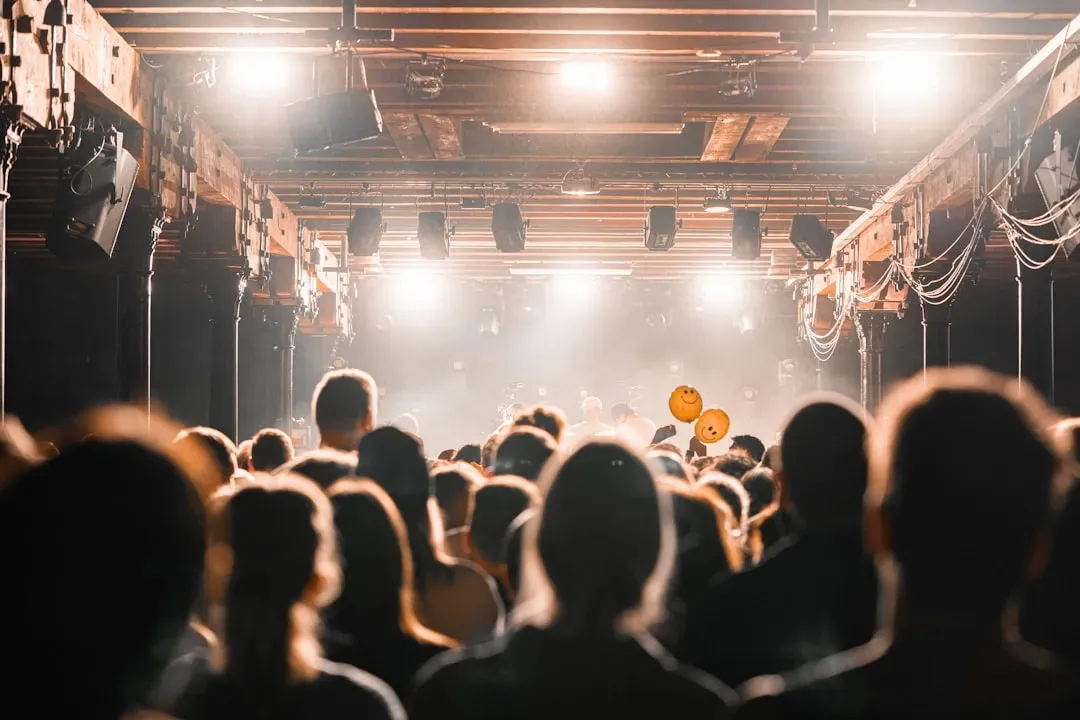
These concerts became more than entertainment – they’re cultural touchstones we measure other performances against. They remind us that music, at its best, creates moments that transcend the ordinary. Something magical happens when talent, timing, and raw energy collide in front of thousands of witnesses.
Each show on this list captured something unrepeatable. You can watch footage, read accounts, and hear stories, but you can never quite recapture being there. That’s what makes them legendary. Which of these concerts do you wish you could have experienced? Tell us in the comments.