There’s something magical about a story that refuses to let go. You know the kind – where you close the book, stare at the ceiling, and feel like you’ve just lived another life. The best stories don’t just entertain. They shift something inside you, make you see the world through a different lens, or remind you what’s possible when someone refuses to give up.
Some narratives have this uncanny ability to hit you right in the chest. They speak to something universal, something deeply human. Whether it’s a tale of triumph over impossible odds, a quiet moment of courage, or a journey that reveals what we’re really made of, these stories stick with us. Let’s dive into the most inspiring tales ever committed to paper.
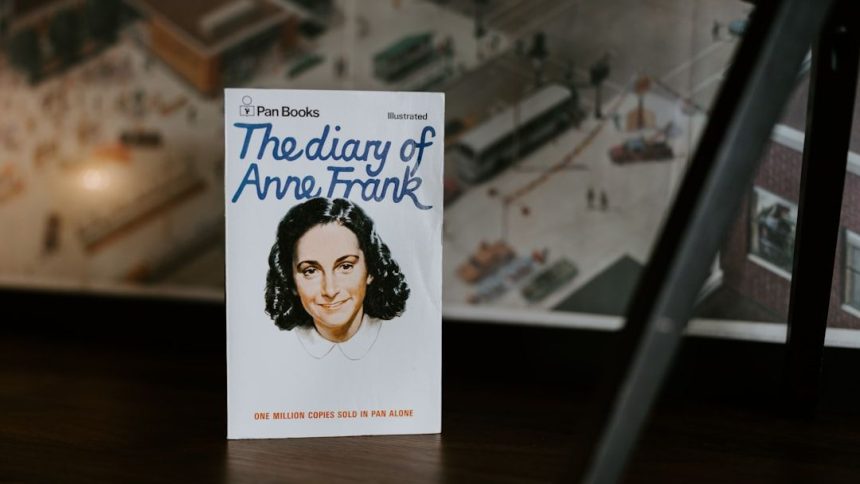
The Diary of a Young Girl by Anne Frank

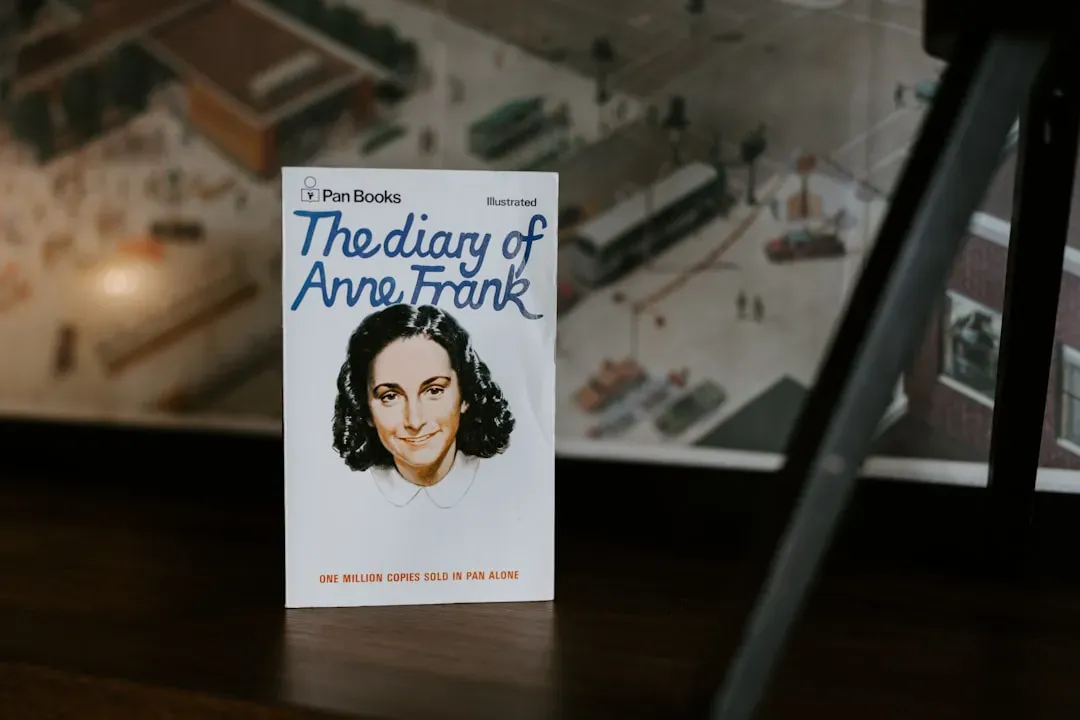
Anne Frank’s diary remains one of the most powerful testaments to the resilience of the human spirit. Written while hiding from Nazi persecution in Amsterdam, her words capture both the terror of her circumstances and her refusal to lose hope. What strikes you is how she managed to dream about the future, about becoming a writer, even when the world outside was collapsing.
Her observations about human nature feel almost prophetic. She wrote about believing that people are truly good at heart, despite everything she witnessed. The diary ends abruptly when her family was discovered, but her voice echoes across generations. It’s a reminder that even in our darkest moments, we can choose how we respond to fear and hatred.
Man’s Search for Meaning by Viktor Frankl

Viktor Frankl survived the Nazi concentration camps and emerged with a philosophy that changed psychology forever. His book describes the horrors he endured, but focuses on something more profound – how prisoners who found meaning in their suffering were more likely to survive. He argues that we can’t always control what happens to us, but we can control how we respond.
The second half of the book introduces his concept of logotherapy, the idea that our primary drive in life is the search for meaning. Frankl’s writing is stripped down, honest, and deeply moving. He shows that even when everything is taken from us, we still possess the freedom to choose our attitude. That realization alone has helped countless people navigate their own struggles.
The Alchemist by Paulo Coelho

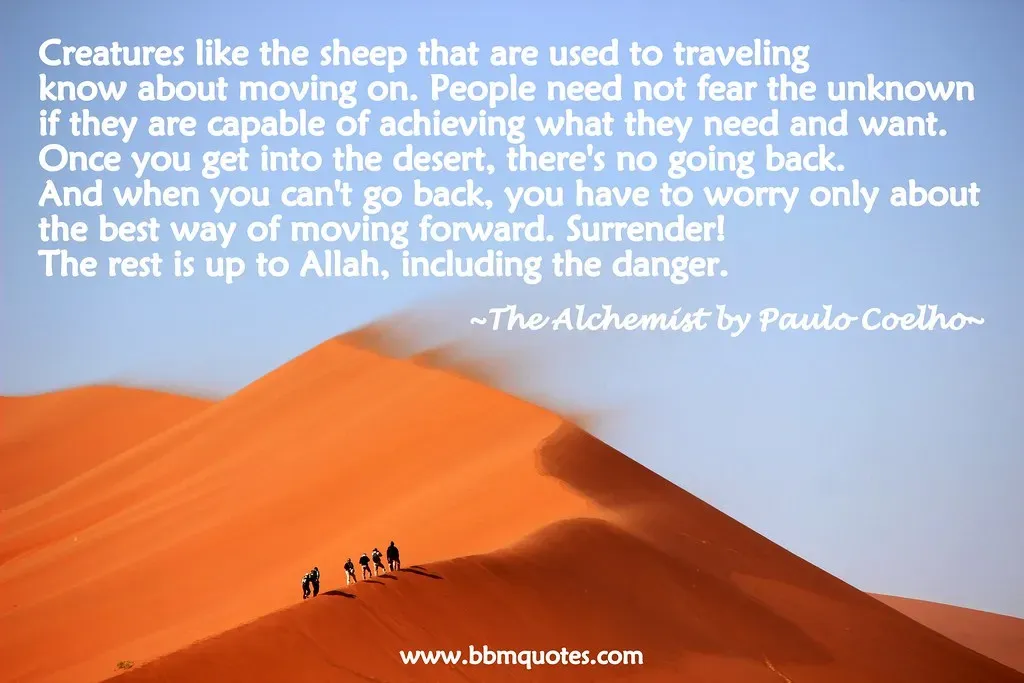
Paulo Coelho’s fable about a shepherd boy named Santiago has sold millions of copies, and for good reason. Santiago dreams of finding treasure near the Egyptian pyramids and embarks on a journey that teaches him far more than he expected. The book explores the concept of a “Personal Legend” – that calling we all feel but often ignore because it seems too risky or impractical.
What makes this story resonate is its simplicity. Coelho doesn’t overcomplicate things. He reminds us that the universe conspires to help those who pursue their dreams with genuine intent. Santiago learns that the real treasure isn’t always what we think we’re searching for. Sometimes the journey itself transforms us into the person capable of recognizing what truly matters.
Wild by Cheryl Strayed

After her mother’s death and the collapse of her marriage, Cheryl Strayed made a decision that seemed crazy to most people. She hiked more than a thousand miles along the Pacific Crest Trail, alone, with almost no experience. Her memoir chronicles this grueling journey and the internal reckoning that came with it.
Partner offer

Strayed’s writing is raw and unflinching. She doesn’t present herself as a hero or try to sugarcoat her mistakes. Instead, she shows what it looks like to be completely broken and then slowly piece yourself back together through sheer determination. Every blister, every moment of doubt, every small victory feels earned. It’s proof that sometimes the only way forward is to walk straight into the fear.
The Book Thief by Markus Zusak

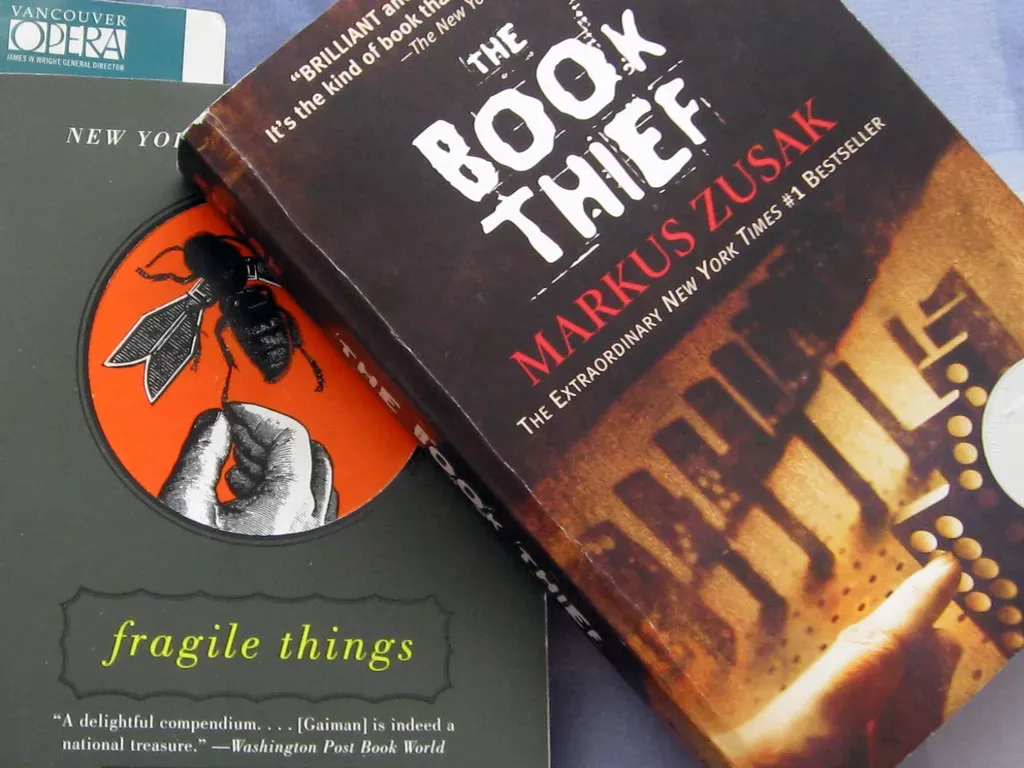
Narrated by Death itself, this novel follows Liesel, a young girl living in Nazi Germany who steals books and shares them with others. The premise sounds grim, and parts of it are, but there’s an unexpected warmth that runs through the entire story. Liesel finds solace in words during a time when they’re being used as weapons of propaganda.
Zusak’s writing style is poetic and unconventional. Death turns out to be a surprisingly empathetic narrator, exhausted by humanity’s capacity for destruction yet continually surprised by acts of kindness. The story reminds us that literature has power – to connect us, to help us survive, to make us more human. In a world that often feels overwhelming, words can be both refuge and resistance.
To Kill a Mockingbird by Harper Lee

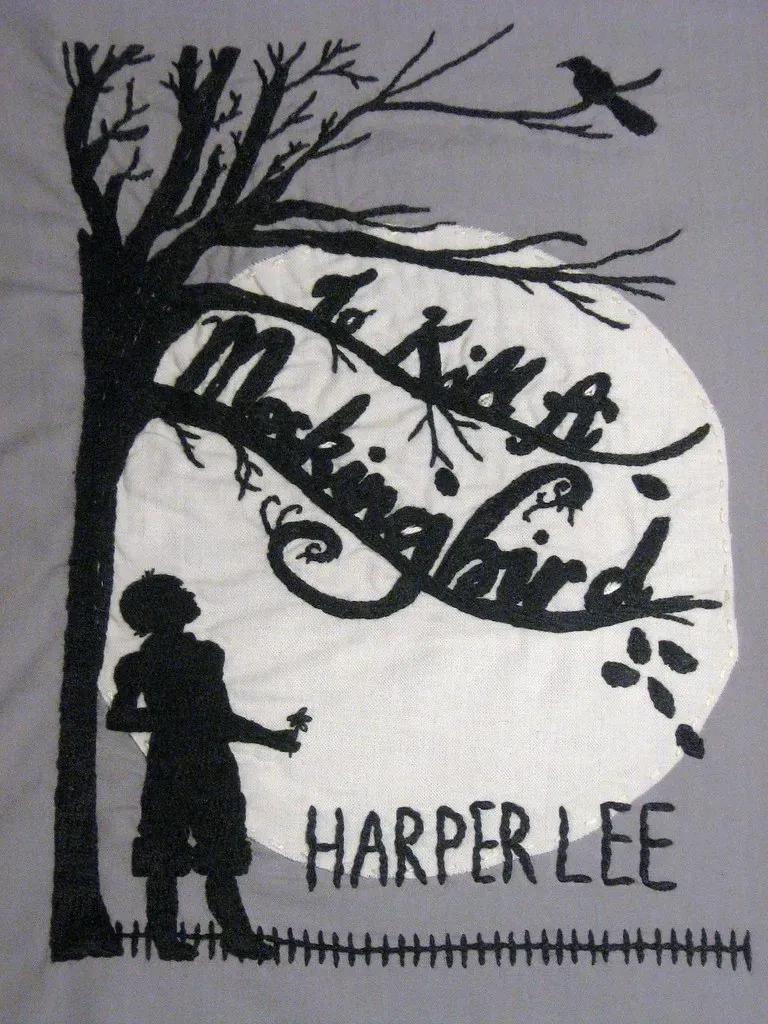
Harper Lee’s classic novel centers on Scout Finch, a young girl in Depression-era Alabama, and her father Atticus, a lawyer defending a Black man falsely accused of rape. The story tackles racism, moral courage, and the loss of innocence with a grace that still hits hard today. Atticus becomes a symbol of integrity, standing up for what’s right even when the whole town turns against him.
Scout’s perspective gives the story its power. She’s young enough to ask uncomfortable questions but perceptive enough to understand the answers. Lee shows that courage isn’t about winning – it’s about fighting for justice even when defeat seems certain. The novel remains relevant because these battles aren’t over. We’re still learning what it means to stand up when it’s easier to look away.
What Stories Mean to Us

These stories endure because they tap into something universal. They remind us that adversity doesn’t have to be the end of the story. They show us people who faced impossible odds and found a way forward, not because they were superhuman, but because they refused to quit. Some found meaning in suffering. Others discovered strength they didn’t know they had. A few learned that forgiveness, not revenge, was the path to freedom.
The best part? These aren’t just stories to admire from a distance. They’re blueprints for how to live. They prove that ordinary people are capable of extraordinary things when they tap into what matters most. Whether it’s surviving a concentration camp, hiking alone through the wilderness, or simply showing up for an unpaid internship with a toddler in tow – these stories show us what’s possible.
So which of these stories speaks to you? Maybe it’s one that mirrors your own struggle, or perhaps it’s a journey so different from yours that it opens your eyes to a new way of seeing the world. What do you think makes a story truly inspiring?
Partner offer
Planning a trip to Vegas?
Compare hotel rates and show tickets on VEGAS.com.