Some books don’t just tell stories. They shape how we think, talk, and see the world around us. They capture a moment in time so perfectly that entire generations recognize themselves in the pages. Whether you grew up reading under the covers with a flashlight or discovered them later in life, these titles have left marks on our collective consciousness that won’t fade anytime soon.
What makes a book generation-defining? It’s not always about sales numbers or critical acclaim. Sometimes it’s about timing. A book arrives exactly when a generation needs it most, speaking to their fears, dreams, or frustrations in ways nothing else can. Let’s explore the literary works that became cultural touchstones for different eras.
The Catcher in the Rye Gave Voice to Teenage Rebellion


J.D. Salinger’s 1951 novel became the bible of disaffected youth almost overnight. Holden Caulfield’s cynical view of adult phoniness resonated with post-war teenagers who felt disconnected from their parents’ values. The book spoke in a voice that felt raw and honest, using language that shocked some adults but sounded exactly like how young people actually talked.
What’s remarkable is how the novel continues to find new readers decades later. Every generation seems to discover Holden’s journey through New York City and recognize something of themselves in his confusion and anger. The book got banned in schools across America, which honestly just made teenagers want to read it more.
It captured that universal feeling of not quite fitting in anywhere. Holden’s weekend of wandering became a metaphor for the awkward transition between childhood and adulthood that every generation struggles with in their own way.
To Kill a Mockingbird Shaped Our Moral Compass


Harper Lee’s 1960 masterpiece arrived at a pivotal moment in American history. As the Civil Rights Movement gained momentum, this story of racial injustice in a small Alabama town forced readers to confront uncomfortable truths about prejudice and integrity. Scout Finch’s innocent perspective made complex moral issues accessible to readers of all ages.
The novel became required reading in schools, introducing millions of young people to questions about justice, empathy, and standing up for what’s right even when it’s difficult. Atticus Finch became the father figure many wished they had, someone who led by example rather than empty words.
Generations of readers learned about courage not as the absence of fear but as doing the right thing despite being afraid. The book’s influence on how Americans think about racism and justice cannot be overstated, even as conversations about these issues continue evolving.
The Feminine Mystique Ignited a Movement


Betty Friedan’s 1963 work gave a name to something millions of women felt but couldn’t articulate. She called it “the problem that has no name,” the deep dissatisfaction many suburban housewives experienced despite having everything society told them they should want. The book struck a nerve so powerful it helped launch second-wave feminism.
Women who had been quietly questioning their prescribed roles suddenly realized they weren’t alone. Friedan’s research and interviews revealed that countless educated women felt trapped and unfulfilled, their potential wasted on domestic duties that failed to satisfy their intellectual needs.
The book fundamentally changed conversations about women’s roles in society. It challenged the notion that motherhood and homemaking should be every woman’s primary aspiration, opening doors for future generations to pursue careers and identities beyond traditional expectations.
One Hundred Years of Solitude Changed Literary Expectations

Gabriel García Márquez’s 1967 novel introduced magical realism to mainstream audiences worldwide. The multigenerational saga of the Buendía family in the fictional town of Macondo blended the fantastical with the ordinary in ways that felt both impossible and deeply true. Readers discovered that reality could be stranger and more layered than they’d imagined.
The book influenced countless writers who followed, showing that you didn’t have to stick to strict realism to tell profound truths about human nature. Its circular narrative structure and recurring names reflected patterns in history and family dynamics that felt universal despite the story’s specific Colombian setting.
For many readers, particularly in Latin America, this novel validated their own cultural storytelling traditions on the world stage. It proved that Western literary conventions weren’t the only way to craft meaningful literature.
The Diary of a Young Girl Made History Personal

Anne Frank’s diary, published in various editions starting in 1947, transformed the Holocaust from abstract historical horror into something achingly personal. Through her words, readers met a real teenager with hopes, frustrations, and dreams that got cut tragically short. Her voice made the incomprehensible human scale.
Generations of young people have read her diary in schools, often as their first real encounter with the Holocaust. Anne’s optimism and belief in human goodness despite her circumstances continues to move readers to tears. She wrote about universal teenage experiences while hiding from Nazi persecution, creating a bridge between everyday life and extraordinary circumstances.
The diary’s impact lies in its intimate perspective. Anne wasn’t writing for publication or posterity. She was processing her fears and hopes in real time, making her testimony all the more powerful and authentic.
Beloved Confronted America’s Unhealed Wounds

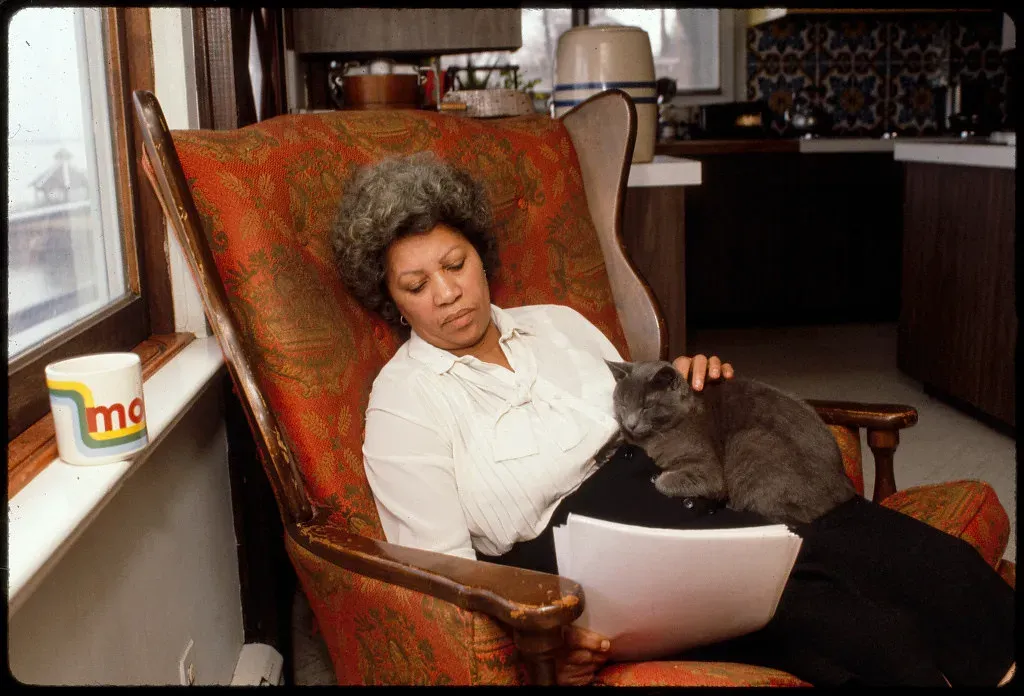
Toni Morrison’s 1987 novel forced readers to grapple with slavery’s psychological aftermath in ways historical accounts couldn’t. The story of Sethe and her haunted house became a metaphor for trauma that refuses to stay buried. Morrison’s lyrical prose made difficult subject matter unforgettable, demanding that readers not look away from painful truths.
The novel centered Black women’s experiences in ways literature had rarely done before. It showed how the horrors of slavery rippled through generations, affecting relationships, identities, and entire communities long after emancipation. Morrison refused to make the past comfortable or distant.
Beloved won the Pulitzer Prize and helped Morrison become the first Black woman to receive the Nobel Prize in Literature. Her work validated African American storytelling traditions while creating something entirely new and necessary.
Everything Remains Relevant Because They Spoke Truth


These books defined generations not because they were perfect or universally beloved, but because they captured something essential about their moments while speaking to timeless human experiences. They gave readers language for things they felt but couldn’t articulate. They challenged comfortable assumptions and demanded emotional engagement. Some made us laugh, others made us cry, but all of them made us think differently about ourselves and our world.
The best generation-defining books don’t just reflect their times. They shape the conversations that follow. They create shared cultural touchstones that help diverse groups of people connect through common references and experiences. Decades later, people bond over their memories of first reading these stories, debating their meanings, and arguing about their characters as if they were real people.
Which book defined your generation? Was it something on this list, or did another title speak to you and your peers in ways that created lasting bonds? The conversation about literature’s power to unite and influence generations continues evolving with each new cohort of readers discovering these classics and creating their own.