There’s a particular kind of courage that never shows up in a press release. It doesn’t get a standing ovation or a dedicated segment at an awards ceremony. It happens quietly, on set, between takes, when an actor walks back to their mark knowing that what’s going on inside their body is something the rest of the world hasn’t been told yet.
These six performers kept working through diagnoses that would have stopped most people cold. Their illnesses ranged from cancer to neurological disease to a condition that wouldn’t even be identified until after death. What makes each story remarkable isn’t just the physical endurance involved, but the fact that audiences watched those performances and felt nothing was wrong.
Chadwick Boseman – Black Panther (2018) and Beyond
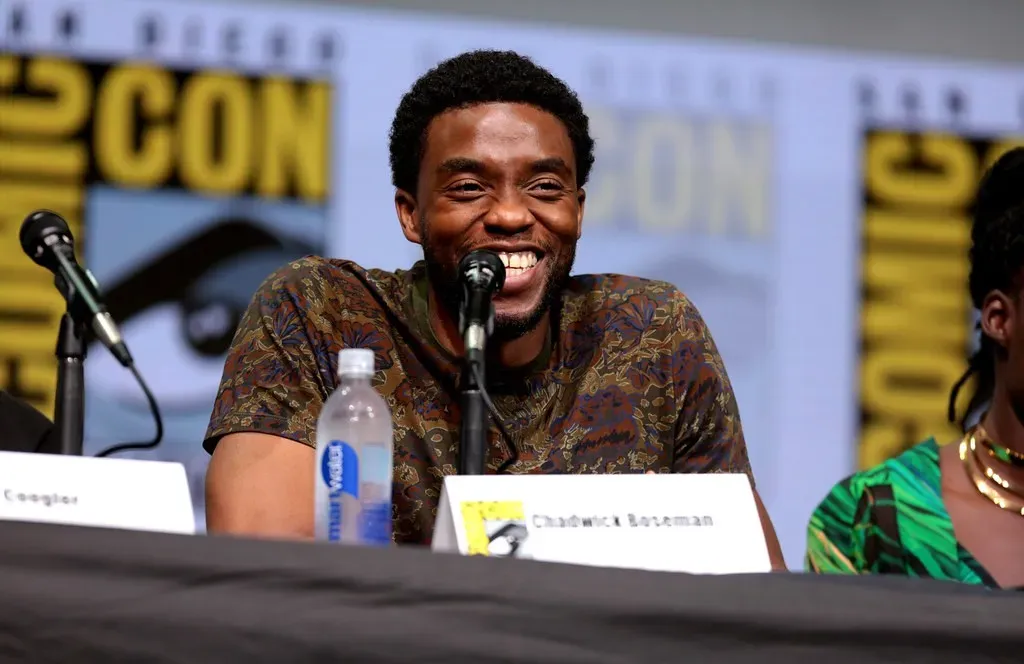
Chadwick Boseman was diagnosed with stage three colon cancer in 2016. That was the same year he made his debut in the Marvel Cinematic Universe in Captain America: Civil War. Diagnosed at stage 3, Boseman continued making movies until he finished his work on the 2020 Netflix film Ma Rainey’s Black Bottom, even after his cancer had progressed to stage 4.
The actor never shared his diagnosis with the public or his coworkers to ensure the focus remained on his work. He continued to perform physically demanding roles while undergoing intensive medical treatment. Boseman had his reasons for keeping his illness a secret, including not wanting to burden others and valuing his privacy. It meant that Boseman was sometimes suffering in silence with what his longtime agent termed “hard-core pain.” His death in August 2020 at just 43 years old shocked the world.
Michael J. Fox – Spin City (1996–2000)
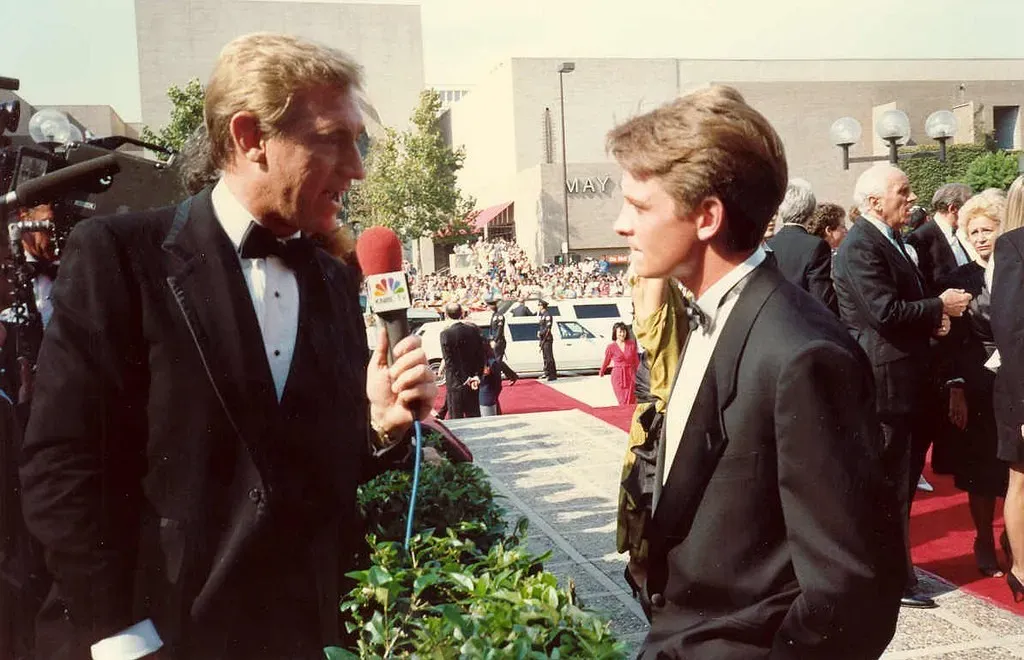
While filming Doc Hollywood in 1991, Michael J. Fox developed a tremor in his pinky finger. A consultation with a neurologist revealed a surprising and devastating diagnosis: he had early-onset Parkinson’s disease. He was only 29 years old. He kept his illness under wraps for the ensuing years and worked steadily in movies, including For Love or Money, The American President, and The Frighteners.
While filming, Fox masked the tremors in his hand by holding an object, though doing so exacerbated his symptoms. During the series’ third season of Spin City, Michael realized that he could no longer hide his Parkinson’s, which prompted him to reveal his diagnosis to the press and public. After one more season, he retired from full-time acting to focus on advocacy and fundraising for Parkinson’s disease. At the 2022 Governors Awards, Fox was awarded the Jean Hersholt Humanitarian Award for his efforts in fighting Parkinson’s, having raised over one billion dollars for research.
Alan Rickman – Eye in the Sky (2015) and Alice Through the Looking Glass (2016)
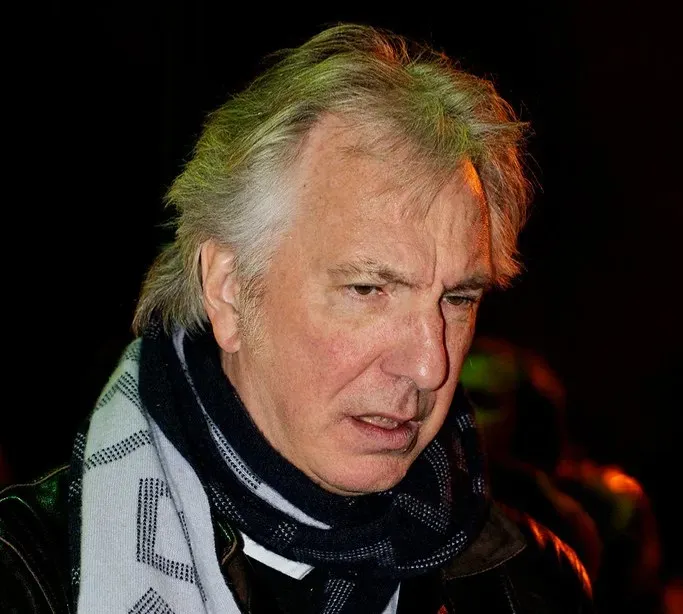
Alan Rickman managed a private battle with pancreatic cancer while working on his final film projects. He completed voice work for Alice Through the Looking Glass and appeared in Eye in the Sky while ill. Very few people outside of his immediate family knew about the severity of his health condition.
With filming for Order of the Phoenix on the horizon years earlier, Rickman had considered dropping his part to recover from a prior health issue, but ultimately decided it was better to finish what he’d started. He continued acting throughout the next decade before being diagnosed with pancreatic cancer in 2015. He maintained a professional presence and a high standard of acting until his passing in early 2016. The news of his illness only became public knowledge after his death.
Partner offer
Robin Williams – Night at the Museum: Secret of the Tomb (2014)
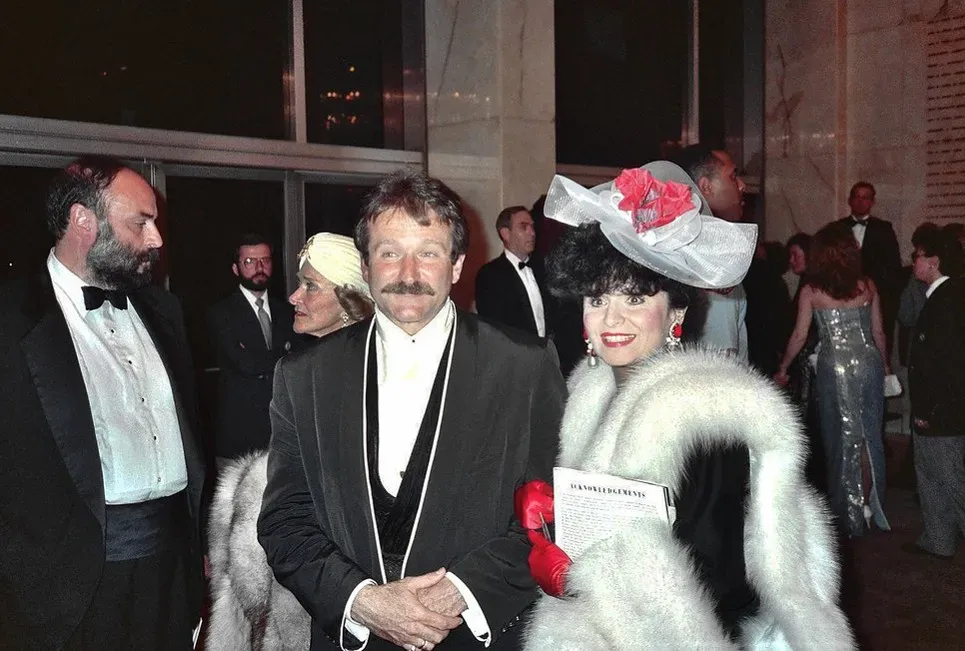
Williams struggled particularly while filming Night at the Museum 3 in the spring of 2014. He had a panic attack and had trouble remembering even one line in his role as Teddy Roosevelt. By contrast, he had remembered hundreds of lines without error while performing on Broadway three years before. Robin Williams was not diagnosed with Lewy body dementia during his lifetime. His autopsy revealed one of the most severe LBD cases pathologists had ever seen. He died believing he had Parkinson’s disease and depression.
He had about 40 percent loss of dopamine neurons and almost no neurons were free of Lewy bodies throughout the entire brain and brainstem. Night at the Museum director Shawn Levy later spoke about the experience of filming with the Oscar winner shortly before his death, noting it was clear to everyone on set that something was wrong with Robin. The true nature of what he was living through remained unknown to him, to his doctors, and to the public until after he was gone.
Michael C. Hall – Dexter, Season 4 (2009)
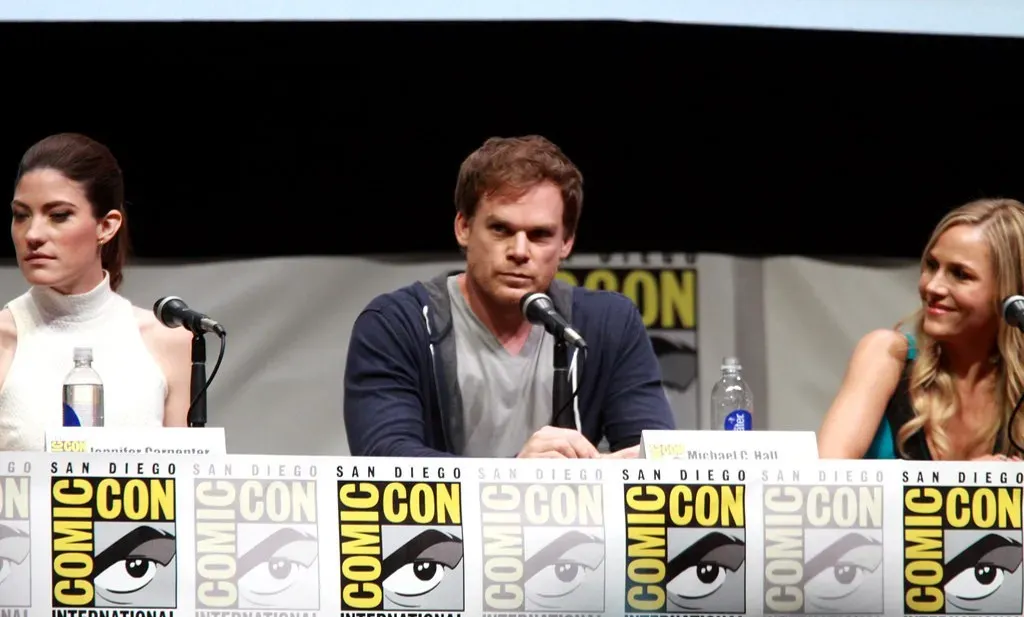
Michael C. Hall battled Hodgkin lymphoma while filming the fourth season of the television series Dexter in 2009. He kept the diagnosis a secret from the cast and crew for several months during production. The actor wore a wig to cover his hair loss caused by aggressive chemotherapy treatments. He eventually announced his condition after production on the season ended and he entered remission.
During the filming of the fourth season of Dexter, Hall kept everything under wraps from his co-stars until the season was done filming, after which he underwent chemotherapy and eventually went into full remission. At the Golden Globes later that year, he could be seen sporting a bald head as a consequence of his treatments. That season of Dexter is widely regarded as the show’s finest, earning Hall a Golden Globe win for Best Actor in a Drama Series. The timing makes it almost impossible to fully separate the performance from what was happening just out of frame.
Humphrey Bogart – The Harder They Fall (1956)
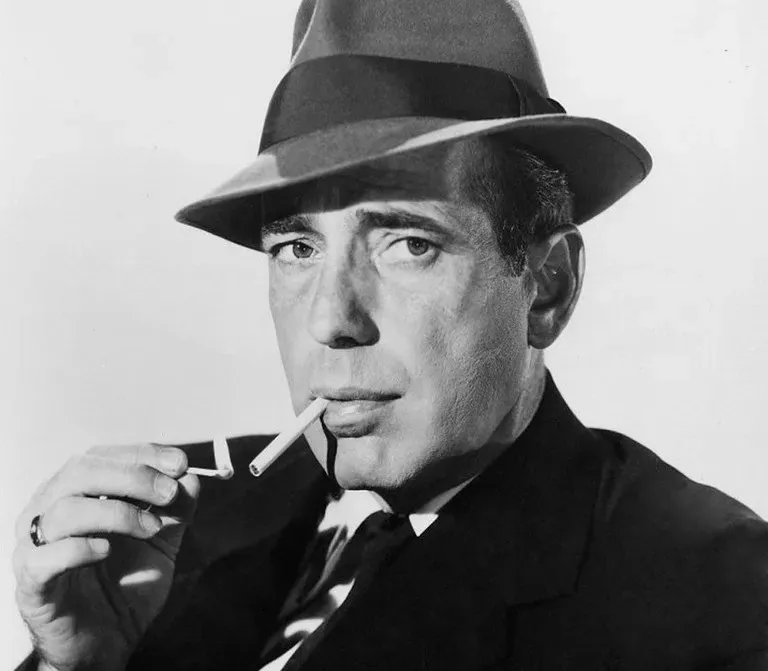
Hollywood’s golden age had no bigger tough guy than Humphrey Bogart, and his final film proved just how real that toughness was. While battling esophageal cancer, Bogart completed his role in The Harder They Fall in 1956, delivering a gritty, compelling performance that showed zero signs of his deteriorating health. He passed away just months after filming wrapped, making every scene bittersweet to revisit.
Bogart developed esophageal cancer while filming his final movie. He suffered from a persistent cough and weight loss that he tried to hide from the crew and the public. The actor underwent surgery and treatment but continued to socialize with his friends in Hollywood. He remained stoic about his condition and rarely complained about the pain he was experiencing. His death in 1957 closed the chapter on one of cinema’s most enduring careers, and it’s worth noting that his final screen appearance gives nothing away.
What runs through all six of these stories is a quiet, almost stubborn refusal to let personal suffering become part of the story. Whether that came from privacy, pride, or sheer love of the craft likely varied from person to person. But the result was the same: performances that have outlasted the diagnosis, and in some cases the actor themselves.
Partner offer
Planning a trip to Vegas?
Compare hotel rates and show tickets on VEGAS.com.