Album art has always carried a strange kind of pressure. A cover has to grab attention in a fraction of a second, yet it also has to survive years of scrutiny once fans, critics, and retailers start picking it apart. Every so often, that scrutiny arrives before the record even hits shelves, and an artist or label finds themselves scrambling to swap out an image that was supposed to be final. What follows is a look at six cases where public reaction forced a genuine change to the artwork, sometimes within days, sometimes decades apart in cultural context but always with the same basic outcome: the picture the world remembers is not the one that was originally intended.
1. The Beatles, “Yesterday and Today” (1966)
The original cover for this Capitol Records compilation showed the Beatles in white butcher smocks, surrounded by raw meat and dismembered doll parts, a piece of “pop art satire” shot by photographer Robert Whitaker. The original cover of “Yesterday and Today” featured the band dressed in butcher smocks, covered in raw meat and dismembered baby dolls, imagery intended as a satirical commentary on the band’s treatment by the record company, but it caused an immediate backlash. Reviewers and distributors who received advance copies reacted with such alarm that the label had little room to negotiate.
The initial response to the cover from the estimated 60,000 advance copies was so negative that Capitol recalled all 750,000 manufactured copies from its distributors for repackaging with a more conventional photograph. In response to retailers’ concerns about the gory imagery, Capitol immediately withdrew the LP and replaced the cover image with a shot of the band gathered around a steamer trunk. Because some plants simply pasted the new image over the old one, collectors later discovered they could peel back the paper to reveal the original underneath, turning a corporate crisis into one of the most valuable quirks in record collecting.
2. Guns N’ Roses, “Appetite for Destruction” (1987)
Axl Rose loved the lowbrow surrealist painter Robert Williams, and he wanted Williams’ 1978 canvas, also titled “Appetite for Destruction,” as the album’s cover art. The gruesome original cover image, based on a Robert Williams painting of the same name, depicts the interruption of a robot rape by an avenging metal angel. Williams himself had warned the band it would cause trouble long before it ever reached stores.
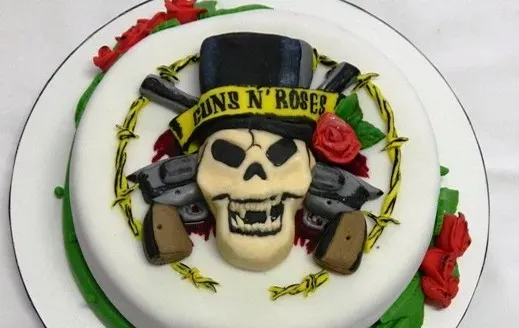
Guns N’ Roses’ breakthrough with Appetite for Destruction took longer than expected, partially because a string of retailers refused to carry the album, and Guns N’ Roses’ record label, Geffen, quickly forced them to find a replacement. They eventually settled on a cross-and-skulls design by Billy White Jr. that became something of a band logo in the years to come. The Williams painting was not scrapped entirely; it just moved to the inner sleeve, where it stayed as the album went on to sell tens of millions of copies worldwide.
3. Scorpions, “Virgin Killer” (1976)
Few album cover controversies have proven as persistent as this one. The original cover featured a nude prepubescent girl, which stirred controversy in the UK, US and elsewhere. Guitarist Rudolf Schenker later said the decision came from the label rather than the band, recalling that it was the record company, whose executives were adamant that “even if we have to go to jail, there’s no question that we’ll release that.”
As a result, the album was re-issued with a different cover in some countries, replacing the image with a straightforward group photo. The controversy did not stay in the past, either. In December 2008, the Internet Watch Foundation blacklisted content on the English Wikipedia related to the album due to the presence of its controversial cover artwork, briefly blocking large parts of the UK from editing the site until the decision was reversed days later.
Partner offer
4. Pestilence, “Levels of Perception” (2024)
Long-running Dutch death metal band Pestilence ran into a very modern version of the same old problem when fans reacted poorly to AI-generated cover art for an upcoming release. Frontman Patrick Mameli responded directly to the criticism rather than digging in, and the band opted to change course.
Mameli’s own explanation for the shift was simple: “Maybe the timing is not right just now.” The episode became one of the earlier, clearer examples in metal of a band pulling AI artwork specifically because listeners objected to the use of the technology itself rather than the imagery it depicted, a tension that has only grown louder across the music industry since.
5. Kesha, “Period” (2025)
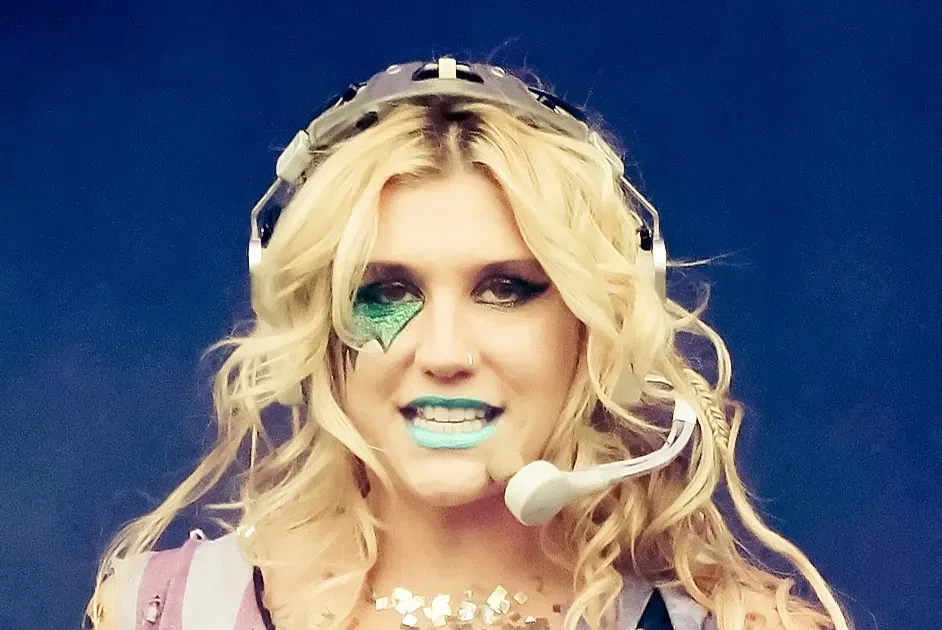
For her first release as a fully independent artist under her own Kesha Records, the singer initially unveiled AI-generated artwork that did not land well with fans. Kesha faced major backlash for her AI artwork on “Delusional.” Responding to criticism, she replaced the artwork with new cover art.
The timing mattered here in a way it might not have earlier in her career. The upcoming album Period was her first release as an independent artist, after she fulfilled her contract with RCA and Kemosabe Records in December 2023 and launched her own label, following an intense legal battle that made this the first time she felt fully in charge of her own career. Swapping the cover quickly, rather than defending it, fit an artist trying to signal that this new chapter would be handled on her own terms.
6. Sabrina Carpenter, “Man’s Best Friend” (2025)
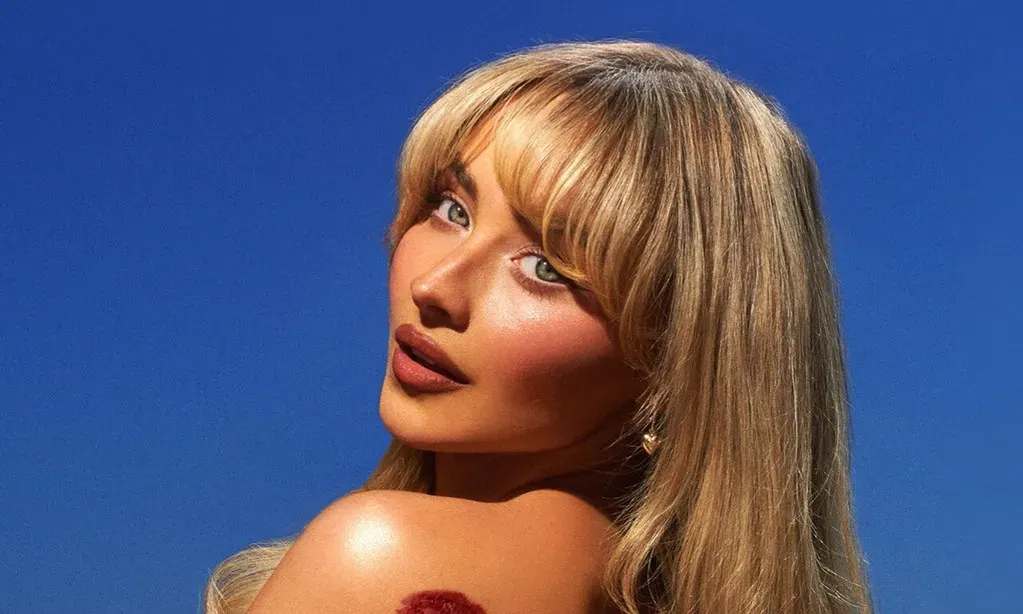
Carpenter’s seventh studio album generated one of the most talked about cover controversies of the mid 2020s. She unveiled the cover art on a Wednesday in June 2025, quickly setting social media ablaze with both fierce criticism of what some feel is a “degrading” cover, while others defend it as a clear work of satire. The image featured a photo of Carpenter kneeling in front of a man who is holding her hair like a leash.
Rather than fully withdrawing the original, Carpenter released a second version. She shared an alternate album cover following significant backlash for the original artwork, posting the new cover and cheekily adding that this second take is “approved by God,” a reference to the accusations of sexism after the release of the first image. By the time the album dropped, Carpenter had already addressed the reaction publicly, telling CBS Mornings that “y’all need to get out more” when discussing critics of the artwork, a response that kept the story in headlines well past its initial release week. These six covers span nearly six decades, yet the underlying dynamic barely changes. A team makes an artistic choice meant to provoke, the public reacts faster and louder than anyone expected, and someone has to decide whether to hold the line or hand over a new picture. What has shifted is the speed of that cycle. The Beatles’ recall took weeks to unfold through pressing plants and distributor memos, while Kesha and Sabrina Carpenter watched backlash build and responded within days, sometimes hours, on social media. The medium changes. The instinct to protect the record, and sometimes the artist’s own comfort, does not.
Partner offer
Planning a trip to Vegas?
Compare hotel rates and show tickets on VEGAS.com.