Music history is full of strange reversals. An album gets released, critics sharpen their pens, and the record gets buried under a pile of dismissive reviews. Then, sometimes decades later, that same album resurfaces as a touchstone, studied by musicians and reissued with fanfare it never got the first time around. What follows are six records that suffered exactly that fate. Each one was mauled, misunderstood, or simply shrugged off when it came out, only to be rediscovered and reclaimed as essential listening. The gap between first reaction and lasting reputation says as much about the limits of criticism as it does about the music itself.
The Velvet Underground & Nico – The Velvet Underground (1967)
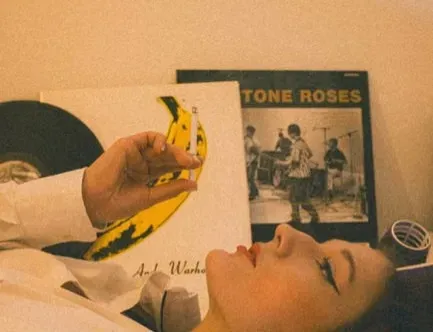
When this record appeared in March 1967, it barely registered. The Velvet Underground & Nico sold poorly and was mostly ignored by contemporary critics, but later became regarded as one of the most influential albums in rock and pop music. The subject matter, drug use, sadomasochism, the seedier corners of city life, made the album a hard sell at a moment when psychedelic flower power dominated the airwaves.
Distribution problems and outright bans compounded the commercial silence. The album’s controversial content led to its almost instantaneous ban from various record stores, many radio stations refused to play it, and magazines refused to carry advertisements for it, and its lack of success can also be attributed to Verve, who failed to promote or distribute the album with anything but modest attention. It took roughly ten years before critics circled back and gave it its due, and today it sits comfortably among the most celebrated debuts in rock history.
Berlin – Lou Reed (1973)
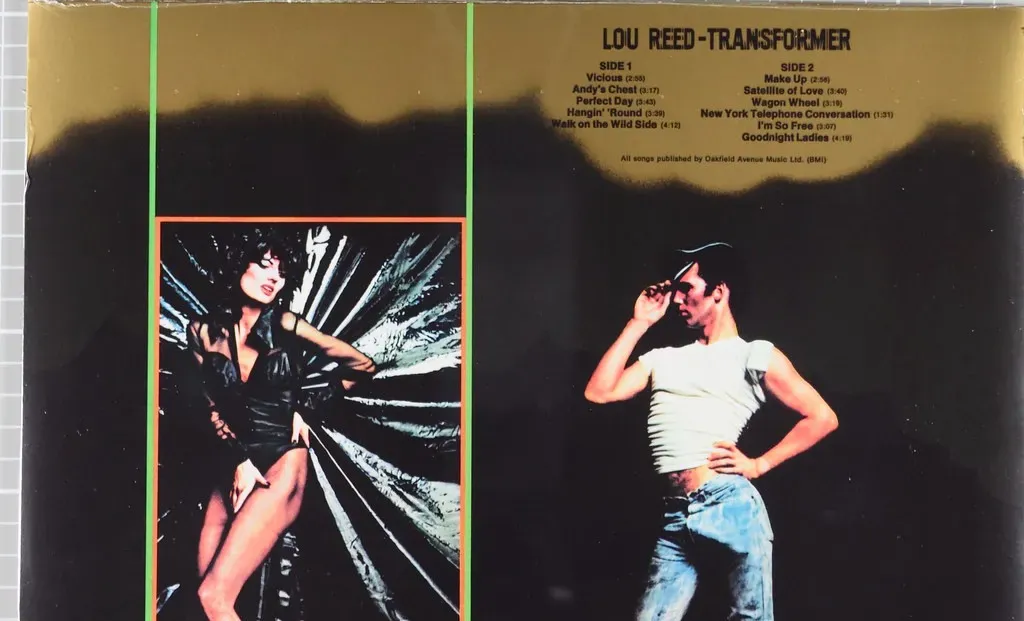
Few albums have been savaged quite as thoroughly as Lou Reed’s Berlin. Berlin profoundly alienated some critics, and Rolling Stone castigated it as one of certain records so patently offensive that one wishes to take some kind of physical vengeance on the artists that perpetrate them. Robert Christgau piled on too, calling the storyline weak and the music merely competent.
The reaction stung badly enough that Reed changed course almost immediately for his next release. Yet time has been unusually generous to this bleak concept album about addiction and a collapsing marriage. Initially, critical reception was mixed but appraisals of the album have warmed over the years, and by 2012 the album was ranked No. 344 on Rolling Stone’s list of the 500 greatest albums of all time. The same publication that once called it a disaster eventually admitted it had gotten it wrong.
Tusk – Fleetwood Mac (1979)

Following up a record that sold tens of millions of copies is nearly impossible, and Fleetwood Mac chose to respond with an experimental, unruly double album instead of a safe sequel. Critics were divided, some hailed its daring experimentation while others dismissed it as self-indulgent, and for years Tusk was regarded as a failure, a bloated and expensive misstep that marked the beginning of Fleetwood Mac’s decline. Compared against Rumours, almost nothing could have measured up commercially.
Reassessment came slowly but decisively. History has been kind to Tusk, and in the decades since, critics have reassessed it as a misunderstood masterpiece, a proto-indie record that anticipated the genre-fluid landscape of modern rock, with artists from Tame Impala to St. Vincent citing it as an influence. What once sounded like a band losing its way now reads as a band ahead of its time, willing to risk everything on artistic instinct over commercial calculation.
Partner offer
Pinkerton – Weezer (1996)

Weezer’s raw, confessional second album landed with a thud after the polished success of their debut. Pinkerton, the follow up to Weezer’s hugely successful 1994 self-titled debut, was something of a commercial and critical failure upon its release, as Rivers Cuomo’s darkly themed opus of confused and frustrated sexuality and the self-produced album’s more abrasive, gritty and less polished sound didn’t initially sit well with fans, critics, radio, or even the other band members, and it was voted the third worst album of the year in a Rolling Stone readers’ poll. Frontman Rivers Cuomo reportedly felt so burned by the response that it shaped how cautiously he wrote for years afterward.
The turnaround eventually became one of rock criticism’s most cited cautionary tales. Six years after panning it, Rolling Stone’s readers voted it the 16th greatest album ever, and critics retrospectively hailed the album as a masterpiece. Rolling Stone itself went as far as revising its original take, and the band later played the record front to back on tour for fans who had grown up practically worshipping it.
Exile on Main St. – The Rolling Stones (1972)
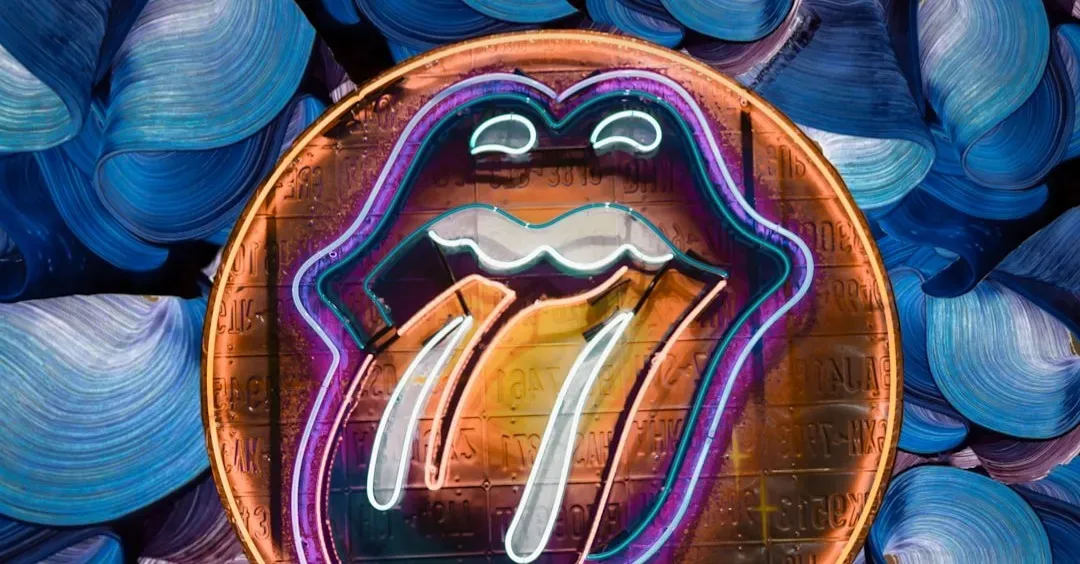
This sprawling double album, recorded partly in a damp basement in the south of France, initially struck several critics as messy, murky, and unfocused compared to the tighter records that preceded it. Reviewers at the time complained about muddy production and a lack of immediate hooks, treating it as evidence that the band had lost some of its discipline. The songs felt loose, occasionally sloppy, and far removed from the crisp singles the Stones were known for.
Decades of listening changed that verdict almost entirely. What once read as sloppiness is now widely interpreted as raw, lived-in authenticity, the sound of a band stretching out rather than losing focus. Exile on Main St. now routinely appears near the top of greatest albums lists, admired precisely for the grit that critics originally held against it.
Low – David Bowie (1977)

Bowie’s abrupt pivot toward fragmented instrumentals and cold, electronic textures baffled plenty of listeners who expected another glam rock statement. His own record label reportedly worried the album was commercial suicide, and some critics at the time treated it as an indulgent detour rather than a serious artistic statement. The stark, minimal second side in particular divided opinion sharply. Low is now recognized as one of the most influential albums of its era, a record that helped shape post punk, ambient music, and countless artists who came after. Its reputation only grew as musicians openly credited it as a turning point in their own creative direction. What sounded alienating in 1977 now sounds prescient, a record that arrived years ahead of the ears ready to appreciate it. Taken together, these six albums share a common thread. Each one asked listeners to abandon expectations shaped by an artist’s earlier work, and each one paid a price for that request at the time. The lesson, if there is one, is that critical consensus is rarely final. Sometimes an album simply needs the audience to catch up.
Partner offer
Planning a trip to Vegas?
Compare hotel rates and show tickets on VEGAS.com.