Literary history is full of tidy stories that get repeated so often they start to feel like fact. A quote sounds right, a rumor fits a writer’s public image, and before long the myth is more famous than the truth it replaced. Some of these tales have survived for over a century, passed down through classrooms, quote calendars, and now social media feeds, until separating fact from fiction takes actual digging. What follows are seven of the most persistent myths about celebrated authors, along with what the historical record actually shows. A few of these will surprise you, especially if you’ve been repeating them yourself.
1. Shakespeare didn’t really write his own plays
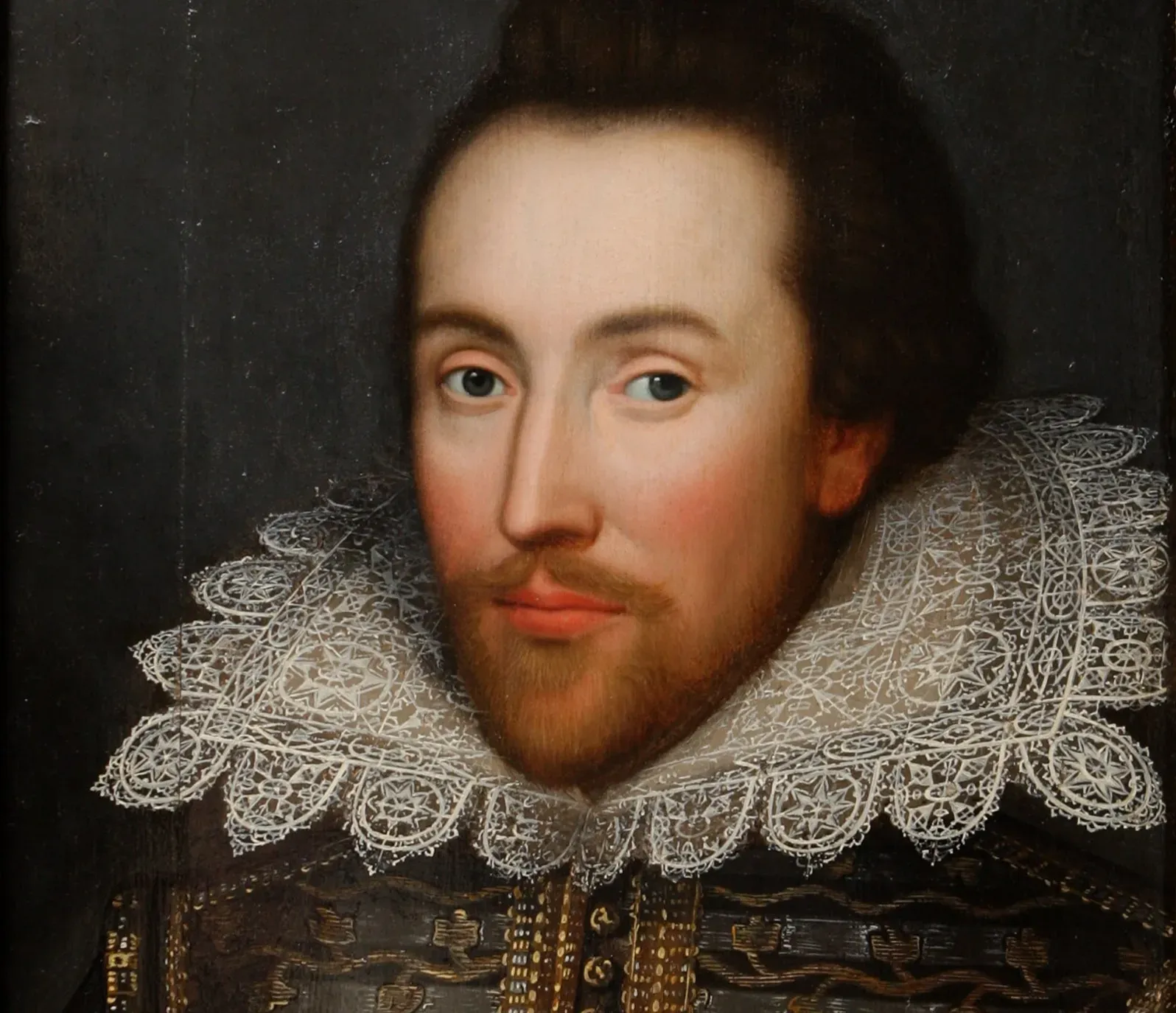
The idea that William Shakespeare, a glove maker’s son from Stratford upon Avon, lacked the education or worldliness to produce works like Hamlet has circulated for well over a century. Doubters have proposed candidates ranging from Francis Bacon to Edward de Vere, the seventeenth Earl of Oxford, as the “real” author hiding behind a pseudonym. Belief in the Oxfordian story requires accepting a set of myths that research shows are simply not true, myths that have been repeated and handed down for decades without verification.
Historians point out that many playwrights of the era came from modest backgrounds, and documented references from Shakespeare’s contemporaries describe him as both actor and playwright. Oxfordians have also claimed aristocrats could not publish under their own names, but scholars note that Tudor aristocrats actually published regularly, meaning the so called stigma of print is itself a myth. The authorship question makes for compelling speculation, but the documentary evidence still points squarely at the man from Stratford.
2. Mark Twain said most of the witty quotes attributed to him

If you’ve ever seen a clever one liner on a coffee mug credited to Mark Twain, there’s a decent chance he never said it. Twain remains one of the most quoted American writers, which unfortunately also makes him one of the most misquoted. Mark Twain remains the most frequently quoted American author, which means he is also the most frequently misquoted author.
Take the famous line about a lie traveling halfway around the world before truth puts its shoes on. Researchers have traced versions of this idea back to publications in the 1820s without attribution, decades before Twain was even born. Another widely shared line about reading obituaries with great pleasure actually likely originated as a misquotation of a 1932 quote from lawyer and politician Clarence Darrow. Twain’s genuine wit was sharp enough on its own; he didn’t need centuries of borrowed aphorisms attached to his name.
3. Edgar Allan Poe drank himself to death
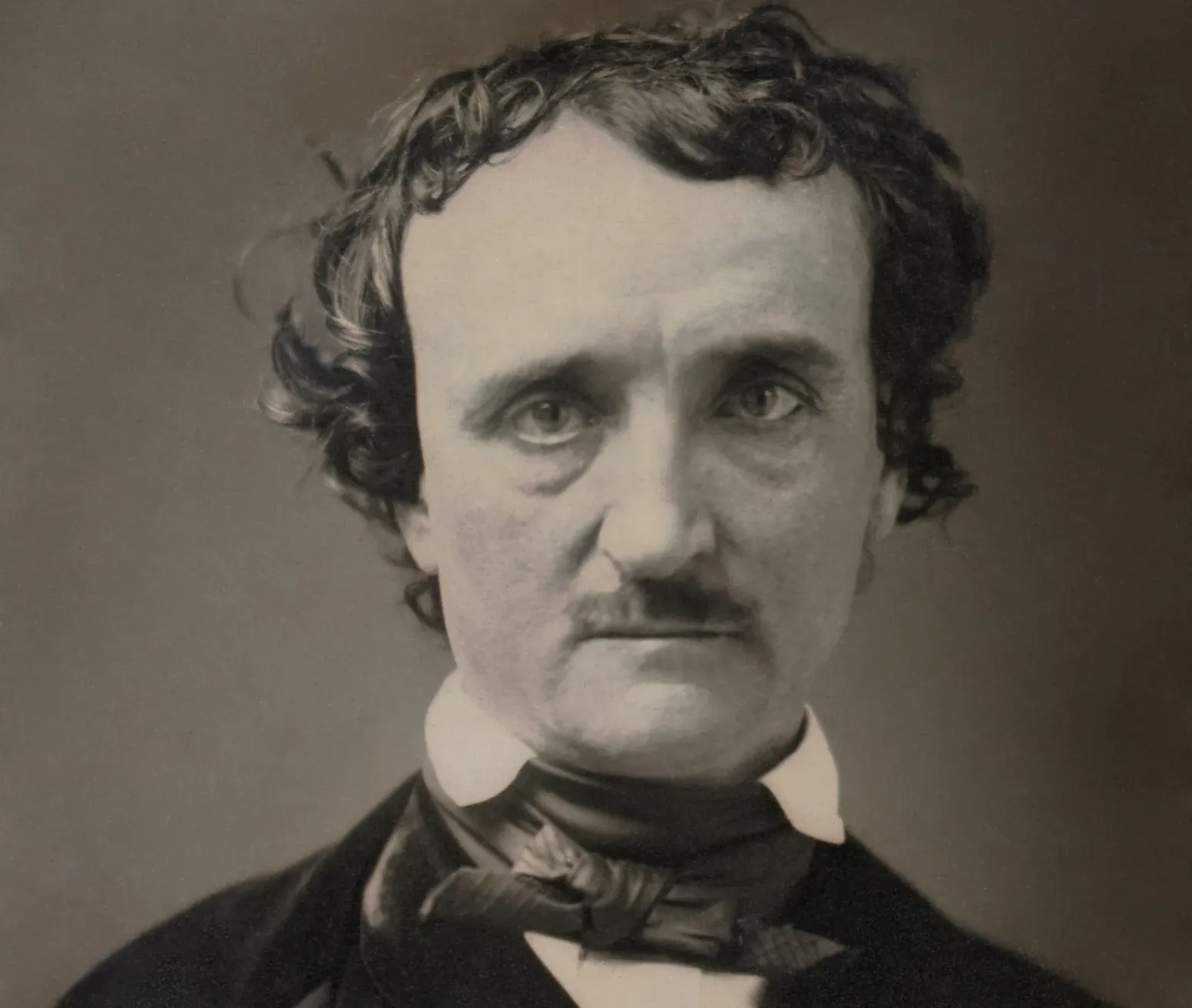
Poe’s mysterious final days in Baltimore have fueled one dominant narrative for generations: that the master of gothic horror died from alcoholism after a bender. It’s a tidy story that fits his brooding public image, but medical historians say the picture is far murkier. Theories as to what caused Poe’s death include murder, suicide, cholera, hypoglycemia, rabies, syphilis, tuberculosis, influenza, and cooping, and evidence of the influence of alcohol is strongly disputed.
Several accounts note that Poe had actually sworn off drinking in the months before his death. Contemporaries described him as so sensitive to alcohol that a single glass of wine would make him violently ill for days, and by the time of his death he almost always stayed clear of the bottle. One physician who reviewed his symptoms even proposed rabies as a more consistent explanation, showing just how unsettled this question remains nearly two centuries later.
4. Hemingway wrote the famous six-word “baby shoes” story
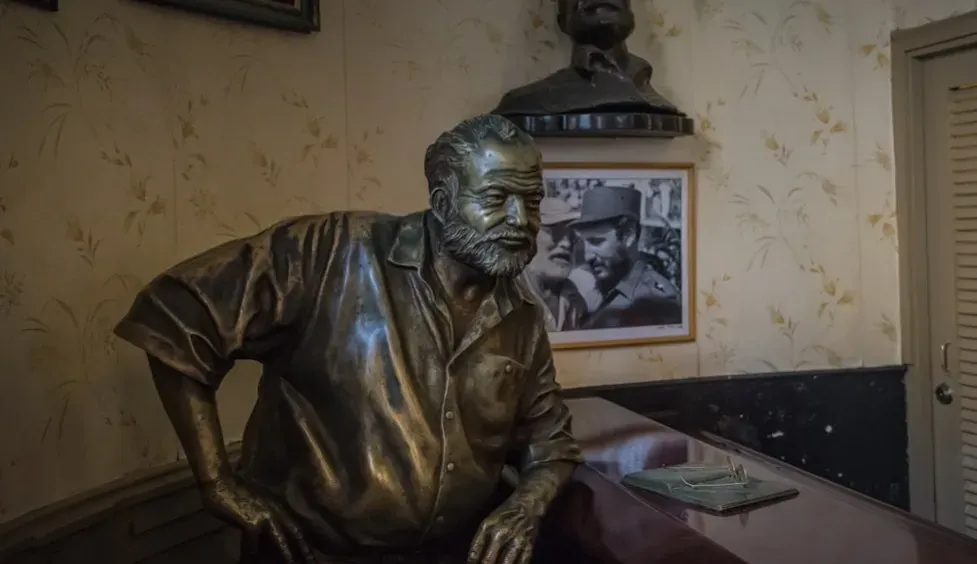
Few pieces of flash fiction are as widely cited as the six-word tale about baby shoes never worn, and it’s almost always attributed to Ernest Hemingway, supposedly written to win a bar bet. It’s a great story about a story, except the evidence doesn’t hold up. The story is popularly misattributed to Hemingway, which is implausible, as versions of it first appeared in 1906, when Hemingway was seven years old, and it was first attributed to him only in 1989, almost thirty years after his death.
Researcher Garson O’Toole, who runs the fact checking site Quote Investigator, dug deeply into the origin and came away unconvinced. He located no substantive evidence that Ernest Hemingway composed a six or seven word story about an unworn pair of baby shoes or an unused baby carriage. The tale traces back to newspaper classified ads from the early twentieth century, decades before anyone connected it to Hemingway at all.
Partner offer
5. Charles Dickens padded his novels because he was paid by the word
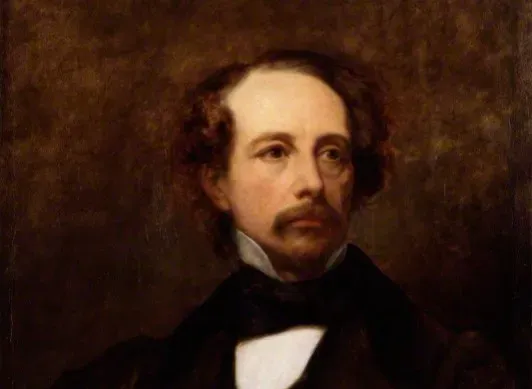
Dickens’s sprawling, densely populated novels have led generations of readers to assume he was cashing in on a per-word payment scheme, stretching plots to fatten his paycheck. It’s a satisfying explanation for the length of books like Bleak House, but it misunderstands how Dickens actually got paid. He wrote many of his novels in monthly or weekly serialized installments, earning a fee per installment rather than per individual word, which meant there was no direct financial incentive to inflate word count.
The serial format did shape his storytelling in real ways, encouraging cliffhangers and subplots that kept readers subscribing month after month. That’s a structural influence on his writing, not evidence of deliberate padding for profit. Dickens was, by most accounts, a meticulous plotter who revised extensively, which hardly fits the image of an author churning out filler for extra coin.
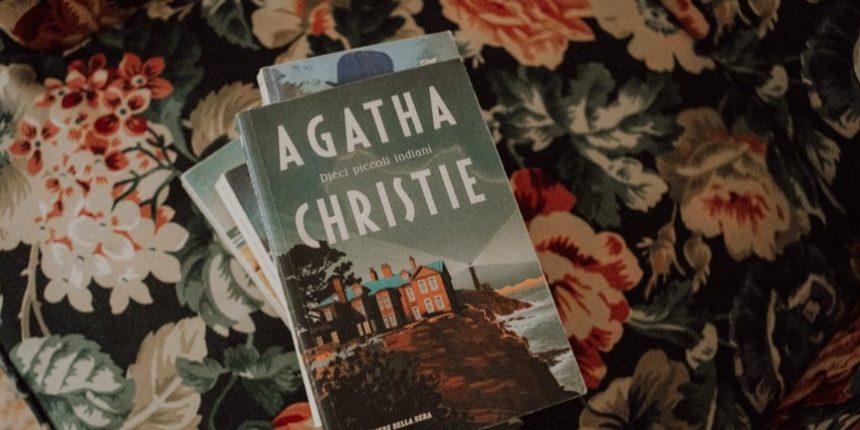
6. Agatha Christie’s 1926 disappearance was a publicity stunt
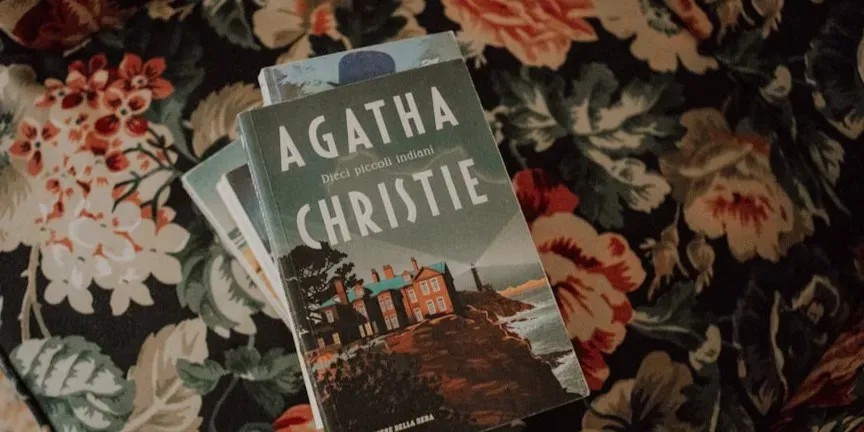
When Agatha Christie vanished for eleven days in December 1926, sparking a nationwide search involving thousands of volunteers and even airplanes, the press quickly speculated it was a calculated stunt to boost book sales. The theory has lingered in pop culture ever since, showing up in films and novels that treat it as settled fact. Christie herself never fully explained the episode publicly, which only fed the speculation for decades.
Biographers and the small number of contemporaneous medical assessments instead point toward a psychological breakdown, likely triggered by the recent death of her mother combined with her husband’s request for a divorce. She was eventually found registered under an assumed name at a Yorkshire spa hotel, disoriented and reportedly unaware of the search underway for her. The publicity stunt theory makes for a punchier headline, but it doesn’t match the accounts of those who were actually present at the time.
7. J.K. Rowling wrote Harry Potter as a homeless, penniless single mother
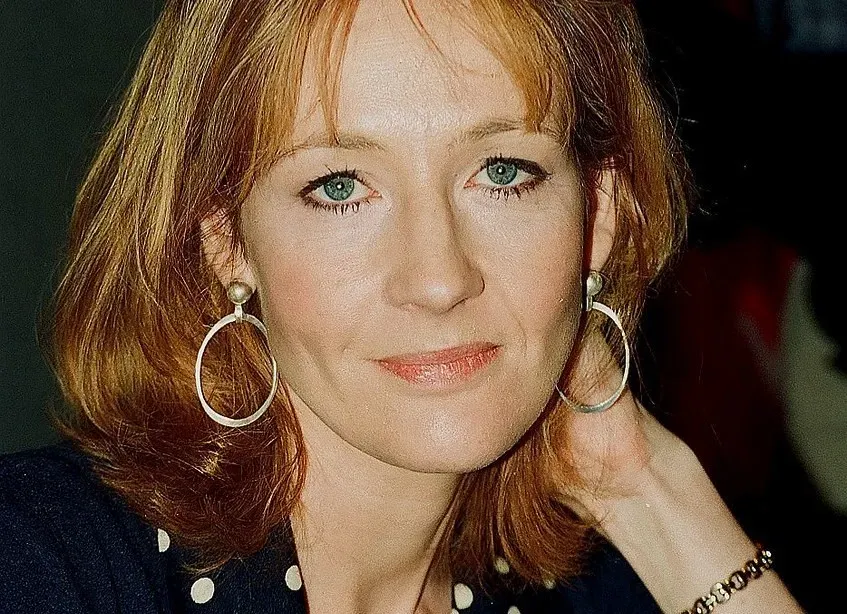
The story of Rowling drafting the first Harry Potter manuscript in a freezing Edinburgh cafe because she couldn’t afford heat at home has become part of modern publishing folklore, often used as an inspirational rags to riches narrative. Parts of this are grounded in reality. She was a single mother receiving state benefits during a genuinely difficult stretch, and she did write in cafes partly because walking her daughter to sleep in a pram gave her a chance to work uninterrupted.
However, the more extreme versions of the story, including claims that she was literally homeless or destitute to the point of near starvation, go well beyond what Rowling herself has described in interviews over the years. She has clarified that while money was tight and the period was stressful, the popular myth exaggerates the hardship into something closer to a rags to riches fairy tale than an accurate memoir. The real story, a struggling but resourceful writer working around a young child’s schedule, is less dramatic but still worth telling accurately.
Myths like these tend to stick around because they’re simply better stories than the messy, uncertain truth. A tortured genius drinking himself into oblivion, a playwright too humble to have written masterpieces, a bet won with six perfect words, all of it makes for good conversation. The actual historical record is usually more complicated, less cinematic, and, in its own way, more interesting once you look closely.Partner offer
Planning a trip to Vegas?
Compare hotel rates and show tickets on VEGAS.com.