Some sentences stick with us long after we’ve forgotten the plot around them. A great opening line can work like a handshake, a dare, or a quiet invitation to keep reading.
The nine below turn up in classrooms, quotations lists, parodies, and casual conversation. Each one comes from a book with a long life, and each has been part of the culture for decades or more.
Pride and Prejudice by Jane Austen
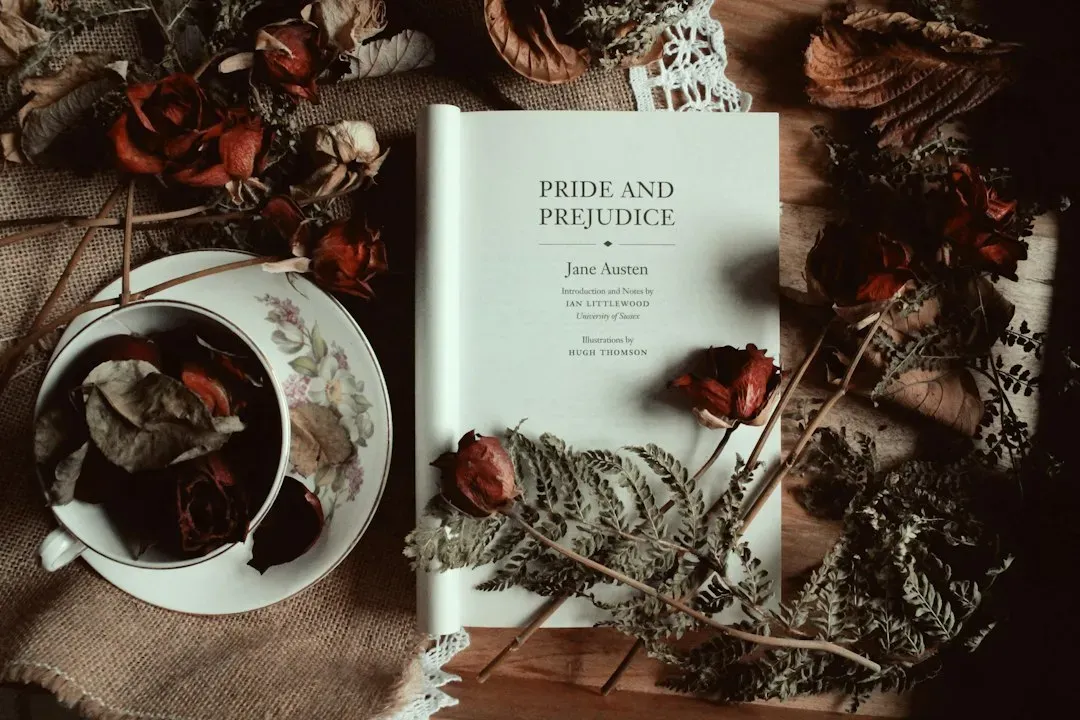
Published in 1813, Austen’s novel begins with a remark about single men, fortune, and the assumed need for a wife. The line is a piece of irony, because the book quickly shows that the real pressure falls on the women around those men.
It’s probably the most imitated opening in English fiction. Writers still borrow its structure, swapping in other subjects to make a joke or a point, which shows how well the original rhythm works.
A Tale of Two Cities by Charles Dickens
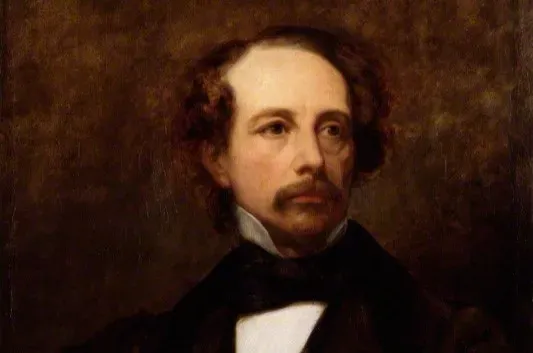
Dickens opened this 1859 novel with a run of contrasts, setting the best of times against the worst of times. The sentence goes on, pairing wisdom with foolishness and belief with doubt.
Its balance mirrors the book’s setting, London and Paris during the French Revolution. Readers often quote just the first few words, yet the full passage is what gives the line its sweep.
Moby-Dick by Herman Melville

Melville’s 1851 novel begins with a short, plain request to call the narrator Ishmael. It’s a strangely casual start for a book that later grows into something vast and strange.
The line implies that the name might not even be real, which quietly sets up a narrator who shapes the story as he likes. Many readers who never finish the novel still know these three words.
1984 by George Orwell
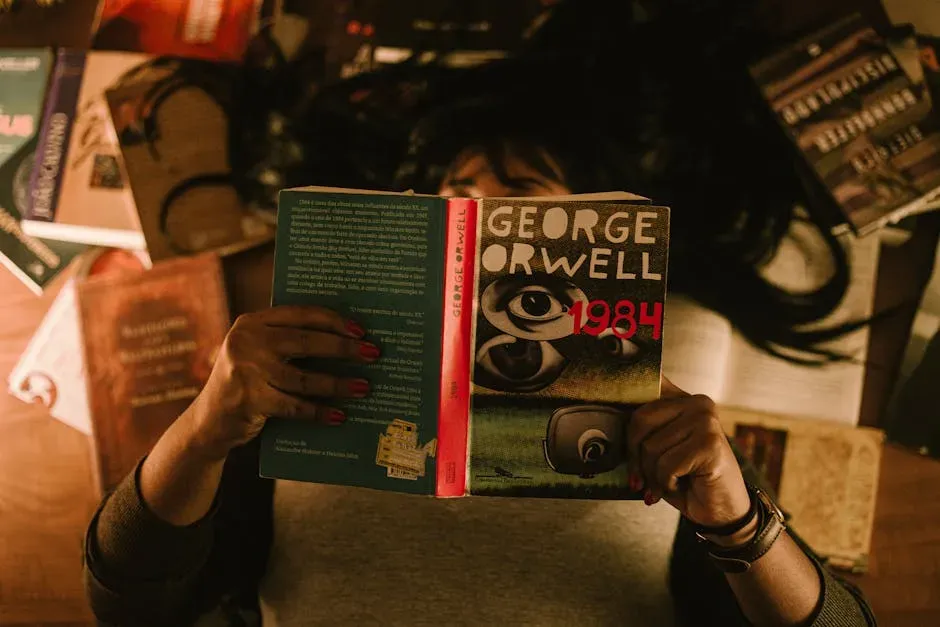
Orwell’s 1949 novel opens on a bright, cold day in April, with clocks striking thirteen. The detail is small, but it tells you at once that something in this world is off.
The strike of thirteen unsettles the reader without any explanation. It’s a good example of how a single odd fact can build a world faster than a paragraph of description.
Partner offer
Anna Karenina by Leo Tolstoy
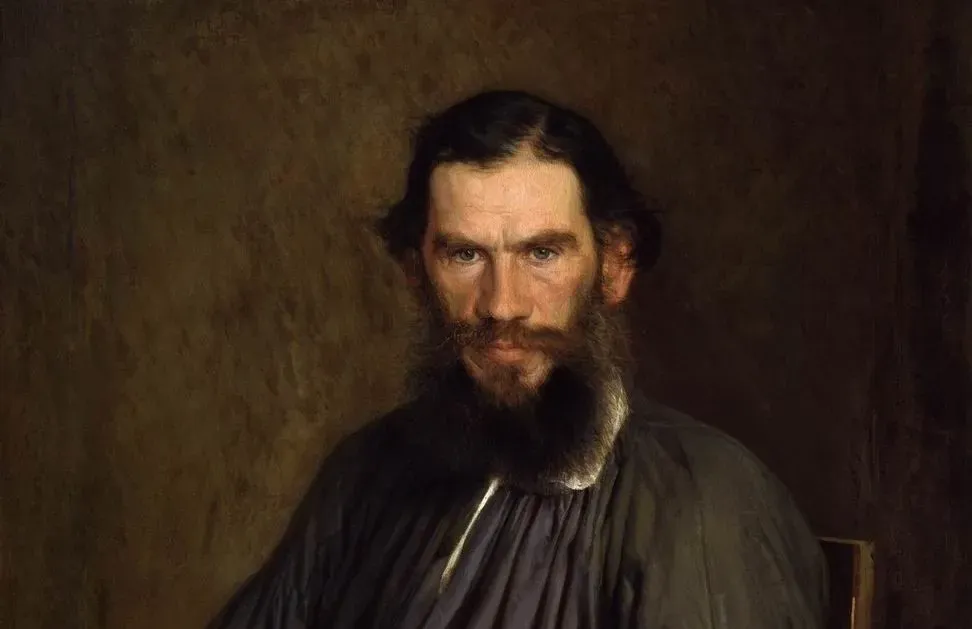
Tolstoy’s 1878 novel begins with a claim about families: happy ones resemble each other, while unhappy ones each suffer in their own way. English translations vary a little in wording, but the idea stays the same.
The line works as a thesis for the whole book, which follows several households in different states of trouble. It’s often quoted outside literature too, in discussions of psychology and family life.
The Great Gatsby by F. Scott Fitzgerald
Fitzgerald’s 1925 novel opens with Nick Carraway recalling advice from his father about withholding judgment and remembering that others haven’t had the same advantages. It’s a modest, reflective beginning for a story about excess.
The passage also tells you how to read Nick, who insists he’s tolerant yet ends up judging nearly everyone. The book entered the public domain in the United States in 2021, so its opening is now freely reproduced and adapted.
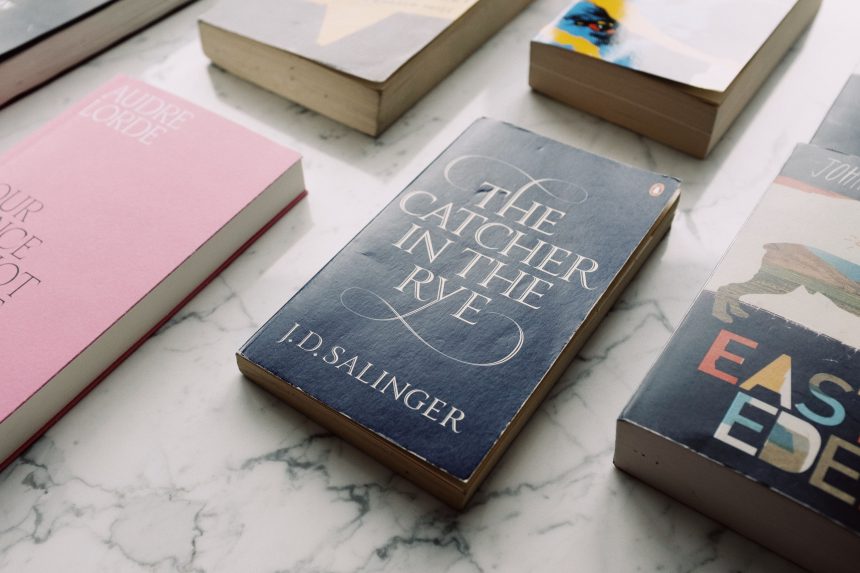
Call Me Ishmael’s Neighbor: The Catcher in the Rye by J. D. Salinger
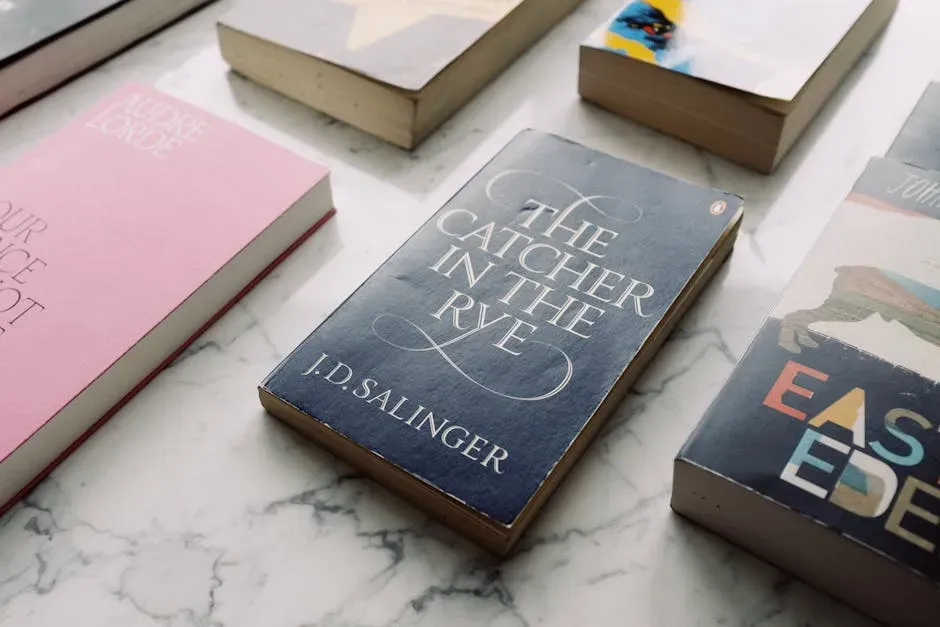
Salinger’s 1951 novel begins with Holden Caulfield telling the reader that they’ll probably want to know where he was born and about his childhood. He then brushes off the idea, saying he doesn’t feel like going into all that.
The voice is instantly conversational and a bit defiant. That tone shaped a great deal of American fiction that followed, and it explains why the book still resonates with teenage readers.
One Hundred Years of Solitude by Gabriel García Márquez
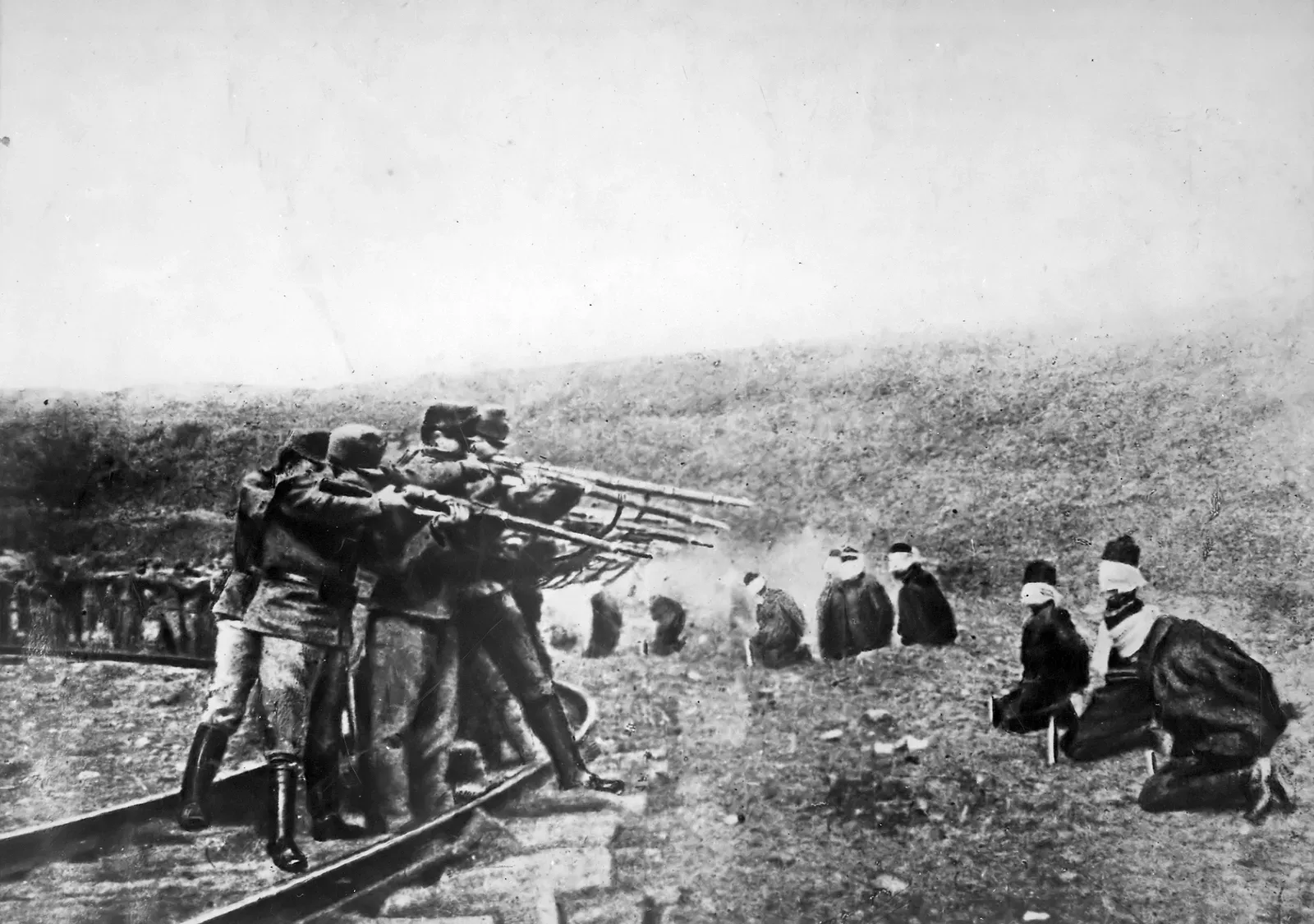
The 1967 novel begins with Colonel Aureliano Buendía facing a firing squad and remembering the afternoon his father took him to discover ice. Time folds in on itself in a single sentence, moving from future to past.
This tells you what to expect from the book, where generations repeat and memory blurs. It’s regularly cited as a model of magical realism, and its opening is a common example in writing courses.
Harry Potter and the Philosopher’s Stone by J. K. Rowling
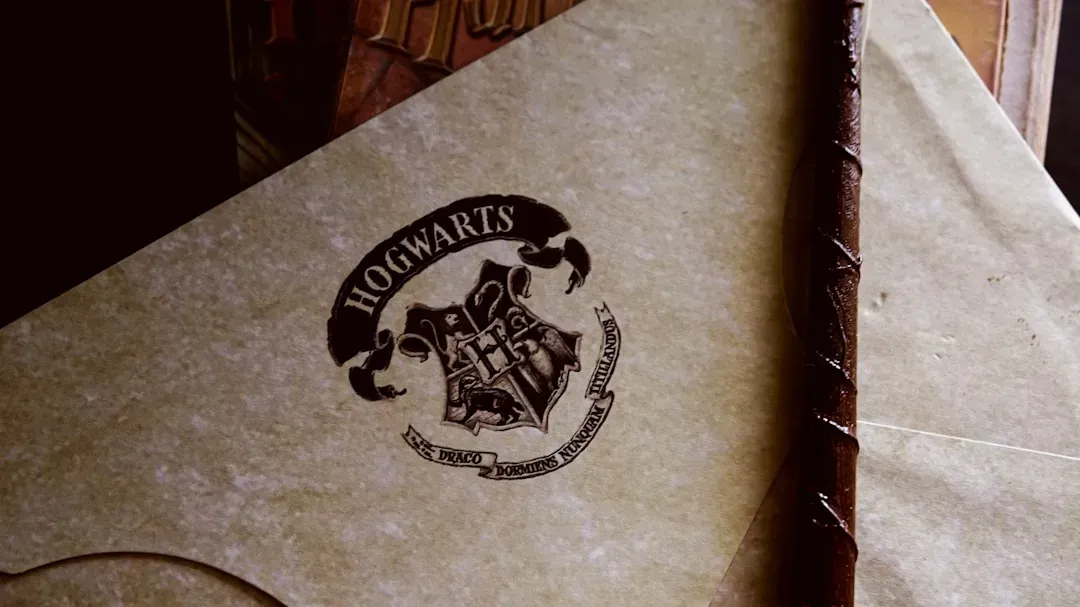
Rowling’s 1997 debut opens by introducing Mr and Mrs Dursley of number four, Privet Drive, and stressing how proudly normal they are. The setup is dry and comic, and it makes the arrival of magic feel like a surprise.
The line is a newer entry on this list, but it’s known to readers across several generations. The series has sold hundreds of millions of copies worldwide, so this ordinary suburban address is now among the most familiar in fiction.
Partner offer
Planning a trip to Vegas?
Compare hotel rates and show tickets on VEGAS.com.