There’s a particular irony in the history of literary censorship. The books that authorities tried hardest to suppress are, more often than not, the ones that proved most enduring. Although considered masterpieces today, many literary classics were challenged, banned, and censored worldwide – some for political reasons, others for religious or moral ones. The pattern tends to repeat itself across centuries and continents.
Of the Modern Library’s 100 Best Novels published since 1900 in the English language, nine of the top ten have been banned at some point. That’s a remarkable statistic, and it raises an obvious question: what exactly were the censors so afraid of? The six books below offer a pretty clear answer.
Ulysses by James Joyce (1922)

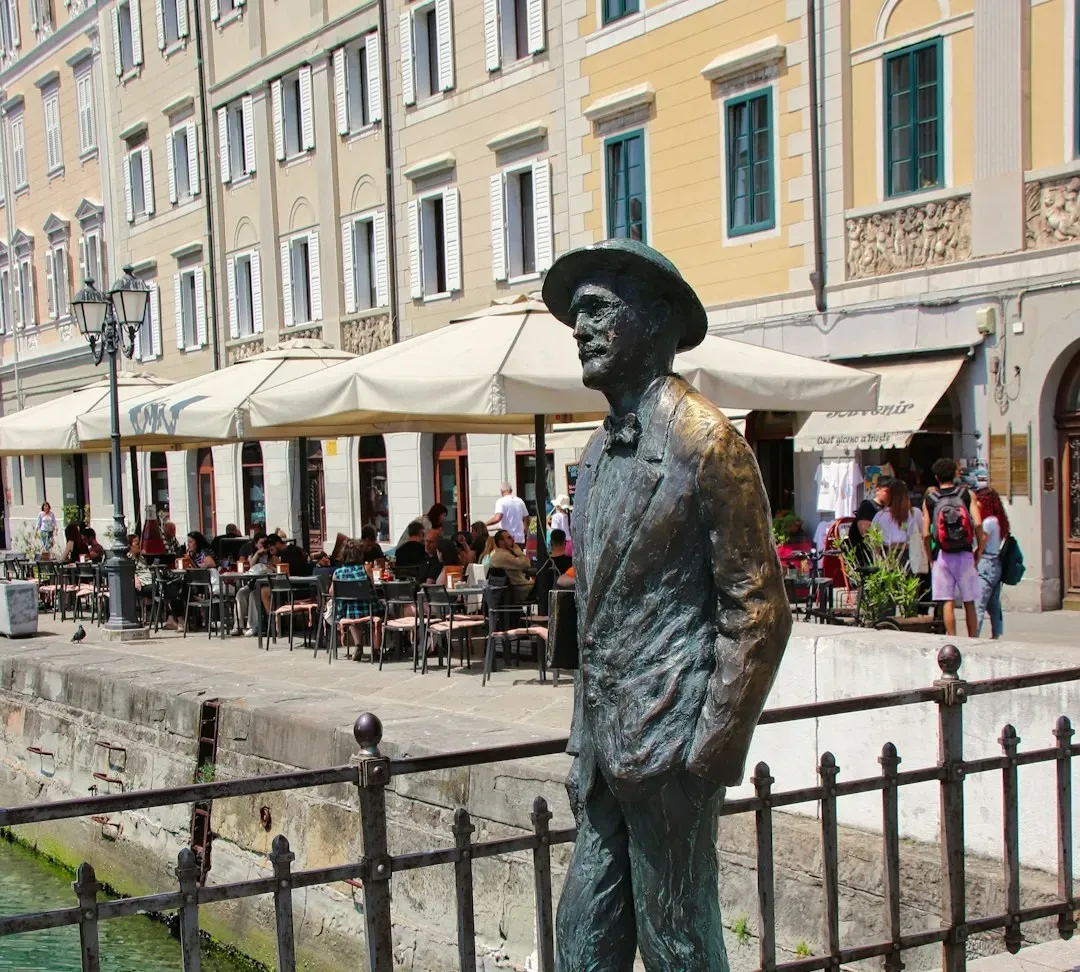
James Joyce’s Ulysses, one of the most important novels of the twentieth century, was declared obscene by a U.S. court while it was being published serially in the American literary magazine The Little Review from 1918 until 1920. Ulysses was first published in 1922 in Paris and instantly became an object of smuggling pride and a valuable collector’s item when successfully transported past British and American customs agents. The U.S. Post Office burned issues of the magazine that had run excerpts, and no American publisher was willing to touch the full manuscript.
At issue was whether James Joyce’s novel was obscene. In deciding it was not, District Court Judge John Munro Woolsey opened the door to importation and publication of serious works of literature that used coarse language or involved sexual subjects. The legalization of Ulysses was a monumental victory for literary freedom, and it significantly bolstered James Joyce’s reputation. Following the decision, Ulysses was published in the United States by Random House in 1934, making the novel accessible to a much broader audience and cementing Joyce’s status as a central figure in modernist literature. It is now widely considered one of the greatest works of English-language literature of the past century.
To Kill a Mockingbird by Harper Lee (1960)

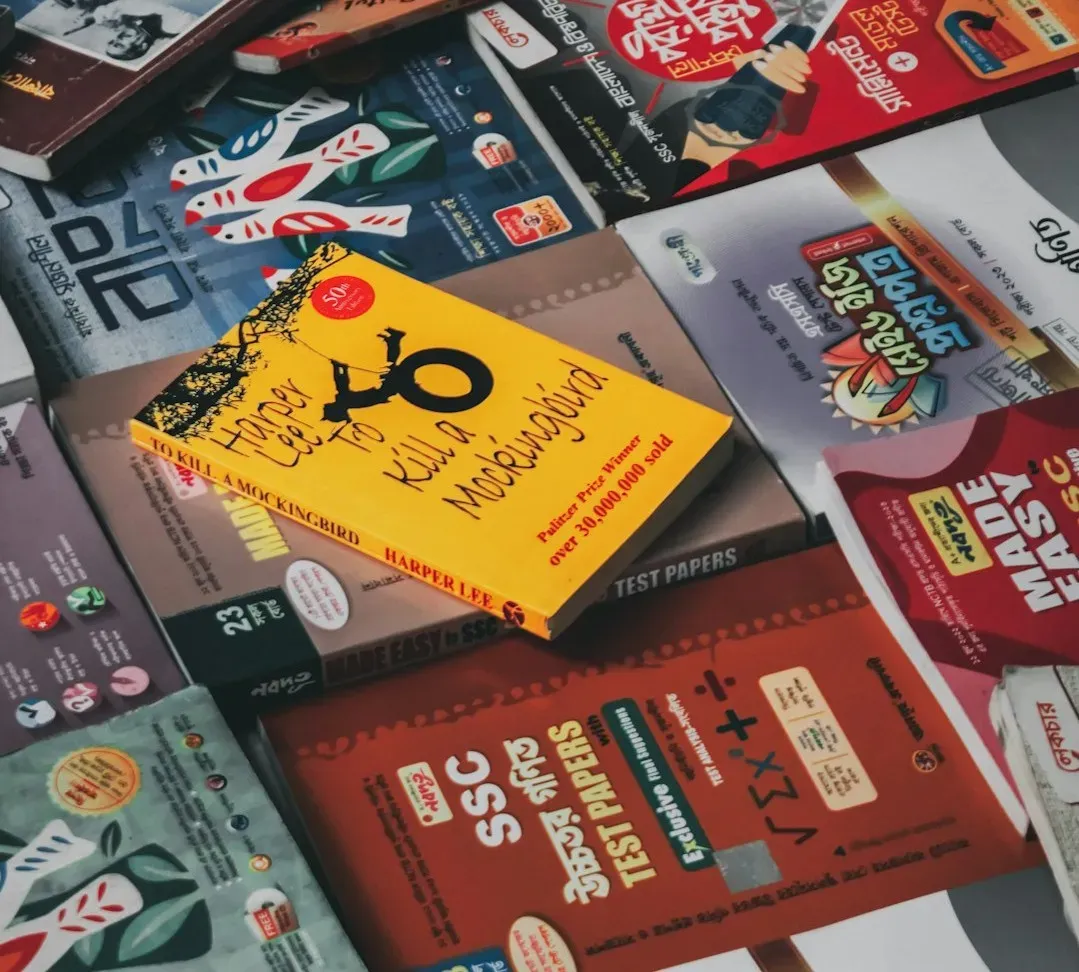
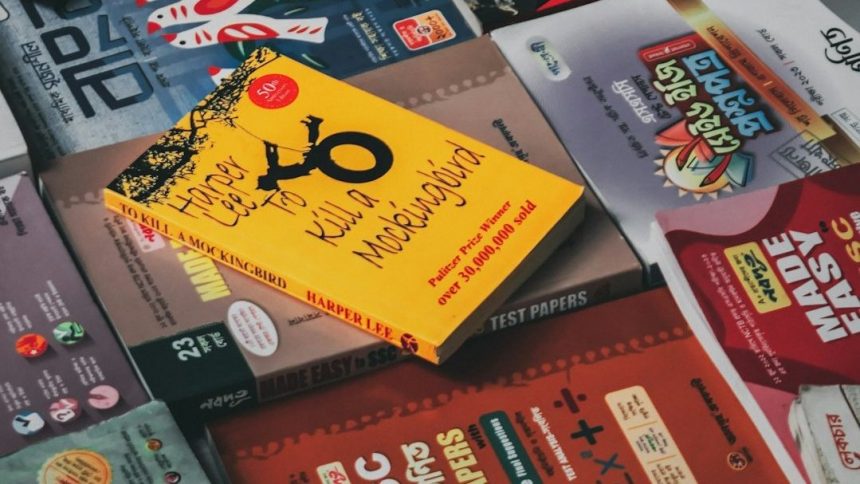
The novel became both an instant bestseller and a critical success when it was first published in 1960. It went on to win the Pulitzer Prize in 1961 and was later made into an Academy Award-winning film. Lee’s Pulitzer Prize-winning novel about racial injustice in the Deep South has been a frequent target of bans, despite – or because of – its moral themes. In 1966, a school board in Virginia removed the book from schools, calling it “immoral” and objecting to its frank discussion of rape.
It has been challenged and banned because of violence, language, racial slurs, and other inappropriate content. Through the young eyes of Scout and Jem Finch, Harper Lee explores with rich humor and unswerving honesty the irrationality of adult attitudes toward race and class in the Deep South of the 1930s. The conscience of a town steeped in prejudice, violence, and hypocrisy is pricked by the stamina and quiet heroism of one man’s struggle for justice. One of the best-loved classics of all time, To Kill a Mockingbird has been translated into more than forty languages, sold more than forty million copies worldwide, and been made into an enormously popular movie.
Brave New World by Aldous Huxley (1932)

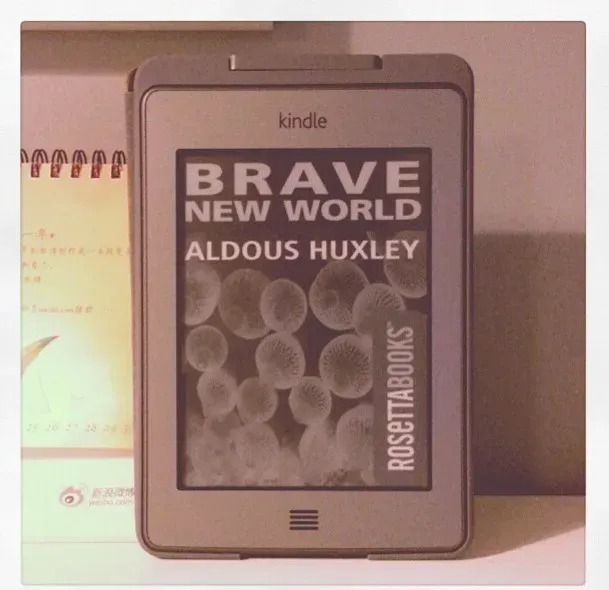
Brave New World is a dystopian novel by English author Aldous Huxley, written in 1931 and published in 1932. Largely set in a futuristic World State, whose citizens are environmentally engineered into an intelligence-based social hierarchy, the novel anticipates huge scientific advancements in reproductive technology, sleep-learning, psychological manipulation, and classical conditioning. The first of many instances of the novel’s censorship occurred in Ireland in 1932, almost immediately after its publication. Ireland’s action to censor the book became a trend in other countries, with Australia quickly following suit that same year.
Brave New World has been banned in numerous countries for a variety of reasons, most notably because its themes clashed with familial and religious values, as well as addressing sexual promiscuity and drug use. There is irony in these ongoing attempts to ban a novel that centers around a society in which anything unpleasant is erased from human history. In 1998 and 1999, the Modern Library ranked Brave New World at number 5 on its list of the 100 Best Novels in English of the 20th century. Huxley was nominated for the Nobel Prize in Literature nine times and has been lauded as a seminal writer and thinker by generations of readers.
Slaughterhouse-Five by Kurt Vonnegut (1969)

Selected by the Modern Library as one of the 100 best novels of all time, Slaughterhouse-Five is one of the world’s great antiwar books. Centering on the infamous World War II firebombing of Dresden, the novel is the result of what Kurt Vonnegut described as a twenty-three-year struggle to write a book about what he had witnessed as an American prisoner of war. It combines historical fiction, science fiction, autobiography, and satire in an account of the life of Billy Pilgrim, a barber’s son turned draftee turned optometrist turned alien abductee.
The American Library Association reports that towns in New York, Ohio and Florida banned Slaughterhouse-Five because of the “book’s explicit sexual scenes, violence and obscene language.” In 2011, the Republic, Missouri, school board unanimously voted to remove the book from library shelves amid complaints it was profane and incompatible with biblical principles. In 1973, the school district of Drake, North Dakota, even burned 32 copies of the novel in its high school’s coal furnace. Despite all of it, Slaughterhouse-Five made Kurt Vonnegut a cult hero in American literature, a reputation that only strengthened over time.
The Grapes of Wrath by John Steinbeck (1939)

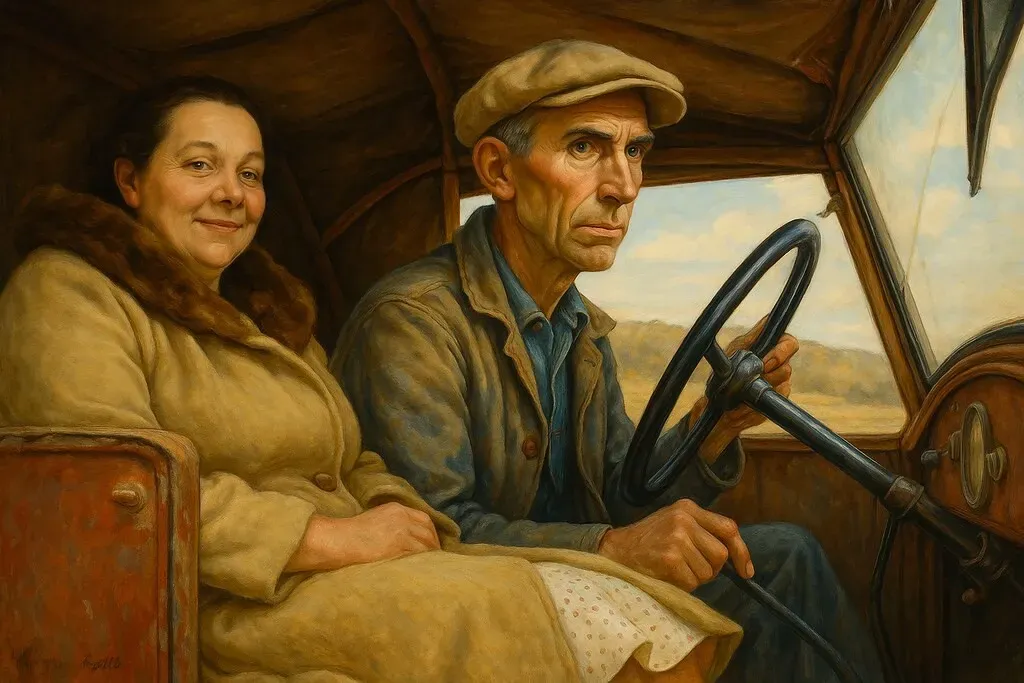
First published in 1939, Steinbeck’s Pulitzer Prize-winning epic of the Great Depression chronicles the Dust Bowl migration of the 1930s and tells the story of one Oklahoma farm family, the Joads, driven from their homestead and forced to travel west. The novel landed in controversy almost immediately after publication, drawing fierce opposition from the very communities it depicted. Residents of Kern County, California, were less than thrilled with the unflattering depiction of their local area and banned it for being libelous.
Less predictable was the reaction of the library board in East St. Louis, Illinois, who ordered the city’s three copies burned because the “objectionable” language was “not fit for anyone’s daughter to read.” The classic tale of Dust Bowl migrants was also banned in Kansas City and Buffalo for its “vulgar words” and sexual references. The American Library Association also reports that Ireland banned The Grapes of Wrath in 1953, and in 1973 Turkish booksellers stood trial for hawking copies of the book along with other “propaganda unfavorable to the state.” Today it stands as one of the defining American novels of the twentieth century, widely taught in schools and universities across the world.
Lady Chatterley’s Lover by D.H. Lawrence (1928)

The U.S. Post Office seized copies as obscene, and Britain’s censors forbade it. The ban came to a head in Britain in 1960, when Penguin Books risked publishing the full text, leading to a famous obscenity trial. Prosecutors infamously asked if it was a book one would wish one’s wife or servants to read. That single question, still widely quoted today, captured exactly the class-bound and paternalistic logic driving so much literary censorship of the era.
Penguin’s acquittal in the 1960 U.K. trial marked a victory for literary freedom. Lady Chatterley’s Lover, finally available to the public, became a bestseller and a symbol of the new sexual openness of the 1960s. What was once shockingly obscene is now regarded as a classic erotic novel and a milestone in the fight against censorship. The book remains a reference point in discussions about literary freedom and censorship. Lawrence’s novel didn’t just survive its banning – it was arguably made more powerful by it, transformed into a symbol of exactly the freedoms its opponents feared most.
What runs through all six of these books is a common thread: each one told a truth that someone, somewhere, found dangerous. Being banned often brings more attention to a book and can increase its popularity. The historical record bears that out. Every book on this list outlasted its censors, and every one of them is read more widely today than the authorities who tried to silence them could ever have imagined.