There’s a quiet irony at the heart of literary fame. The books that make an author’s name are not always the books they wanted to be known for. Some writers watched their most celebrated work rise to cultural immortality while they privately – and sometimes very publicly – wished the whole thing had never happened.
These aren’t cases of false modesty or the usual creative doubt that visits every writer somewhere between draft one and publication day. These are authors who genuinely grew to resent, disown, or despise the very work that made them household names. The reasons vary: creative frustration, moral regret, a suffocating sense of being trapped by a single character, or simply the painful feeling of being misread on a grand scale.
Arthur Conan Doyle and the Detective He Tried to Kill

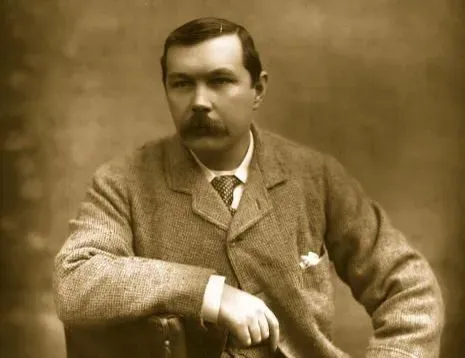
Sir Arthur Conan Doyle wanted above all to be considered a serious writer, and it was no consolation that he had created the most enduring character of modern literature. Doyle wanted to be a great historical novelist; the world handed him a detective and a deerstalker. He felt that Sherlock Holmes had cheapened his reputation rather than built it.
Doyle once wrote that he believed if he had never touched Holmes, “who has tended to obscure my higher work,” his position in literature would have been more commanding. He successfully killed off Sherlock Holmes in “The Adventure of the Final Problem,” sending Holmes and criminal mastermind Moriarty plunging to their deaths in a waterfall, yet years later he was still “forced” to bring him back. Doyle’s own favorite among his many books was “The White Company,” a story of a fourteenth-century youth – the kind of historical novel he considered his real literary legacy.
Agatha Christie and the Detective She Called a “Little Creep”

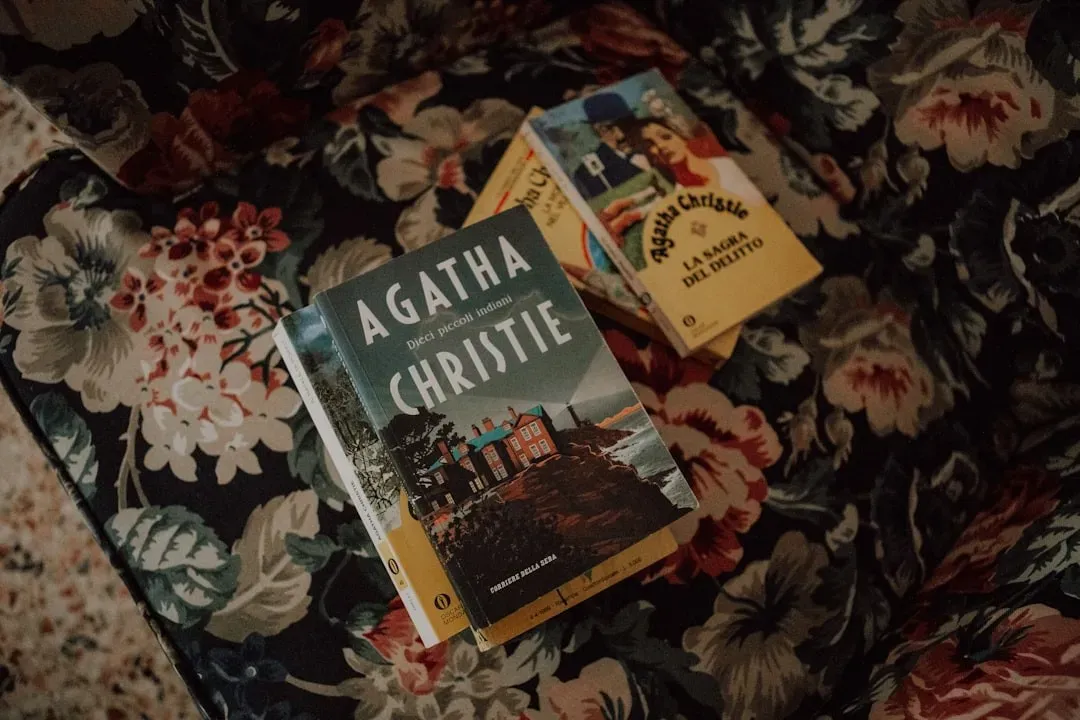
With around two to four billion copies sold in more than a hundred languages, Agatha Christie introduced the world to the fastidious Belgian sleuth Hercule Poirot in her debut novel “The Mysterious Affair at Styles” in 1920, who would go on to solve cases in more than thirty of her books. The relationship, however, was far from affectionate on her end.
Towards the end of her career, Christie grew to hate Poirot, calling him a “detestable, bombastic, tiresome, ego-centric little creep.” She kept writing him anyway out of a sense of duty to readers, and channelled her frustration through a fictional novelist, Ariadne Oliver, who complains about her own detective. In all, she wrote 33 novels and 56 short stories featuring the pompous investigator – a body of work produced largely in spite of herself.
Anthony Burgess and the Novel He Called “A Very Minor Work”

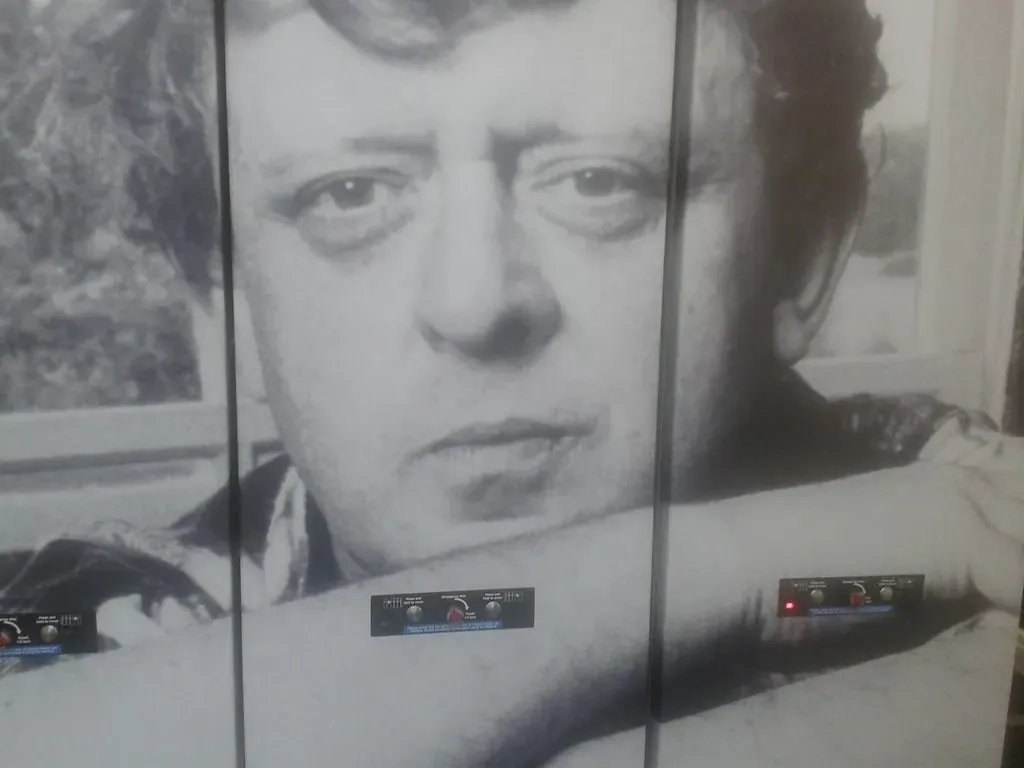
Anthony Burgess hated the work he is best known for – “A Clockwork Orange,” which he claimed had been written in just three weeks – and was frustrated by the fact that he was known only for that book and not for the many other works he had written. The frustration was compounded by what came next.
Burgess called the novel “a foul farrago” and “a very minor work,” resenting being remembered for it above his thirty-plus other books. He spent years alternately disowning and defending the novel, particularly after Stanley Kubrick’s film made it his defining work. He described it as a “novel he was prepared to repudiate.” The film’s enormous cultural footprint only deepened the wound.
A.A. Milne and the Bear Who Swallowed His Career

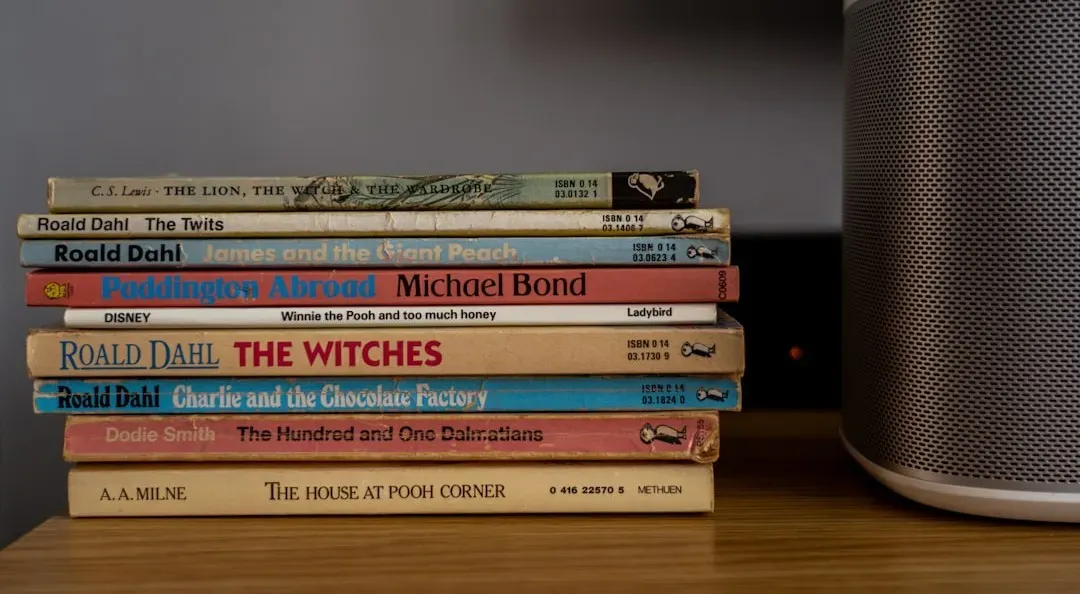
Milne was an author of adult fiction who saw success with “Winnie the Pooh,” originally a set of stories created for his young son. Before Pooh, he had written seven full-length plays and 25 novels, but he would always be remembered – much to his chagrin – only for the cuddly Pooh and his friends.
Milne resented being remembered solely as a children’s author. He had written numerous plays and novels for adults and felt Pooh overshadowed all of it, saying he wanted to “escape” the genre. During this time Milne enjoyed great fame, but almost exclusively on the merits of his Pooh books. In his latter years, he became increasingly bitter over his lack of success with literature for adults. The bear had made him famous and, in his own view, had made him invisible.
Partner offer

Franz Kafka and the Manuscript He Wanted Burned


The author of “The Trial” and “The Metamorphosis” didn’t so much hate his most popular book as despise practically all of his own writing. Riddled with self-doubt and constantly questioning his talent, Kafka burned many of his works-in-progress and noted time and again in his diaries that he had thrown “old disgusting papers” on the fire.
He destroyed a huge amount of his own writing while alive, then on his deathbed instructed his friend Max Brod to burn everything left, including the manuscripts we now treat as cornerstones of modern literature. Brod ignored him completely. He published “The Trial,” “The Castle,” and the rest – which is why the word “Kafkaesque” exists and why every literature student knows the name. Kafka died without recognition, and the very work he wanted erased became a permanent fixture of the Western literary canon.
Sylvia Plath and the Novel She Published Under a Fake Name


The Bell Jar is the only novel written by Sylvia Plath. Originally published under the pseudonym “Victoria Lucas” in 1963, the novel is supposedly semi-autobiographical, with the names of places and people changed. The book is often regarded as a roman à clef because the protagonist’s descent into mental illness parallels Plath’s own experiences.
Plath was deeply conflicted about her only novel. She called it “an autobiographical apprentice work” and worried it was too revealing of her personal struggles. She published it under a pseudonym in Britain, hoping to keep some distance from work that felt uncomfortably close to her own experiences. The novel’s raw honesty about mental health was groundbreaking, but Plath felt it was too crude compared to her sophisticated poetry. Though often considered a lesser work than her poetry collections, in the years since Plath’s death “The Bell Jar” has become a totemic novel for teenage girls and young women around the world.
Louisa May Alcott and the “Girls’ Story” She Wrote Against Her Will

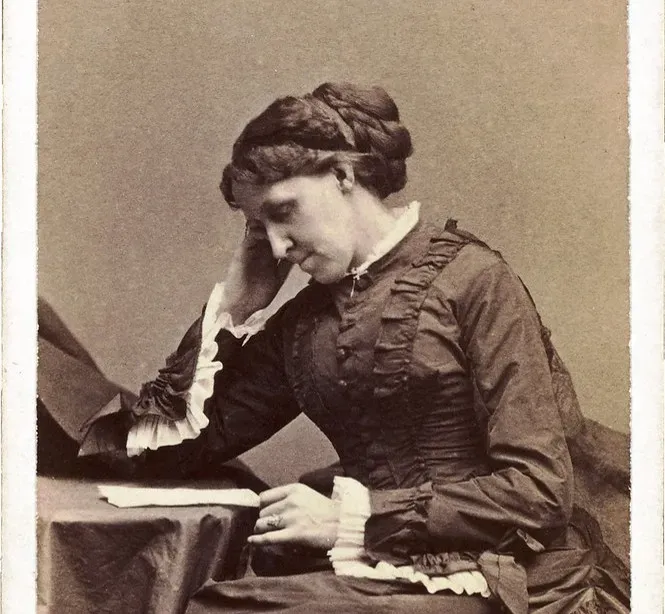
It might come as a surprise to hear that Louisa May Alcott grew a little tired of the characters in her 1868 coming-of-age novel “Little Women,” but in truth she wasn’t all that fond of them in the first place. Alcott was already a fairly established writer by the time her publisher pressed her to write a “girls’ story” in the late 1860s. With her family’s finances strained, Alcott grudgingly took on the job and completed “Little Women” in just ten weeks.
Alcott was also disgusted by the fact that readers were obsessed with the heroine’s marital status, which she felt entirely missed the point of the novel. She bristled at the assumption that a story about women must ultimately be about whom they marry. What became a beloved classic of millions was, in Alcott’s own view, something she wished had never been published. Her regrets were many – from the characters she found dull to the fact that she had written it largely out of familial and financial obligation.
Ian Fleming and the Bond Novel He Tried to Pull from Shelves

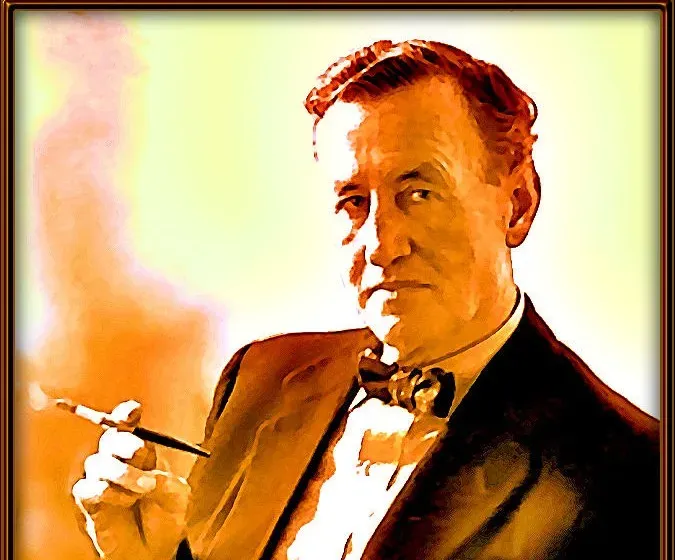
The author of the James Bond series had one spy novel he ended up hating despite his best intentions. “The Spy Who Loved Me” was a Bond novel told from a female perspective, which made the legendary spy’s misogynistic tendencies more obvious and his heroics less notable, but critics were quick to put down the author’s experiment. Though Fleming tried to keep the book out of print, it became a valuable title after his death and remains a popular backlist title to this day.
Fleming wrote the book in an attempt to make James Bond into a secondary character, trying to send a lesson about Bond’s misogyny. His aim was to caution against the hero-like worship of Bond. The work was widely thought of as a failure and received mostly negative reviews. To be clear, Fleming did like the novel at least at first – then he heard what the reviewers had to say, and he was so upset he wanted to more or less disown it. The book outlasted his wishes entirely.
What connects all eight of these writers isn’t failure – it’s the opposite. Some authors grow to dislike, disown, resent, or regret their books after publication, whether because of an unexpected critical or popular response, changes in their own views, or simple aging. Fame arrived wearing one specific mask, and it refused to come off. The books these authors resented most are, in nearly every case, the ones that continue to be read most widely today – a fact that would have done very little to comfort any of them.
Partner offer
Planning a trip to Vegas?
Compare hotel rates and show tickets on VEGAS.com.